
 Pin this
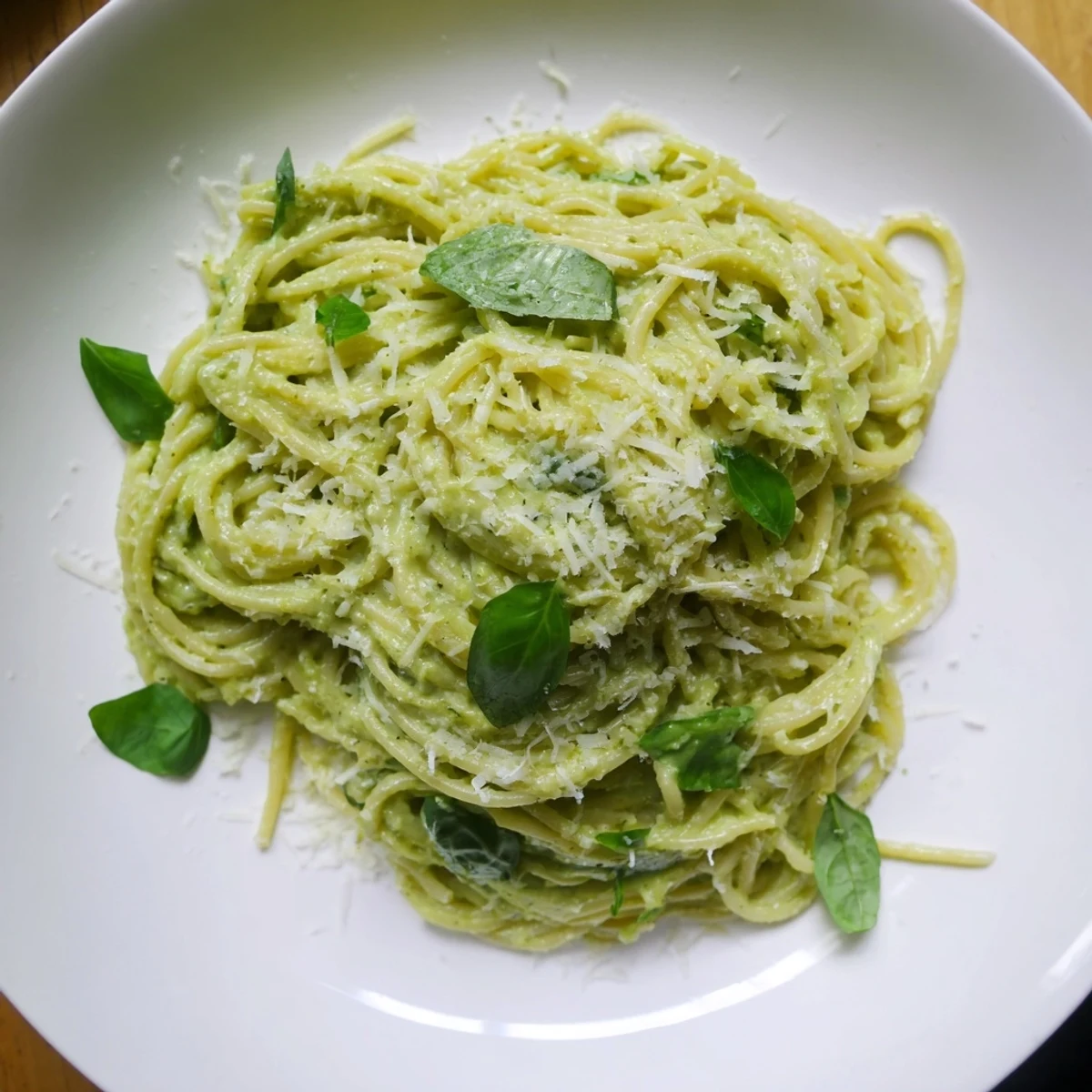
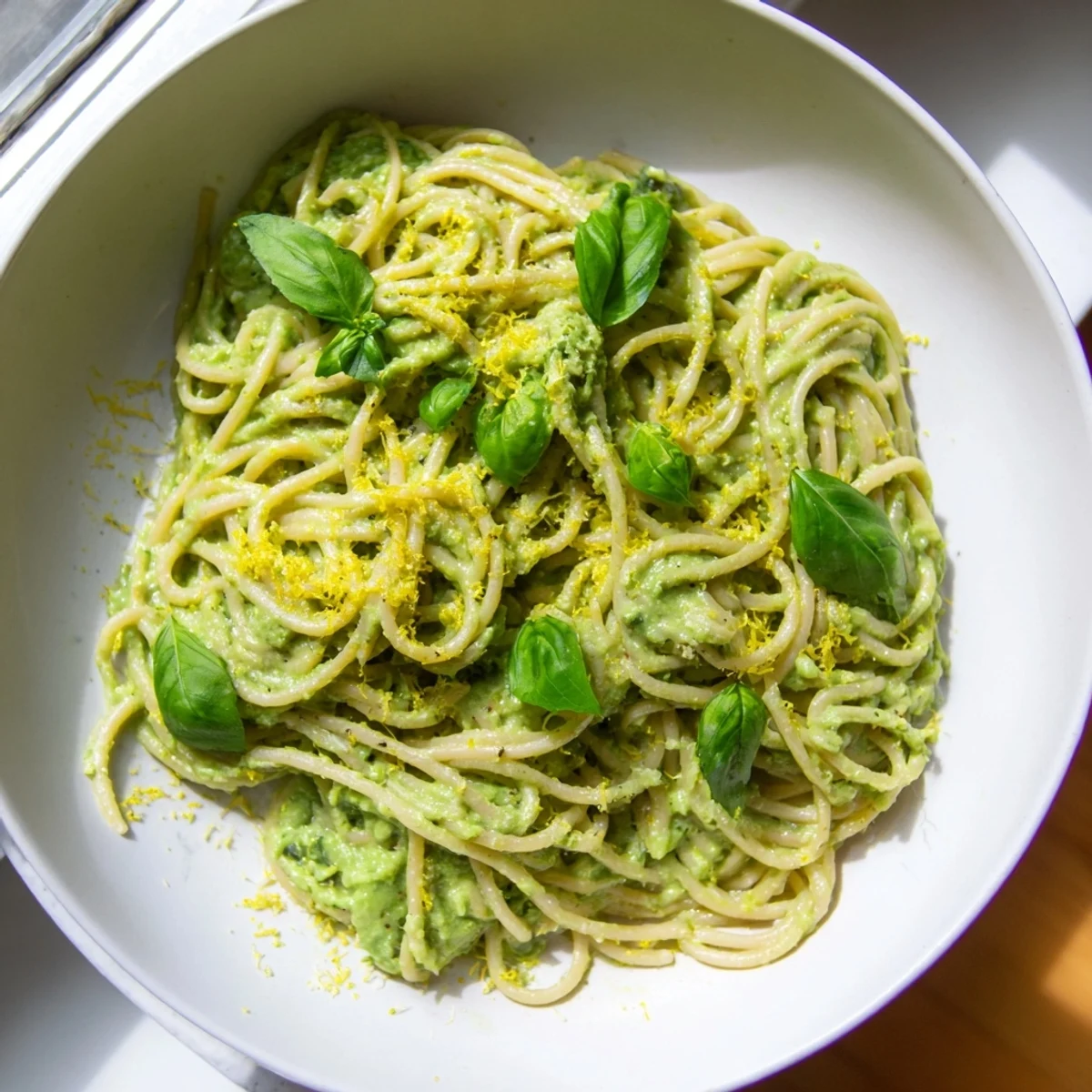
 This creamy avocado pasta blends ripe avocados, garlic, and fresh basil into a smooth sauce that perfectly coats al dente spaghetti. Finished with lemon juice and a touch of olive oil, it delivers a fresh, vibrant flavor. Optional Parmesan or vegan cheese adds a savory touch, while basil leaves and lemon zest brighten each bite. Quick to prepare and ideal for a healthy, satisfying meal, this dish suits vegetarian and vegan preferences with easy substitutions.
I discovered avocado pasta on a warm spring afternoon in a small kitchen in Rome, where a friend pulled two perfectly ripe avocados from her bag and showed me how to transform them into something magical. There was no cream, no butter—just the natural richness of avocado, a whisper of garlic, and the brightness of fresh basil creating a sauce so silky it felt indulgent. I've been making it ever since, especially on those days when I want something wholesome but still feel like I'm treating myself.
I remember making this for my sister when she visited last summer, right after she'd mentioned craving pasta but wanting something lighter. When she took that first bite, the way her whole face lit up told me everything—this wasn't just food, it was a moment of pure comfort wrapped in something bright and alive.
Ingredients
- Pasta (350 g spaghetti or linguine): The thinner shapes like spaghetti work better here because they let the silky sauce coat each strand without overwhelming it. Fresh pasta is lovely if you have it, but dried works beautifully too.
- Ripe avocados (2, halved and pitted): This is everything—choose avocados that yield gently to pressure but aren't mushy. The creamier your avocados, the less water you'll need to add. I learned this the hard way after using rock-hard avocados once.
- Fresh basil leaves (30 g or ¼ cup): Use the tender leaves, not the tough stems. If basil isn't available, cilantro brings a completely different but equally delicious energy to this dish.
- Extra virgin olive oil (2 tbsp): Don't skip the quality here—this oil becomes the base of your sauce, so choose one you actually enjoy tasting.
- Freshly squeezed lemon juice (2 tbsp): Fresh juice, not bottled. This keeps the avocado from browning and brings the whole dish into focus.
- Garlic (1 small clove): Just one small clove—it should whisper, not shout. Too much garlic overpowers the delicate avocado.
- Sea salt and black pepper (½ tsp and ¼ tsp): Taste as you go; everyone's blender is different and so is everyone's salt preference.
- Water (1–2 tbsp as needed): Keep this nearby and add it gradually. The sauce should flow gently, not sit heavy.
- Parmesan or vegan Parmesan (30 g or ¼ cup, optional): If you add it, use good Parmesan you've freshly grated. The finish matters.
- Lemon zest: The tiny bright notes that finish each bite and remind you why you made this in the first place.
Instructions
- Boil the water and cook the pasta:
- Fill a large pot with water—it should taste like the sea, pleasantly salty. Bring it to a rolling boil, then add your pasta. While it cooks, set aside about a quarter cup of that starchy water before you drain it. This pasta water is liquid gold; it helps the sauce cling to the noodles and creates that silky finish you're after.
- Build the avocado sauce:
- While the pasta finishes, add your halved avocados to a food processor or blender along with the single small garlic clove, fresh basil, olive oil, lemon juice, salt, and pepper. Blend until the mixture is completely smooth and creamy. If it feels too thick, add your water one tablespoon at a time while the machine is running. The sauce should be luxurious but still pourable.
- Bring it all together:
- Return the drained pasta to the warm pot—the residual heat will help everything come together beautifully. Pour in your avocado sauce and toss gently and continuously, adding reserved pasta water a splash at a time if needed. You're looking for every strand of pasta to be coated in that green goodness without the sauce pooling at the bottom.
- Plate and finish:
- Divide the pasta among your plates while it's still warm—don't let it sit in the pot or the sauce will thicken too much. Top each plate with a small handful of fresh basil, a scatter of Parmesan if you're using it, and a light dusting of lemon zest that catches the light.
- Serve immediately:
- This dish is best eaten right away, while the pasta still has warmth and the avocado maintains its brightness. There's something about avocado that transforms as it sits; it gets darker and less vibrant, so this is one of those recipes where timing really matters.
 Pin this
 There was an evening when I made this for myself after a difficult day, nothing fancy, just me and a plate of this green pasta. By the time I finished, the day felt lighter. Food doesn't solve problems, but sometimes a bowl of something made with care reminds you that good things still exist.
The Texture Secret
The magic of this pasta lives in understanding texture. The al dente pasta provides little pockets of firmness, the sauce is silky and soft, and the basil leaves add a whisper of freshness. This contrast is what makes each bite interesting rather than one-dimensional. Don't overcook your pasta by even a minute—it continues to soften slightly once it meets the warm sauce. Taste it at nine minutes if you're unsure.
Variations That Feel Different
While the classic version is perfect as is, small changes shift the entire feeling of the dish. Adding a pinch of chili flakes brings heat and drama. Halved cherry tomatoes add little bursts of tartness. Swapping basil for cilantro creates an almost Latin American energy. I've even added a handful of toasted pine nuts for crunch. Each variation is a different conversation, so start with the original and then explore.
Storing and Next Time
This is best made fresh and eaten immediately, but I understand real life doesn't always work that way. If you have leftovers, store the pasta and sauce separately in an airtight container and eat within a day. Before serving the next day, bring the sauce to room temperature and thin it gently with a splash of water and lemon juice—it will have thickened and darkened slightly. This is still delicious, just different.
- Make the sauce no more than an hour before you eat if possible, and keep lemon juice on the avocado to slow browning
- Toast your pasta water in the sauce rather than adding it all at once—you can always add more but you can't take it back
- Use the ripest, creamiest avocados you can find for the smoothest sauce
 Pin this
 This pasta has become my answer to the question 'what should I make tonight?' when I want something that feels both nourishing and celebratory. It's simple enough for any Tuesday, but good enough for any occasion.
Recipe Questions & Answers
- → How do I keep the avocado sauce from browning?
-
Using fresh lemon juice in the sauce helps prevent discoloration. Serve the dish immediately and avoid storing leftovers for long periods.
- → Can I use other herbs besides basil?
-
Yes, substituting cilantro or parsley offers a different but delightful flavor twist to the creamy sauce.
- → What pasta types work best with avocado sauce?
-
Spaghetti, linguine, or other long pasta shapes work well to evenly coat with the smooth avocado mixture.
- → How can I adjust the sauce consistency?
-
Add reserved pasta water gradually to thin the sauce to a silky texture that clings nicely to the noodles.
- → Is this dish suitable for vegans?
-
Yes, using vegan cheese or omitting the Parmesan makes the dish fully vegan and dairy-free without compromising flavor.