
 Pin this
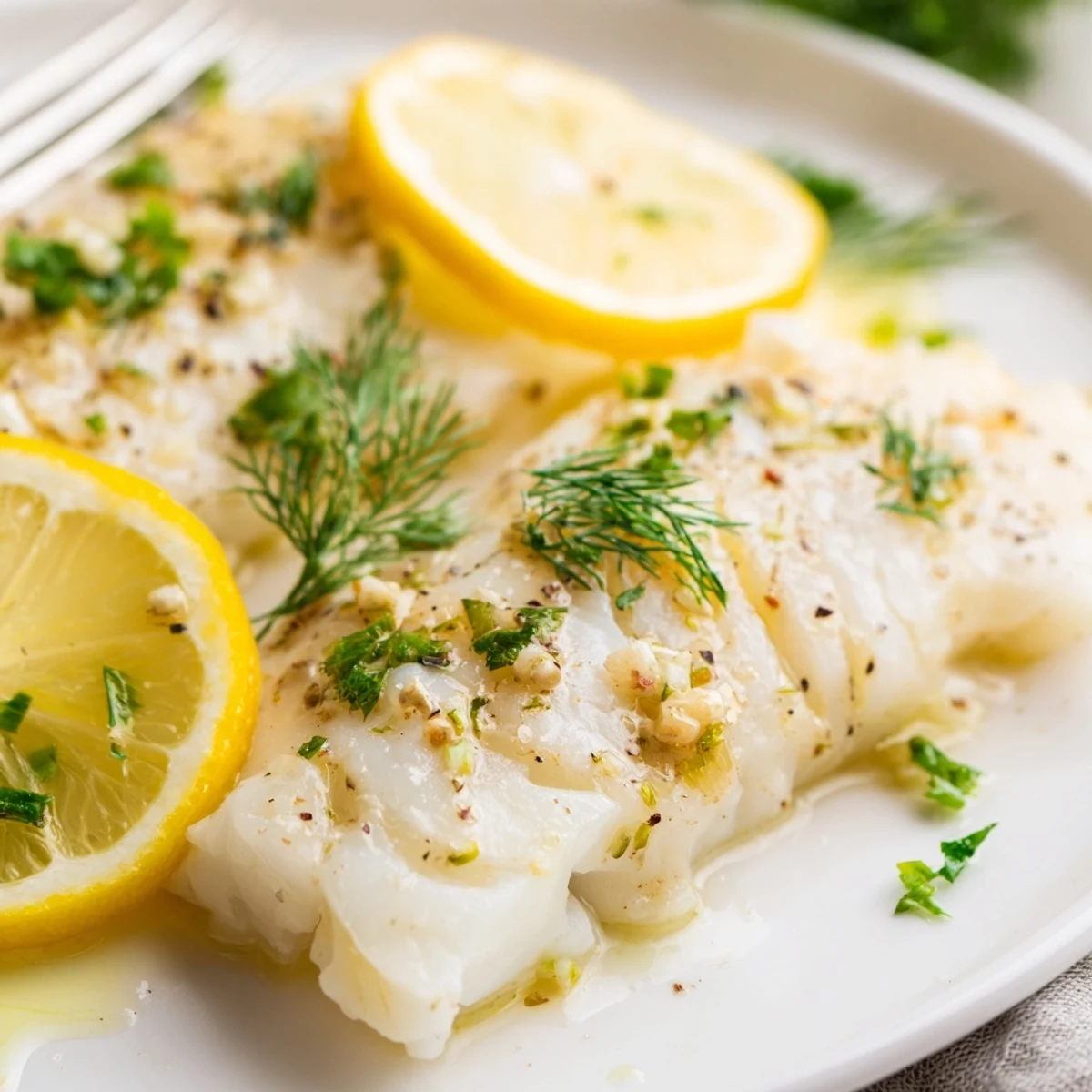
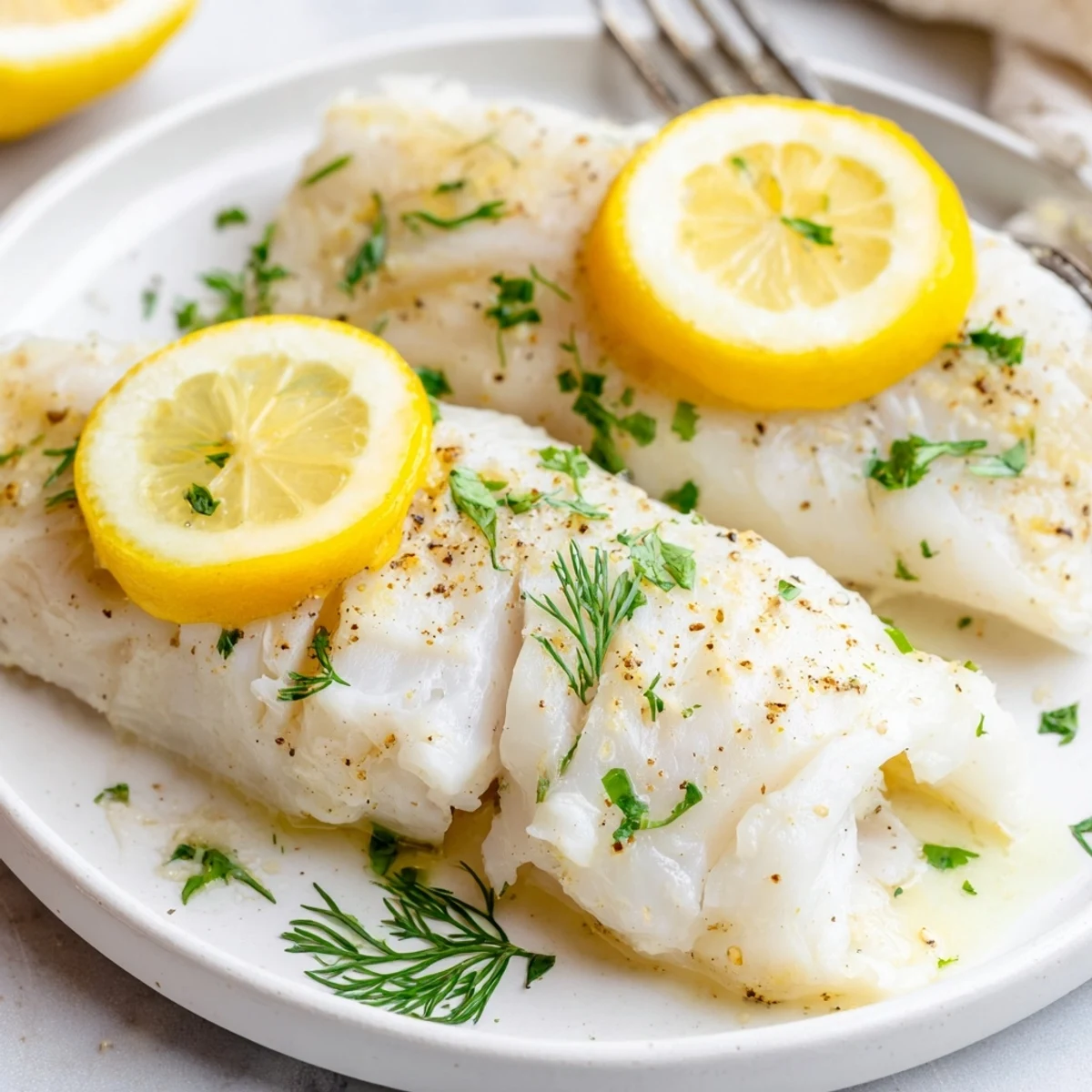
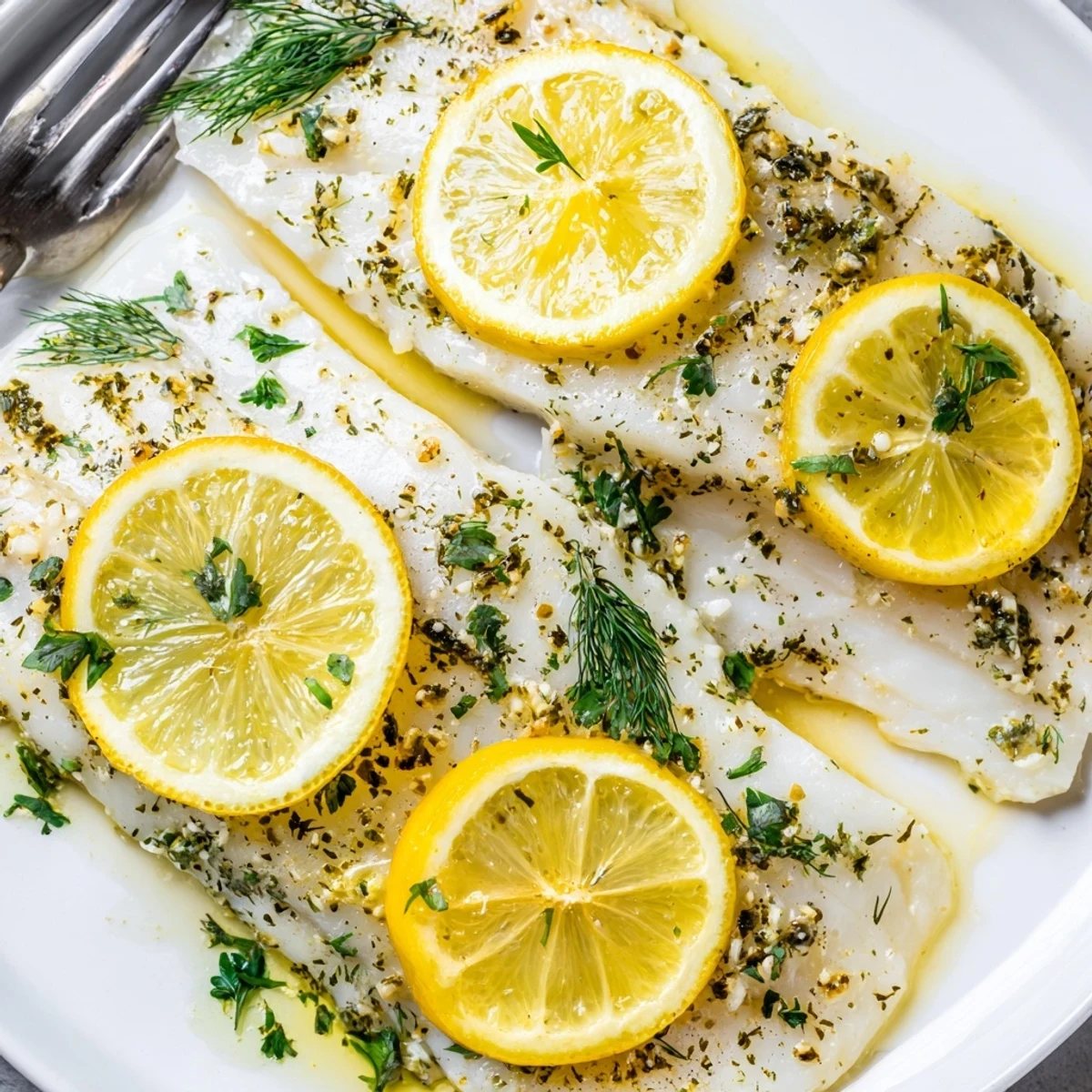
 This dish features tender haddock fillets coated with a vibrant mixture of olive oil, lemon juice and zest, garlic, parsley, dill, and spices. The fillets are baked until flaky and opaque, topped with lemon slices and garnished with fresh parsley. Perfect for a quick, healthy meal, it pairs well with steamed vegetables or roasted potatoes, offering a refreshing, herb-infused seafood experience ideal for weeknights.
There's something almost meditative about watching haddock transform in the oven, the delicate flesh turning opaque while herbs and lemon perfume the whole kitchen. I stumbled onto this version during a particularly hectic Tuesday when I had exactly thirty minutes and a craving for something that tasted restaurant-quality but required almost no fuss. The moment I pulled it from the oven and saw how the lemon had kissed the fish golden, I knew this would become a regular rotation in my house.
I made this for my sister last spring when she was visiting and announced she'd started eating fish again after years of avoiding it. Watching her take that first bite and close her eyes while the brightness of the lemon hit her tongue was such a small moment, but it felt important somehow, like I'd helped her remember why she loved seafood in the first place.
Ingredients
- Haddock fillets (4, about 6 oz each): Look for fillets that smell like the ocean, not fishy—that's your first sign of freshness. Boneless and skinless makes this dish effortless.
- Olive oil (2 tablespoons): Use something you'd actually taste on its own; this isn't the place for the cheapest bottle.
- Lemon juice and zest (from 1 lemon): Fresh lemon is non-negotiable here—it's the backbone of the flavor. Don't even think about the bottled stuff.
- Garlic (2 cloves, minced): Mince it fine so it distributes evenly and doesn't overpower the delicate fish.
- Fresh parsley (2 tablespoons, chopped): The color and brightness this brings is as important as the flavor.
- Fresh dill (1 tablespoon, or 1 teaspoon dried): If you can find fresh dill, use it—dried is fine in a pinch, but fresh is where the magic lives.
- Salt (1 teaspoon) and black pepper (½ teaspoon): Season generously; haddock can handle it and actually needs it.
- Paprika (½ teaspoon, optional): A whisper of this adds warmth and a hint of color without announcing itself.
- Lemon slices for garnish: These aren't just pretty—they infuse more flavor as the fish bakes.
Instructions
- Heat your oven and prep your pan:
- Get the oven to 400°F and lightly grease a baking dish that fits your fillets snugly in a single layer. A crowded pan is fine; they're not hanging out next to each other long enough to cause problems.
- Dry the fish thoroughly:
- Pat each fillet dry with paper towels—this small step makes a huge difference in how the herbs stick and how the surface cooks. Wet fish will steam instead of bake, and we want that gentle, even heat.
- Mix your herb coating:
- Whisk together the olive oil, lemon juice and zest, garlic, parsley, dill, salt, pepper, and paprika in a small bowl. This should look fragrant and bright, almost like a loose pesto but much lighter.
- Coat the fillets:
- Pour the mixture evenly over the haddock, using a spoon to help spread it so each fillet gets its share of herbs. Don't be shy—this coating is doing all the flavor work.
- Arrange the lemon:
- Lay lemon slices over and around the fillets. They'll soften into the fish and the juices will mingle with everything else, creating pockets of bright flavor.
- Bake until just cooked through:
- Slide into the oven for 15 to 20 minutes. The fish is done when it flakes easily with a fork and looks opaque throughout—no translucent center. Start checking at 15 minutes; haddock cooks quickly and you want to catch it at its sweet spot.
- Finish and serve:
- Pull it from the oven, scatter with fresh parsley, and get it to the table while it's still warm. The aroma alone will have everyone gathered before you finish plating.
 Pin this
 The best thing about a meal this straightforward is that it leaves room for other moments—conversation, a glass of wine, noticing how the light changes through the kitchen window. That's when food becomes something more than sustenance, when it becomes the backdrop to something worth remembering.
Why Haddock Works So Well
Haddock has a gentle flavor that doesn't fight the herbs and lemon—it's almost humble in the best way, which is exactly why it's the perfect canvas for this simple treatment. Unlike meatier fish that can handle bold sauces, haddock needs a light hand, and that's where this recipe shines. The fish cooks evenly and stays moist because of how thin the fillets are, and the oven's gentle heat does all the work without any fussing from you.
Making It Your Own
If haddock isn't what's at the market today, cod and pollock are nearly identical in texture and cook the same way, so feel free to swap without changing anything else. Sometimes I add a tablespoon of capers scattered over the top before baking, or a splash of dry white wine that mingles with the lemon juice for richness. Even a handful of tender spinach tucked under the fillets turns this into a complete one-pan meal without adding any real work.
Serving Ideas and Pairings
This fish wants something fresh alongside it—steamed broccoli or green beans with a little butter, roasted new potatoes, or a crisp salad all work beautifully without overwhelming the delicate flavors. A cold Sauvignon Blanc or Pinot Grigio is the natural pairing, something with enough acidity to echo the lemon but light enough to let the fish be the star.
- Roasted vegetables absorb the flavors leaking from the pan and turn into something special.
- A squeeze of fresh lemon at the table, even after all the lemon already in the dish, somehow makes everything taste brighter.
- Serve immediately while the fish is still warm and the herbs haven't lost their fresh edge.
 Pin this
 This is the kind of recipe that proves you don't need complicated techniques or a long ingredient list to create something genuinely delicious. Once you've made it once, you'll find yourself reaching for it whenever you want something good, fast, and somehow still impressive.
Recipe Questions & Answers
- → What is the best way to ensure the haddock stays moist?
-
Coating the fillets with olive oil and lemon-based marinade before baking helps lock in moisture, keeping the fish tender and flaky.
- → Can other fish be substituted for haddock?
-
Yes, cod or pollock can be used as alternatives, providing similar texture and flavor when baked with the herb mixture.
- → How long should haddock be baked to cook thoroughly?
-
Bake the fillets at 400°F (200°C) for 15-20 minutes until the flesh flakes easily and becomes opaque.
- → What herbs complement the lemon flavor in this dish?
-
Fresh parsley and dill enhance the zesty lemon notes, adding brightness and aromatic depth to the fish.
- → What side dishes pair well with this baked haddock?
-
Steamed vegetables, roasted potatoes, or a fresh salad complement the light, herbaceous flavors nicely.
- → Can I add other flavor elements to enrich the dish?
-
Adding capers or a splash of white wine to the baking dish before cooking can introduce extra savory layers and complexity.