
 Pin this
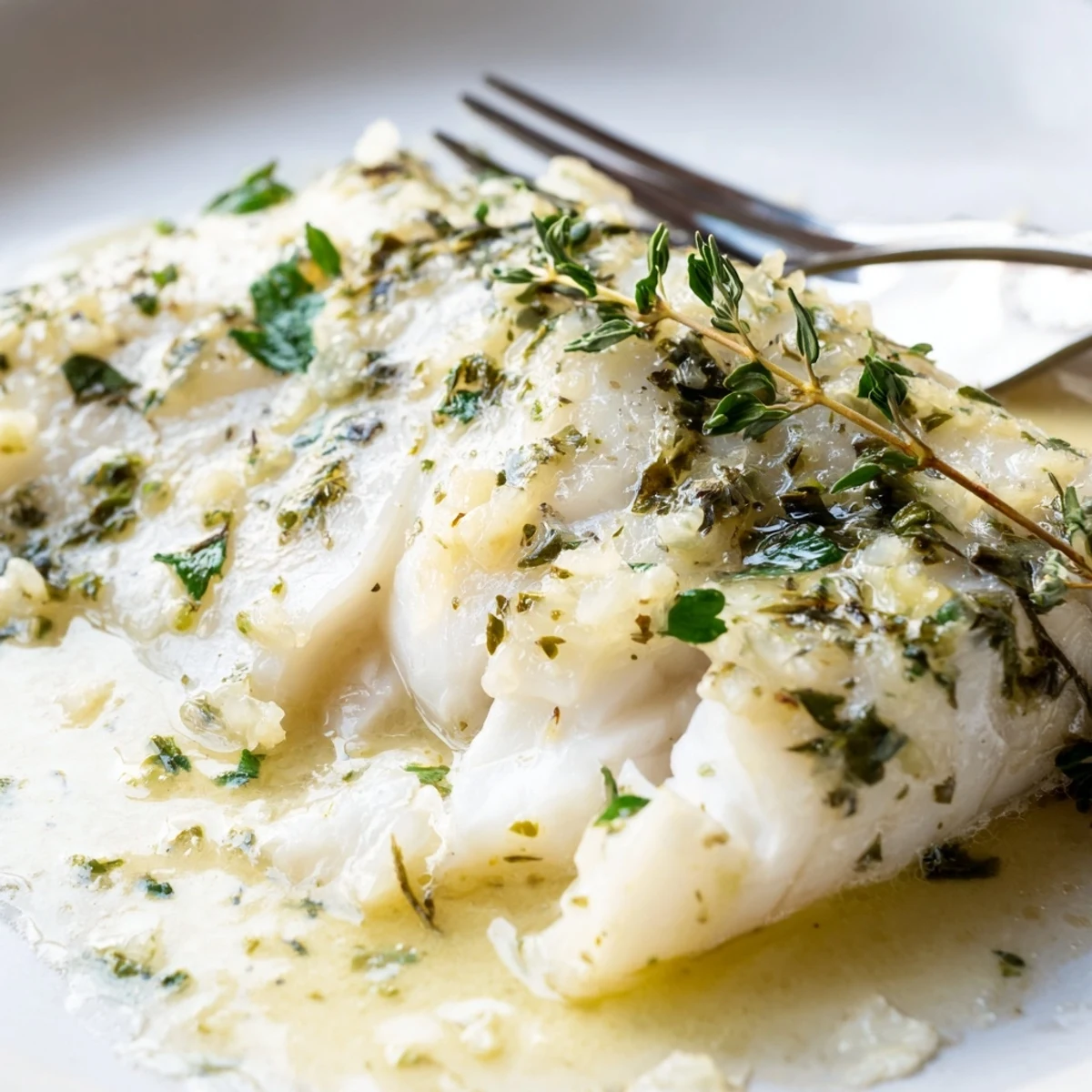
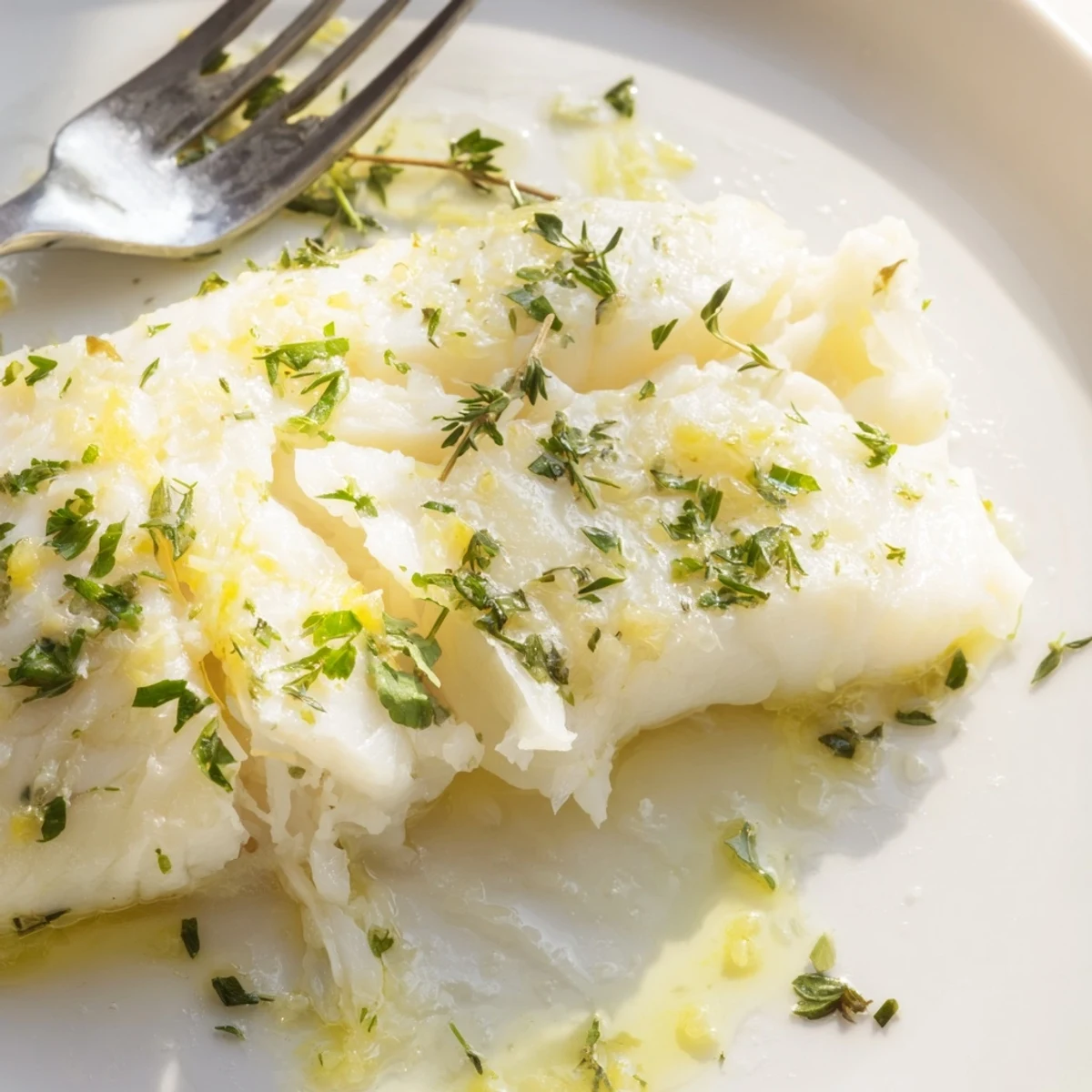
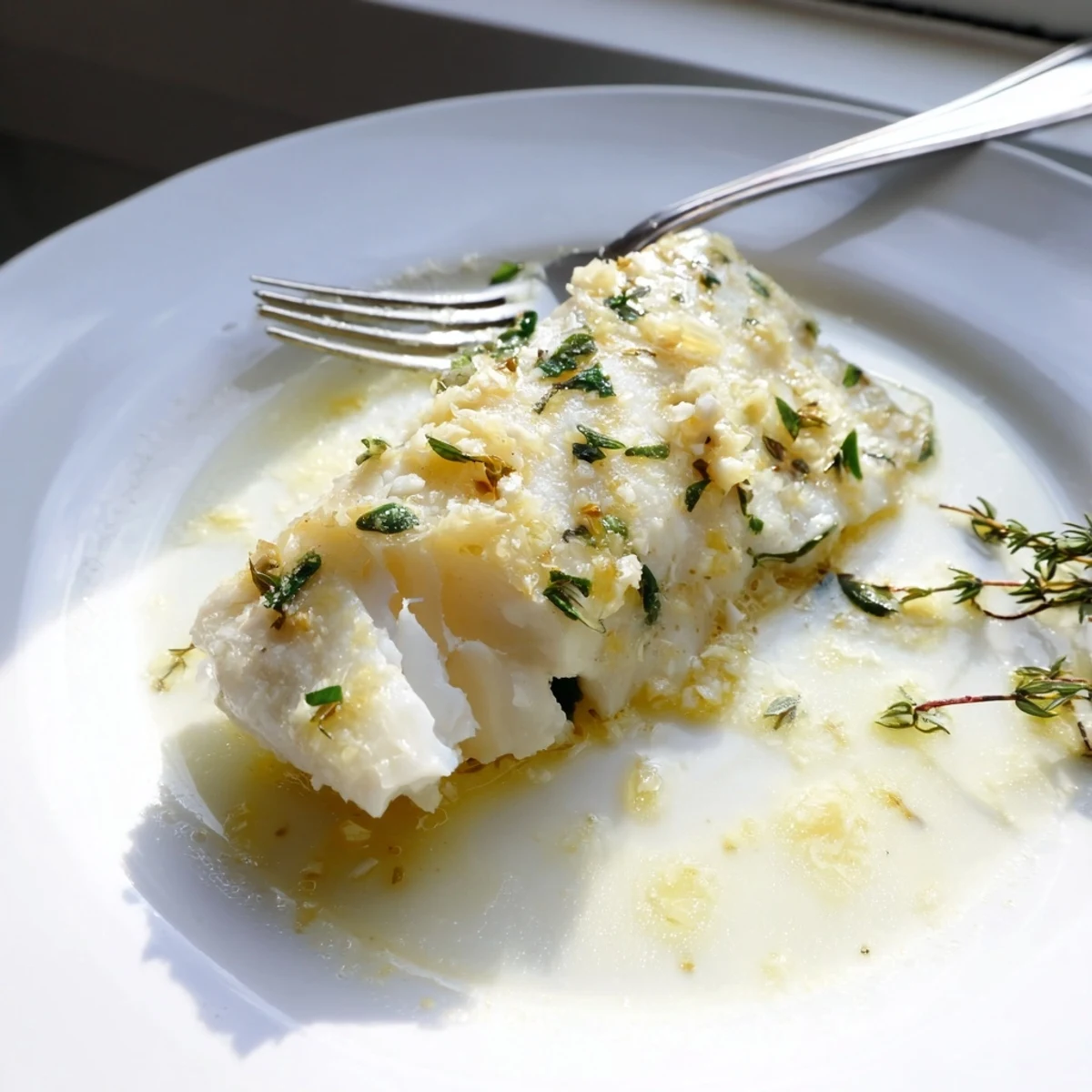
 This dish features halibut fillets gently baked in a luxurious garlic butter sauce enhanced with lemon, parsley, and thyme. The cooking process ensures tender, flaky fish with a bright and rich flavor profile. Ready in under 30 minutes, it makes a quick and elegant option for weeknight dinners or special occasions. Garnished with fresh lemon wedges and parsley, it pairs well with steamed vegetables or a crisp salad. Variations include substituting cod or haddock or opting for olive oil for a dairy-free twist.
There's something about the smell of garlic melting into butter that tells you dinner's going to be good before you even taste it. I discovered this halibut recipe on a Thursday when I had nothing in the fridge except a beautiful fillet my neighbor had given me from his fishing trip. Eighteen minutes later, I was eating something that felt like a restaurant meal but required barely any effort. Now it's become my go-to when I want to feel like I've done something impressive without actually stressing in the kitchen.
I made this for my partner last spring when we were both exhausted from work, and I remember the moment he took that first bite—his whole face changed. He looked at me like I'd just revealed some secret talent I'd been hiding, when really I was just following the most straightforward instructions. We ate it in basically silence, which is the highest compliment you can give a meal in our house.
Ingredients
- Halibut fillets (4, about 6 oz each): The star of the show—look for fillets that are pale and firm, and make sure they're actually skinless and boneless so you're not picking through them at the table.
- Unsalted butter (4 tablespoons, melted): This carries all the flavor, so use real butter, not the spreadable kind or any substitutes that pretend to be better than they are.
- Garlic cloves (3, minced): Fresh garlic only—the jarred stuff tastes like regret, and this recipe is too simple to hide behind anything fake.
- Fresh lemon juice and zest (1 tablespoon and 1 teaspoon): The brightness that keeps everything from feeling heavy, and the zest adds tiny bursts of flavor you'll actually notice.
- Fresh parsley (2 tablespoons, finely chopped): It's not just green decoration—it keeps the sauce from tasting one-dimensional and adds a grassy freshness.
- Fresh thyme leaves (1 teaspoon, optional): Skip it if you don't have it, but if you do, it adds an earthy layer that makes people wonder what your secret is.
- Olive oil (1 tablespoon): Just enough to keep the fish from sticking and to help it cook evenly.
- Salt and freshly ground black pepper: Season generously because fish is forgiving and wants bold seasoning, not timid little pinches.
- Lemon wedges for serving: These are your final touch—let people squeeze them over their own plate because that's when the dish really sings.
Instructions
- Heat the oven and prepare your stage:
- Get your oven to 400°F and lightly grease a baking dish. This is where everything happens, so make sure it's big enough that the fillets fit in a single layer without crowding—overcrowding makes steam instead of that beautiful, gentle bake.
- Dry and season the fish:
- Pat your fillets completely dry with paper towels, then brush them with olive oil and season both sides with salt and pepper. The drying step matters because water is the enemy of everything tasting good here—it gets in the way of browning and flavor.
- Get the fillets in the dish:
- Lay them flat in your prepared baking dish, all facing the same direction if that makes you happy (it won't change anything, but it looks nicer).
- Build the garlic butter sauce:
- Mix the melted butter, minced garlic, lemon juice, zest, parsley, and thyme in a small bowl. Smell it before you pour it over the fish—that's the moment you'll know everything's going to be delicious.
- Coat the fillets:
- Spoon the garlic butter evenly over each fillet, making sure every piece gets some of that good sauce. This is where you're infusing all the flavor, so don't be shy.
- Bake until it flakes:
- Bake for fifteen to eighteen minutes, until the fish is opaque and flakes easily with a fork. You're looking for that moment when the flesh is just cooked through but still tender—overdo it by even a minute and you'll feel it in the texture.
- Finish and serve:
- Pull it out of the oven, add lemon wedges and a final scatter of parsley, and get it to the table while everything's still warm. This is a dish that doesn't benefit from sitting around, so serve it immediately and watch people enjoy it.
 Pin this
 My favorite moment with this dish was when my mom tried it and then immediately asked for the recipe, which felt like validation that I'd finally learned how to cook something worth passing on. There's something about a meal that's simple enough to remember but tasty enough to want to make again that becomes part of your regular life, and this one absolutely is.
Why Halibut Works Here
Halibut is a white fish with a delicate, almost sweet flavor that doesn't need much help to shine. It's firm enough that it won't fall apart in the oven, but tender enough that it cooks quickly and stays moist. The gentle heat of baking keeps it from toughening up the way searing sometimes does, so you get that perfect flaky texture that makes people think you've been cooking for years.
The Garlic Butter Magic
Garlic butter is one of those sauces that feels like it shouldn't work—it's so simple you'd expect it to be boring. But when the garlic mellows slightly in the heat of the oven, it becomes almost sweet and savory at the same time. The lemon keeps it bright and prevents it from ever feeling heavy, and the herbs add just enough complexity that your brain keeps trying to figure out what makes it taste so good.
Making It Your Own
This recipe is a foundation, not a rule, so you can absolutely build on it once you've made it a few times. Some people add a splash of white wine to the baking dish before the fish goes in, which adds a subtle richness. Others swap out the halibut for cod or haddock if that's what they have, and honestly the results are just as good. You can even make it dairy-free by using good olive oil instead of butter, though you'll lose some of that richness.
- If you're making this for someone with a shellfish allergy, make sure your fish counter actually has it separated properly, because cross-contamination happens more often than you'd think.
- Serve it with steamed vegetables, rice, or a crisp salad—something that won't compete with the delicate fish and bright sauce.
- Leftovers are amazing cold the next day if you somehow have any, which honestly never happens at my house.
 Pin this
 This is the kind of recipe that doesn't show off, it just delivers. It's honest food that tastes better than it has any right to, and once you make it once, you'll find reasons to make it again and again.
Recipe Questions & Answers
- → What temperature should I bake halibut?
-
Preheat your oven to 400°F (200°C) to ensure even cooking and a tender, flaky texture.
- → How can I tell when the halibut is cooked?
-
The fillets turn opaque and flake easily with a fork. Internal temperature should reach 130–135°F (54–57°C).
- → Can I substitute other fish for halibut?
-
Yes, cod or haddock are excellent alternatives that maintain a similar texture and flavor.
- → How do I make a dairy-free version?
-
Replace butter with olive oil in the garlic sauce for a dairy-free option with rich flavor.
- → What sides pair well with this dish?
-
Steamed vegetables, rice, or a crisp green salad complement the halibut’s light, fresh flavors.