
 Pin this
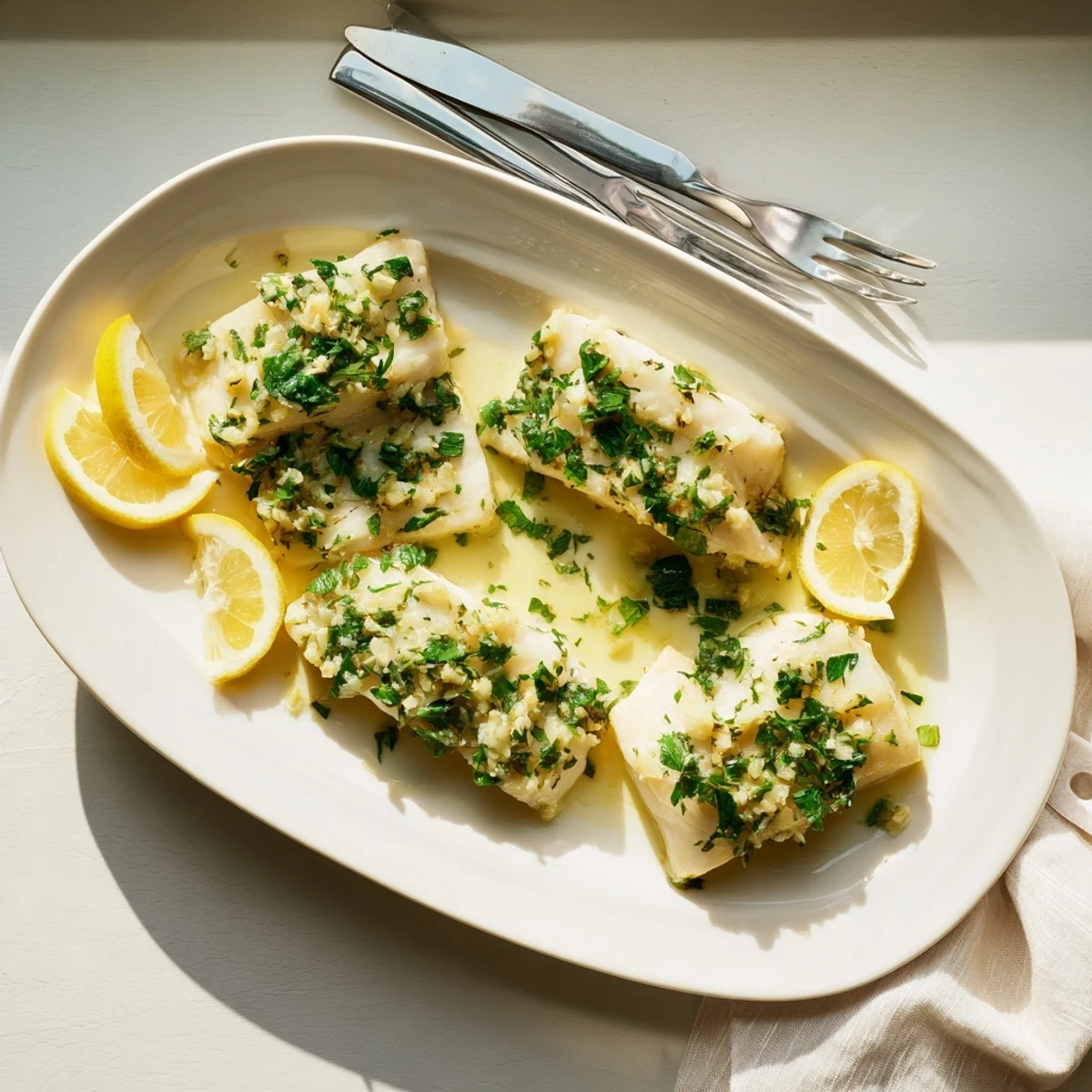
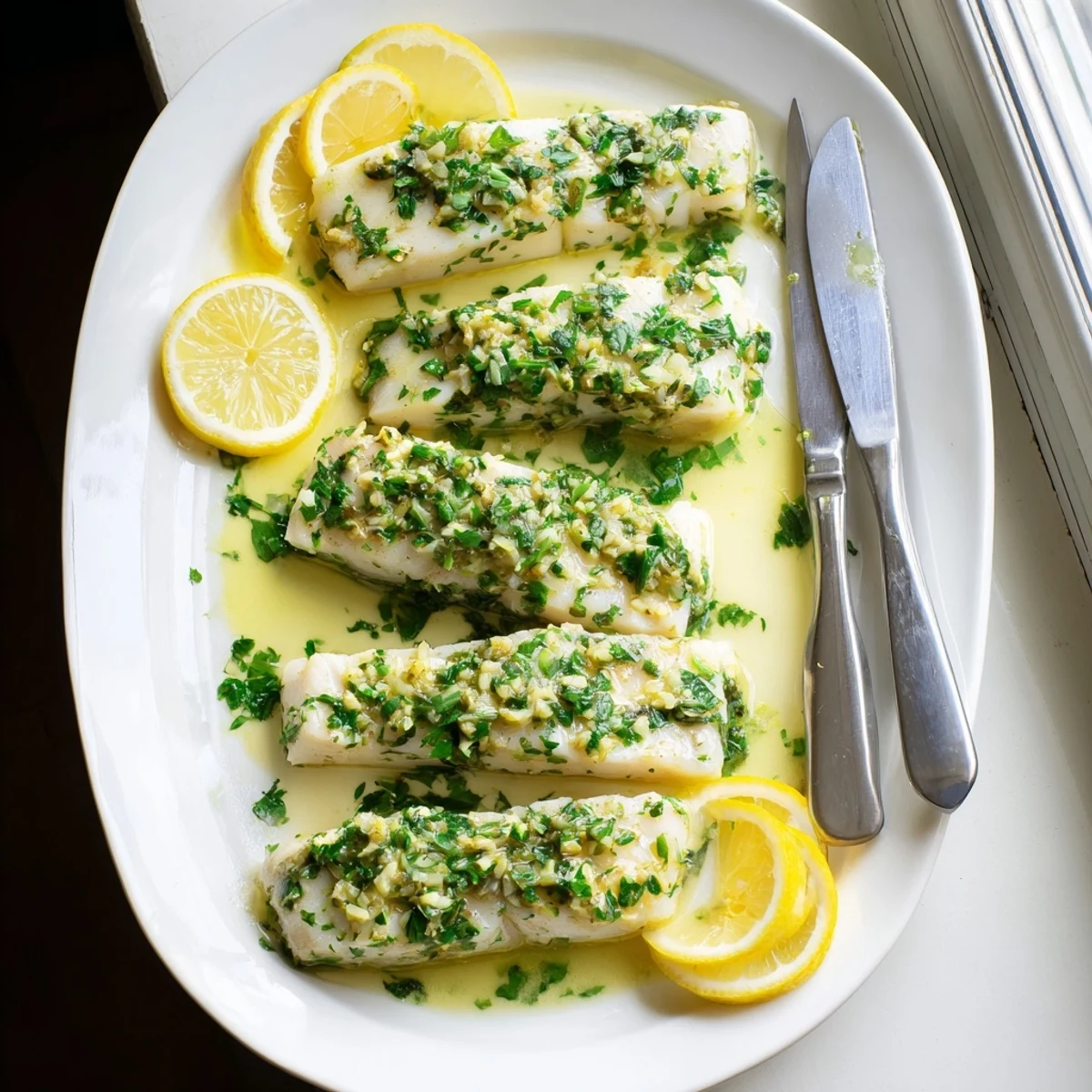
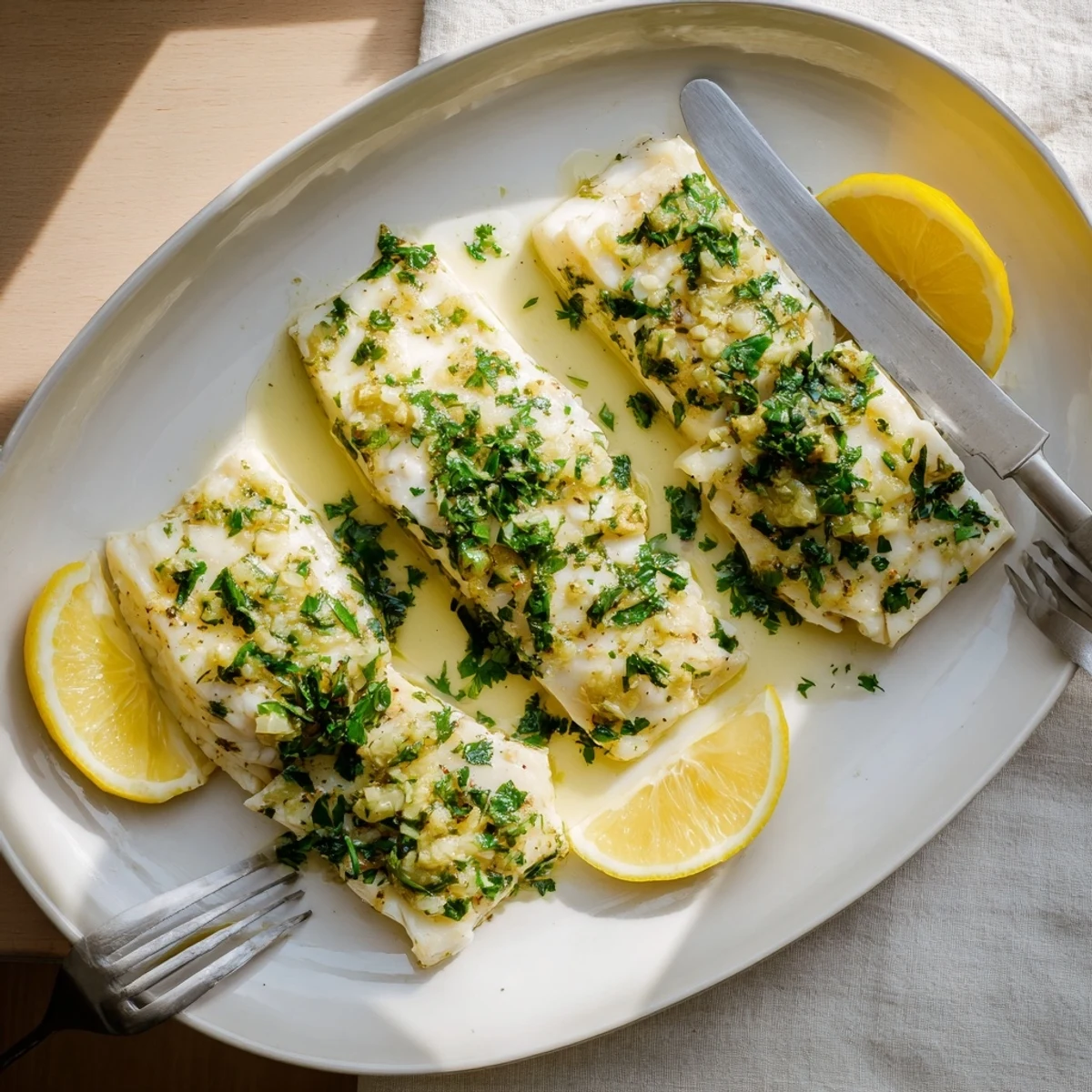
 This elegant yet simple preparation transforms fresh halibut into a restaurant-quality dish right in your home kitchen. The fish emerges from the oven perfectly tender and flaky, infused with the bright flavors of fresh lemon zest, garlic, and fragrant parsley. What makes this preparation exceptional is how the butter sauce keeps the fish moist while adding incredible depth without overwhelming the delicate seafood flavor. In just 30 minutes total time, you'll have a nutritious, high-protein main that feels special enough for entertaining yet is straightforward enough for busy weeknights.
The first time I made halibut this way, my husband actually paused mid-bite and asked what I'd done differently. The lemon butter had created this incredible golden sheen on the fish, and our tiny apartment smelled like a seaside restaurant. I've served it at dinner parties and quiet Tuesday nights alike, and it never fails to make people feel special.
My mother-in-law, who rarely compliments cooking, asked for the recipe after Easter dinner one year. She couldn't believe something so elegant came together with ingredients I always keep in the fridge. Now whenever I visit, she asks if I'll make 'that fish' again.
Ingredients
- 4 halibut fillets (6 ounces each): Halibut's firm, meaty texture holds up beautifully to baking, though I've also used cod when budget was tighter
- 1 tablespoon olive oil: This creates a protective seal that keeps the fish moist while it cooks
- Salt and freshly ground black pepper: Be generous here, the fish needs a solid foundation of seasoning before the sauce joins the party
- 4 tablespoons unsalted butter, melted: I always melt it gently so it doesnt separate when whisked with the lemon
- 2 tablespoons fresh lemon juice: Fresh lemons make all the difference, the bottled stuff can taste strangely metallic with fish
- 1 teaspoon lemon zest: This little addition adds aromatic brightness that juice alone cant provide
- 2 cloves garlic, minced: Mince it finely so it distributes evenly through the sauce without any harsh bites
- 2 tablespoons fresh parsley, chopped: Flat-leaf parsley has better flavor, but curly works in a pinch
Instructions
- Get your oven ready:
- Preheat to 400°F and grab a baking dish that fits the fillets in one cozy layer without crowding
- Prep the fish:
- Pat each fillet completely dry with paper towels, then brush with olive oil and season liberally on both sides
- Make the magic sauce:
- Whisk melted butter with lemon juice, zest, garlic, and parsley until it turns into this gorgeous pale yellow mixture
- Assemble and bake:
- Nestle fillets in the dish, pour that lemon butter all over them, and bake 15 to 20 minutes until the fish flakes apart with just a gentle nudge from your fork
 Pin this
 Last summer, we ate this on the back porch while watching a thunderstorm roll in across the lake. Something about the bright lemon and warm butter felt perfect against that moody gray sky. My daughter called it storm food and now requests it whenever the weather turns dramatic.
Choosing the Best Fish
I've learned to look for fillets that are opaque rather than translucent, with no brown spots or funky smells. Your fish counter person can tell you when it was delivered, and I always try to buy fish that arrived that same morning. If halibut feels like a splurge, cod or sea bass work beautifully with this same preparation.
Perfect Side Dishes
Roasted asparagus with parmesan has become my go-to pairing, the nutty cheese plays so nicely against the bright lemon. But honestly, even just some good bread to soak up that sauce feels like enough. Once I served it over angel hair pasta tossed with garlic and olive oil, and that felt like absolute luxury.
Make Ahead Wisdom
You can mix the lemon butter sauce up to a day ahead and keep it in the fridge, just bring it to room temperature before using. The fish should be cooked the same day you buy it for the best texture. I've also roasted vegetables alongside the fish in the same pan, which saves on dishes and lets everything soak up that lemon butter together.
- Let the fish rest for 5 minutes after baking, it helps the juices redistribute
- Warmed plates make a surprising difference with this dish
- Any leftover fish makes incredible fish tacos the next day
 Pin this
 This recipe taught me that elegant food doesn't need to be complicated, it just needs to be made with care and good ingredients. Hope it brings as many peaceful moments to your table as it has to mine.
Recipe Questions & Answers
- → How do I know when the halibut is done?
-
The halibut is finished when it flakes easily with a fork and appears opaque throughout the center. This typically takes 15–20 minutes at 400°F. The internal temperature should reach 145°F. Avoid overcooking, as the fish will become dry and lose its delicate texture.
- → Can I substitute halibut with other fish?
-
Absolutely. Cod, sea bass, haddock, or even tilapia work beautifully with this preparation. Adjust cooking time based on fillet thickness—thinner cuts may need 12–15 minutes, while thicker portions might require up to 22 minutes. The lemon butter sauce complements any mild, white fish perfectly.
- → What sides pair well with this dish?
-
Steamed asparagus, roasted Brussels sprouts, or sautéed spinach make excellent vegetable choices. For starch, try wild rice, quinoa, or roasted baby potatoes. A crisp green salad with light vinaigrette provides refreshing contrast to the rich butter sauce. Keep sides simple to let the halibut shine.
- → How can I make this dairy-free?
-
Replace the butter with olive oil or a quality plant-based butter alternative. The sauce will still provide richness and carry the lemon-garlic flavors beautifully, though the finish won't be quite as creamy. Extra virgin olive oil adds its own lovely fruity notes that complement the seafood.
- → Can I prepare this ahead of time?
-
You can season the fish and prepare the lemon butter sauce up to 4 hours in advance, storing them separately in the refrigerator. Bring to room temperature for 15 minutes before baking. Leftovers keep well for 1–2 days—gently reheat at 300°F to avoid drying out the fish, though fresh preparation yields the best texture.