
 Pin this
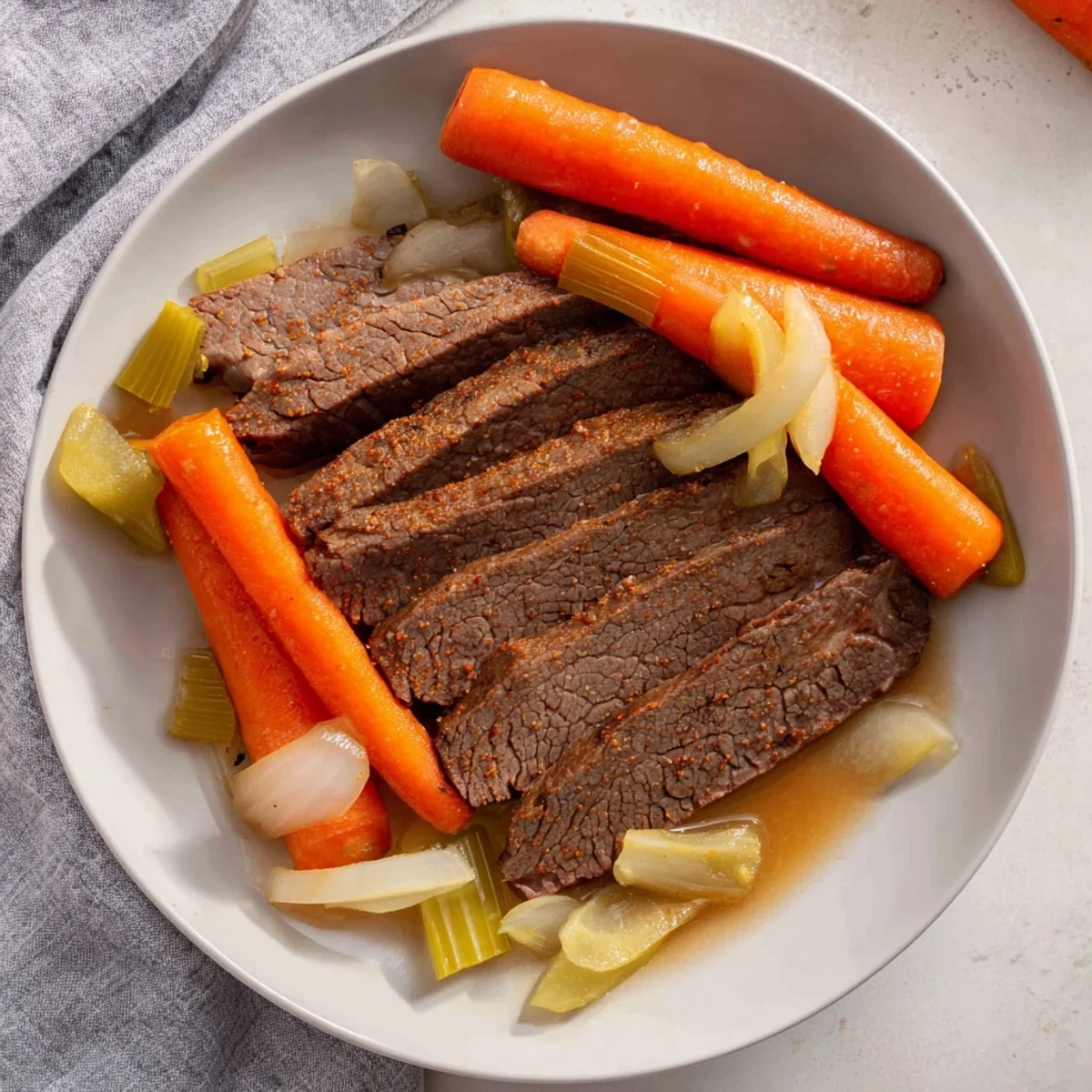
 This dish features a beef brisket slowly braised with a combination of onions, carrots, celery, garlic, and red wine, creating a tender, melt-in-your-mouth experience. The brisket is first seasoned and seared to lock in flavors, then simmered in a rich broth infused with Worcestershire sauce, smoked paprika, thyme, and bay leaves. Cooking low and slow ensures each slice is moist and flavorful, perfect for family meals or special occasions. Leftovers can be repurposed into hearty sandwiches, adding versatility to this satisfying entrée.
I still remember the first time my grandmother pulled a beef brisket from her oven on a Sunday afternoon, the kitchen filling with this rich, savory aroma that seemed to wrap around everything. It was years before I realized that what made her brisket so special wasn't complicated technique or exotic ingredients—it was patience and love for the people gathering around her table. Now, whenever I braise a brisket low and slow, I'm transported back to that moment, and I understand why she always said the best meals are the ones that take time.
I made this brisket for my best friend's birthday dinner last winter, and watching everyone's faces light up when they tasted it reminded me why home cooking matters. There's something about serving something you've tended to for hours that makes the meal feel less like dinner and more like a love letter on a plate.
Ingredients
- Beef brisket (4 lb): This is your canvas—look for marbling throughout and don't trim away all the fat, as it keeps the meat tender and flavorful as it braises
- Onions and garlic (2 large onions, 4 cloves): These create the aromatic base and will break down into the sauce, giving it natural sweetness and depth
- Carrots and celery (3 carrots, 2 stalks): Your classic flavor trio that builds the foundation; the vegetables become tender enough to eat alongside the meat
- Beef broth (2 cups): Use good quality broth if you can—it's the liquid gold that keeps the meat moist and flavorful throughout the long braise
- Dry red wine (1 cup): Don't skip this; the wine adds acidity and complexity that rounds out the richness of the beef, though you can substitute more broth if needed
- Worcestershire sauce (2 tbsp): This secret weapon adds umami and depth—just double-check your bottle doesn't contain fish if that's a concern
- Olive oil (2 tbsp): For searing; this step is non-negotiable because it builds flavor through the Maillard reaction
- Salt, pepper, smoked paprika, thyme, and bay leaves: These seasonings work together to create warmth and smokiness that makes people ask for your recipe
Instructions
- Prepare your oven and season:
- Start by preheating your oven to 325°F—this gentle heat is key to transforming tough brisket into something tender. While it heats, pat your brisket completely dry with paper towels and season it generously on all sides with salt, pepper, and paprika. You'll feel the seasoning cling to the meat, and that's exactly what you want.
- Sear the brisket:
- Heat olive oil in your Dutch oven over medium-high heat until it shimmers and smells almost nutty. Place the brisket in carefully—it should sizzle immediately. Don't move it for about 4 minutes, letting that beautiful brown crust form. Flip and do the same on the other side. This takes patience, but it's building flavor that nothing else can create. Remove the brisket and set it aside.
- Build your flavor base:
- In the same pot with all those browned bits stuck to the bottom, add your onions, carrots, celery, and garlic. Stir them around for about 5 minutes until they soften and start to smell like comfort. You'll feel them release their moisture, and the kitchen will smell alive.
- Deglaze and layer flavors:
- Pour in your red wine, and with a wooden spoon, scrape up all those browned bits from the bottom of the pot—this is liquid gold flavor that you never want to waste. Let it simmer for just 2 minutes, then add your beef broth, Worcestershire sauce, thyme, and bay leaves. Give it a gentle stir.
- Return the brisket and begin braising:
- Place the brisket back into the pot, fat side up—that fat will render down and keep everything moist. The liquid should come about halfway up the sides of the meat. Cover tightly with a lid or foil, transfer to your preheated oven, and let time do the work for 3 to 3.5 hours. Resist the urge to peek too much; every time you open that door, heat escapes.
- Rest and finish:
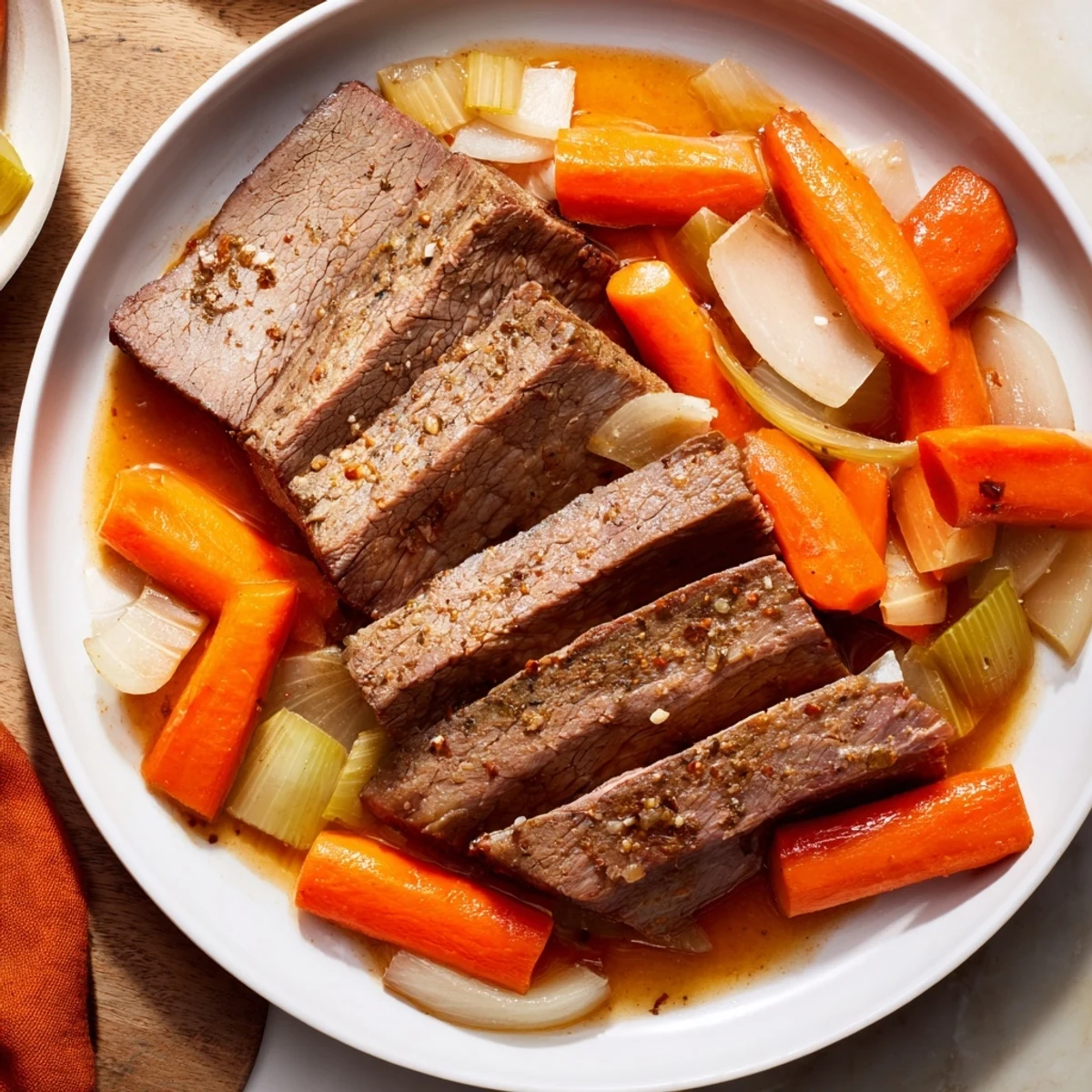
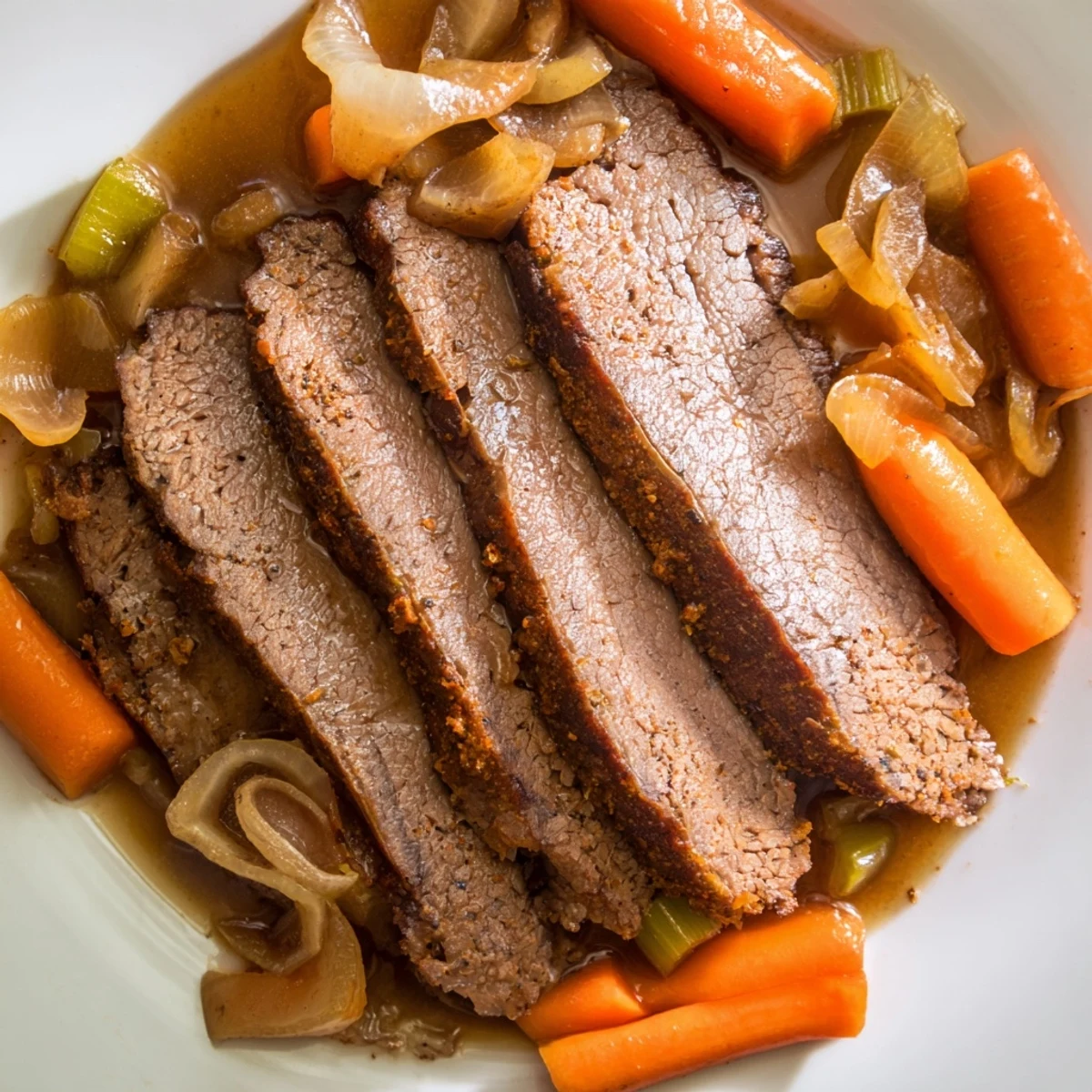
- When the brisket is so tender a fork slides through it like butter, remove it from the oven. Let it rest for 15 minutes—this allows the juices to redistribute through the meat so every bite stays moist. Slice against the grain, and serve with the tender vegetables and the rich pan sauce spooned over top.
 Pin this
 There was an evening when my daughter came home from school, put down her bag, and just stood in the kitchen, inhaling deeply. She didn't say anything—she didn't have to. That's when I knew this brisket had become part of our family story, one of those dishes that means home.
Making It Your Own
I've learned that a brisket is forgiving and generous, inviting you to make it reflect your own taste. Some afternoons I add extra garlic because that's what sounds good, other times I use more paprika if I want smokiness to lead the flavor. My friend who can't have wine uses all beef broth instead, and her brisket is just as tender and beautiful. The magic isn't in rigid perfection—it's in the care you pour into it.
Timing and Preparation
One thing I've discovered is that this dish rewards you for planning ahead. If you have time the night before, marinate your brisket with the spices and a splash of wine in the refrigerator—the flavors settle in, and the meat starts its transformation before it ever hits the pot. Even if you don't have overnight, just know that you're committing to about 4 hours total from start to finish, and it's time beautifully spent. The actual hands-on work is maybe 20 minutes; the rest is the oven doing what ovens do best.
What Comes After
This is where brisket gets even more generous. Any leftovers are treasure—I've built the best sandwiches on toasted bread with a little of that pan sauce, and I've shredded it for tacos, stirred it into rice, even layered it into pasta. Cold brisket sliced thin becomes something different and wonderful, less rich but just as satisfying. It's one of those recipes that doesn't really end; it transforms into something new each time you reach for it.
- Store leftovers in an airtight container for up to 4 days, and the flavors only get deeper and more developed
- Freeze the whole thing, braising liquid and all, for up to 3 months—just thaw gently in the refrigerator and reheat slowly
- If you're cooking for a crowd, this recipe doubles beautifully and actually works better in larger quantities
 Pin this
 When you smell that brisket braising and know you've created something that will nourish the people you love, that's when cooking becomes more than following steps. That's when it becomes a gift.
Recipe Questions & Answers
- → What is the best cut of meat for this dish?
-
Beef brisket is ideal due to its marbling, which breaks down during slow cooking to create tender, flavorful meat.
- → Why is searing the meat important?
-
Searing locks in juices and creates a rich brown crust, enhancing the depth of flavor in the finished dish.
- → Can I substitute red wine in the cooking liquid?
-
Yes, you can replace red wine with additional beef broth for a milder flavor while retaining moisture.
- → How long should the brisket rest after cooking?
-
Letting the brisket rest for about 15 minutes allows juices to redistribute, ensuring moist and tender slices.
- → What vegetables complement the braised brisket?
-
Onions, carrots, celery, and garlic are used to add natural sweetness and aromatic depth to the braising liquid.