
 Pin this
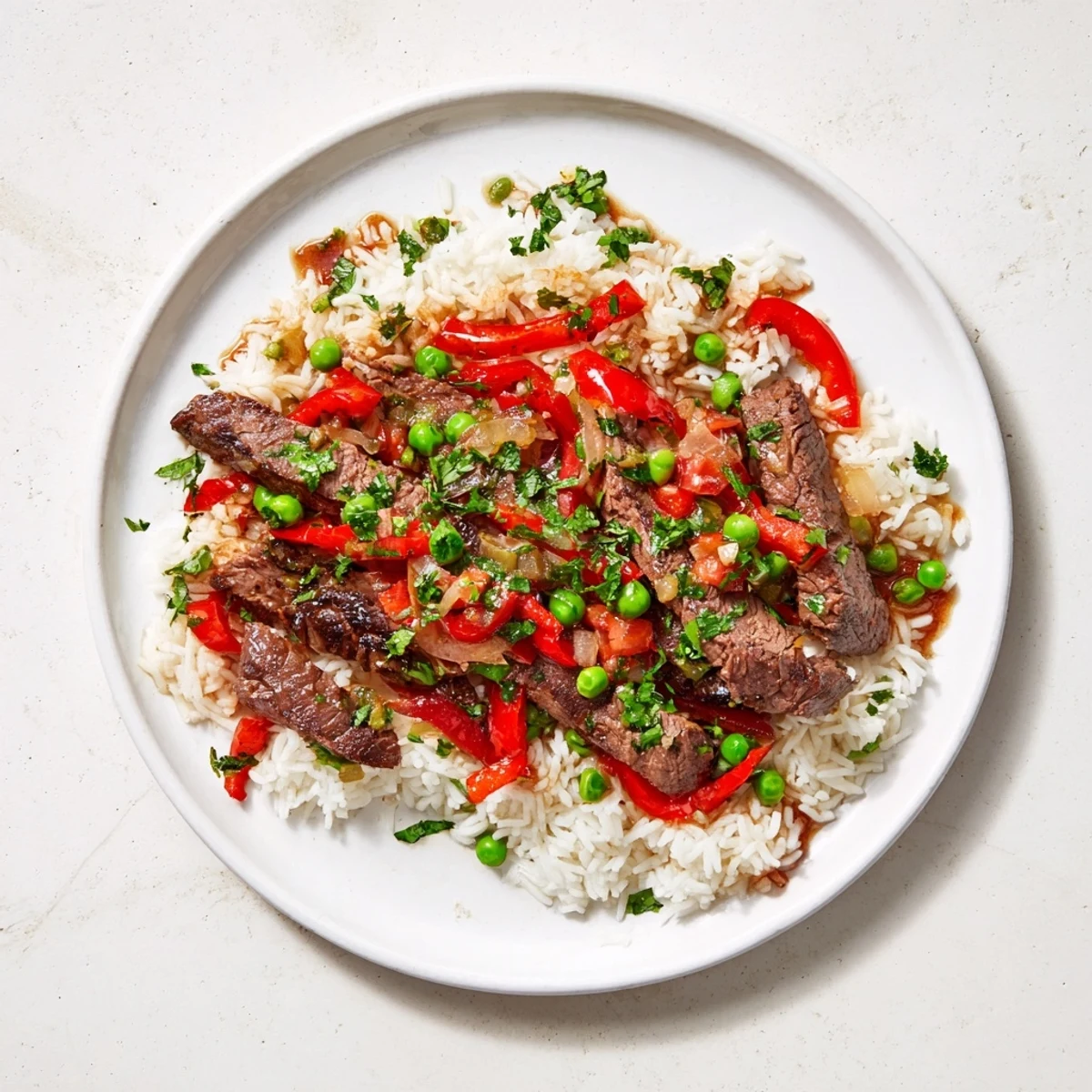
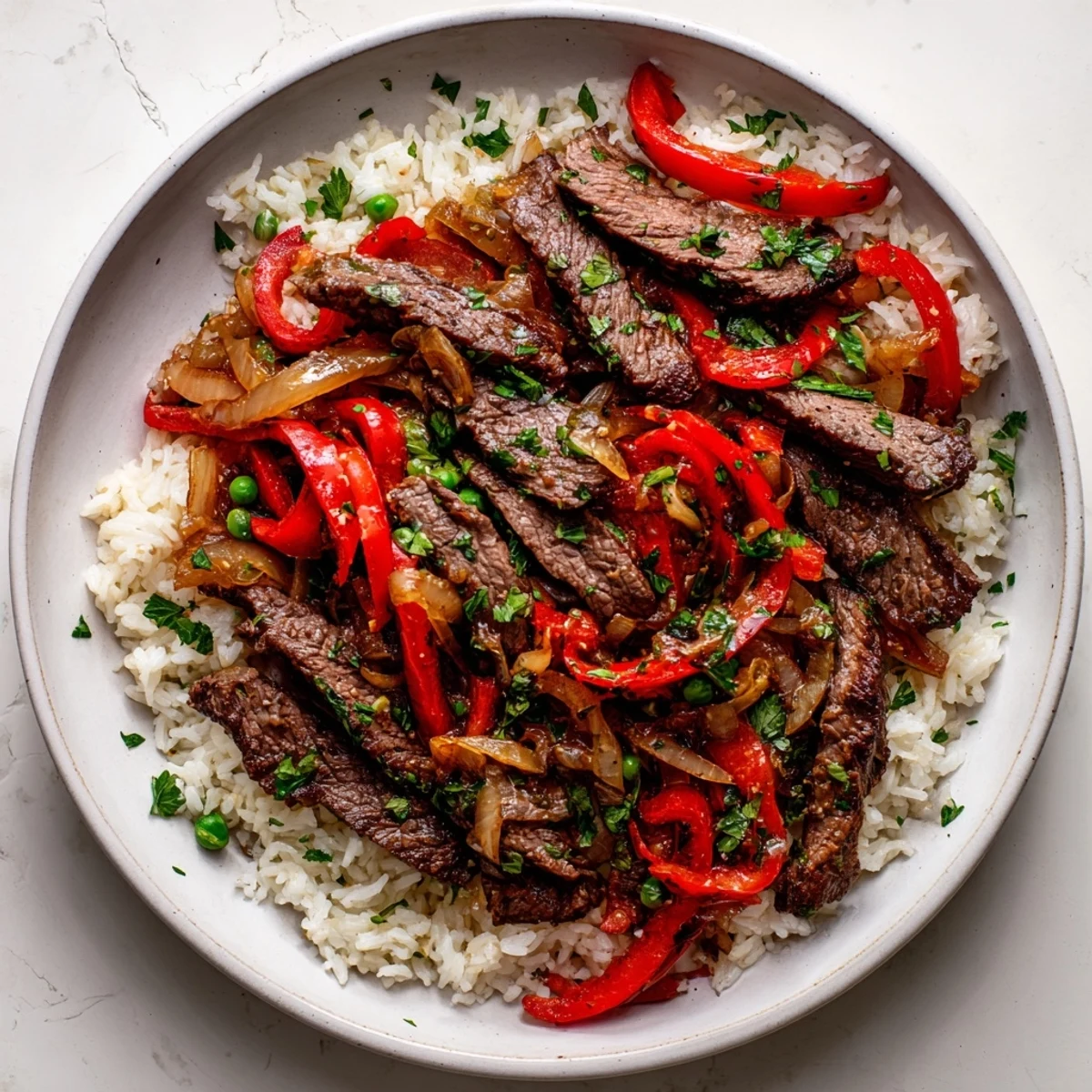
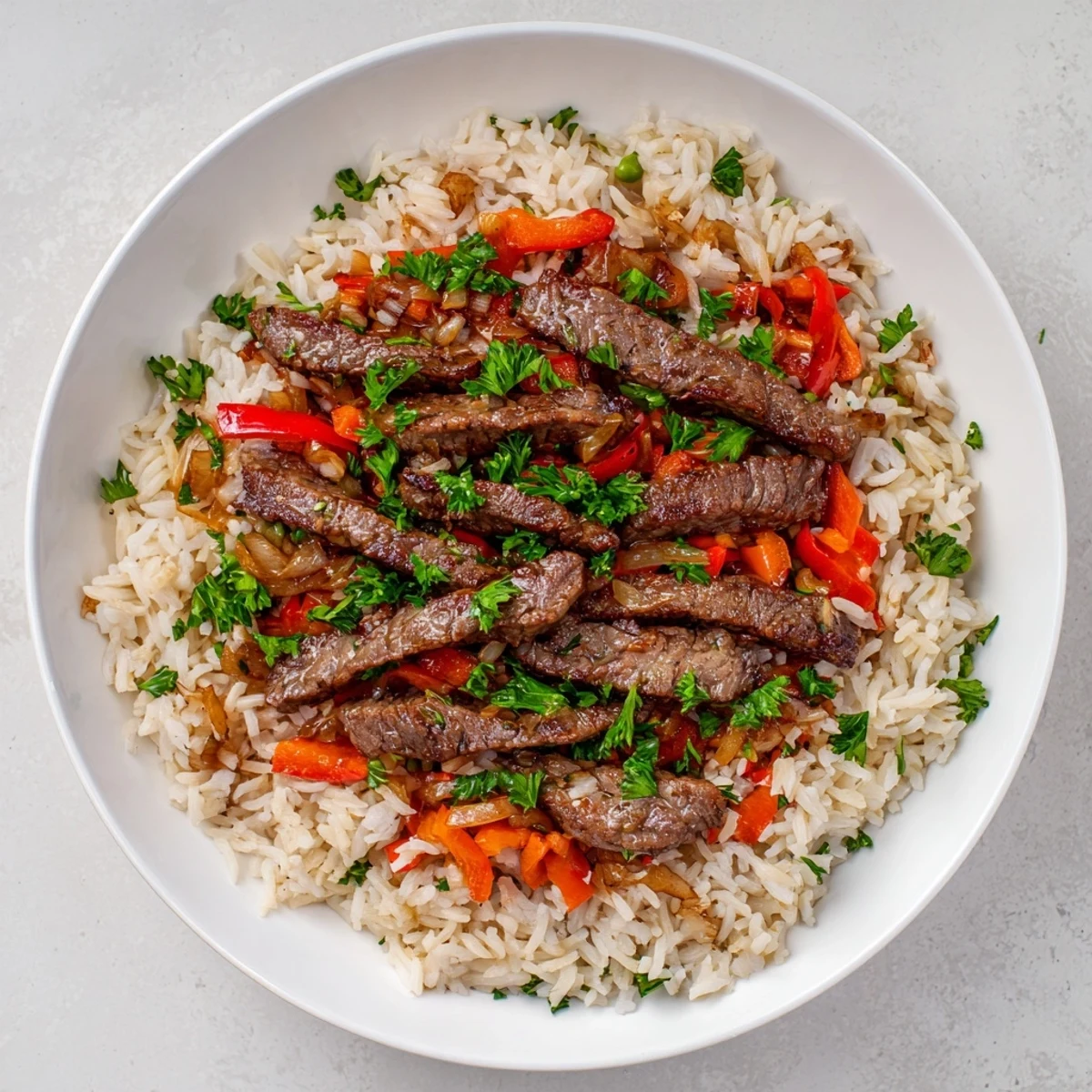
 This comforting one-pan dish combines tender strips of beef with fluffy long-grain rice and a medley of savory vegetables. Sautéed onions, garlic, and red bell pepper add depth of flavor, while smoked paprika and thyme provide a subtle smoky and herby touch. Simmered in beef broth and soy sauce, the dish finishes with bright peas and fresh parsley, creating a flavorful, hearty meal perfect for busy weeknights. The method ensures easy preparation and cleanup without sacrificing taste and texture.
There's something magical about a skillet that does all the work for you, and this beef and rice dish became my go-to after a particularly chaotic Tuesday when I needed dinner on the table in under an hour. My partner wandered into the kitchen halfway through, drawn by the smell of seared beef and toasted spices, and by the time I'd stirred in the broth, they were already setting the table. It's the kind of meal that feels both homey and slightly fancy, depending on your mood.
I made this for my sister when she was stressed about moving, and watching her face light up after the first bite reminded me that comfort food isn't really about the ingredients—it's about knowing someone cared enough to feed you well. She asked for the recipe that same evening, which is always the highest compliment in my book.
Ingredients
- Beef sirloin or flank steak (14 oz), cut into thin strips: Thin cuts cook quickly and stay tender; cutting against the grain makes all the difference in texture.
- Olive oil (1 tablespoon): Just enough to get a proper sear on the beef without making the dish greasy.
- Onion (1 medium), diced: The foundation of flavor; don't skip this or you'll miss the sweetness that balances the savory broth.
- Garlic (2 cloves), minced: Fresh garlic transforms the whole dish; jarred won't give you the same aromatic depth.
- Red bell pepper (1), diced: Adds brightness and a touch of natural sweetness that rounds out the earthiness of the rice.
- Long-grain white rice (1 cup), rinsed: Rinsing removes excess starch so the rice stays fluffy instead of turning into mush.
- Beef broth (2¼ cups): Use good quality broth if you can; it's the backbone of the entire dish and you'll taste the difference.
- Soy sauce (2 tablespoons): This adds umami depth and a subtle saltiness that brings everything together.
- Smoked paprika (1 teaspoon): The secret weapon; it adds a whisper of smoke that makes people ask what you did differently.
- Dried thyme (½ teaspoon): Earthy and gentle, it complements the beef without overpowering the other flavors.
- Frozen peas (1 cup): Added late so they stay bright green and slightly tender, not mushy.
- Salt and black pepper, to taste: Season as you go; it's easier to add more than to fix over-seasoned rice.
- Fresh parsley (2 tablespoons), chopped: A garnish that feels like a small gift at the end.
Instructions
- Sear the beef until golden:
- Heat the olive oil in your skillet over medium-high heat until it shimmers, then add the beef strips in a single layer. Let them sit for a moment—don't stir constantly or they won't brown properly. Season with salt and pepper, cook for 2–3 minutes until deeply browned, then set aside on a plate.
- Build the flavor base:
- In the same skillet (all those browned bits are liquid gold), add the onion, garlic, and bell pepper. Listen for that gentle sizzle; sauté for 3–4 minutes until the vegetables soften and the garlic becomes fragrant without burning.
- Toast the rice and spices:
- Stir in the rinsed rice, smoked paprika, and thyme, cooking for about a minute until you can smell the toasted grain. This step blooms the spices and gives the rice a subtle depth it wouldn't otherwise have.
- Bring the liquid to life:
- Pour in the beef broth and soy sauce, stirring gently to combine. Bring everything to a boil, then immediately reduce the heat to low and cover the skillet with a lid.
- Let it simmer undisturbed:
- Cook for 15 minutes without lifting the lid or stirring. The rice absorbs the liquid slowly and evenly, creating that fluffy texture you're after. Resist the urge to peek.
- Bring everything together:
- Add the frozen peas and return the beef to the pan, stirring gently so you don't break up the rice grains. Cover and cook for another 5–7 minutes until the rice is tender and the liquid is absorbed; you should see small steam holes on the surface.
- Rest and finish:
- Remove from heat and let it sit, covered, for 5 minutes—this lets the flavors settle. Fluff with a fork, scatter the fresh parsley on top, and taste for salt and pepper before serving.
 Pin this
 There was an evening when my nephew, who usually picks through his food, asked for seconds of this without being asked. His mom and I exchanged a look across the table that said everything—sometimes the best cooking isn't about complicated techniques, it's about making something that feels like home.
Why This Dish Works on Busy Nights
The beauty of cooking everything in one skillet is that you're not juggling multiple pots or timing different components. Everything cooks together, which means the flavors build as the rice absorbs the broth, and the beef stays warm without drying out. By the time you're fluffing the rice with a fork, your whole meal is ready—no separate side dishes or frantic plating required.
Making It Your Own
I've made this with brown rice on weekends when I have more time; just add an extra 10–15 minutes to the simmering time and splash in a bit more broth if it starts looking dry. Some people add a splash of Worcestershire sauce alongside the soy sauce, which gives it an even deeper savory note. The frozen peas are convenient, but fresh corn, diced carrots, or even broccoli florets work beautifully if you have them on hand.
Serving Suggestions and Storage
This dish is perfect on its own, but a simple green salad or steamed vegetables on the side make it feel more balanced. Leftovers reheat beautifully in a skillet over gentle heat with a splash of broth to loosen them up, and it keeps well in the fridge for about three days. You can even freeze it for up to two months, though the texture of the rice will be slightly softer when thawed.
- Serve while hot to get the best texture and flavor.
- Store any leftovers in an airtight container in the refrigerator.
- Add a little broth when reheating to restore moisture to the rice.
 Pin this
 There's comfort in knowing that dinner can be simple, satisfying, and on the table before the day fully catches up with you. This skillet has become my reminder that sometimes the best meals aren't the ones that take hours—they're the ones made with intention and shared with people you care about.
Recipe Questions & Answers
- → What cut of beef works best for this dish?
-
Thin strips of sirloin or flank steak are ideal, as they cook quickly and stay tender during sautéing.
- → Can I substitute brown rice?
-
Yes, but increase the simmering time by 10-15 minutes and add extra broth to ensure the rice cooks through.
- → How do the spices enhance the dish?
-
Smoked paprika adds a gentle smoky flavor, while thyme gives a subtle earthiness that complements the beef and vegetables.
- → Is it possible to make this gluten-free?
-
Using gluten-free soy sauce and broth ensures the dish remains gluten-free without altering the flavor profile.
- → What is the best way to finish the dish before serving?
-
Letting the dish stand covered for 5 minutes helps the rice absorb all flavors, then fluffing with a fork maintains a light texture.