
 Pin this
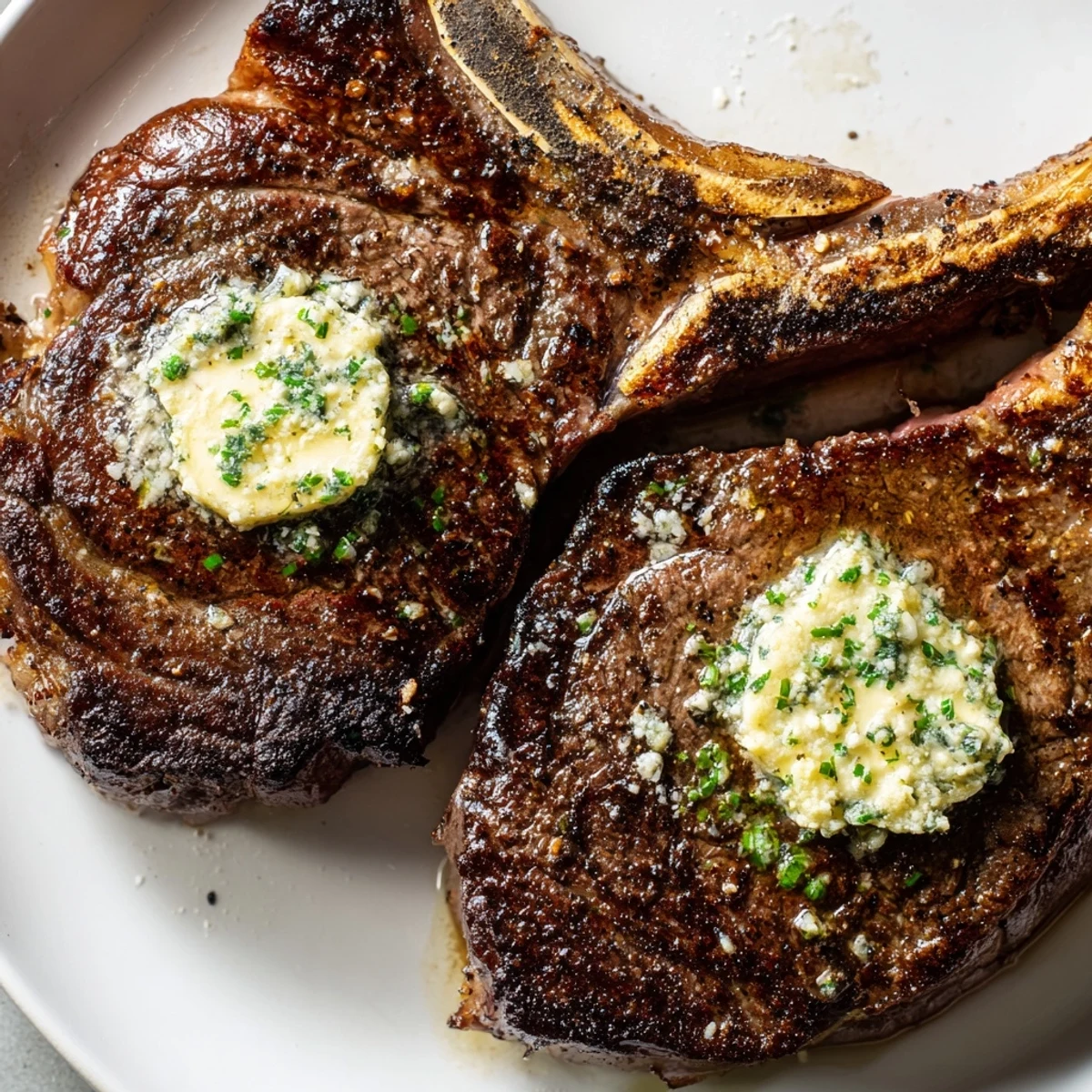
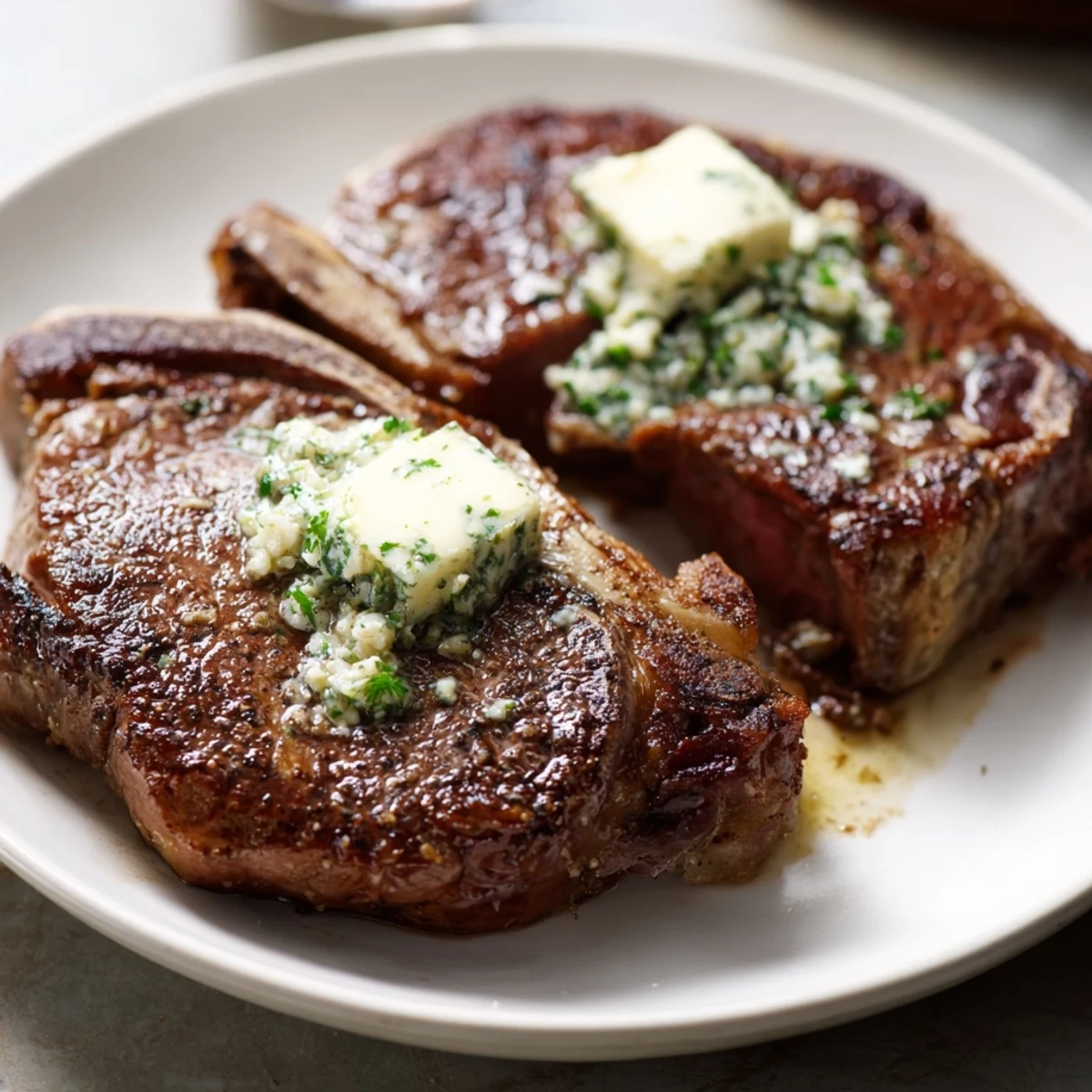
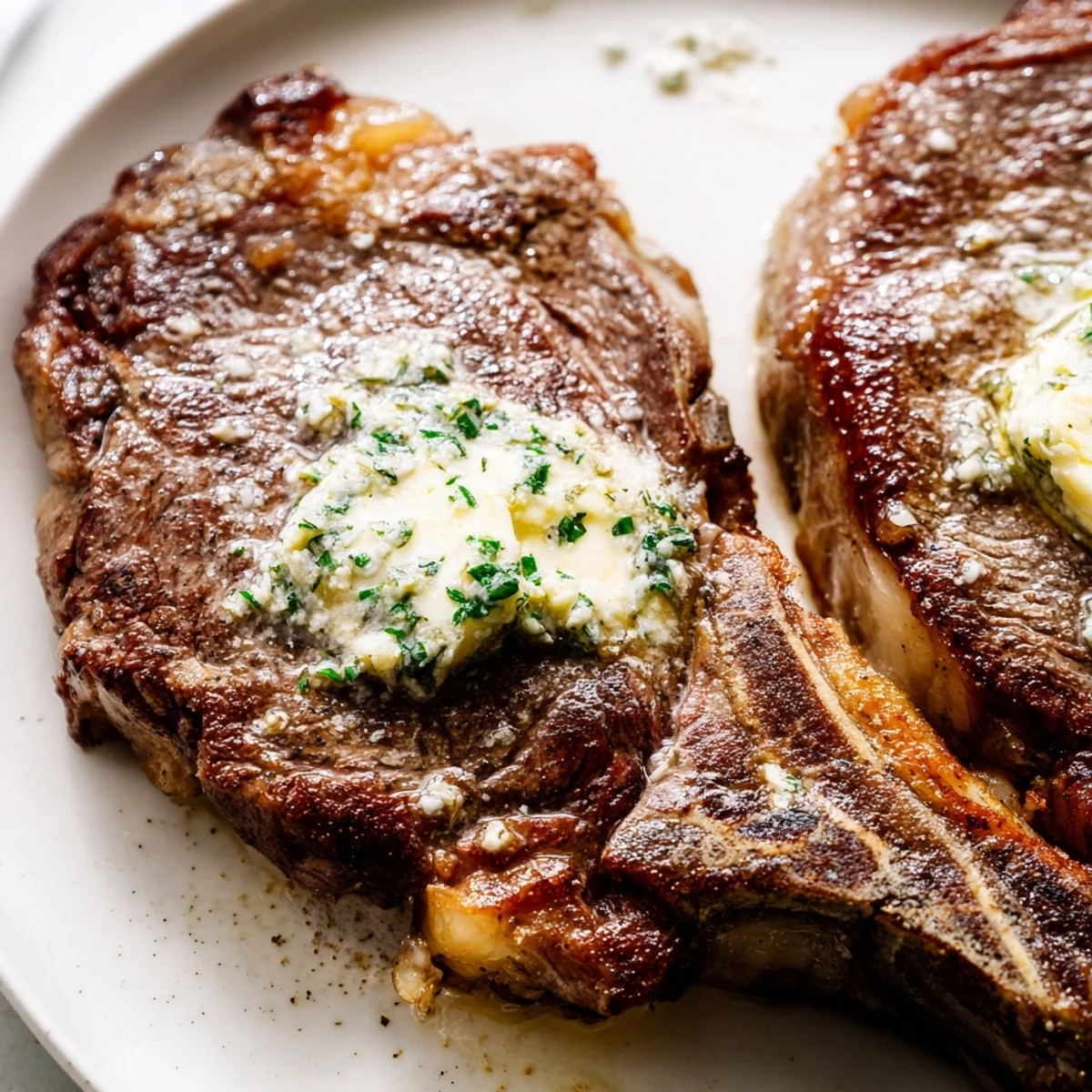
 This dish features thick ribeye steaks, seasoned simply and seared in a hot skillet to achieve a flavorful crust. A blend of softened butter mixed with minced garlic, fresh parsley, and thyme is spooned over the steaks during the final minute of cooking, enhancing the meat with rich herb notes. Resting the steak after cooking allows juices to redistribute, ensuring tenderness and juiciness with every bite. Ideal for pairing with mashed potatoes or roasted vegetables, this hearty dish embraces classic American flavors.
The skillet was already smoking when I realized I'd forgotten to take the steaks out of the fridge early enough. That first attempt taught me patience the hard way, but now I know that half hour on the counter makes all the difference. There's something almost meditative about watching a good ribeye come to room temperature, knowing what's about to happen. The sizzle when it hits that screaming hot pan never gets old.
I made this for my partner on a random Tuesday after a long day, and the look on their face when that butter started bubbling over the crust was worth every bit of effort. We didn't say much during dinner, just the occasional hum of approval between bites. Sometimes the best meals are the ones you didn't plan for.
Ingredients
- Ribeye steaks: The marbling in ribeye means built in flavor and tenderness, look for steaks about an inch thick so you get a good crust without overcooking the center.
- Kosher salt: The coarse grains stick to the meat better than table salt and season more evenly, don't be shy with it.
- Black pepper: Freshly ground makes a noticeable difference, the pre ground stuff loses its punch sitting in the cupboard.
- Unsalted butter: Softened butter mixes easily with the herbs and you control the salt level yourself.
- Garlic: Fresh minced garlic blooms in that hot butter and perfumes the whole dish, jarred stuff just won't do the same.
- Fresh parsley and thyme: Dried herbs can't match the bright grassy notes of fresh, these cut through the richness beautifully.
- Olive oil: A high smoke point oil that won't burn before the pan gets hot enough to sear properly.
Instructions
- Bring to Room Temperature:
- Pull those steaks out of the fridge and let them sit on the counter for 30 minutes, then blot them completely dry with paper towels. A dry surface is what gives you that deep brown crust.
- Season Generously:
- Sprinkle salt and pepper on both sides like you mean it, the seasoning should be visible. This is your only chance to season the inside of the meat.
- Make the Herb Butter:
- Mash together the softened butter, minced garlic, parsley, and thyme in a small bowl until everything is evenly mixed. Set it within reach of the stove.
- Heat the Skillet:
- Get your cast iron or heaviest pan ripping hot over high heat with the olive oil, wait until you see wisps of smoke. This is hotter than you think it should be, trust it.
- Sear the Steaks:
- Lay the steaks in the pan away from you to avoid splatter and leave them alone for 3 to 4 minutes per side for medium rare, flipping just once. Resist the urge to move them around.
- Add the Butter:
- In the last minute, drop the herb butter into the pan and use a spoon to baste the steaks as it melts and foams. The garlic will sizzle and everything will smell incredible.
- Rest Before Slicing:
- Move the steaks to a cutting board and let them sit untouched for 5 minutes so the juices redistribute. Cutting too soon and all that moisture runs out onto the board.
- Serve:
- Plate the steaks and spoon any remaining herb butter from the pan over the top. Serve immediately while everything is still warm.
 Pin this
 The first time I got the crust just right, I stood there with my spatula feeling like I'd unlocked some kind of secret. My friend who claimed they only liked steak well done asked for seconds that night. Food has a way of changing minds when you cook it with attention.
How to Tell When Your Steak is Done
I used to cut into every steak to check and wondered why they always seemed dry. A meat thermometer changed everything, 130°F for medium rare, 140°F for medium. The touch test works too once you've done it enough times, but there's no shame in using a thermometer until it becomes instinct.
What to Serve Alongside
This steak shines next to something creamy like mashed potatoes or something crisp like roasted asparagus. I've served it with a simple arugula salad dressed in lemon and olive oil, the peppery greens cut the richness perfectly. A glass of Cabernet Sauvignon doesn't hurt either.
Storing and Reheating
Leftovers keep in the fridge for up to three days, though they never seem to last that long in my house. Reheat gently in a low oven or slice thin and toss into a salad cold.
- Don't microwave unless you want rubber, low and slow is the only way
- Let refrigerated steak come to room temperature before reheating for even warming
- Sliced cold steak makes an excellent next day sandwich with horseradish and greens
 Pin this
 There's a quiet confidence that comes from knowing you can cook a perfect steak whenever the craving hits. Keep it simple, respect the heat, and let the meat do what it does best.
Recipe Questions & Answers
- → How do I ensure the steak is juicy?
-
Allow the steaks to rest for about 5 minutes after cooking to let the juices redistribute evenly within the meat.
- → Can I use other herbs besides parsley and thyme?
-
Yes, rosemary or sage can add aromatic depth when added to the herb butter or pan during cooking.
- → What is the best pan to use for searing steak?
-
A heavy cast iron skillet is ideal for its even heat retention and ability to create a flavorful crust.
- → How do I adjust cook time for different doneness levels?
-
For medium-rare, sear 3-4 minutes per side. Increase time slightly for medium or well done, ensuring not to overcook.
- → What sides complement this beef preparation?
-
Classic pairings include mashed potatoes, roasted vegetables, or a crisp green salad to balance the rich flavors.