
 Pin this
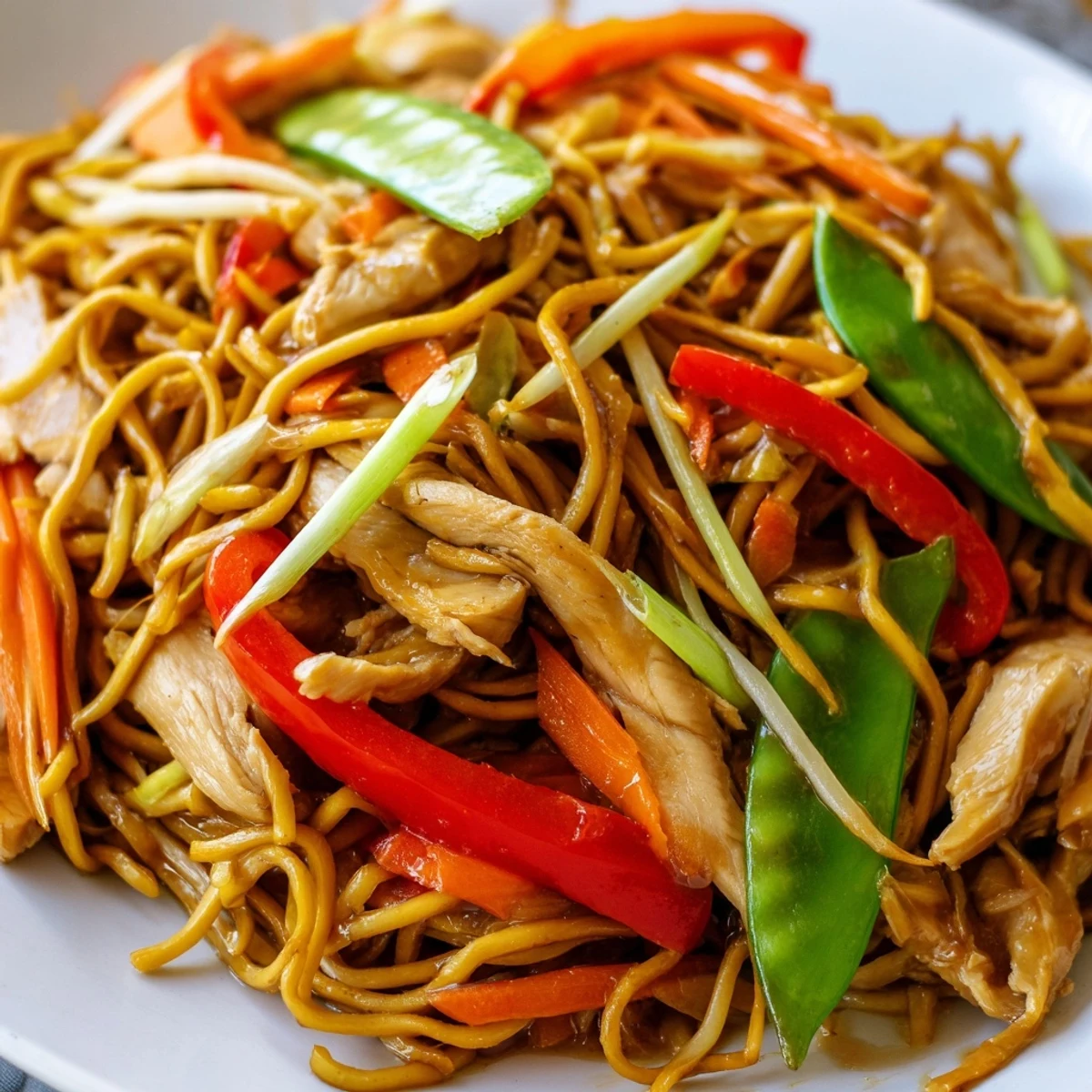
 This classic Chinese dish brings together tender chicken breast, crisp vegetables, and chewy egg noodles coated in a savory sauce of soy, oyster, and hoisin. The high-heat stir-fry technique creates perfectly cooked ingredients with authentic wok hei flavor. Ready in just 35 minutes, this versatile main dish easily adapts to your favorite vegetables or proteins while maintaining its signature taste and texture.
The first time I attempted chow mein at home, I kept calling my friend mid-stir-fry asking questions about timing and heat. We'd just finished a long hike and were both craving something savory and hot, something that would hit that perfect spot between comfort and excitement. Now whenever I make this dish, I can practically hear the sizzle of garlic hitting hot oil and remember how relieved I felt when the sauce finally coated everything just right.
Last winter my neighbor dropped by unexpectedly when I had this bubbling away on the stove. She ended up staying for dinner and we sat at the kitchen table sharing bowls, steam rising between us as the snow fell outside. Now whenever she smells sesame oil, she asks if Im making the noodles.
Ingredients
- Chicken breast: Slice it thinly against the grain so every bite stays tender and absorbs the marinade
- Cornstarch: This little trick creates a silky protective coating on the chicken that prevents it from drying out
- Egg noodles: Look for the thin variety and rinse them after cooking to stop them from getting mushy
- Bean sprouts: They add this incredible crunch that contrasts beautifully with the soft noodles
- Snow peas: Keep them bright green and barely cooked for that fresh snap in every bite
- Hoisin sauce: The secret ingredient that adds depth and a slight sweetness to balance the salty soy
Instructions
- Prep your protein:
- Toss the sliced chicken with soy sauce, cornstarch, and sesame oil, then let it hang out while you prep everything else
- Mix the sauce ahead:
- Whisk together all the sauce ingredients in a small bowl so you are not scrambling when the wok gets hot
- Get your noodles ready:
- Cook them according to the package, drain, rinse with cold water, and toss with just a touch of oil
- Sear the chicken:
- Heat half the oil in your wok over high heat until it shimmers, then stir-fry the chicken until just cooked through
- Cook the aromatics:
- Add the remaining oil and let the garlic and onion sizzle for about a minute until fragrant
- Add the harder vegetables:
- Toss in the carrot, bell pepper, and snow peas, keeping everything moving for 2-3 minutes
- Bring it all together:
- Return the chicken to the wok, add noodles, bean sprouts, spring onions, and pour over that sauce you made
- The final toss:
- Keep everything moving over high heat for 2-3 minutes until the sauce clings to every strand and the vegetables are bright
 Pin this
 My daughter now requests this for her birthday dinner every year. She's learned to chop the vegetables alongside me, and there is something special about passing down the rhythm of the wok, the way the ingredients hit the hot pan in just the right order.
Getting That Restaurant Texture
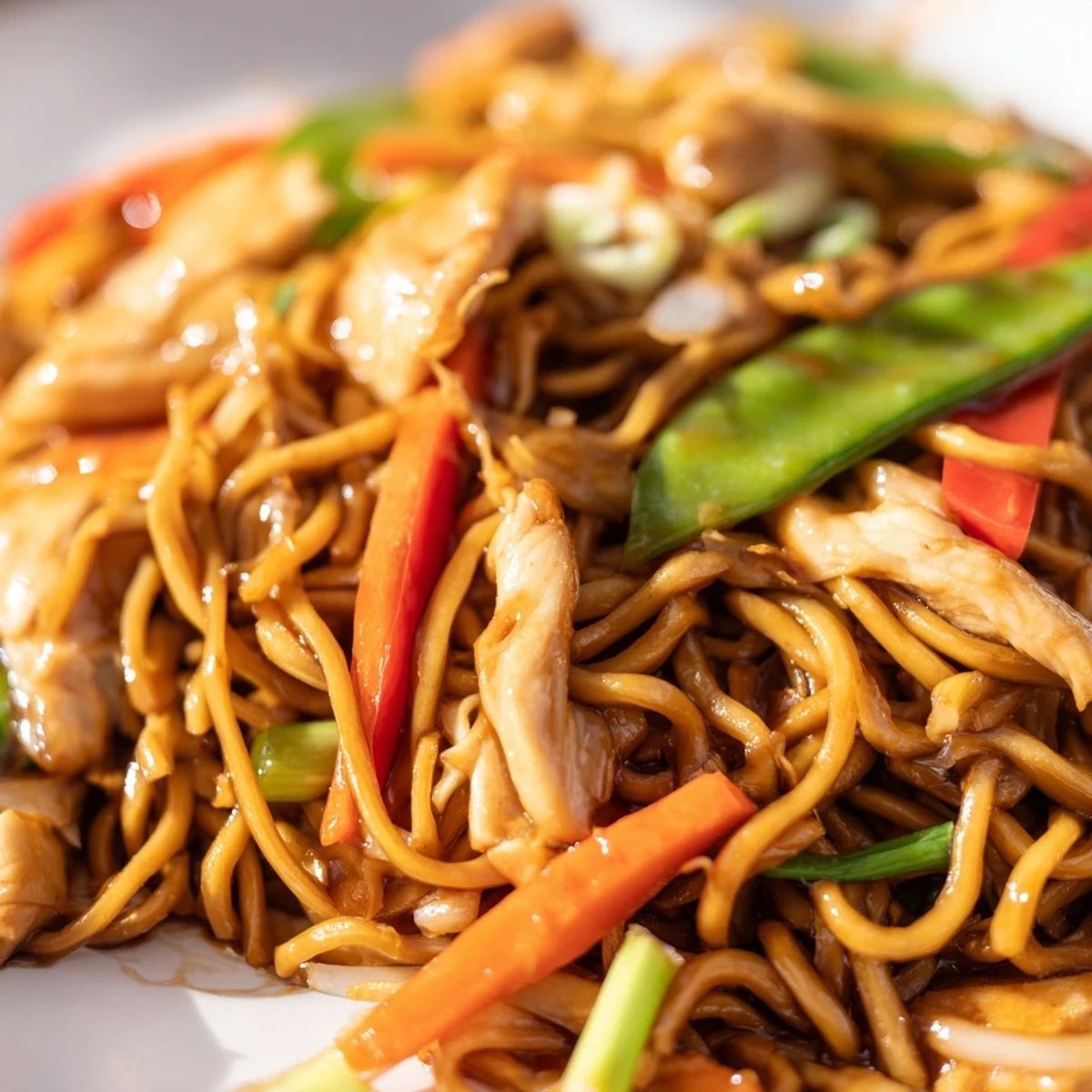
The cornstarch coating on the chicken is what makes it feel like takeout. That thin layer turns glossy and silky in the heat, protecting the meat from drying out while letting it absorb all those sauce flavors.
Noodle Wisdom
Rinsing cooked noodles under cold water shocks them into stopping the cooking process. This simple step is what prevents that gummy, clumped texture that can ruin an otherwise perfect stir-fry.
Building Your Wok Intuition
High heat can feel intimidating at first, but that sear is worth overcoming the fear. You want to hear everything sizzling and popping, smell the moment garlic turns from raw to fragrant, learn to trust your senses more than the timer.
- Keep ingredients moving in the wok to prevent scorching
- If the pan seems too dry, add a splash of water instead of more oil
- Taste and adjust seasoning before serving, that final pinch of salt matters
 Pin this
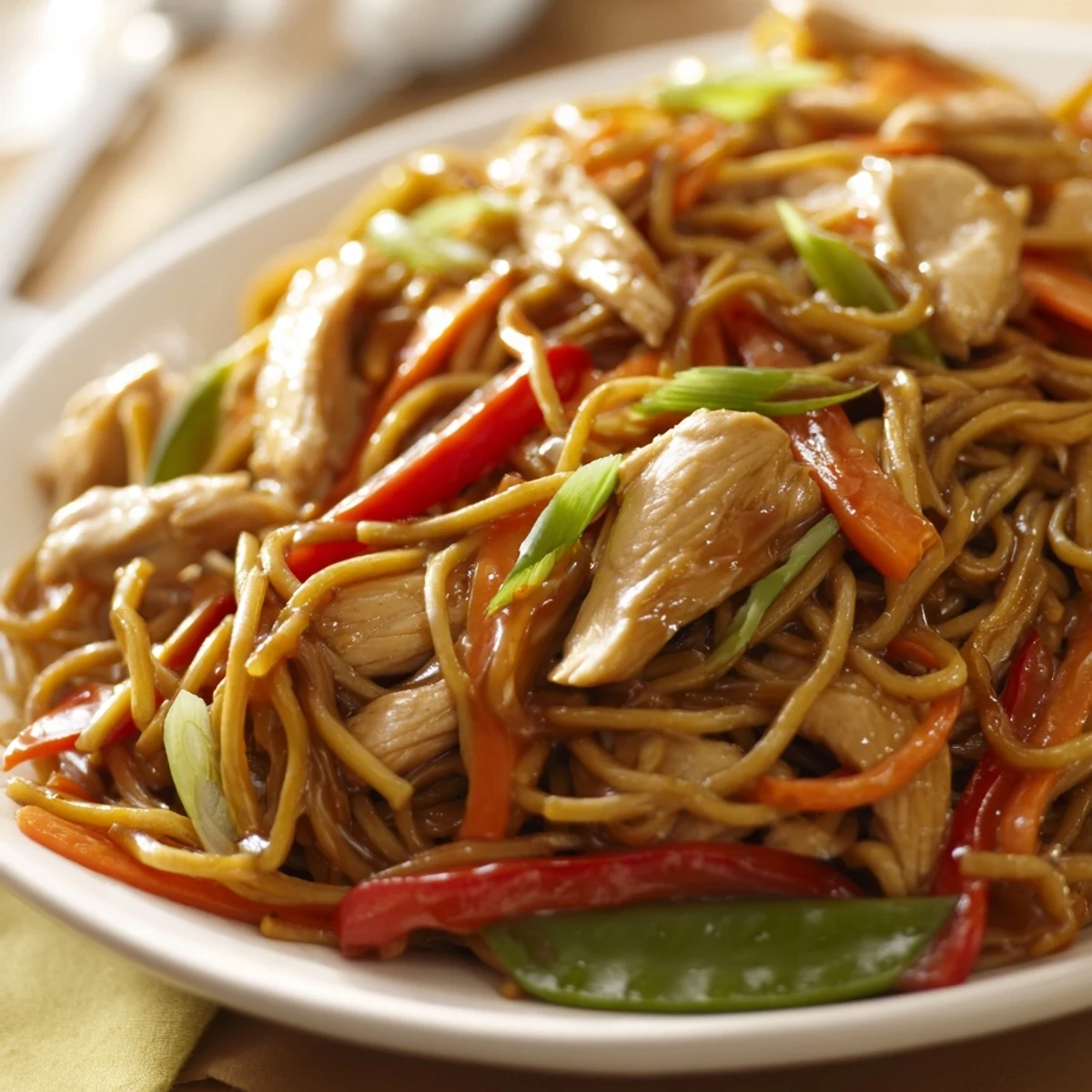
 Garnish with extra spring onions and maybe a drizzle of chili oil if you like heat. There is something deeply satisfying about a bowl of noodles that tastes even better than you remembered from your favorite restaurant.
Recipe Questions & Answers
- → What type of noodles work best for chow mein?
-
Egg noodles or traditional chow mein noodles work best. Look for thin yellow wheat noodles labeled specifically for stir-frying. Fresh or dried both work well—just cook until al dente and rinse under cold water to prevent sticking.
- → How do I prevent the chicken from becoming tough?
-
Velvet the chicken by marinating with soy sauce and cornstarch for at least 10 minutes. Stir-fry over high heat quickly—just 3-4 minutes until cooked through. Avoid overcrowding the wok, which causes steaming instead of searing.
- → Can I make this dish ahead of time?
-
Prepare all ingredients in advance, but cook fresh for best results. Leftovers keep well for 2-3 days refrigerated. Reheat in a hot wok with a splash of water to revive the noodles and redistribute the sauce.
- → What vegetables can I substitute?
-
Bok choy, mushrooms, baby corn, snap peas, or broccoli work beautifully. Aim for a mix of colors and textures. Cut vegetables uniformly for even cooking and add longer-cooking items like carrots before quick-cooking greens.
- → Is this dish gluten-free?
-
Traditional chow mein contains gluten from soy sauce and wheat noodles. Use tamari instead of soy sauce and rice noodles or gluten-free egg noodles to make it gluten-free while maintaining great flavor.
- → What gives chow mein its authentic flavor?
-
The combination of soy, oyster, and hoisin sauces creates depth. High-heat stir-frying develops caramelization and wok hei. White pepper and sesame oil add aromatic complexity while the balance of salty and sweet notes rounds out the sauce.