
 Pin this
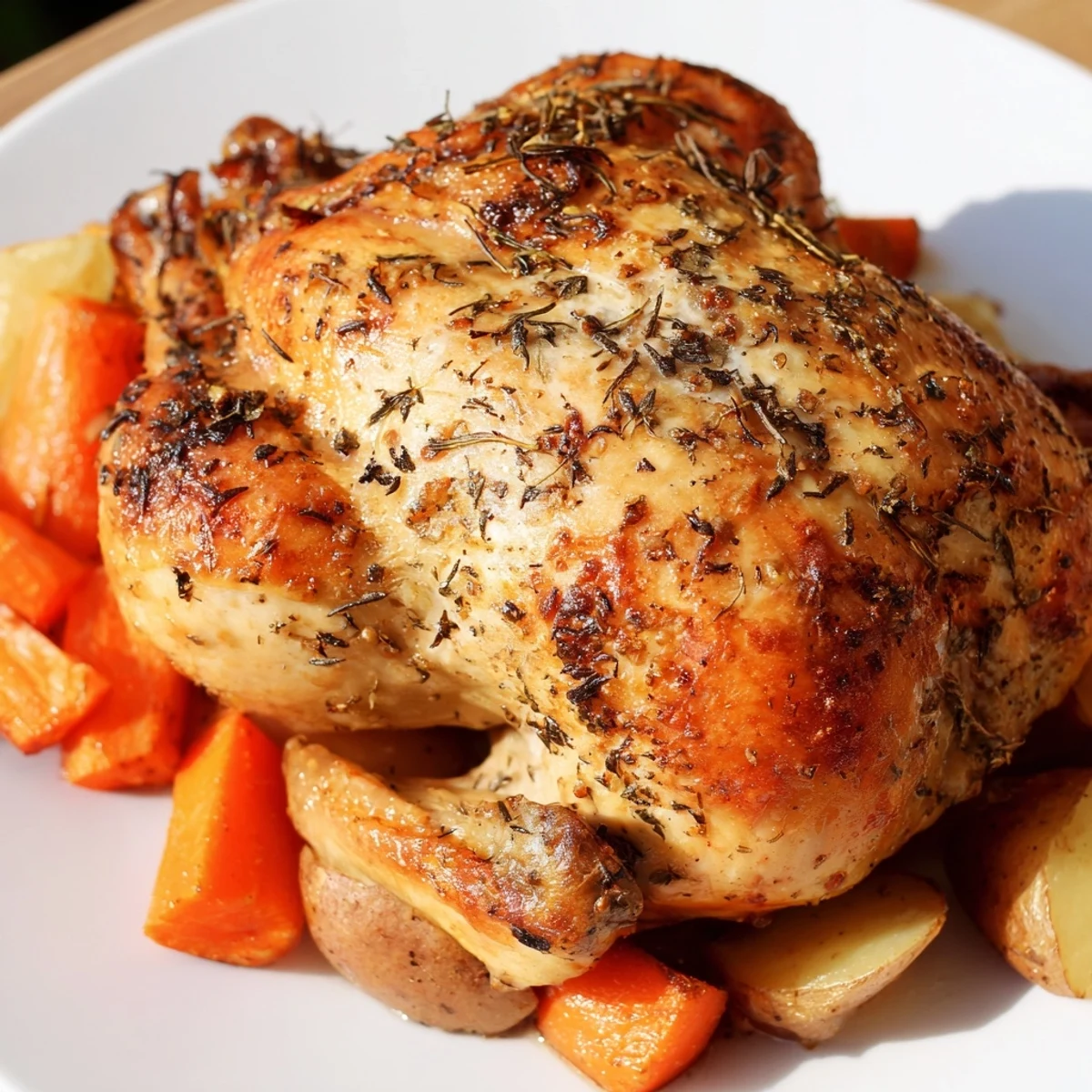
 This comforting dish features a whole chicken seasoned with thyme, rosemary, and garlic, roasted to juicy perfection alongside a mix of carrots, potatoes, onions, and celery. The vegetables soak up flavorful pan juices, creating a hearty and satisfying meal.
Preparation involves rubbing the bird with olive oil and herbs, stuffing it with lemon and garlic, and roasting it in a hot oven until tender and golden. Optional white wine or broth adds moisture and depth to the vegetables. Resting the meat before serving ensures juicy slices perfect for sharing.
My sister called me panicked on a Sunday afternoon, saying she'd volunteered to bring dinner for eight people and had exactly ninety minutes to make it happen. I walked her through roasting a whole chicken with vegetables, and watching her confidence grow as the kitchen filled with that unmistakable golden-brown aroma was its own kind of magic. That meal became her signature move, and now whenever I make it, I think about how something so simple could feel like such a victory.
The first time I did this properly, I was at my grandmother's kitchen table watching her pat a chicken completely dry before seasoning it, moving with the kind of certainty that comes from doing something a thousand times. She didn't measure anything, just tasted the air and nodded. I've since learned that dry skin is the entire difference between chicken that steams and chicken that actually roasts, and I think about her hands every time.
Ingredients
- Whole chicken (about 1.5 kg/3.3 lbs): The quality of your bird matters more than any technique; look for one that feels substantial and has that pale, unblemished skin.
- Olive oil: Just enough to coat the skin and help it brown, nothing fancy needed here.
- Lemon and garlic: These go inside the cavity and perfume the meat from the center outward while it roasts.
- Kosher salt and black pepper: Season generously both inside and out; don't be shy.
- Dried thyme and rosemary: Fresh herbs are lovely if you have them, but dried work beautifully and won't scatter during roasting.
- Carrots, potatoes, onions, and celery: These aren't just sides; they're the foundation that catches all the drippings and becomes caramelized gold.
- White wine or chicken broth (optional): A splash adds moisture and depth, though water works in a pinch.
Instructions
- Get your oven ready and your chicken ready:
- Preheat to 200°C (400°F). Pat your chicken completely dry with paper towels, which sounds tedious but is the secret to crispy skin; any moisture clinging to it will turn to steam and ruin everything.
- Season inside and out:
- Rub the skin with olive oil until it glistens, then season generously with salt, pepper, thyme, and rosemary, working some under the skin if you can without tearing it. Salt the cavity too.
- Stuff the cavity:
- Wedge the lemon halves and smashed garlic cloves inside; they'll steam the meat as it roasts and release their oils throughout.
- Build your vegetable base:
- Scatter carrots, potatoes, onions, and celery across the bottom of your roasting pan in a loose layer; they don't need to be perfect, just there to catch the drippings and support the chicken.
- Position the bird:
- Place the chicken breast side up directly on the vegetables, which will hold it steady and keep the delicate thighs from drying out while the breast gets color.
- Optional moisture boost:
- Pour white wine or broth around (not over) the vegetables if you want that extra layer of flavor.
- Roast and trust the timing:
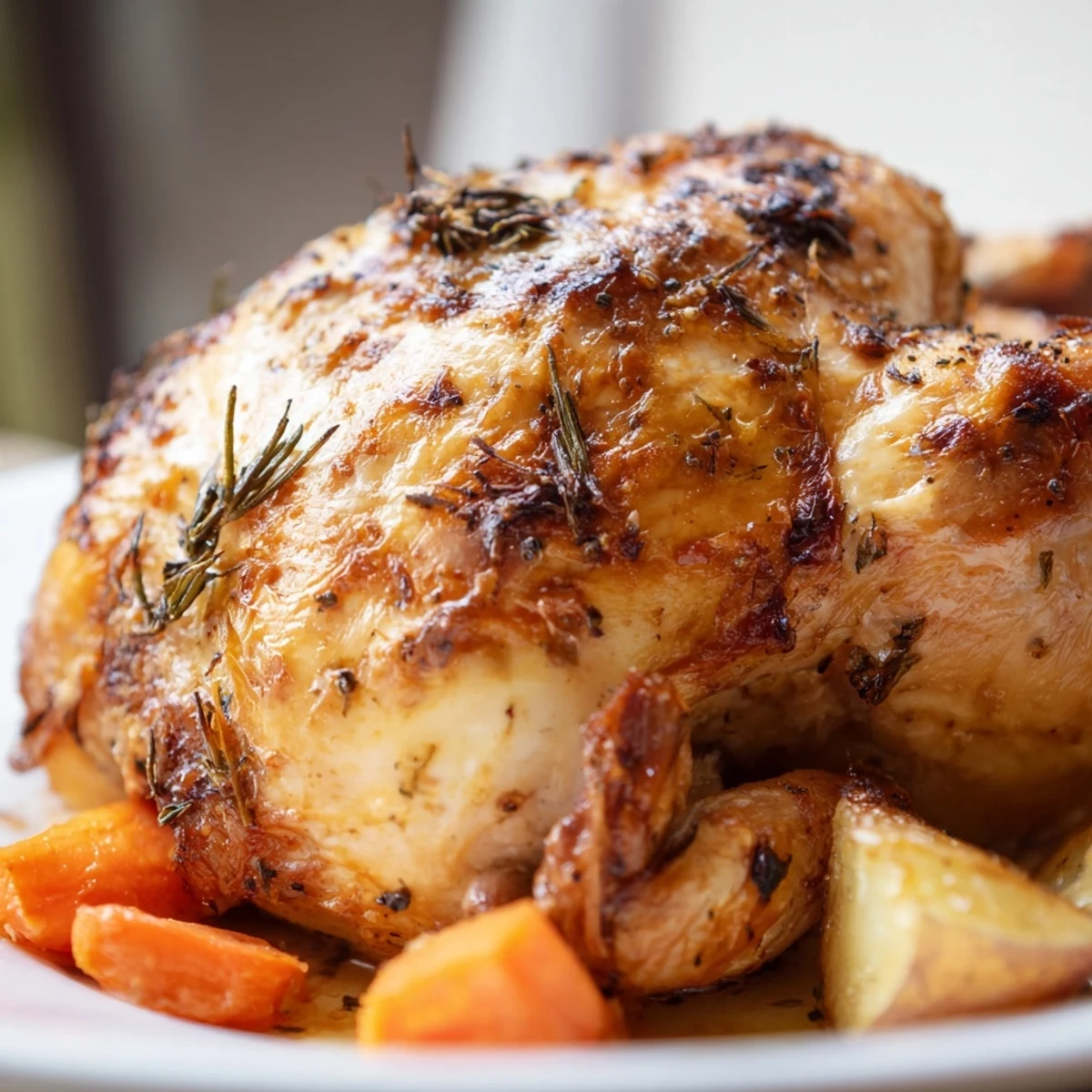
- Roast uncovered for 1 hour 20 minutes, until the juices run clear from the thigh when you pierce it with a knife or a thermometer reads 75°C (165°F). If you want extra-crispy skin, baste with pan juices halfway through, but don't feel obligated.
- Rest before carving:
- Let the chicken sit for 10 minutes after it comes out; this keeps the meat tender and juicy when you carve.
 Pin this
 I once served this to someone who said they didn't eat chicken because they found it boring, and watching them understand what actually good roasted chicken tastes like changed something in the room. They came back and asked for the recipe, and I realized this dish isn't about being fancy; it's about proving that simple food made with care tastes like love.
The Magic of the Pan Drippings
The liquid at the bottom of your roasting pan is liquid gold and shouldn't be thrown away. All those browned bits and chicken fat mingling with vegetable juices create something that tastes infinitely better than any gravy from a packet. Spoon it over the carved chicken and vegetables; it's the punctuation mark that ties everything together.
Variations Worth Trying
Sweet potatoes roasted alongside regular potatoes add a honeyed sweetness that plays beautifully against the herbs. Parsnips bring an earthy, subtle warmth. Some people add whole garlic cloves to the vegetable mix for a milder roasted garlic situation. You can also nestle fresh herbs directly into the pan instead of just seasoning the skin, which scents everything as it cooks.
Serving and Storage
Serve this family-style, right from the pan if you're feeling casual, or plated if you want it to look more formal. A fresh green salad and crusty bread are the only additions you really need. Leftover chicken shreds beautifully for sandwiches or salads the next day, and the bones make a broth that tastes like comfort in a cup.
- Leftover roasted chicken keeps in the fridge for three days and freezes beautifully for up to three months.
- If you have extra vegetables, they're perfect cold in a salad the next day or reheated gently on the stovetop.
- Save those bones and vegetable scraps for stock; you're wasting money if you don't.
 Pin this
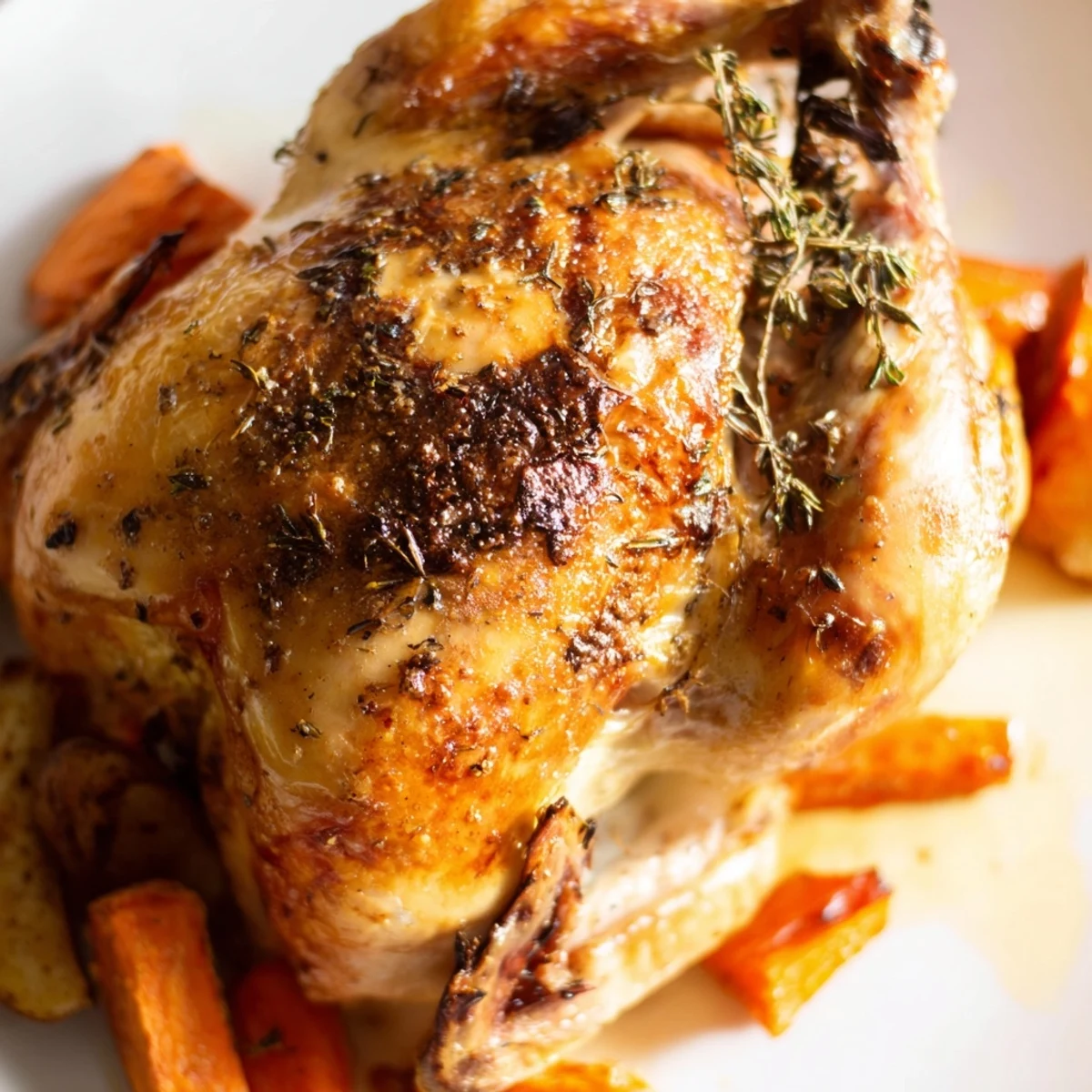
 This is the kind of dinner that feeds both hunger and something quieter, the kind of meal that makes people linger at the table longer than they meant to. It's proof that you don't need complicated techniques or exotic ingredients to create something that feels like care.