
 Pin this
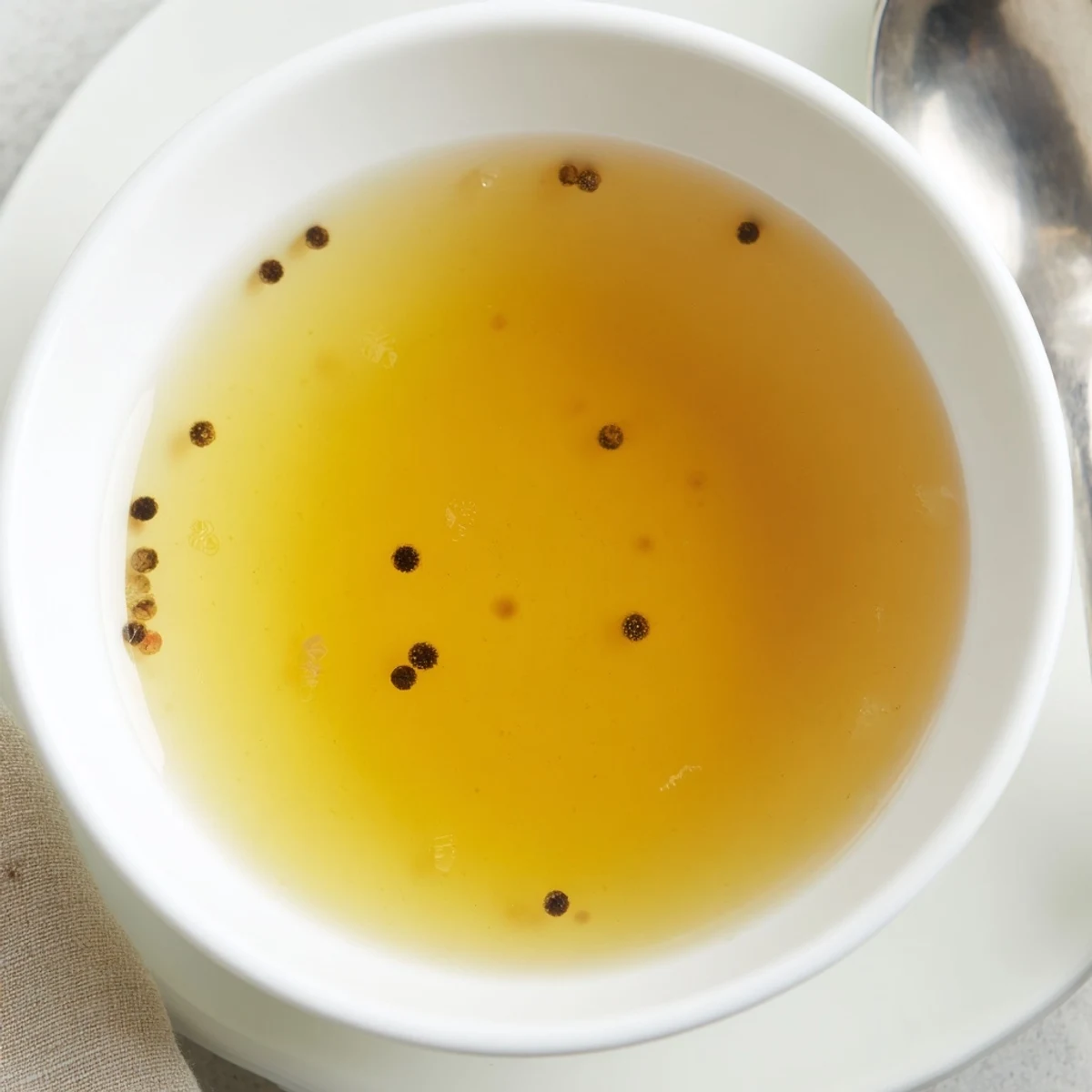
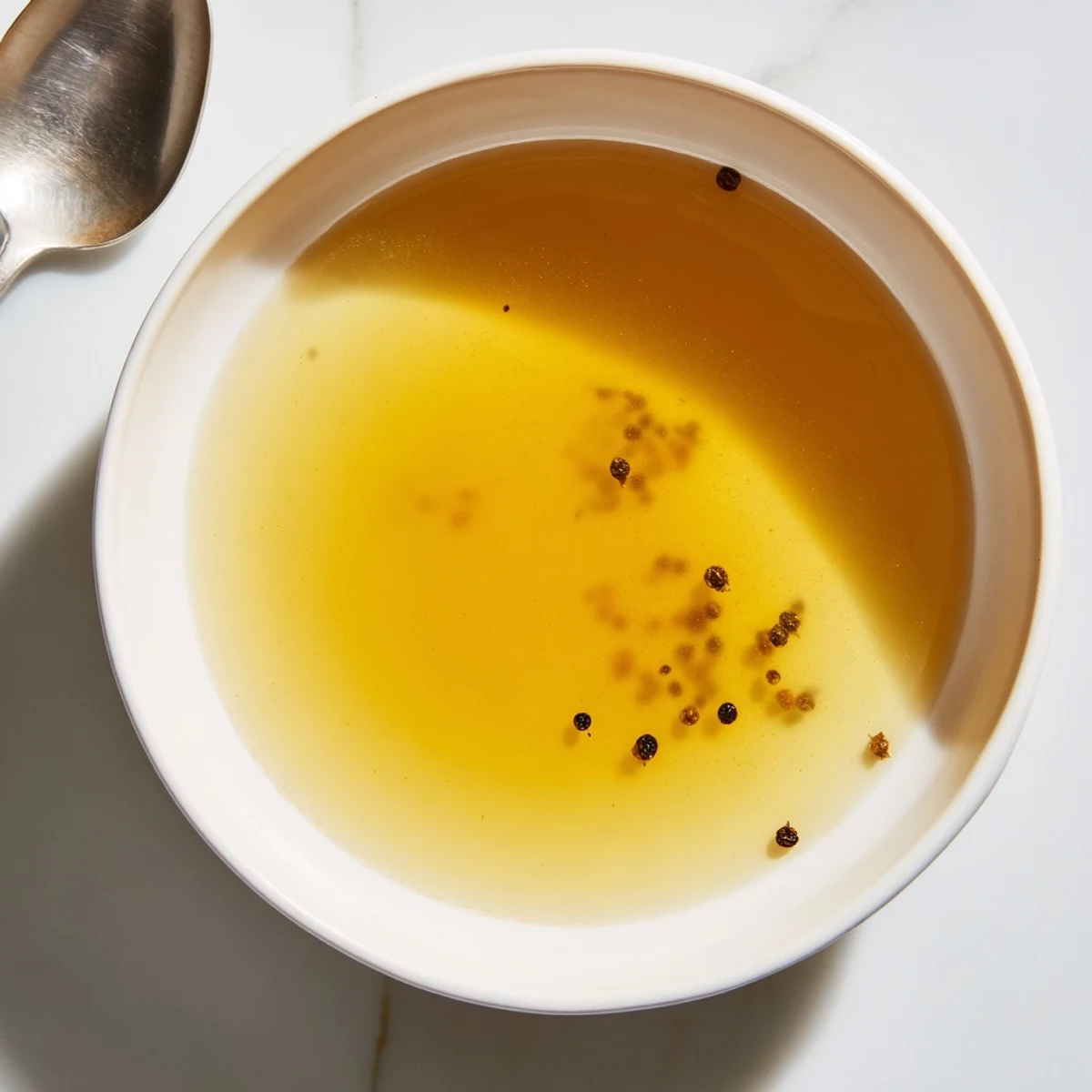
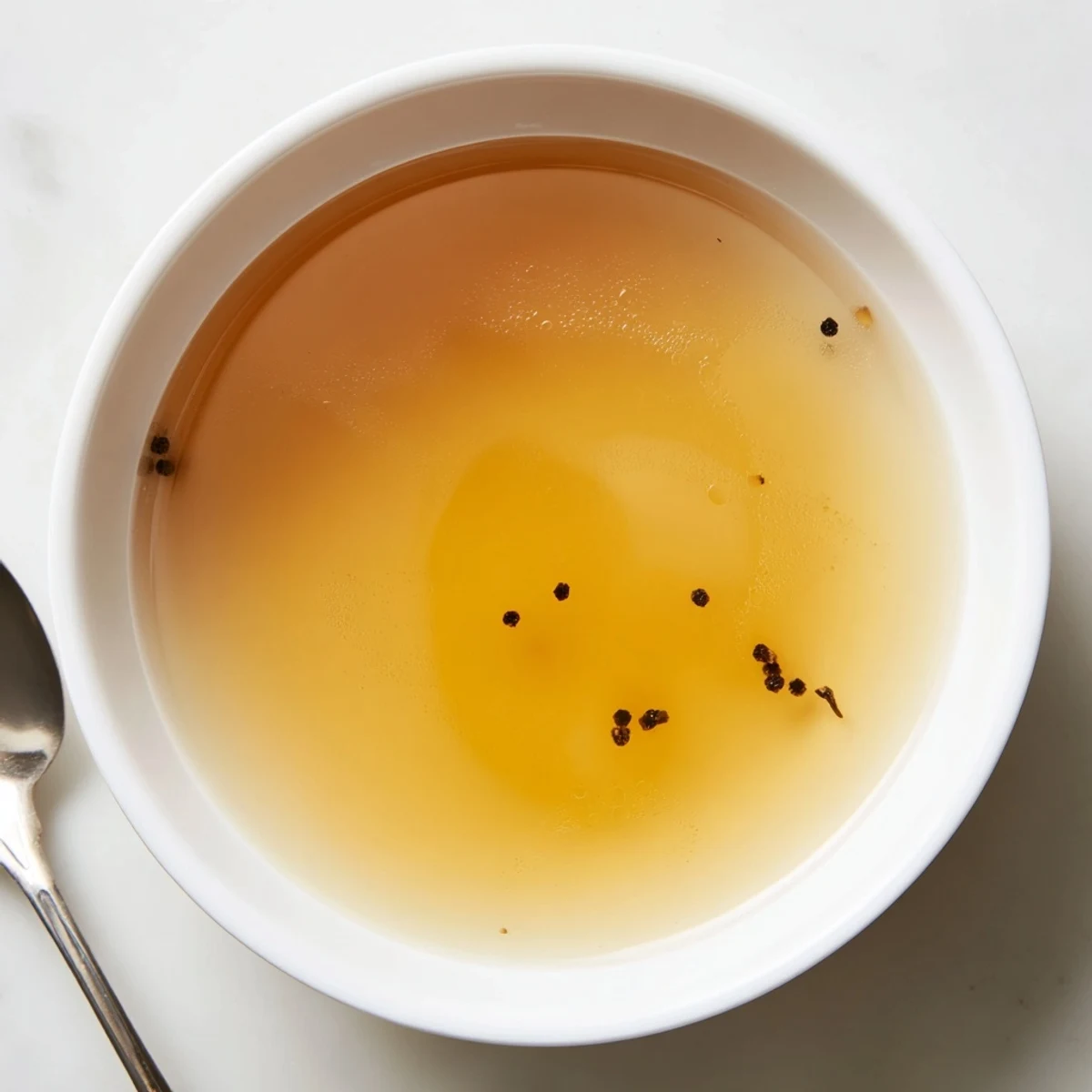
 This rich beef base is crafted by roasting marrow and knuckle bones before a slow simmer with aromatic vegetables and herbs. The process extracts deep flavors essential for elevating soups, stews, and sauces. Roasting ensures a caramelized, dark stock while gentle simmering preserves clarity and depth. Skimming off impurities results in a clean, savory broth full of umami and body. Ideal for gluten-free cooking and adaptable by adding optional aromatics like leeks or mushrooms for complexity.
Preparation involves roasting bones and vegetables to deepen flavor, combining with spices such as thyme, bay leaves, and peppercorns, then simmering for four hours. Straining ensures a clear finish, ready to enrich any dish as a robust culinary foundation.
The first time I understood that stock wasn't just a byproduct but the foundation of everything came on a gray Sunday afternoon when my mentor handed me bones and said, "This is where flavor lives." I watched the roasting pan gradually transform from pale pink to deep mahogany brown, the kitchen filling with a smell so savory it felt like an embrace. That afternoon taught me that beef stock is patience made edible, and once you master it, you unlock entire worlds of depth in your cooking.
I remember the winter I started freezing stock in ice cube trays, tucking them into the freezer like tiny flavor treasures. My partner would pull one out on a random Tuesday night and ask what made the pasta sauce taste so much better, and I'd just smile knowing it was these hours of slow cooking catching up to us. That's when cooking stopped feeling like following instructions and started feeling like building something real.
Ingredients
- Beef bones (1.5 kg): Marrow and knuckle bones are your best friends here—they release collagen that transforms into gelatin, giving your stock that silky mouthfeel and body that thin broths could never achieve.
- Beef shank or oxtail (500 g, optional): This adds meaty depth and extra richness; don't skip it if you can find it, but honest beef bones alone will still get you somewhere wonderful.
- Onions (2 large, quartered): Don't peel them—those papery skins add color and subtle sweetness that makes the whole thing sing.
- Carrots (2, chopped): They contribute natural sweetness and body; leaving them unpeeled keeps more nutrients and flavor in your pot.
- Celery (2 stalks, chopped): The quiet backbone of any good stock, adding herbaceous complexity without shouting.
- Leek (1, cleaned and chopped): Optional but worth it; the white and light green parts bring an oniony refinement that regular onions can't quite match.
- Garlic (1 head, halved): Halving it rather than mincing keeps the cloves from disintegrating and turning the stock bitter, while still releasing their warm, mellow flavor.
- Bay leaves (2): These little flavor architects quietly tie everything together with a subtle earthiness.
- Black peppercorns (8): Whole peppercorns stay gentle; ground pepper would cloud your stock and taste sharp.
- Fresh thyme (4 sprigs): If using dried, 1 teaspoon is plenty—fresh feels like you're cooking in Provence, even if you're not.
- Fresh parsley (4 sprigs): It adds brightness and a subtle floral note that deepens as the hours pass.
- Whole cloves (2): A whisper of warmth and complexity; resist the urge to add more or they'll dominate everything.
- Tomato paste (2 tbsp): The secret ingredient that adds umami and caramelized depth without tasting overtly tomato-like.
- Cold water (2.5 liters): Start cold so the stock extracts slowly and stays clear and clean.
- Vegetable oil (1 tbsp): Just enough to help everything caramelize without making it greasy.
- Salt: Always add this at the very end, after tasting, so you have perfect control.
Instructions
- Roast the bones until golden:
- Preheat your oven to 220°C (425°F) and lay the beef bones and optional shank on a roasting pan in a single layer. Roast for 30–40 minutes, turning them halfway through, until they're deeply browned—almost mahogany. You'll know they're ready when the kitchen smells impossibly rich and savory.
- Transfer and deglaze:
- Move the roasted bones to your largest stockpot and discard any excess fat from the roasting pan. Pour in just a splash of water, scrape up all those caramelized brown bits clinging to the bottom (that's pure flavor), and add this precious liquid to the pot with your bones.
- Roast the vegetables until caramelized:
- Toss your onions, carrots, celery, and leek with the tomato paste and vegetable oil in the same roasting pan. Return to the oven for 15–20 minutes, stirring once, until they're soft and dark brown at the edges. This caramelization is where the stock's depth comes from.
- Combine everything in the pot:
- Add the roasted vegetables to the pot with the bones, then add the garlic, bay leaves, peppercorns, thyme, parsley, and cloves. Pour in your cold water until everything is just covered—don't overdo it or your stock will taste diluted.
- Bring to a gentle simmer:
- Set the heat to medium and let the liquid slowly climb toward a simmer; this should take about 15–20 minutes. Once small bubbles start breaking the surface, reduce the heat to low.
- Simmer low and slow for 4 hours:
- Keep the stock at the barest simmer—you want just the occasional bubble, not an active boil. As it cooks, skim off any grayish scum that floats to the top every 30 minutes or so; this keeps your stock clear and clean-tasting.
- Strain everything out:
- After 4 hours, carefully pour the stock through a fine-mesh sieve or cheesecloth into a clean pot or large bowl. Discard all the solids—bones, vegetables, everything. This is the moment when you see exactly how much liquid gold you've created.
- Cool and store:
- Let it cool to room temperature, then refrigerate. Once chilled, a layer of fat will solidify on top—skim this off before using unless you want that richness in your recipe.
- Taste and season:
- Before using, heat a small amount and taste it, adding salt gradually until it feels perfectly seasoned. Remember that salt will concentrate slightly as you use the stock in other recipes.
 Pin this
 There was a night when I served a simple beef soup made with my own stock to someone I was trying to impress, and they paused mid-spoonful and asked what restaurant I'd gotten it from. I'd made it myself, I said, trying not to beam, but what I really meant was that I'd finally understood the quiet power of taking time with something simple. That's what stock teaches you—that patience and attention transform the ordinary into something unforgettable.
Storage and Longevity
Once chilled, your stock will keep in the refrigerator for up to 3 days, though the flavor holds firm. If you freeze it, it'll stay perfect for 3 months—I always freeze it in portions because pulling out exactly what I need feels smart and efficient. Some of my best weeknight dinners started with a container of frozen stock that I'd made months earlier, patient and ready.
Flavor Variations to Explore
Once you master the classic version, this is your canvas. Add parsnip for subtle sweetness and earthiness, or mushrooms for an almost meaty deepness that makes vegetarians swoon. I've added star anise for an unexpected warmth, roasted coriander seeds for brightness, or a small splash of red wine for a subtle depth that doesn't taste wine-forward.
Why This Matters
A great stock is the difference between cooking and really cooking—it's the layer of care that elevates everything it touches. Having it on hand means you can build depth into a quick dinner without hours of work. It's also your gateway to understanding French technique and why classical cooking still matters today.
- Make it once, freeze it, and you'll find yourself reaching for it constantly—it becomes the secret ingredient in everything from risotto to gravy.
- The bones are what matter; save them from roasted chickens, beef cuts, and special dinners, building a collection until you have enough for a proper stock day.
- If your stock doesn't gel when cold, you didn't extract enough collagen; add more bones or simmer slightly longer next time, and don't worry—it still tastes wonderful.
 Pin this
 Making stock is one of those quiet kitchen moments that teaches you patience and care pay off. Once you taste the difference in your own cooking, you'll never look at it as just a chore again.
Recipe Questions & Answers
- → How does roasting bones affect the flavor?
-
Roasting caramelizes the bones and vegetables, adding a deeper, richer flavor and darker color to the stock, essential for complexity.
- → What is the best simmering technique for clarity?
-
Keeping the stock at a gentle simmer prevents cloudiness and maintains a clean, clear broth by minimizing agitation.
- → Can additional ingredients enhance the base?
-
Adding items like leeks, parsnips, or mushrooms introduces varied flavor notes, providing a more layered and complex stock.
- → How is excess fat removed effectively?
-
Skimming fat during simmering and after cooling ensures a balanced texture without greasiness.
- → What storage methods preserve freshness?
-
Refrigerate up to 3 days or freeze up to 3 months to maintain quality and flavor integrity for future use.