
 Pin this
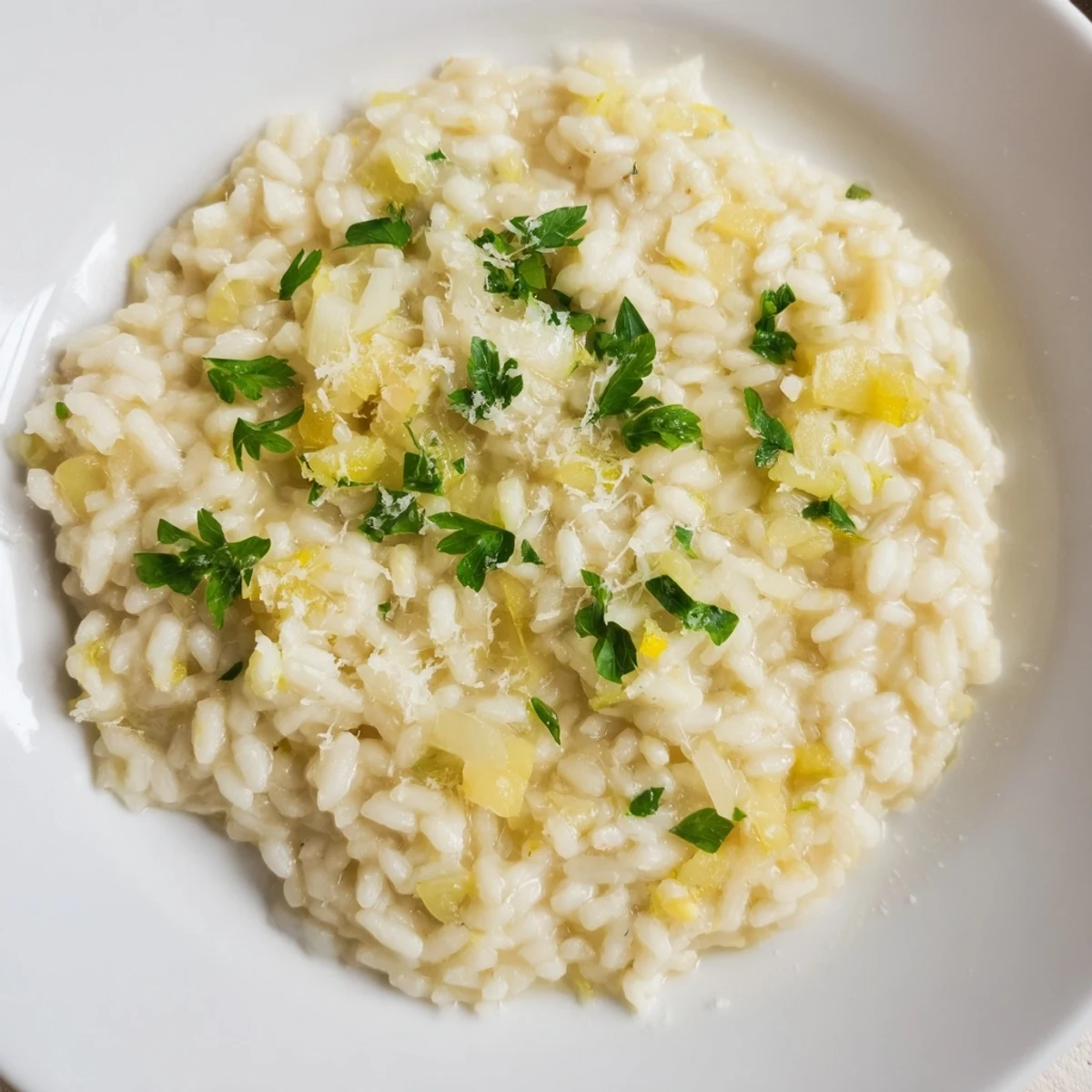
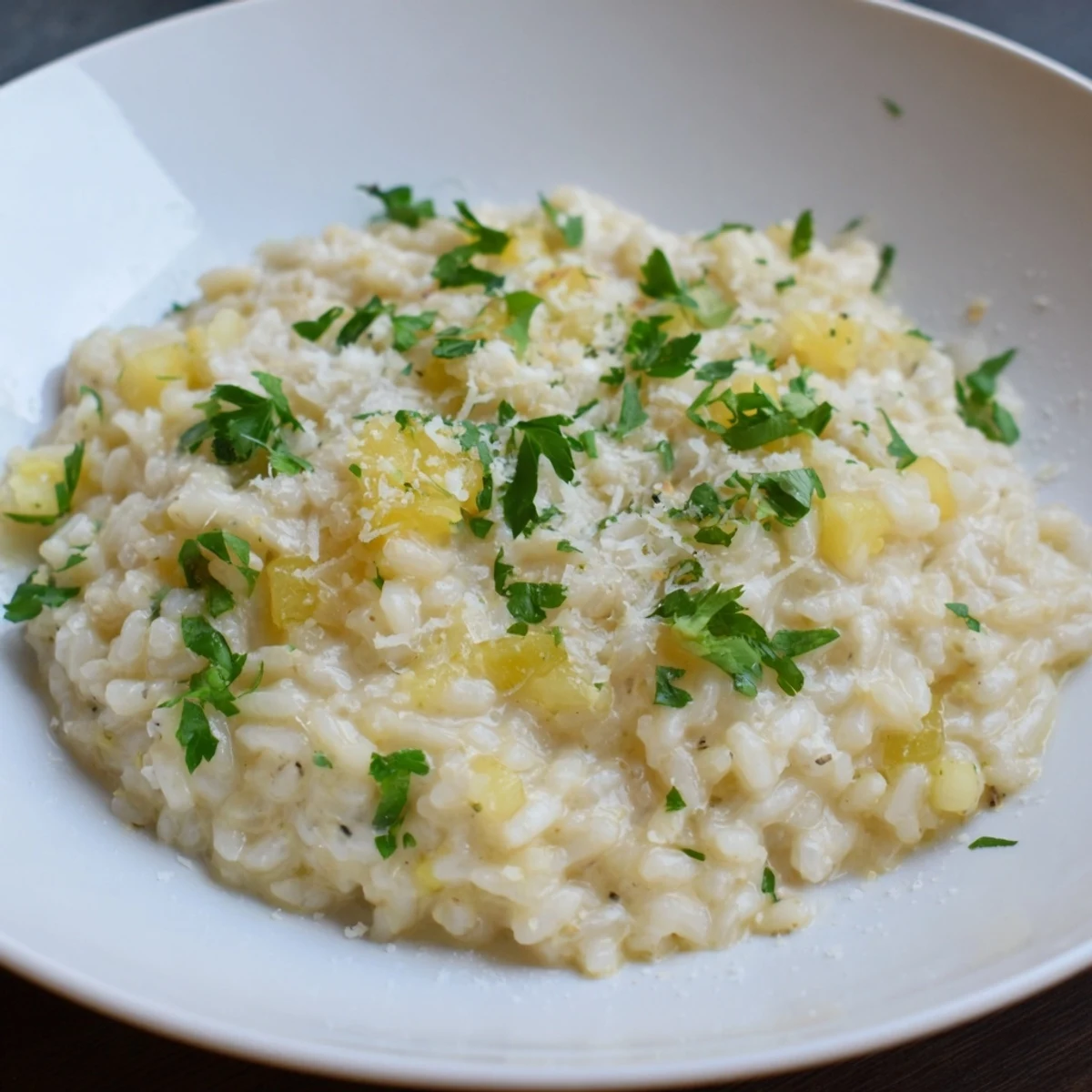
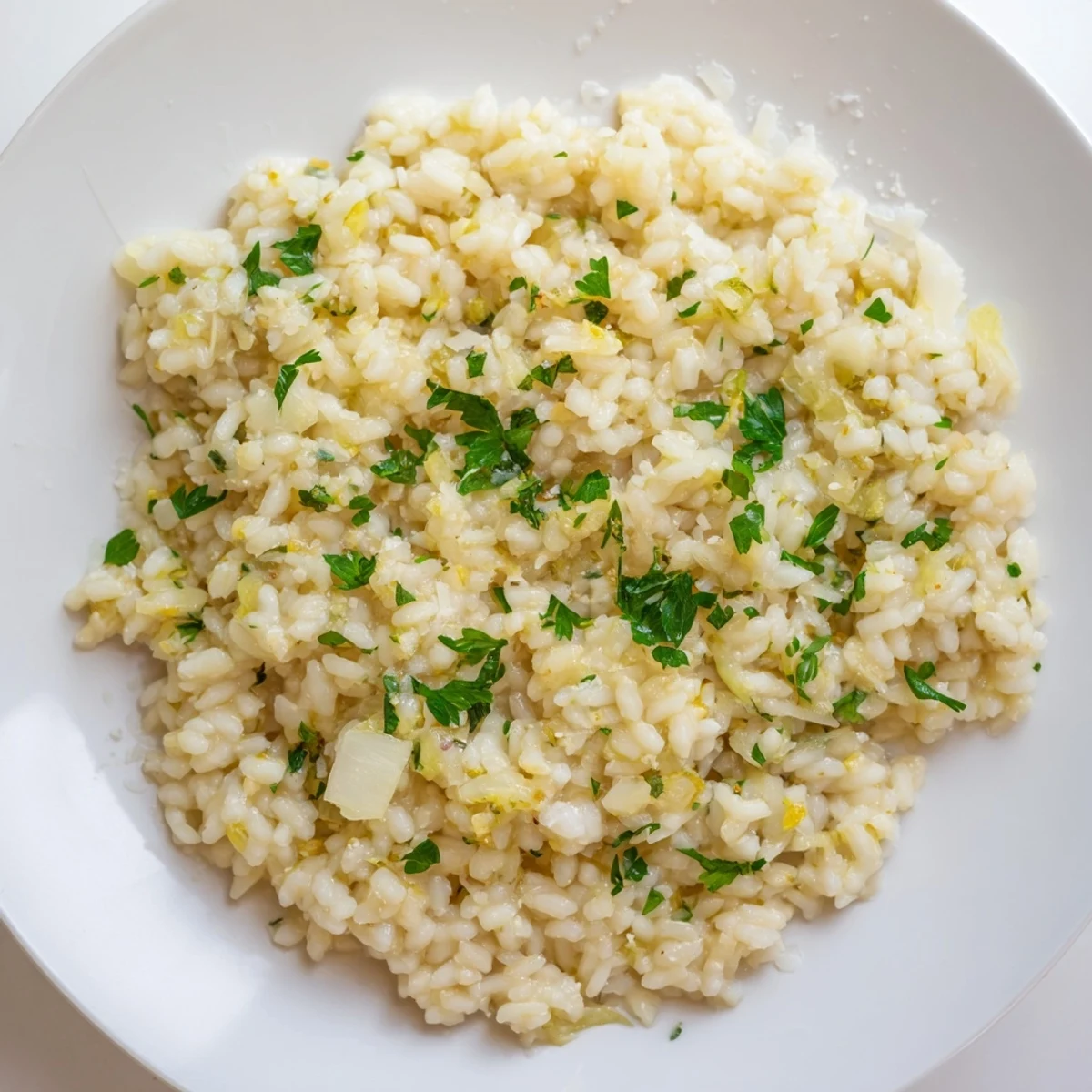
 This creamy Italian risotto harmonizes Arborio rice cooked slowly in vegetable broth and white wine, stirred until perfectly tender and rich. Finished with freshly grated Parmesan and butter, it offers a smooth, luscious texture balanced by savory aromatics like garlic and onion. Simple to prepare yet elegant in flavor, it can be served as a comforting main or an elevated side. Garnished with fresh parsley and extra cheese, variations like mushrooms or asparagus add versatility to this timeless dish.
I was standing at the stove one rainy Tuesday, watching my roommate stir a pot of rice with the kind of focus usually reserved for exams. She refused to leave it alone, kept adding broth bit by bit, and twenty minutes later I understood why people called risotto meditation. The creamy, silky texture that emerged from that constant attention felt like a small miracle, and I've been hooked ever since.
The first time I made this for my parents, my dad kept going back for seconds, scraping the pot clean with a wooden spoon. He said it reminded him of a little trattoria in Rome he visited decades ago, where the chef refused to serve risotto to anyone in a hurry. I realized then that this dish isn't just about feeding people, it's about slowing down and paying attention.
Ingredients
- Arborio rice: The short, starchy grains release their creaminess as you stir, which is the whole secret to risotto. Don't substitute with long-grain rice or you'll lose that signature texture.
- Vegetable broth: Keeping it warm on the stove means the rice cooks evenly without shocking it with cold liquid. I learned this after one sad, crunchy batch.
- Unsalted butter and olive oil: The combo gives you richness from the butter and a silky base from the oil. Using both prevents the butter from burning too quickly.
- Yellow onion and garlic: These build the aromatic foundation. Finely chopping the onion ensures it melts into the background rather than stealing the spotlight.
- Dry white wine: A splash adds brightness and acidity that balances the butter and cheese. I usually pour myself a glass too, just to keep things fair.
- Parmesan cheese: Freshly grated is non-negotiable. The pre-shredded stuff has anti-caking agents that make the risotto grainy instead of silky.
- Salt and black pepper: Season at the end so you can taste and adjust. The broth and cheese both add saltiness, so go easy at first.
- Fresh parsley: A handful of green at the end makes it look alive and adds a hint of freshness to cut through the richness.
Instructions
- Warm the broth:
- Pour the vegetable broth into a saucepan and set it over low heat. You want it to stay just below a simmer so each addition to the rice keeps the cooking tempo steady.
- Start the base:
- Melt the butter with olive oil in a large skillet over medium heat. Add the chopped onion and let it soften until it turns translucent and smells sweet, then toss in the garlic for just a minute until it perfumes the kitchen.
- Toast the rice:
- Stir in the Arborio rice and keep it moving for about two minutes. You'll see the edges of each grain turn glassy and hear a faint crackling sound as the starches wake up.
- Deglaze with wine:
- Pour in the white wine and stir until the rice absorbs most of it. The alcohol will cook off quickly, leaving behind a bright, fruity undertone.
- Add broth gradually:
- Ladle in half a cup of warm broth at a time, stirring frequently and waiting until it's mostly absorbed before adding more. This slow, patient process coaxes out the creaminess hidden inside each grain.
- Finish with cheese and butter:
- Once the rice is tender but still has a slight bite, remove the pan from heat. Stir in the Parmesan and remaining butter until everything melts into a glossy, luxurious puddle, then season with salt and pepper.
- Serve immediately:
- Spoon the risotto into warm bowls and top with a sprinkle of parsley and extra Parmesan. It waits for no one, so gather everyone before you plate it up.
 Pin this
 One winter evening, I made this for a friend who'd just moved across the country and was feeling untethered. We sat at my tiny kitchen table with bowls of risotto and a bottle of wine, and she told me later that it was the first meal in weeks that made her new apartment feel like home. Sometimes comfort isn't about the recipe, it's about the moment you choose to share it.
Making It Your Own
Once you've nailed the basic technique, risotto becomes a canvas. I've stirred in sautéed mushrooms and thyme when I wanted something earthy, tossed in bright green peas and lemon zest for spring, and even folded in roasted butternut squash with sage when autumn rolled around. The method stays the same, but the mood shifts with whatever you have on hand or whatever the season inspires.
Storing and Reheating
Risotto is best eaten fresh, but leftovers can be gently reheated with a splash of broth or water in a skillet over low heat, stirring until it loosens up. I've also shaped cold risotto into patties, pan-fried them in a little butter, and called them arancini for breakfast. Waste nothing, reinvent everything.
Pairing and Serving Suggestions
This risotto shines as a main course with a simple arugula salad dressed in lemon and olive oil, or as a side to roasted chicken or seared fish. A crisp Pinot Grigio or unoaked Chardonnay cuts through the richness beautifully, and a crusty baguette on the side never hurts.
- Top with crispy pancetta or prosciutto if you're not keeping it vegetarian.
- Stir in a handful of baby spinach at the end for color and a nutritional boost.
- Finish with a drizzle of truffle oil if you're feeling fancy and want to impress someone special.
 Pin this
 Making risotto taught me that some things can't be rushed, and that's not a bad lesson to carry beyond the kitchen. I hope this becomes one of those recipes you return to when you need a little slowness, a little richness, and a reason to stand still for half an hour.
Recipe Questions & Answers
- → What type of rice is best for this dish?
-
Arborio rice is ideal due to its high starch content, which creates the creamy texture characteristic of this dish.
- → Can I substitute the white wine?
-
Yes, you can use additional vegetable broth or a splash of lemon juice for acidity if avoiding wine.
- → How do I achieve the creamy consistency?
-
Slowly adding warm broth in small increments while stirring frequently helps release starch and build creaminess.
- → What are some good additions to enhance flavors?
-
Sautéed mushrooms, peas, or asparagus can be stirred in for added texture and flavor variety.
- → Is this dish suitable for a vegetarian diet?
-
Yes, it’s vegetarian but contains dairy like butter and Parmesan cheese.
- → How long does preparation and cooking take?
-
Preparation takes about 10 minutes, with cooking around 30 minutes for a total of 40 minutes.