
 Pin this
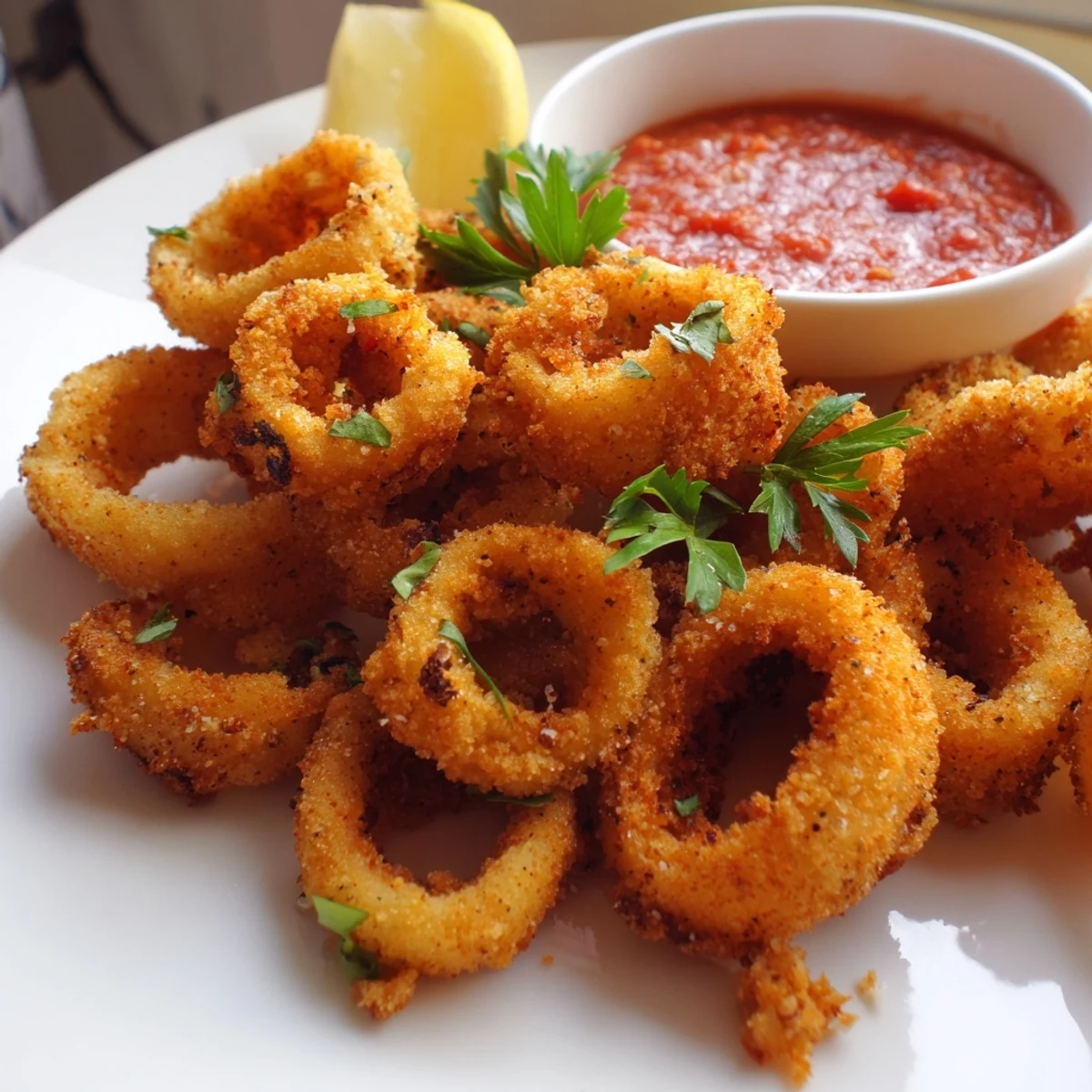
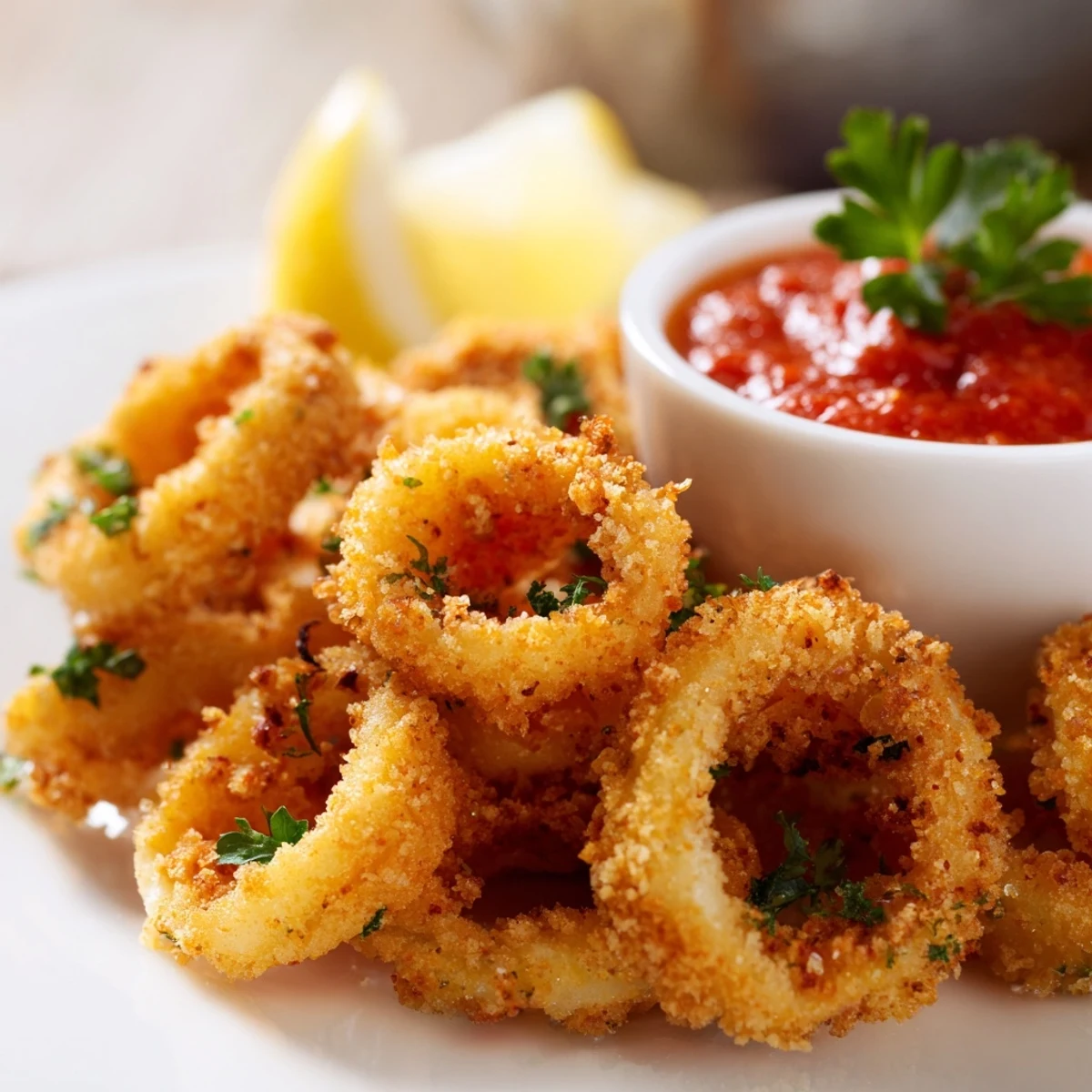
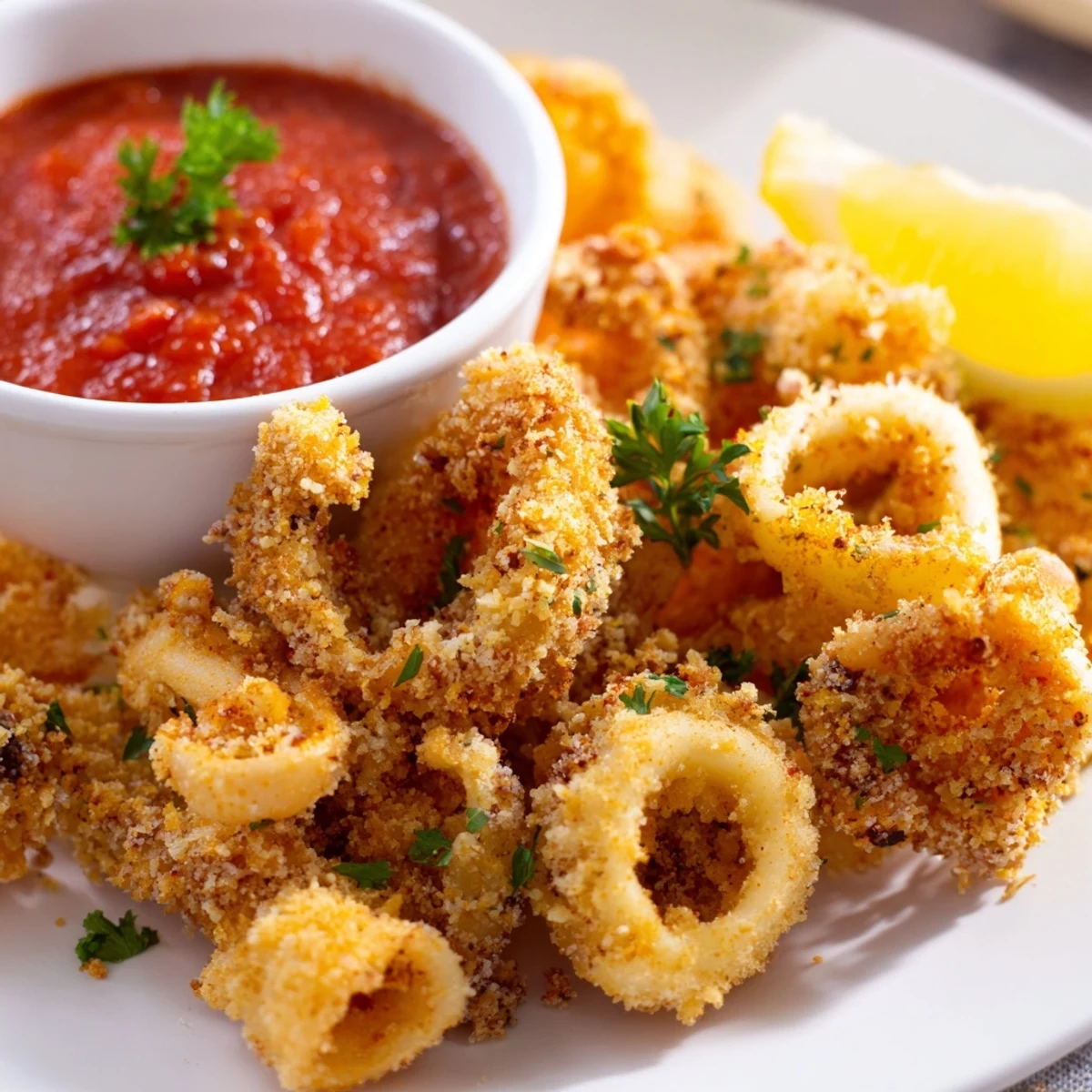
 This dish features tender calamari rings soaked in buttermilk, coated in a seasoned flour and cornmeal blend, then fried until perfectly golden and crispy. The accompanying marinara sauce is made from sautéed garlic, crushed tomatoes, and herbs simmered to a balanced tangy finish. Garnished with fresh parsley and served with lemon wedges, it offers a delightful combination of textures and flavors that suit sharing and light, flavorful dining.
There's something about the first bite of crispy calamari that takes me straight back to a tiny trattoria near the coast where I watched a cook drop rings into bubbling oil with the confidence of someone who'd done it ten thousand times. The way they emerged golden and crisp, still somehow tender inside, felt like magic until I realized it was just technique and patience. I've been chasing that moment ever since, and this recipe is how I finally got there at home. Now it's the dish I make when I want to feel like I've traveled without leaving my kitchen.
I made this for friends who were skeptical about homemade fried food, convinced it would be greasy and heavy. When they bit into the first piece and their eyes went wide, I felt like I'd pulled off the best kind of kitchen trick. The lemon wedge they squeezed over it, the way they reached for another piece before even finishing the first—that's when I knew this recipe was a keeper.
Ingredients
- Fresh calamari, cleaned and cut into 1 cm rings (500 g): This is your star—ask your fishmonger to clean it for you if you're nervous, or do it yourself if you're feeling brave. The size matters because thin rings cook faster and stay tender.
- Buttermilk (120 ml): Don't skip this step or substitute with regular milk. The acidity breaks down the protein and makes the calamari tender in a way nothing else can, plus it helps the breading stick beautifully.
- All-purpose flour (120 g) and cornmeal (60 g): The cornmeal is what gives you that extra crunch and golden color that regular flour alone won't deliver.
- Paprika, garlic powder, and cayenne (1 tsp, ½ tsp, ¼ tsp): These aren't just flavor—they build complexity so your dipping sauce has a real partner on the plate.
- Vegetable oil (750 ml): Use something neutral and heat-stable. I've learned the hard way that olive oil burns at frying temperature and leaves a bitter taste.
- Canned crushed tomatoes (400 g): Good quality makes a real difference here; taste before you buy if you can.
- Garlic (2 cloves) and dried herbs: The sauce is simple on purpose—garlic, oregano, and basil speak for themselves when you give them time to simmer.
Instructions
- Coat the calamari in buttermilk:
- Toss your calamari rings with buttermilk, salt, and pepper, then cover and refrigerate for at least 15 minutes. This is when the tenderizing magic starts; if you have extra time, let it sit for up to an hour and you'll notice the difference in texture.
- Mix your breading:
- Combine flour, cornmeal, paprika, garlic powder, and cayenne in a shallow dish. The mixture should look golden and smell fragrant—this is your flavor base.
- Get your oil to the right temperature:
- Heat vegetable oil to 180°C (350°F) in a deep skillet or heavy pot. If you don't have a thermometer, test with a small piece of bread—it should sizzle immediately but not burn in three seconds.
- Build your marinara while waiting:
- Heat olive oil in a small saucepan over medium heat, add minced garlic, and let it sizzle for just 30 seconds—any longer and it turns bitter. Add crushed tomatoes, oregano, basil, sugar, salt, and pepper, then let it simmer gently for 10-12 minutes, stirring every couple of minutes. Taste and adjust seasoning before serving.
- Bread and fry in batches:
- Pull calamari from the buttermilk, let excess drip off, then dredge each ring thoroughly in the flour mixture—don't be shy here, good coating is what gives you that crunch. Working in batches so you don't crowd the pan, fry for 1½ to 2 minutes until golden and crispy, then lift out with a slotted spoon onto paper towels to drain.
- Plate and serve immediately:
- Warm calamari with marinara sauce, a scatter of fresh parsley if you have it, and lemon wedges on the side. Squeeze the lemon over everything just before you bite.
 Pin this
 The best moment with this dish came when my grandmother tasted it and asked for the recipe, which felt like winning an award. She'd made similar things in Italy decades ago, and seeing her nod of approval while she ate made the whole effort feel worthwhile.
The Buttermilk Secret
Buttermilk isn't just a coating liquid—it's an enzymatic tenderizer that breaks down the muscle fibers in calamari. The longer you soak, the more tender the result, which is why restaurant calamari feels different. Most home cooks skip this step or don't give it enough time, which is why their version comes out chewy. Fifteen minutes is the minimum, but up to an hour gives you noticeably better texture.
Oil Temperature Matters
The difference between 170°C and 180°C is the difference between greasy and crispy. Too cool and oil soaks into the coating; too hot and it burns the outside while the inside stays raw. I learned to use a thermometer after too many failed batches, and it changed everything. If you don't have a thermometer, the bread test works—drop a small bread cube in and it should turn golden in about 60 seconds.
Making This Your Own
This is a foundation, not a rule book. Once you've made it exactly as written and understand why each step matters, you can experiment. Some people add red pepper flakes to the breading, others add anchovy paste to the marinara for depth. The confidence to play comes from understanding the basics first.
- Try a pinch of smoked paprika in your breading for a hint of depth.
- Add fresh basil to your marinara after simmering for brightness.
- Serve alongside aioli or a garlicky mayo if you want more sauce options.
 Pin this
 This recipe has become my favorite thing to make for people because it feels like sharing something real—not a technique that impresses, but food that connects. Every time I make it, I think about that cook in the trattoria and feel grateful I finally figured out what they knew.
Recipe Questions & Answers
- → How can I achieve extra tender calamari?
-
Soak the calamari in buttermilk for up to one hour before breading to enhance tenderness and flavor.
- → What oil is best for frying calamari?
-
Use a neutral oil with a high smoke point like vegetable oil to ensure crisp frying without imparting extra flavors.
- → Can I make the marinara sauce ahead of time?
-
Yes, the marinara sauce can be prepared in advance and gently reheated before serving for convenience.
- → How do I keep the calamari crispy after frying?
-
Drain calamari on paper towels immediately after frying and serve promptly to maintain crispness.
- → What are good beverage pairings for this dish?
-
A chilled Pinot Grigio or a crisp lager complements the flavors and lightness of the calamari and sauce.