
 Pin this
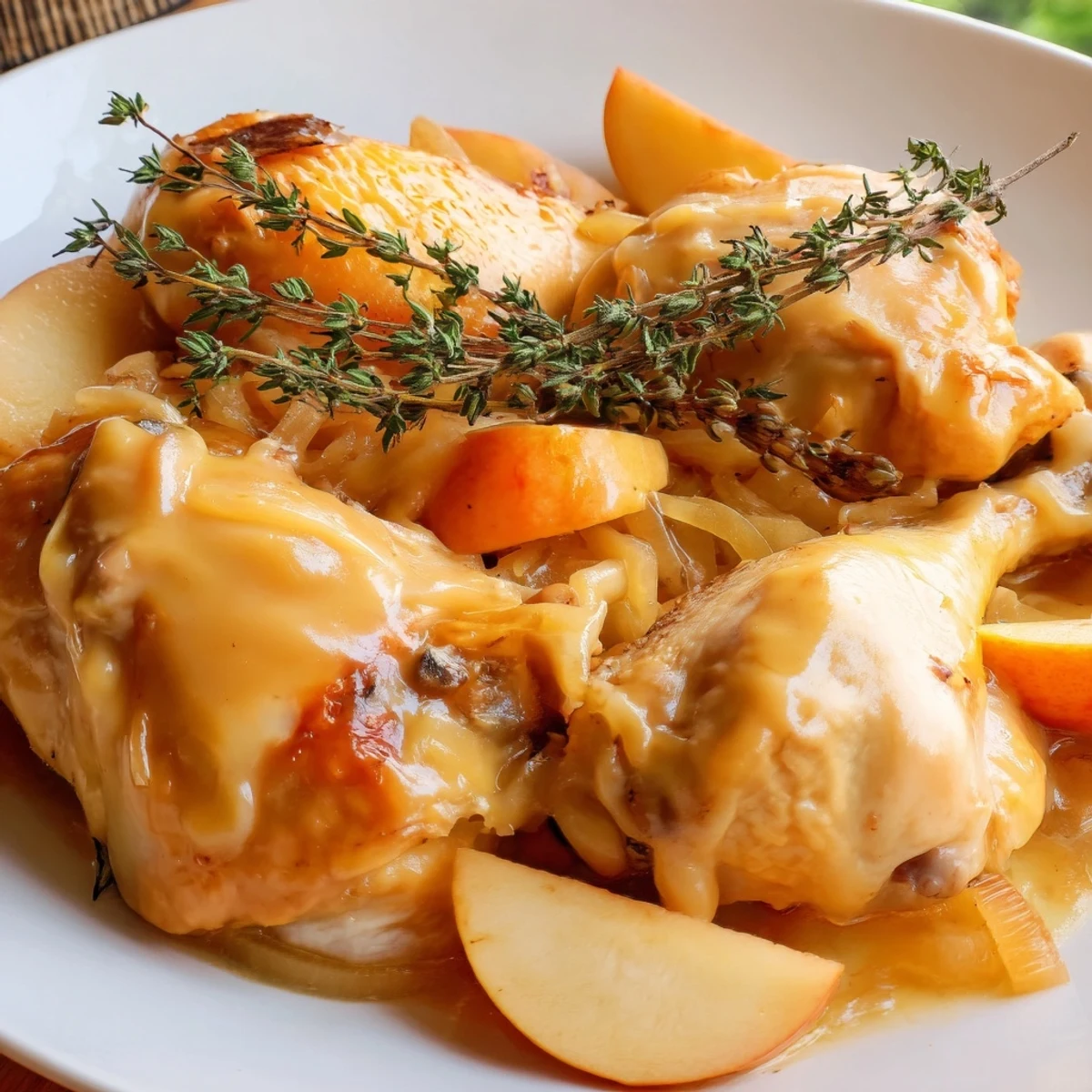
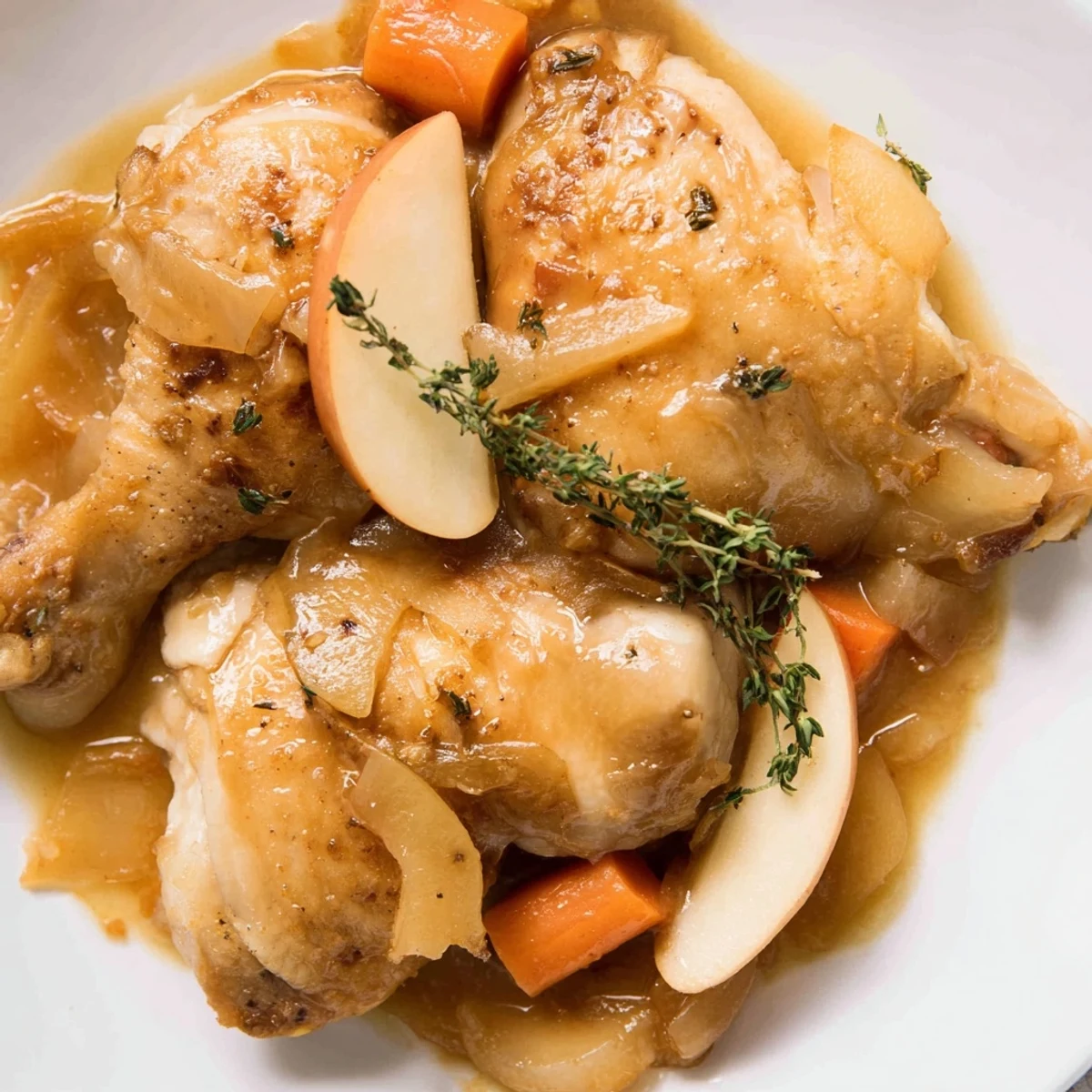
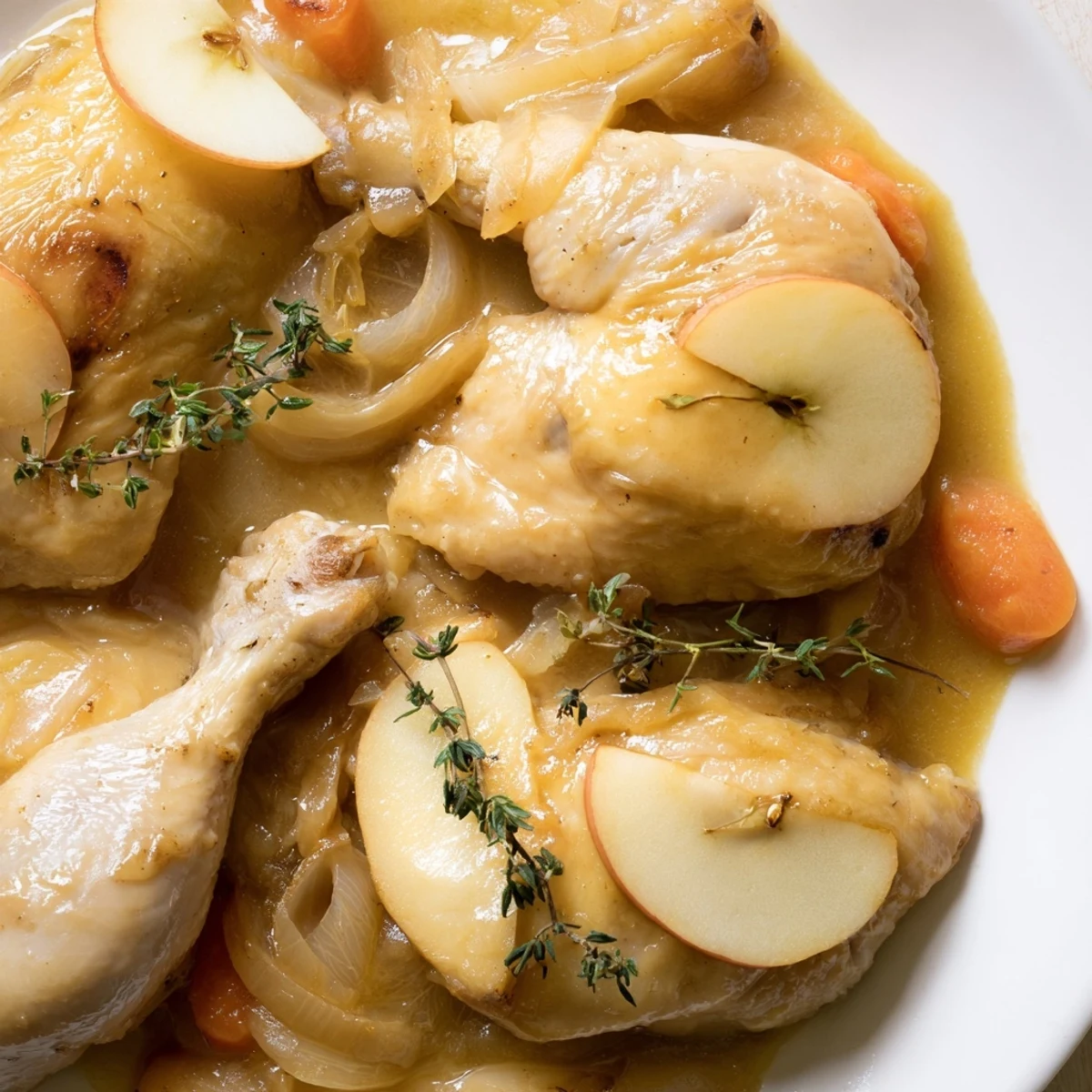
 This rustic French dish brings together tender bone-in chicken pieces with sweet-tart apples, aromatic vegetables, and a velvety cream sauce infused with dry cider. The chicken is first browned to develop deep flavor, then slowly braised with onions, carrots, and garlic until meltingly tender.
What makes this casserole special is the Norman influence of apples and cider, which create a beautifully balanced sauce that's both rich and slightly fruity. A splash of Calvados adds depth, though it's entirely optional. The finished dish delivers comfort in every bite, with succulent meat, softened vegetables, and a luscious sauce that's perfect for mopping up with crusty bread or serving over mashed potatoes.
The scent of apples simmering with cream always takes me back to a rainy October in Rouen, where a tiny bistro tucked behind the cathedral served this exact dish in copper pots that bubbled away on open flames. I watched the chef toss apple slices into the pan with practiced ease, and something about the way the cider reduced down into a glossy sauce made me weak in the knees. It took me three attempts to get the balance of sweet and savory right at home, but now this casserole has become my go-to when I want dinner to feel like an occasion without actually being difficult.
Last winter I made this for friends who swore they hated fruit in savory dishes, and they went back for seconds before even realizing what they were eating. The apples soften into something almost savory as they braise, losing that dessert quality and becoming just another layer of comfort in the pot.
Ingredients
- Chicken pieces: Bone-in, skin-on thighs and drumsticks stay juicier through the long braise and add extra richness to the sauce
- Tart apples: Granny Smiths or other firm, acidic apples hold their shape better than sweet varieties and balance the cream
- Dry cider: French hard cider adds depth that apple juice cannot match, though any dry hard cider will work beautifully
- Heavy cream: This transforms the braising liquid into something velvety and luxurious, so do not skip it or substitute with anything lighter
- Calvados: The optional apple brandy adds a sophisticated warmth, but a splash of apple cider vinegar works in a pinch
- Onions and carrots: These aromatics form the flavor foundation, softening into sweetness as they cook down with the chicken
Instructions
- Get the oven ready and season the chicken:
- Preheat your oven to 180°C (350°F) and pat the chicken pieces thoroughly dry with paper towels. Season generously on all sides with salt and pepper, letting the chicken sit while you prep your vegetables.
- Brown the chicken in batches:
- Heat olive oil and one tablespoon of butter in a large Dutch oven over medium-high heat. Brown the chicken pieces on both sides for about 3-4 minutes per side, working in batches so the pan does not crowd, then set aside on a plate.
- Build the flavor base:
- Add the remaining butter to the same pot and sauté the onions, carrots, and garlic for 4-5 minutes until softened and fragrant. Sprinkle the flour over the vegetables and cook for one minute more, stirring constantly.
- Deglaze and assemble the braise:
- Pour in the Calvados if using, letting it bubble for a moment, then add the cider and stir to scrape up any browned bits from the bottom of the pot. Add the chicken stock and return the browned chicken to the pot along with the apple slices, bay leaf, and thyme sprigs.
- Braise until tender:
- Bring everything to a simmer, then cover and transfer to the oven for 50 minutes. Uncover, stir in the heavy cream, and bake for another 10-15 minutes until the sauce has thickened slightly and the chicken is falling-off-the-bone tender.
- Finish and serve:
- Remove and discard the bay leaf and thyme sprigs, then taste and adjust the seasoning if needed. Serve hot, ideally with something to soak up that incredible sauce.
 Pin this
 My daughter now requests this on her birthday, which feels like the highest compliment a recipe can receive. Something about the combination of tender chicken and that creamy apple cider sauce just makes people feel cared for, the way food is supposed to do.
Choosing the Right Apples
I have learned the hard way that sweet eating apples turn into mush in this dish, so stick to firm, tart varieties that hold their shape through the long braise. Granny Smiths are my reliable choice, but any apple you would actually enjoy eating raw will work beautifully here.
What to Serve Alongside
Buttered egg noodles have become my favorite pairing because they catch every drop of that sauce, but crusty bread or simple mashed potatoes feel equally appropriate. The key is something neutral that lets the cider and apple flavors shine without competing.
Making It Ahead
This casserole actually tastes better the next day, which makes it perfect for dinner parties or meal prep. I often make it in the morning and let it sit until evening, reheating gently while the cream thickens the sauce even further.
- If making ahead, cool completely before refrigerating and skim any solidified fat before reheating
- The sauce will continue to thicken as it sits, so add a splash of cider or stock when reheating if needed
- Gentle reheating on the stove keeps the chicken from drying out better than the microwave
 Pin this
 There is something deeply satisfying about a dish that transforms humble ingredients into something this elegant. Every time I lift the lid and smell that cider cream sauce, I remember why French farmhouse cooking has endured for centuries.
Recipe Questions & Answers
- → What type of apples work best in this casserole?
-
Tart, firm apples like Granny Smith hold their shape beautifully during braising while adding a pleasant acidity that balances the rich cream sauce. Other good options include Braeburn, Honeycrisp, or Jonathan apples. Avoid overly sweet varieties like Red Delicious or very soft apples that may turn to mush during cooking.
- → Can I make this dish ahead of time?
-
Absolutely. This casserole actually tastes better when made ahead, as the flavors have time to meld and develop. Prepare it up to 2 days in advance, refrigerate, and gently reheat on the stovetop or in a 180°C oven until warmed through. You may need to add a splash of cider or stock if the sauce has thickened too much during storage.
- → What can I substitute for Calvados?
-
If Calvados isn't available or you prefer to omit the alcohol, simply skip it or replace with additional apple cider. For a different flavor profile, you could use a splash of brandy or even apple cider vinegar reduced by half. The dish will still be delicious without the apple brandy.
- → How do I know when the chicken is done?
-
The chicken is ready when it reaches an internal temperature of 74°C (165°F) at the thickest part, the meat should be fork-tender and easily pull away from the bone, and the juices run clear when pierced. After approximately 50 minutes of braising, check for doneness. If needed, continue cooking covered until fully tender.
- → What sides pair well with this Norman casserole?
-
Buttery mashed potatoes are classic, soaking up the creamy cider sauce beautifully. Crusty French bread, steamed green beans with butter, or roasted root vegetables also complement nicely. For a lighter option, serve with a simple green salad dressed with vinaigrette to cut through the richness.
- → Can I use boneless chicken instead?
-
Yes, though bone-in, skin-on pieces provide more flavor and keep the meat moist during longer cooking. If using boneless chicken thighs or breasts, reduce the braising time to 30-35 minutes total, as they cook faster. You may want to brown the skin-on pieces first if available, then remove skin before serving if preferred.