
 Pin this
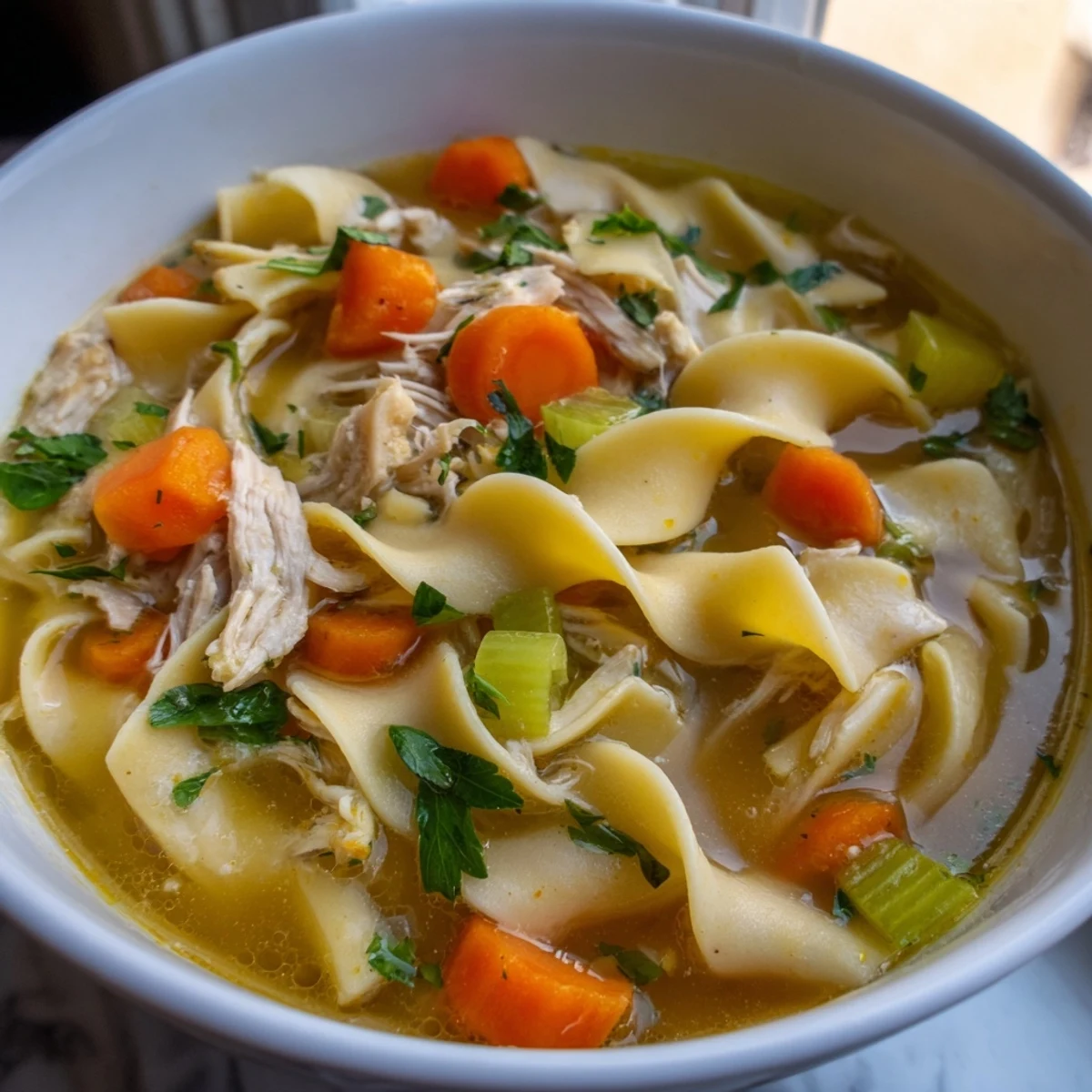
 Create a comforting meal by simmering bone-in chicken with aromatic vegetables in a savory broth. While the base cooks, prepare a simple dough for homemade egg noodles, kneading until smooth and letting it rest. Roll the dough thinly, slice into strips, and cook directly in the bubbling soup for extra flavor. Finish with shredded meat and fresh herbs for a hearty, satisfying bowl.
My grandmother's kitchen always smelled like this soup simmering on the stove, but it wasn't until I was older that I realized she made the noodles herself, rolling them out by hand while we sat at the table doing homework. The first time I tried it, I was convinced store-bought noodles were the only option, until one rainy afternoon when I decided to attempt the whole thing from scratch. Those silky homemade noodles changed everything about how I understood comfort food.
Years ago, my roommate came home sick and I had nothing but chicken and vegetables in the fridge, so I made this soup almost by accident. She fell asleep right after eating a bowl and woke up asking for seconds, which somehow meant more to me than any compliment ever has. Now whenever someone needs picking up, this is the first thing I think to make.
Ingredients
- Bone-in, skinless chicken thighs or breasts (1½ lbs): Thighs have more flavor and stay tender longer than breasts, but either works—just watch the timing if you switch.
- Low-sodium chicken broth (10 cups): The foundation of everything, so taste it first and don't skip the low-sodium version or you'll end up with salt overload.
- Onion, carrots, and celery: This holy trinity builds the soul of the broth, and the slower you sauté them, the deeper the flavor becomes.
- Garlic cloves (3, minced): Add it after the vegetables soften so it doesn't burn and turn bitter on you.
- Bay leaf, dried thyme, and parsley: These dried herbs are your shortcuts to tasting like someone who cooks all day, even if you're doing it in an hour.
- All-purpose flour (2 cups) and eggs (3): Two simple ingredients that become something magical once you work the dough—trust the process and don't skip the resting time.
- Olive oil (2 tbsp): Use the good stuff you actually like the taste of, because you'll taste it in the broth.
- Fresh parsley for garnish: The brightness at the end makes people think you tried harder than you did.
Instructions
- Build the Base:
- Heat olive oil in your pot and let the onion, carrots, and celery get soft and golden over medium heat—this takes about seven minutes and it's worth waiting for. When everything smells sweet and mellow, add the garlic and cook just until you can smell it, then add your chicken and broth.
- Season and Simmer:
- Drop in the bay leaf, thyme, and parsley, then bring everything to a boil before turning it down to a gentle simmer. Cover it and let it go for thirty to forty minutes while you work on the noodles—you'll know the chicken is done when it flakes apart easily.
- Make the Dough:
- Mound your flour on a clean counter, make a well in the middle, and crack your eggs into it like you're opening a little treasure chest. Beat the eggs with a fork and gradually pull in flour from the sides until you have a shaggy mess, then knead it for five to seven minutes until it's smooth and silky.
- Rest and Roll:
- Wrap your dough and let it sit for twenty minutes—this matters more than you think because it makes the dough easier to work with and the noodles more tender. When you're ready, divide it in half and roll each piece thin, about the thickness of a dime.
- Cut and Cook:
- Cut your rolled dough into quarter-inch strips about three to four inches long, dusting them lightly with flour so they don't stick together. When your broth is ready and the chicken is shredded, bring it back to a boil and add the noodles, stirring occasionally so they don't clump.
- Finish Strong:
- After five to seven minutes, the noodles should be tender and the chicken should be warming through in the broth—taste it and add more salt if it needs it, then ladle it into bowls while it's still steaming.
 Pin this
 There's something almost meditative about kneading noodle dough while your broth simmers nearby, the steam rising up and fogging your glasses, the whole kitchen becoming a small warm world. By the time you're serving it, you've made something entirely with your own hands, and that's the part that actually matters.
Why Making Noodles From Scratch Changes Everything
Homemade noodles have a completely different texture than anything you can buy, silkier and slightly more delicate, and they absorb the broth in a way that makes the whole soup taste different. The first time someone tastes this and realizes you made the noodles yourself, you get to watch their face change, and honestly, that's the real payoff of cooking.
Timing and Make-Ahead Options
You can make the noodle dough earlier in the day and keep it wrapped in the fridge for up to eight hours, which means the soup takes almost no time on the day you want to serve it. The whole soup also keeps beautifully in the refrigerator for three days, though I always add the noodles fresh right before serving because they get soft if they sit in broth overnight.
Variations and Additions Worth Trying
This recipe is forgiving enough to adapt to whatever you have on hand, and I've made it with peas, corn, spinach, and even mushrooms depending on the season and what's in my vegetable drawer. Some nights I add a splash of cream at the end for richness, and once I added fresh ginger because I had it and it was unexpectedly good. If you're short on time, swap the homemade noodles for store-bought egg noodles and you still get something that tastes like care.
- A handful of fresh spinach or peas added in the last minute brings color and brightness to the bowl.
- A squeeze of fresh lemon juice at the end wakes everything up if the soup feels flat.
- Crusty bread on the side turns it from lunch into something you'll remember.
 Pin this
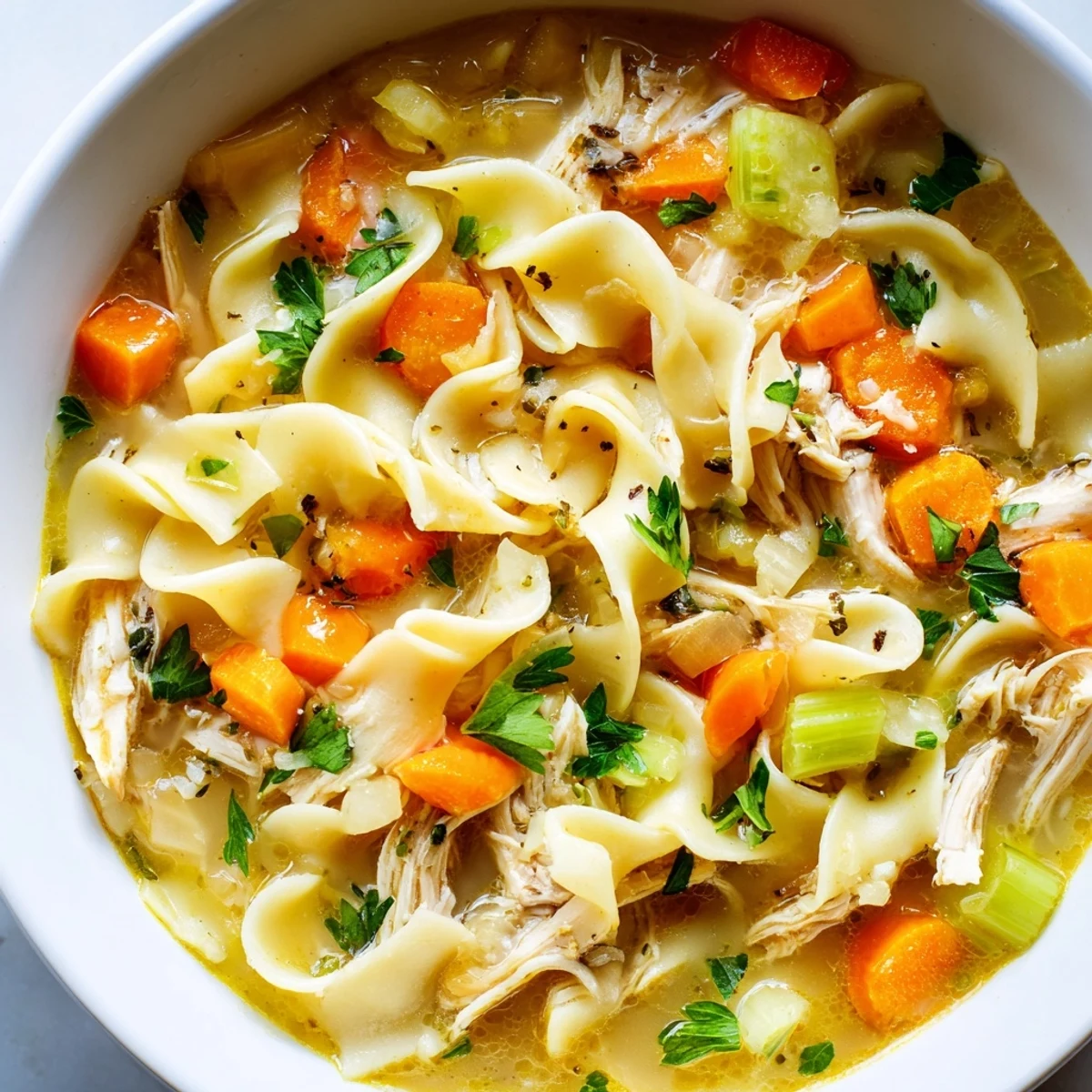
 This soup tastes like someone took care of you, which is really what cooking for people is about. Make it for someone you love and watch what happens.
Recipe Questions & Answers
- → How do I store leftovers?
-
Store in an airtight container in the refrigerator for up to 3 days. Note that the noodles may absorb broth, so you may need to add extra liquid when reheating.
- → Can I use rotisserie chicken?
-
Yes, you can substitute cooked rotisserie chicken. Add it during the last few minutes of cooking to warm through, skipping the initial simmering step for raw meat.
- → Can I freeze this?
-
Freezing the soup alone works well, but homemade noodles can become mushy after thawing. For best results, freeze the broth and chicken separately, then cook fresh noodles when serving.
- → How do I prevent noodles from sticking?
-
Ensure the dough is well-dusted with flour while rolling and cutting. Add noodles to the boiling soup immediately and stir gently to separate them.
- → What can I substitute for fresh parsley?
-
Chopped fresh dill, chives, or cilantro make excellent alternatives to parsley for garnish, adding a different but complementary fresh flavor profile.