
 Pin this
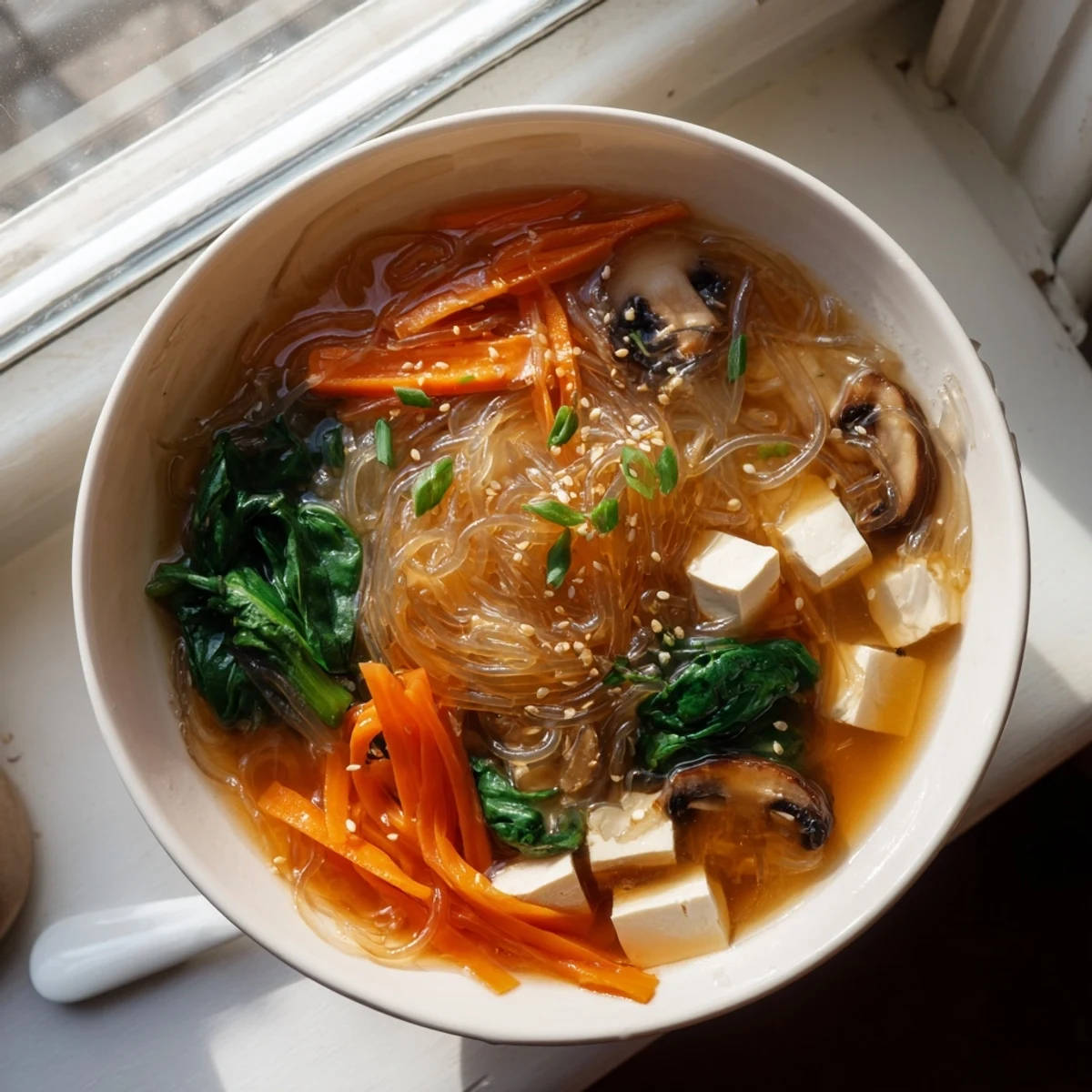
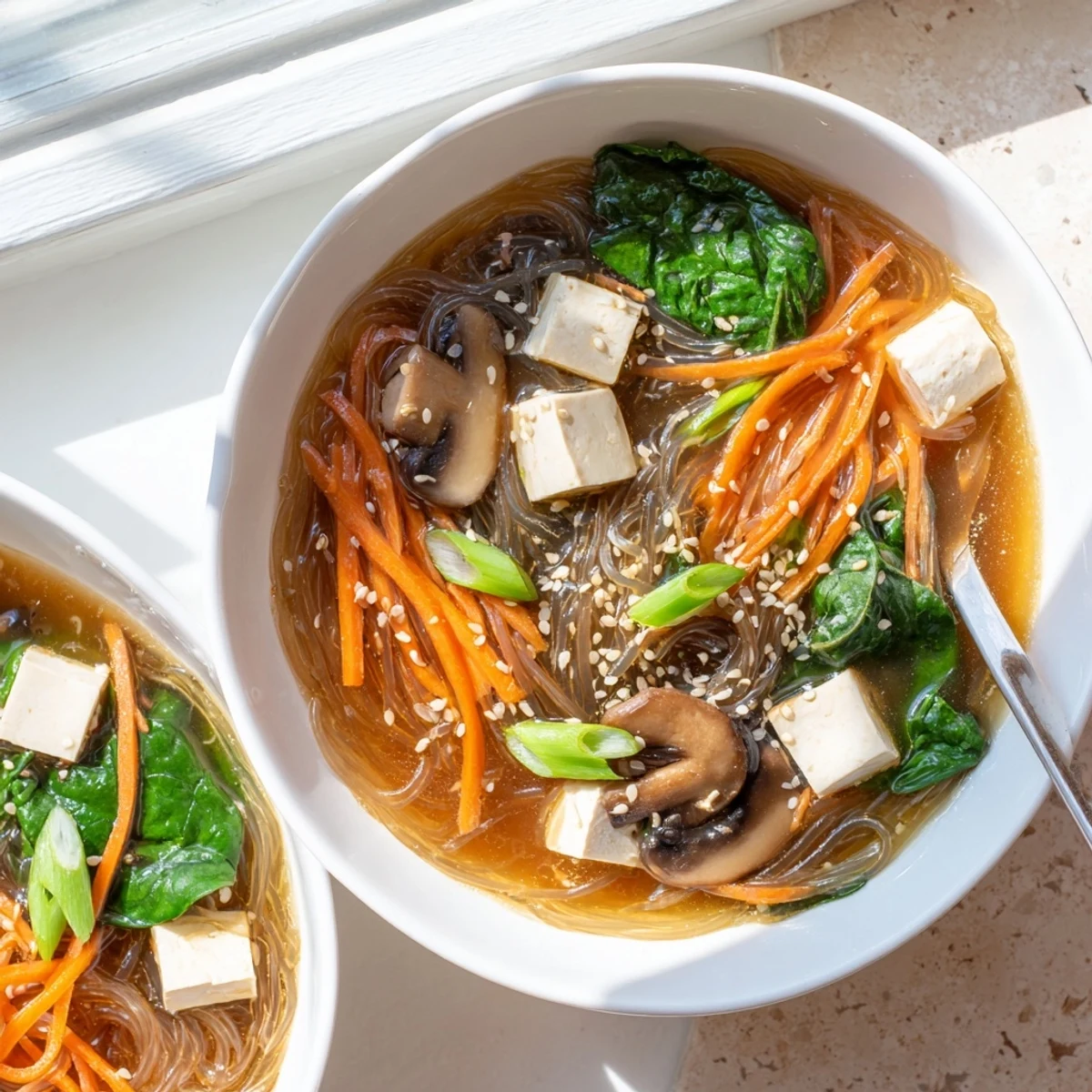
 This soothing Japanese noodle soup combines translucent harusame glass noodles with a delicate dashi-based broth. julienned carrots and shiitake mushrooms add texture, while baby spinach provides fresh color. The aromatic broth is seasoned with soy sauce, mirin, and toasted sesame oil for that authentic umami flavor. Firm tofu cubes offer plant-based protein, making this a complete, nourishing bowl. Ready in just 25 minutes, it's an ideal light meal for busy weekdays.
The first time I made harusame soup was during a rainy April when my kitchen felt like it needed something gentle and restorative. Those translucent glass noodles slipping through my chopsticks reminded me why Japanese home cooking has such a beautiful way of turning simple ingredients into something that feels like a warm embrace. Now it is the soup I turn to when I want something nourishing but not heavy.
Last winter my friend who was recovering from surgery told me she craved soup that would not sit heavy in her stomach. I brought her a container of this harusame soup and she sent me a message two hours later saying it was the first time she had felt truly comforted by food in weeks.
Ingredients
- 5 cups dashi stock: The foundation of Japanese cooking, though low sodium chicken or vegetable broth works beautifully too
- 2 tbsp soy sauce: Adds that deep umami note, start with less if you are sensitive to salt
- 1 tbsp mirin: A subtle sweetness that balances the soy sauce perfectly
- 1 tsp sesame oil: Toasted sesame oil gives a warm nutty aroma that fills the kitchen
- 1/2 tsp salt: Adjust this at the very end once everything has melded together
- 100 g harusame noodles: These delicate glass noodles are made from mung bean starch and become almost translucent when cooked
- 1 medium carrot: Julienned into thin matchsticks so they cook quickly and add sweetness
- 100 g shiitake mushrooms: Their earthy flavor deepens the broth considerably
- 60 g baby spinach: Bok choy works just as well and holds up slightly better in hot broth
- 1 spring onion: Finely sliced, both white and green parts bring different qualities
- 100 g firm tofu: Optional, but lovely if you want something more substantial
- 1 tsp toasted sesame seeds: The finishing touch that adds a little crunch
Instructions
- Build the broth base:
- Combine your dashi stock with soy sauce, mirin, sesame oil, and salt in a large saucepan. Bring it to a gentle simmer over medium heat, letting the aromas meld together before adding anything else.
- Soften the hard vegetables:
- Add your julienned carrots and sliced shiitake mushrooms to the simmering broth. Let them cook for about 5 minutes until the carrots are no longer sharp and the mushrooms have released their woodsy flavor into the liquid.
- Add the protein if using:
- Toss in the tofu cubes and let them warm through for another 2 minutes. They will absorb some of the seasoned broth and become little flavor bombs themselves.
- Prepare the noodles separately:
- Place the harusame noodles in a heatproof bowl and cover them with boiling water. Let them soak for 4 to 5 minutes until tender, then drain well and divide them among your serving bowls. This keeps the soup from becoming starchy.
- Wilt the greens:
- Add your spinach or bok choy to the simmering broth and cook for just 1 minute until it collapses into vibrant green ribbons. Overcooking here makes everything sad and limp.
- Assemble the bowls:
- Ladle the hot broth and vegetables over the waiting noodles in each bowl, making sure everyone gets a fair share of the tofu and mushrooms.
- Finish with garnishes:
- Sprinkle toasted sesame seeds over the top along with any extra spring onion slices. The sesame seeds lose their crunch if they sit too long, so add them right at the table if possible.
 Pin this
 My mother in law taught me that the secret to good Japanese soup is patience with the broth. She always lets hers simmer a few minutes longer than I think necessary, and I have learned she is right every time.
Making It Your Own
Once you have the basic structure down, this soup welcomes all sorts of variations. Sometimes I add a handful of wakame seaweed that plumps up beautifully in the hot broth, or enoki mushrooms that look like tiny translucent noodles themselves.
The Noodle Factor
Harusame noodles are naturally gluten free and stay pleasantly slippery rather than softening into mush. They absorb flavors without becoming heavy, which is why this soup works equally well in summer and winter.
Serving Suggestions
I like serving this with pickles on the side and perhaps some simple grilled fish if I want a more substantial meal. A few drops of chili oil in each bowl transforms it into something entirely different.
- Keep the garnishes separate until serving to maintain texture contrast
- Leftovers keep beautifully but the noodles will continue to soften over time
- This soup tastes even better the next day as the vegetables have more time to infuse the broth
 Pin this
 There is something deeply satisfying about a soup that requires so little effort but delivers such comfort. This one has become my go to when I need to feed both body and spirit.
Recipe Questions & Answers
- → What are harusame noodles?
-
Harusame are Japanese glass noodles made from mung bean starch, potato starch, or sweet potato starch. They're translucent, thin noodles that become slightly gelatinous when cooked. They're naturally gluten-free and have a delicate texture that absorbs flavors beautifully in soups and stir-fries.
- → Can I make this soup vegetarian?
-
Absolutely. Traditional dashi stock contains bonito flakes, but you can substitute with vegetable broth or kombu (kelp) dashi for a fully vegetarian version. The rest of the ingredients including tofu, vegetables, and seasonings are already plant-based.
- → How do I store leftovers?
-
Store the broth and vegetables separately from the noodles in airtight containers in the refrigerator for up to 2 days. Glass noodles continue to absorb liquid and can become mushy, so it's best to cook fresh noodles when reheating. Reheat the broth gently and pour over freshly prepared noodles.
- → What vegetables work well in this soup?
-
Beyond carrots, shiitake mushrooms, and spinach, you can add napa cabbage, snow peas, corn, bamboo shoots, or wakame seaweed. For extra protein, try edamame, shredded cooked chicken, or shrimp. The versatile broth pairs well with most Asian vegetables.
- → Is this soup spicy?
-
The traditional version is mild with a balance of salty and slightly sweet flavors from the soy sauce and mirin. If you prefer heat, add a few drops of chili oil, sliced fresh chilies, or shichimi togarashi (Japanese seven-spice blend) as a garnish.