
 Pin this
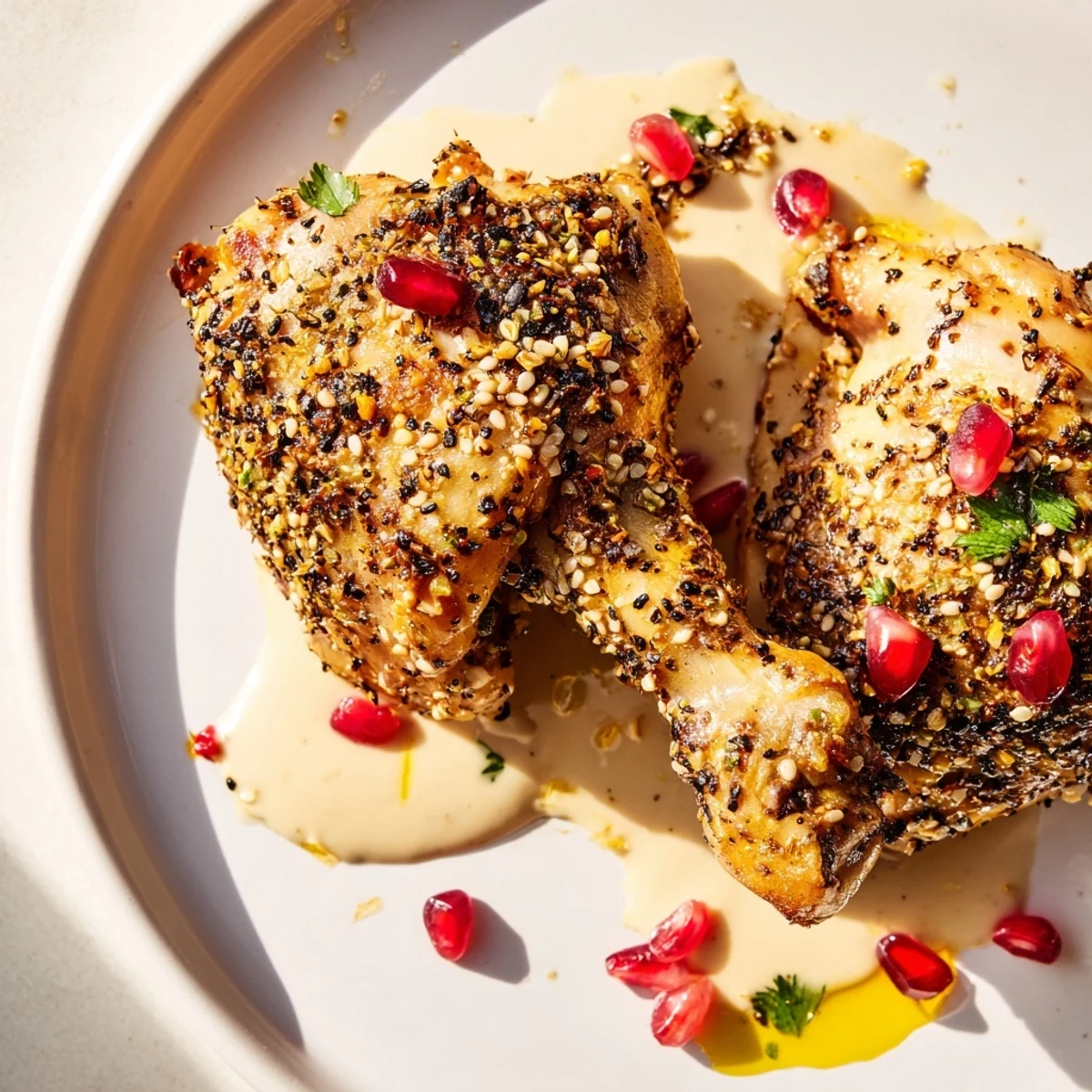
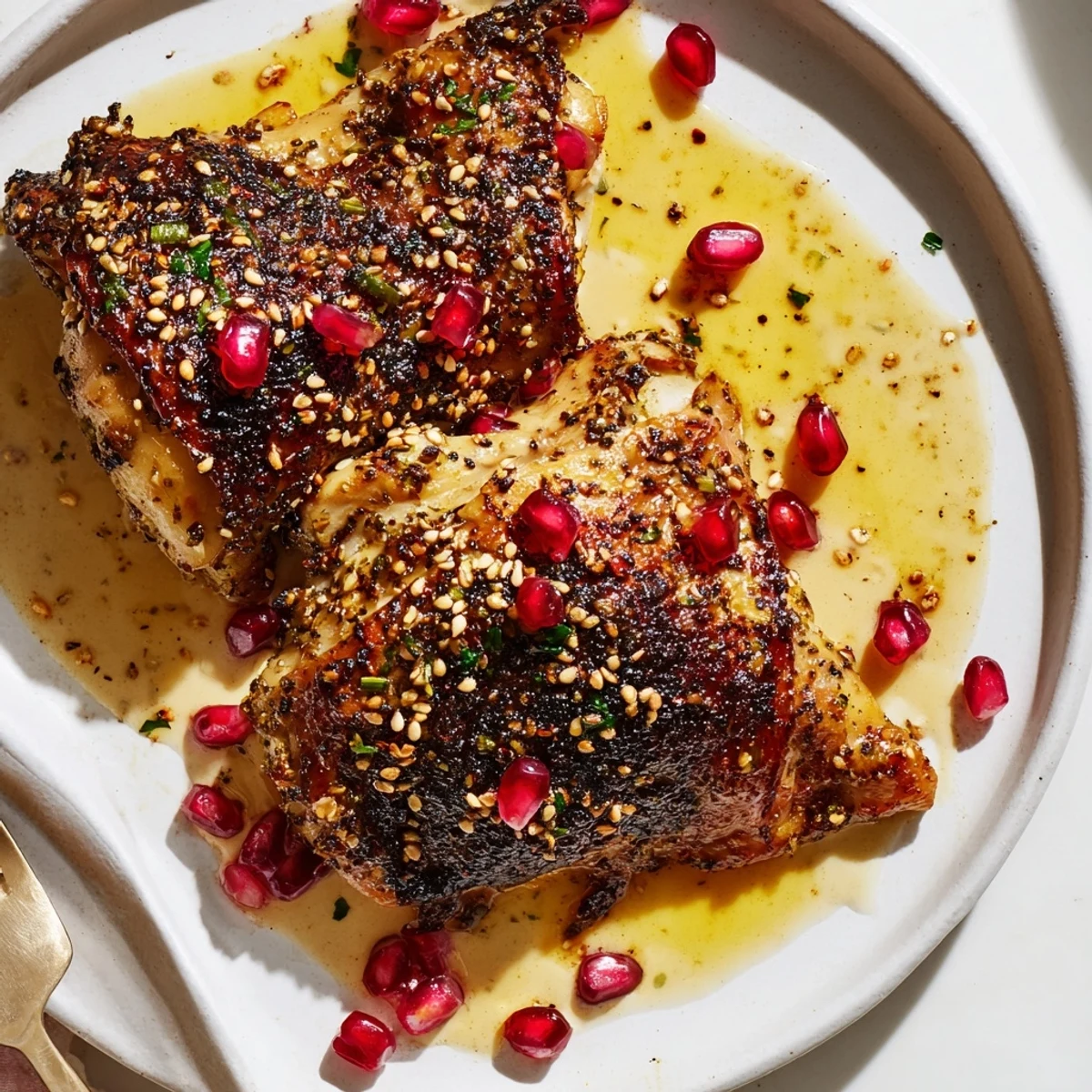
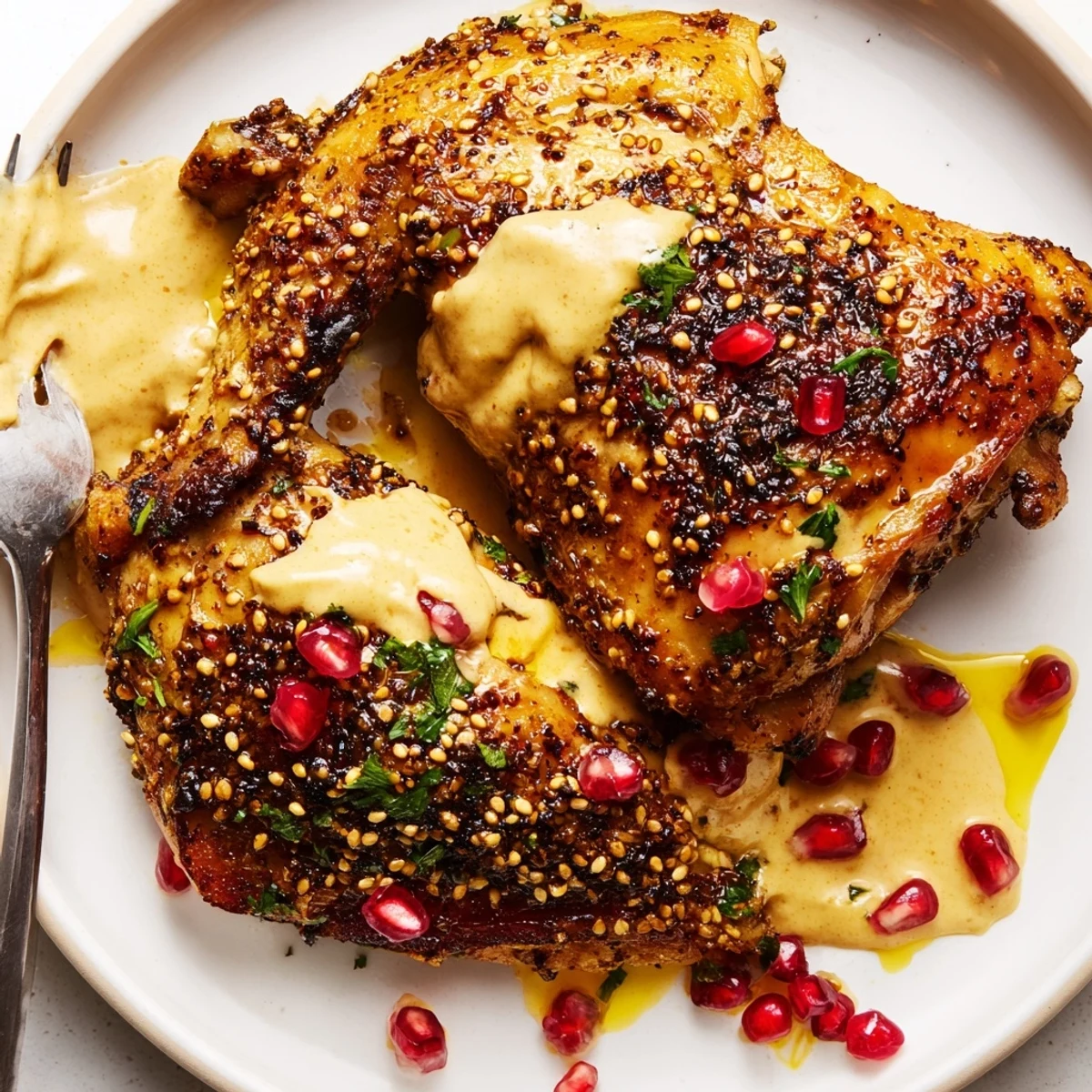
 Marinate bone-in, skin-on chicken thighs in olive oil, zaatar, lemon zest and juice, garlic, salt, and pepper for at least 20 minutes to build bright, herby flavor. Roast at 400°F until the skin is deeply golden and juices run clear. Whisk tahini with lemon, garlic and cold water until smooth and pourable, then drizzle over the hot chicken and finish with parsley, pomegranate seeds and a little olive oil for contrast.
My tiny apartment kitchen was filled with the most incredible aroma when I first made this zaatar chicken, the nutty, herby spice blend filling every corner of the room. I had discovered zaatar at a Middle Eastern market earlier that week and the shopkeeper told me it would change my chicken forever. She was absolutely right, and now this recipe has become my go-to when I want something that feels special but comes together with almost zero effort. The tahini sauce creates this creamy contrast that makes the whole dish feel restaurant-quality.
Last summer I made this for a dinner party when I was completely exhausted and almost ordered takeout instead. My friend Sarah took one bite and literally stopped the conversation to ask what I had done to the chicken. The whole table went quiet for a minute while everyone just enjoyed their food, which is pretty much the best compliment you can get as a home cook. Now whenever anyone comes over for dinner, this is practically the first thing they request.
Ingredients
- 4 bone-in, skin-on chicken thighs: Bone-in thighs stay juicier and the skin gets perfectly crispy, creating this beautiful texture contrast that boneless just cannot achieve
- 2 tbsp olive oil: This helps the zaatar adhere to the chicken and promotes even browning for that gorgeous golden color
- 2 tbsp zaatar spice blend: The star of the show, this fragrant mix of sumac, sesame seeds, and herbs creates an incredible crust
- 1 lemon, zested and juiced: Both the bright zest and acid cut through the rich tahini sauce and complement the earthy spices
- 2 garlic cloves, minced: Fresh garlic adds that aromatic kick that mellows beautifully during roasting
- 1 tsp kosher salt: Essential for enhancing all the flavors and helping the zaatar really pop
- ½ tsp freshly ground black pepper: Adds just enough subtle warmth to balance the citrus and herbs
- ½ cup tahini paste: This creates the velvety, creamy sauce that ties everything together with rich, nutty flavor
- ¼ cup cold water plus more as needed: Cold water is the secret to getting the tahini to emulsify into that perfect drizzle-able consistency
- 1 garlic clove, finely minced: A little extra raw garlic in the sauce adds fresh punch that complements the roasted chicken
- 2 tbsp lemon juice: Brightens the entire sauce and balances the tahini is natural bitterness
- ½ tsp salt: Brings out all the flavors in the sauce and makes it sing
Instructions
- Mix up the marinade:
- Whisk together the olive oil, zaatar, lemon zest, lemon juice, garlic, salt, and pepper in a large bowl until everything is well combined and fragrant.
- Coat the chicken:
- Add the chicken thighs to the bowl and turn them several times to ensure every surface is covered in the spice mixture.
- Let the flavors develop:
- Cover the bowl and let it sit for at least 20 minutes, though overnight in the refrigerator will give you even deeper flavor penetration.
- Get your oven ready:
- Preheat to 400°F (200°C) and line a baking sheet with parchment paper for easy cleanup later.
- Arrange for perfection:
- Place the chicken thighs on the baking sheet skin-side up, making sure they are not touching so the skin can crisp up properly.
- Roast until golden:
- Cook for 30 to 35 minutes until the skin is deeply golden and crispy, and the juices run clear when you cut into the thickest part.
- Make the magic sauce:
- While the chicken roasts, whisk the tahini, lemon juice, garlic, and salt in a small bowl until combined.
- Add the water gradually:
- Slowly whisk in the cold water, watching as the tahini first seizes then transforms into a smooth, creamy sauce.
- Adjust the consistency:
- Add more water a teaspoon at a time if needed until the sauce reaches your desired drizzling consistency.
- Bring it all together:
- Serve the chicken hot with plenty of tahini sauce drizzled over the top and your choice of garnishes.
 Pin this
 My sister-in-law is usually pretty quiet about food, but the first time she tried this she actually texted me the next day asking for the recipe. That has literally never happened before with anything I have made. There is something about the combination of crispy, herby chicken with that cool, creamy tahini that just makes people happy.
Getting the Crispiest Skin
I learned the hard way that crowded chicken equals soggy skin, so make sure those thighs have plenty of space on the baking sheet. Another trick is to pat the chicken dry with paper towels before marinating, which helps the skin render and crisp up beautifully. If you really want to go for extra-crispy, you can broil the chicken for the last 2 to 3 minutes, but watch it closely because the zaatar can burn quickly due to the sesame seeds.
Making It Your Own
Sometimes I will add a pinch of ground cumin to the zaatar blend for a warmer, deeper flavor that works especially well in colder months. You can also serve this with roasted vegetables tossed in olive oil and zaatar, which makes the whole plate feel cohesive and thoughtful. Leftovers, if you somehow have any, make incredible tacos the next day with some quick pickled onions and extra tahini sauce.
Perfect Pairings
This chicken deserves sides that can stand up to its bold flavors without competing. Simple lemon rice or fluffy flatbread are perfect for soaking up that extra tahini sauce. A crisp cucumber and tomato salad with some mint and a light lemon dressing cuts through the richness beautifully. For a more substantial meal, roasted cauliflower or eggplant seasoned similarly to the chicken creates this wonderful harmony across the whole plate.
- Make a double batch of the tahini sauce because you will want to put it on your vegetables and leftovers
- The spice rub works beautifully on salmon or roasted cauliflower if you want to make it vegetarian
- Serve with extra lemon wedges on the table so people can brighten their portions to taste
 Pin this
 This recipe has saved me so many times when I wanted to make something impressive but had zero energy for complicated cooking. The flavors are bold enough to feel special, but the process is simple enough that you could make it on a Tuesday and still feel like you treated yourself.
Recipe Questions & Answers
- → How long should the chicken marinate?
-
At least 20 minutes for noticeable flavor; for a deeper infusion marinate up to overnight in the refrigerator. If chilled overnight, allow the chicken to sit at room temperature 15–20 minutes before roasting for more even cooking.
- → What yields extra-crispy skin?
-
Pat the skin dry before marinating and avoid overcrowding the pan so air circulates. Roast at a high heat (400°F) and finish under the broiler for 2–3 minutes if needed. A light brush of oil and skin-side-up placement help achieve golden crispness.
- → Can I use boneless chicken instead of bone-in?
-
Yes. Use boneless thighs or breasts but reduce roasting time—boneless thighs typically take 20–25 minutes at 400°F. Always check doneness by ensuring juices run clear or the internal temperature reaches 165°F (74°C).
- → How do I get the tahini sauce smooth and pourable?
-
Whisk tahini with lemon juice, minced garlic and salt, then add cold water a tablespoon at a time until the sauce loosens to a silky, pourable consistency. If the tahini thickens, continue adding small amounts of water and whisk vigorously to emulsify.
- → What sides pair well with this dish?
-
Serve with fluffy rice, warm flatbreads, or a crisp salad. Roasted vegetables, a cucumber-tomato salad, or simple pickles balance the rich tahini and bring refreshing acidity to the plate.
- → Are there allergen-friendly swaps for tahini?
-
This dish contains sesame from tahini and possibly from zaatar. For a sesame-free alternative, try a sunflower seed butter sauce thinned with lemon and water, and verify spice blends for hidden allergens.