
 Pin this
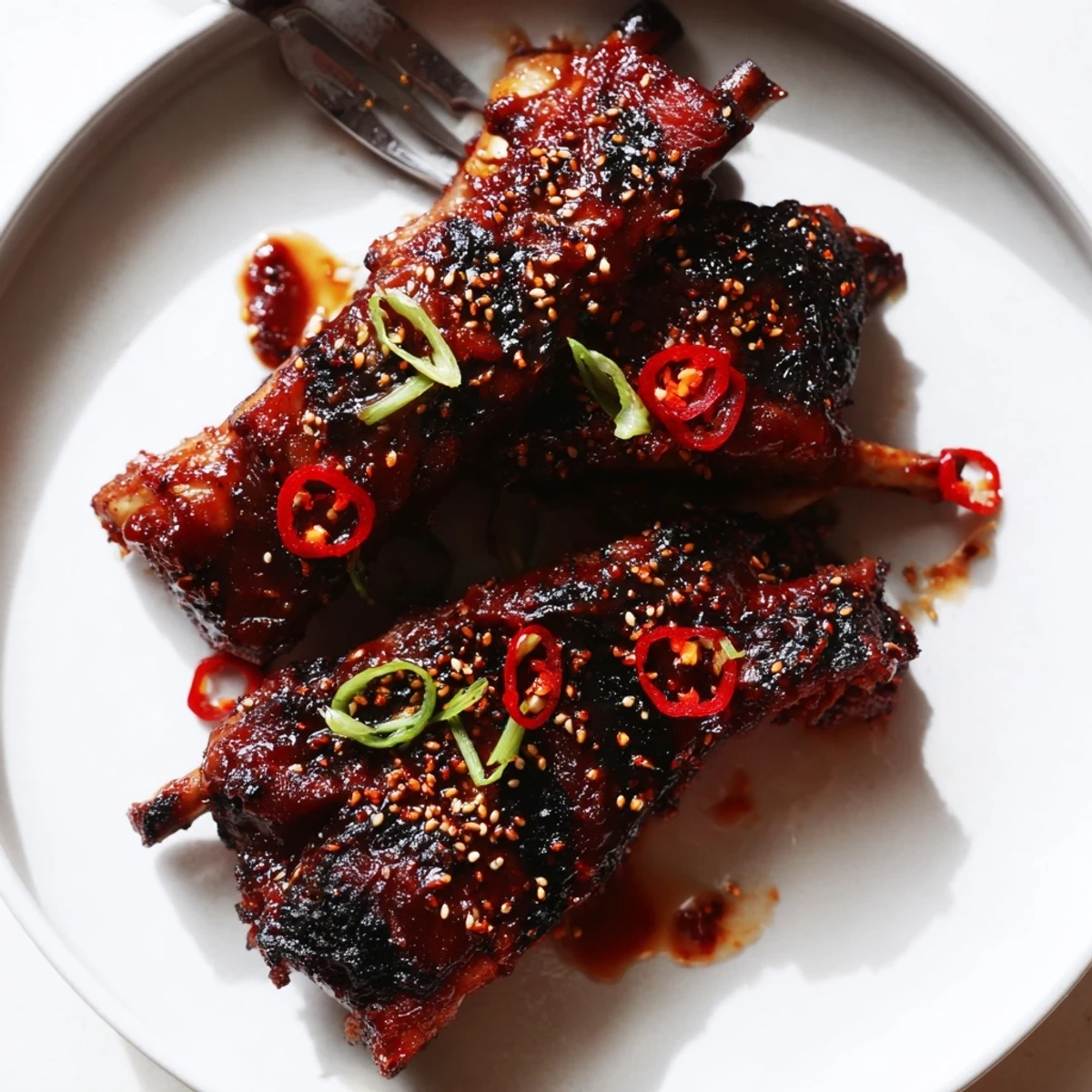
 These lamb ribs get coated in a bold marinade built from gochujang, soy sauce, garlic, ginger, and brown sugar, then slow-roasted until fork-tender. A honey glaze caramelized under high heat gives each rack a sticky, slightly charred crust. A final squeeze of yuzu juice cuts through the richness with its unique floral citrus notes.
Plan ahead—the ribs benefit from at least four hours of marinating, ideally overnight. Serve with steamed rice and pickled vegetables to round out the meal.
The sizzle of lamb ribs hitting a hot grill on a rainy Tuesday evening changed my entire perspective on fusion cooking. I had a jar of gochujang sitting largely ignored in my fridge door and a bottle of yuzu juice a friend had brought back from a trip to Osaka. What happened next was the kind of happy accident that keeps you standing at the stove long after dinner is done, tasting jus one more bite.
I served these ribs at a backyard gathering where three friends who claimed they did not eat lamb went back for seconds. The caramelized glaze dripping off the bones and that citrus hit at the end turned skeptics into believers within a single bite.
Ingredients
- Lamb ribs (1.5 kg, trimmed): Ask your butcher for ribs with good fat coverage, as the fat renders during the slow roast and keeps everything incredibly moist.
- Gochujang (3 tbsp): This fermented Korean chili paste brings depth and gentle heat, and a little goes a long way so taste your batch first since brands vary in intensity.
- Soy sauce (4 tbsp): Use a gluten free tamari if needed, and choose a naturally brewed variety for the deepest umami flavor.
- Brown sugar (2 tbsp): This helps the glaze caramelize beautifully under high heat and balances the salty fermented notes in the marinade.
- Sesame oil (1 tbsp): Toasted sesame oil adds a nutty aroma that ties the Korean flavors together, so do not skip it.
- Garlic, minced (4 cloves): Fresh garlic is nonnegotiable here, and mincing it finely ensures it distributes evenly through the marinade.
- Fresh ginger, grated (2 tsp): Ginger brightens the marinade and pairs naturally with both lamb and yuzu.
- Rice vinegar (1 tbsp): A mild acidity that tenderizes the meat while keeping the overall flavor profile balanced.
- Mirin (2 tbsp, optional): Adds a gentle sweetness and glossy sheen to the glaze, though the recipe works fine without it.
- Black pepper (1 tsp): Freshly ground makes a noticeable difference in the warmth and bite of the marinade.
- Honey (2 tbsp): Mixed into the reduced marinade for a glaze that lacquers the ribs in the final roasting stage.
- Yuzu juice (2 tbsp): Seek this out at Asian specialty stores because its floral citrus character is worth the effort, though lemon works in a pinch.
- Toasted sesame seeds (1 tbsp): A finishing sprinkle that adds texture and a toasty crunch.
- Scallions, thinly sliced (2): Fresh green onion cuts through the richness and adds a pop of color.
- Red chili, sliced (1 small, optional): For those who want an extra kick of heat on top of the gochujang.
Instructions
- Build the marinade:
- In a large bowl, whisk together the gochujang, soy sauce, brown sugar, sesame oil, garlic, ginger, rice vinegar, mirin if using, and black pepper until completely smooth. Take a moment to smell it, because that deep, savory aroma is your first sign something wonderful is coming.
- Coat and rest the ribs:
- Place the lamb ribs in a large resealable bag or shallow dish and pour the marinade over every surface. Massage the bag gently to work the paste into the crevices between bones, then refrigerate for at least 4 hours or ideally overnight for the deepest flavor penetration.
- Set up the slow roast:
- Preheat your oven to 160 degrees Celsius (320 degrees Fahrenheit) and arrange the ribs on a wire rack set over a baking sheet, reserving any leftover marinade in a bowl. Tent the ribs loosely with foil so they steam gently without drying out.
- Roast low and slow:
- Let the ribs cook undisturbed for 1 hour while you prepare the glaze by simmering the reserved marinade with honey in a small saucepan over low heat for about 5 minutes until it thickens slightly and turns glossy.
- Caramelize under high heat:
- Crank the oven up to 200 degrees Celsius (400 degrees Fahrenheit), remove the foil, and brush the ribs generously on all sides with the honey glaze. Roast uncovered for 10 to 15 minutes until the edges blister and turn a gorgeous deep mahogany.
- Finish with yuzu and garnish:
- Pull the ribs from the oven and let them rest for 5 minutes so the juices settle, then squeeze yuzu juice liberally over the top. Scatter sliced scallions, sesame seeds, and chili if using across the rack and serve immediately while the edges are still crisp.
 Pin this
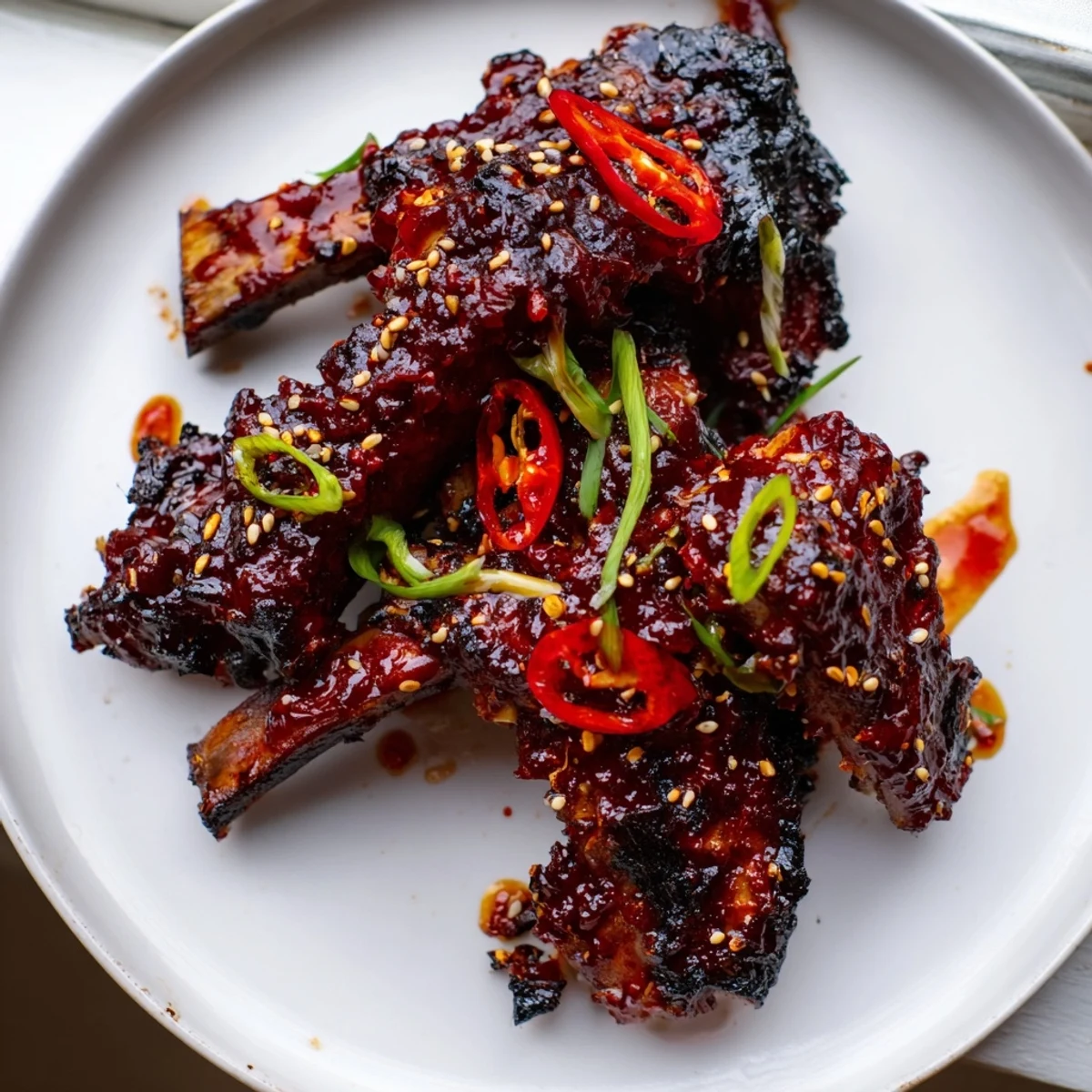
 There is something deeply satisfying about pulling a tray of lacquered, caramelized ribs from the oven while the scent of toasted sesame and fermented chili fills every corner of the house.
Serving Ideas That Actually Work
These ribs shine brightest alongside simple steamed rice that soaks up any glaze that drips off the bone. A small plate of quick pickled cucumbers or radishes adds crunch and acidity that balances the richness perfectly.
Grill Finish for Extra Character
If you have access to an outdoor grill or a stovetop grill pan, giving the ribs two to three minutes per side over direct flame after roasting adds a smoky char that the oven alone cannot replicate. The slight bitterness from the charred edges plays beautifully against the sweet glaze and bright yuzu.
Adjusting Heat and Finding Yuzu
Gochujang brands range from mild and sweet to genuinely fiery, so taste yours before committing to the full amount and adjust up or down based on your comfort level. Yuzu juice is worth hunting down at Asian grocers or online, but if you must substitute, a blend of equal parts lemon and lime juice gets closest to its unique floral tartness.
- Start with less gochujang if you are sensitive to spice, since the heat builds as the glaze concentrates.
- Check the label on your gochujang for gluten if that is a concern, as some brands include wheat in their fermentation base.
- Always let the ribs rest before cutting so the juices redistribute and every bite stays succulent.
 Pin this
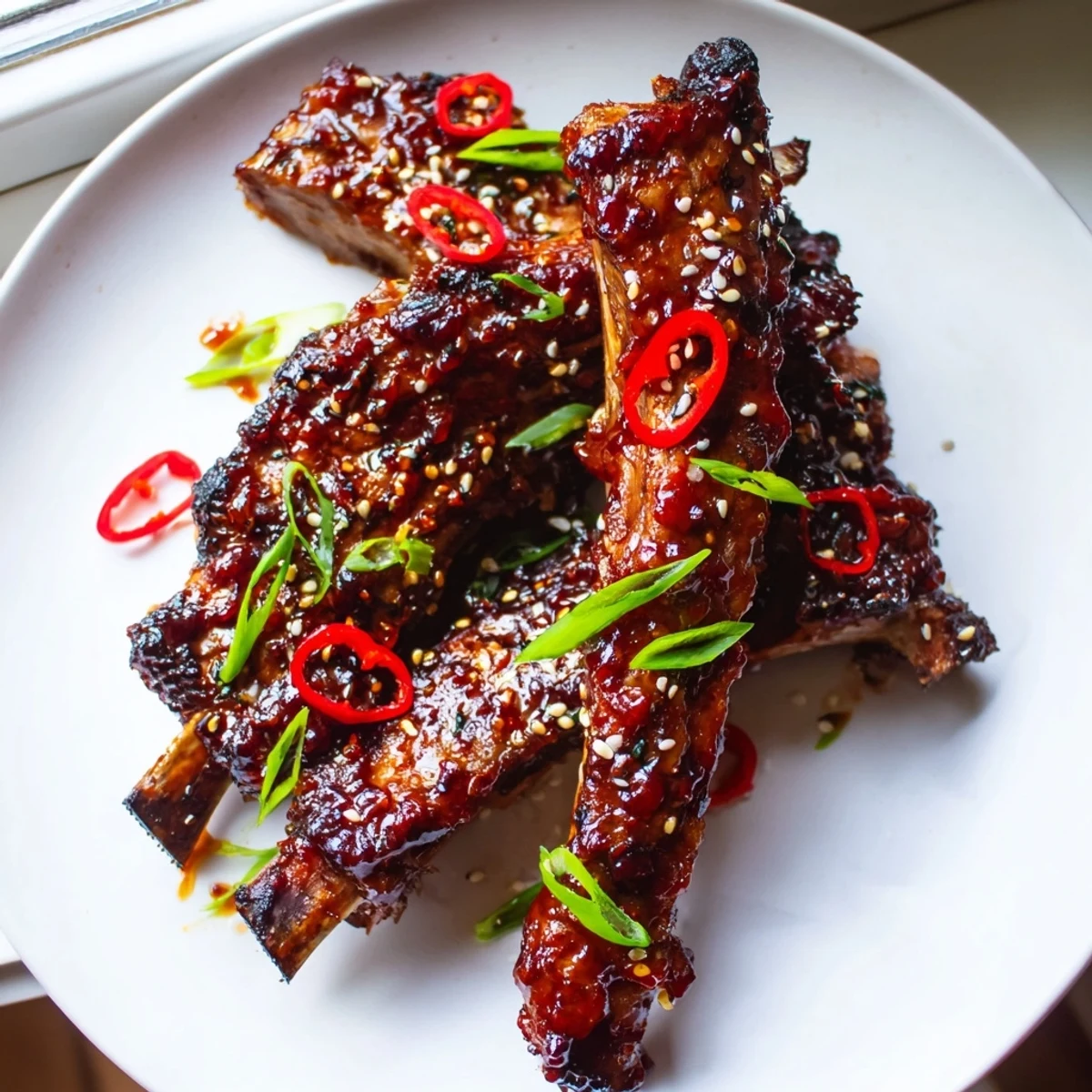
 Once you taste what yuzu does to caramelized lamb, this recipe will earn a permanent spot in your rotation. Share it with someone who thinks they do not like lamb, and watch what happens.
Recipe Questions & Answers
- → Where can I find yuzu juice?
-
Yuzu juice is available at most Asian specialty stores and many well-stocked grocery chains in the international aisle. If you cannot locate it, fresh lemon juice works as a substitute, though the flavor profile will be less floral and more sharply acidic.
- → Can I grill these lamb ribs instead of roasting?
-
Yes. For best results, roast the ribs at 160°C (320°F) for one hour first to ensure tenderness, then finish them on a hot grill for two to three minutes per side. This gives you that deep smoky char while keeping the meat succulent inside.
- → How spicy are these lamb ribs?
-
The heat level depends on the amount of gochujang you use. The marinade as written delivers a moderate, building warmth. To reduce spice, cut the gochujang back to one tablespoon. To increase it, add extra or include a pinch of Korean chili flakes (gochugaru).
- → Can I make this dish gluten-free?
-
Absolutely. Use a certified gluten-free soy sauce or tamari, and verify that your gochujang brand is gluten-free, as some contain wheat. All other ingredients in the marinade and glaze are naturally gluten-free.
- → How long should I marinate the lamb ribs?
-
A minimum of four hours is recommended so the flavors penetrate the meat, but overnight marinating in the refrigerator yields the deepest, most complex flavor. Turn the ribs occasionally in the bag or dish to ensure even coating.
- → What should I serve with Korean BBQ lamb ribs?
-
Steamed white rice and quick-pickled vegetables are classic pairings that balance the richness. A simple cucumber salad with sesame dressing or a bowl of miso soup also complement the bold, sweet-savory glaze beautifully.