
 Pin this
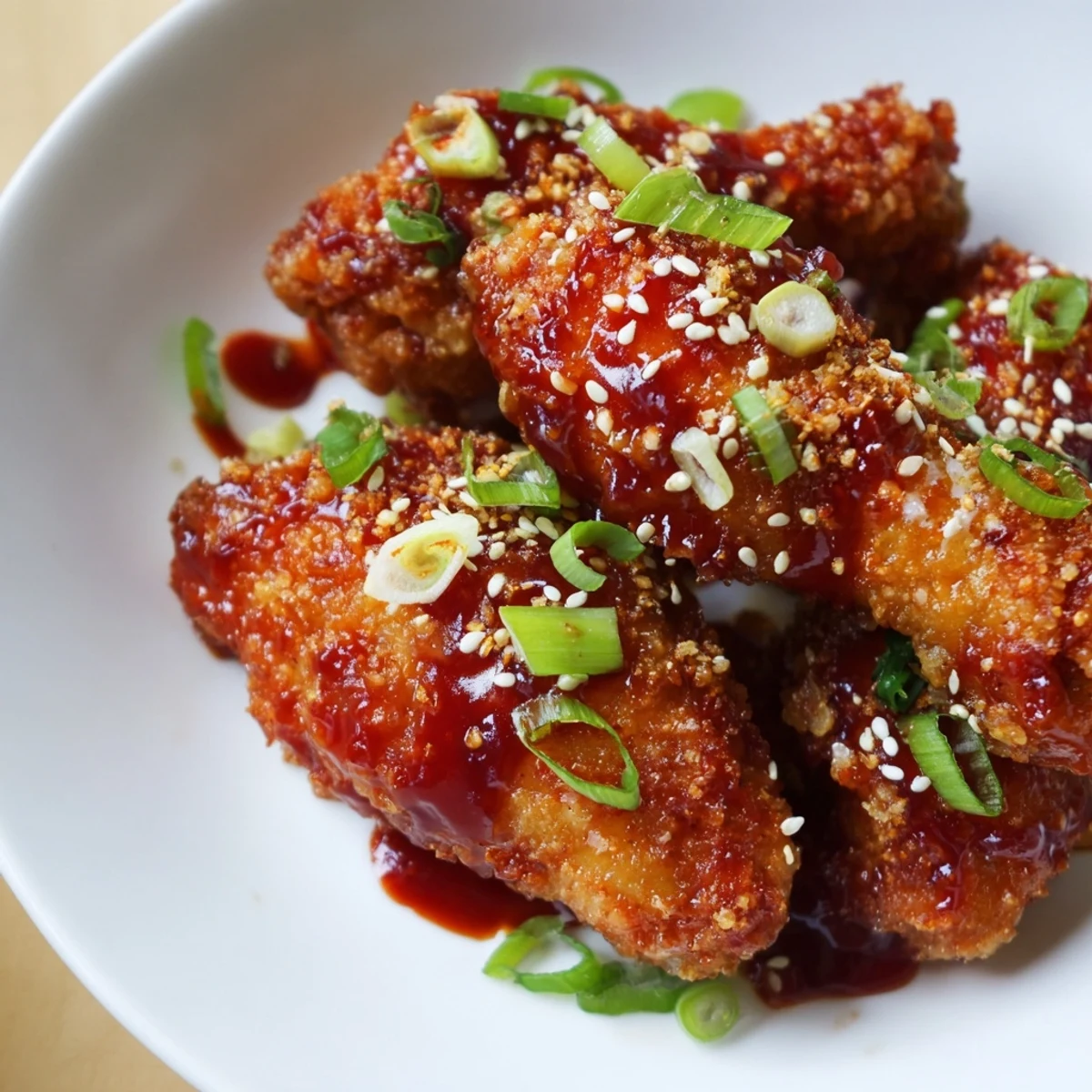
 Double-frying delivers an ultra-crispy crust while keeping the meat tender. Pat the chicken dry, season with salt, pepper and ginger, then dredge in a mix of cornstarch, potato starch and a touch of flour. Fry first at about 170°C (340°F) until nearly cooked, rest, then finish at 190°C (375°F) for a deep golden, shattering crust.
Simmer gochujang with honey, ketchup, soy, brown sugar, garlic, vinegar and sesame oil until glossy, then toss the hot chicken to coat. Garnish with toasted sesame seeds and sliced green onions. Adjust gochujang for heat and swap in boneless thighs if preferred.
Crispy, spicy-sweet Korean fried chicken caught my attention first by the raucous sound it made as it hit a plate at a late-night spot. It was cold out, and just the scent—garlicky, peppery, and a little toasty from the oil—told me this was going to be different from any fried chicken I had devoured before. Maybe it was the chatter at the next table, or the hiss of fresh chicken in oil, but as soon as I took that first bite, I started plotting how to recreate it at home. Double-fried, lacquered with sticky glaze, every bite was party-level crunchy and impossibly satisfying.
Last summer, I made a huge platter of these for friends on the backyard patio and the only thing louder than the cicadas was the crunch at first bite. People kept sneaking back for 'just one more wing,' hands messy from red lacquered sauce, laughter mixing with sips of cold beer. By the end of the night, I was already being begged to make it again. Everything tastes bolder outside, but this chicken's crunch reigned supreme.
Ingredients
- Chicken (wings or drumettes): Use meaty pieces for the juiciest result—a good tip is to pat them dry so the coating really clings.
- Salt and black pepper: Season generously, but not overwhelmingly; they’re your foundational flavors here.
- Rice wine: A splash helps tenderize and subtly perfumes the chicken, but you can skip it in a pinch.
- Grated ginger: Fresh is key, giving just a little zing and fragrance you’ll smell as the chicken fries.
- Cornstarch and potato starch: The duo team up for that shattering crust—always press on well for extra crunch.
- All-purpose flour: Adds structure and ensures the coating sticks worthily through two fries.
- Baking powder: Tiny but mighty, it lightens the batter, keeping everything airy inside.
- Gochujang (Korean chili paste): Heart of the sauce, delivers both spicy heat and rich umami depth—taste before you pour all of it in if you’re heat-shy.
- Ketchup: Rounds out the sauce and adds a familiar, tangy sweetness.
- Honey and brown sugar: For that iconic sticky glaze and the signature caramelized edges after tossing.
- Soy sauce: Savory, salty depth—opt for low-sodium if you want more control.
- Rice vinegar: Its acidity tames the sauce, balancing sweet and heat, so don’t skip.
- Garlic: Finely minced for even flavor, and don’t let it burn when making the sauce!
- Sesame oil: A few drops at the end add fragrant richness that lingers.
- Vegetable oil (for frying): Choose a neutral oil with a high smoke point; I find canola or peanut oil work beautifully.
- Toasted sesame seeds & green onions (garnish): Seeds bring toasty crunch and green onions add a burst of color and freshness right at the end.
Instructions
- Marinate the Chicken:
- Lay chicken out and dry thoroughly with paper towels, then massage in salt, black pepper, rice wine, and fresh ginger with your fingertips. Let it sit for a short 15 minutes so flavors settle in.
- Coat Generously:
- Combine cornstarch, potato starch, flour, and baking powder in a bowl; toss chicken one by one, pressing to coat all over—dust off any big lumps for crisp but even pieces.
- Get the Oil Hot:
- Pour oil into a deep pot and patiently heat to 340°F, listening for a gentle sizzle when a crumb is dropped in.
- First Crisp Fry:
- Tumble chicken in batches into oil, frying 6-8 minutes until starting to look golden but not dark, then let them drain on a rack and rest while you prepare the sauce.
- Simmer the Sauce:
- Mix gochujang, ketchup, honey, soy sauce, brown sugar, rice vinegar, garlic, and sesame oil in a saucepan and gently simmer, stirring, until thickened and glossy—breathe in that tangy-sweet aroma.
- Second Power Fry:
- Raise oil to 375°F and fry the chicken again, 2-3 minutes per batch, until craggy, deeply golden, and outrageously crispy—this step is where the magic happens.
- Glaze Every Piece:
- Quickly toss hot fried chicken in a bowl with sauce until every edge glistens, so the coating drinks up just enough to shimmer but not go soggy.
- Serve with Style:
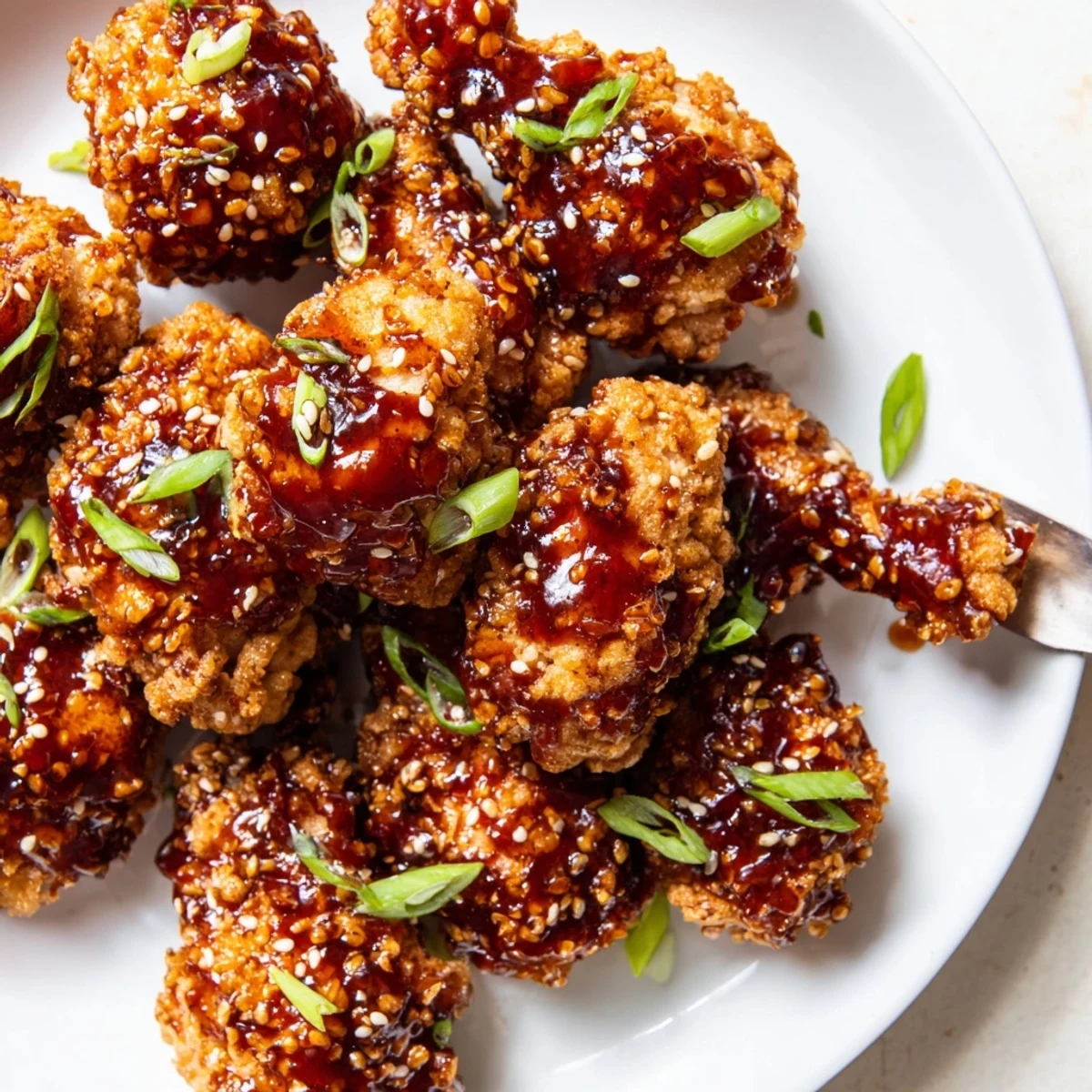
- Arrange on a platter, scatter sesame seeds and green onions, and stand back to admire—then dig in before anyone beats you to it.
 Pin this
 The true sparkle of this recipe hit me during a low-key movie night: my family trading stories between bites, every napkin hopelessly sticky, yet nobody willing to pause for cleanup. At some point, someone declared it better than takeout and that’s how it cemented its spot in our party rotation.
Secrets for Stellar Crunch
Letting the chicken rest briefly between the first and second fry changed everything for me; it ensures the coating fully sets and keeps juices locked inside. The two-starch blend isn’t just extra—it gives the skin that signature sharp crackle. If your oil temperature drops during frying, don’t rush—pause and let it return to the right heat before doing another batch.
Customize the Heat and Sweetness
My first few attempts were eye-wateringly hot but humbling; a little less gochujang, an extra glug of honey, and suddenly everyone could enjoy it, not just the chili chasers. Tasting the sauce as you cook—and adding a splash of vinegar or pinch more sugar as needed—lets you find the sweet spot for your crowd. Boneless thighs swap in easily and still soak up tons of flavor.
Serving, Sides, and What Not to Forget
If you serve this with pickled radish and a round of cold drinks, you’re halfway to a real Korean night at home. Leftovers, while rare, actually keep their crunch surprisingly well when reheated in a hot oven. Don’t skimp on garnishes—the sesame seeds and green onions deliver more than just looks.
- Let the chicken cool just a minute after saucing to set the glaze.
- Clean as you go—sticky hands are inevitable, but less chaos means you enjoy it more.
- If you’re making a double batch, keep cooked chicken hot on a rack in a low oven while frying the rest.
 Pin this
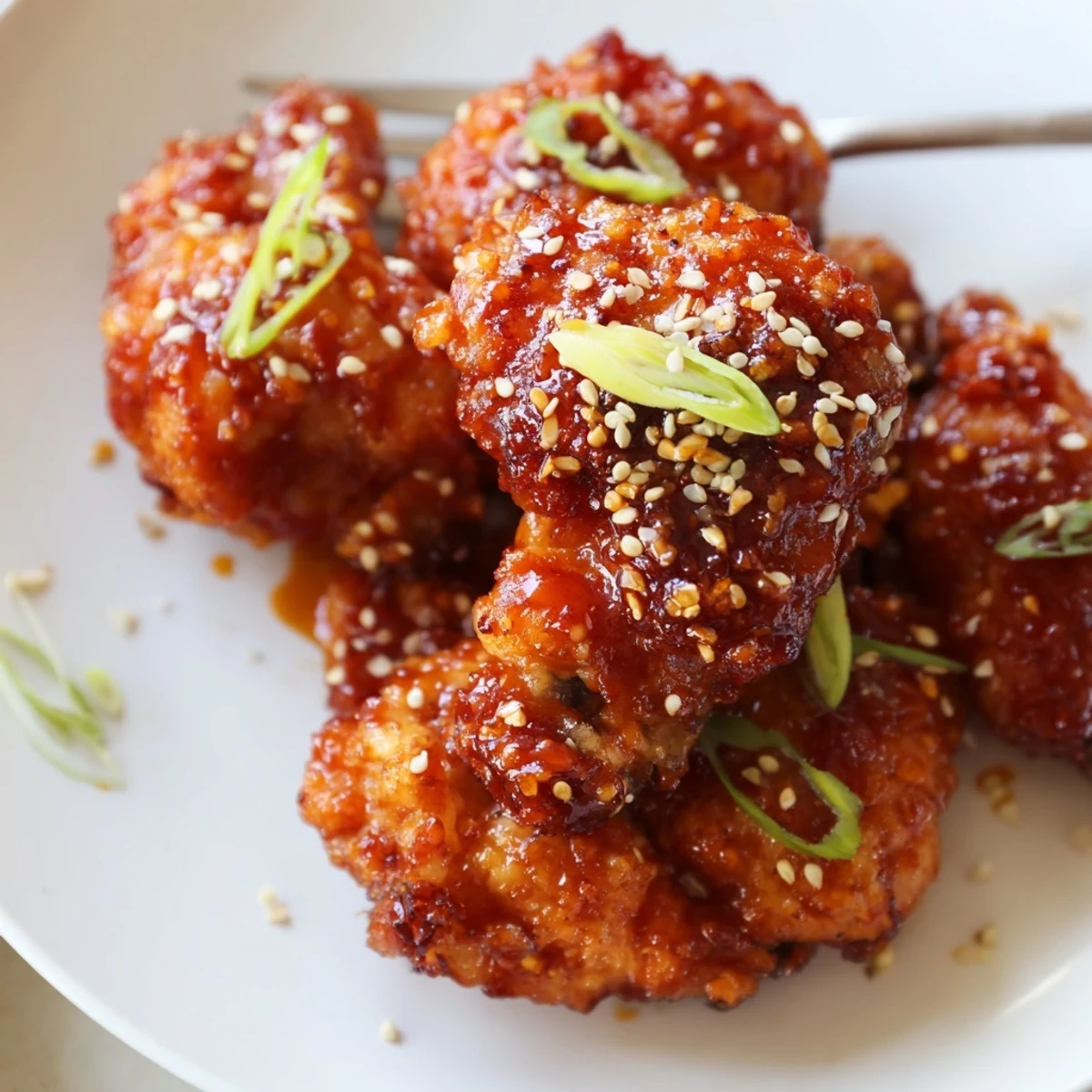
 Whether you’re sharing these wings under twinkle lights or sneaking a piece straight from the stovetop, Korean fried chicken brings so much joy to the table. Make a big batch—trust me, there will never be enough.
Recipe Questions & Answers
- → How does double-frying help the texture?
-
Two-stage frying first cooks the interior at a lower temperature, then a hotter second fry crisps and dries the coating for a light, shattering crust without overcooking the meat.
- → Can I use boneless chicken instead of wings?
-
Yes. Boneless thighs are a great substitute—cut into uniform pieces, adjust first-fry time slightly shorter, and proceed with the second high-temperature fry for maximum crisp.
- → How do I control the heat level of the glaze?
-
Reduce gochujang or balance it with a bit more honey and brown sugar to tame heat. Alternatively, add a splash more rice vinegar for tang without extra spice.
- → What oil temperature is best for frying?
-
Maintain about 170°C (340°F) for the first fry, then increase to roughly 190°C (375°F) for the crisping second fry. Use a thermometer to keep temperatures steady.
- → How can I make the coating extra crunchy?
-
Use a high ratio of starch (cornstarch + potato starch), avoid wet batter, press the coating onto the pieces, and ensure oil is hot enough for both fry stages. Let fried pieces rest before the second fry.
- → Any tips for glazing without losing crispness?
-
Keep the sauce hot and slightly thick so it clings quickly. Toss briefly and serve immediately; for crunchier bites, serve sauce on the side for dipping.