
 Pin this
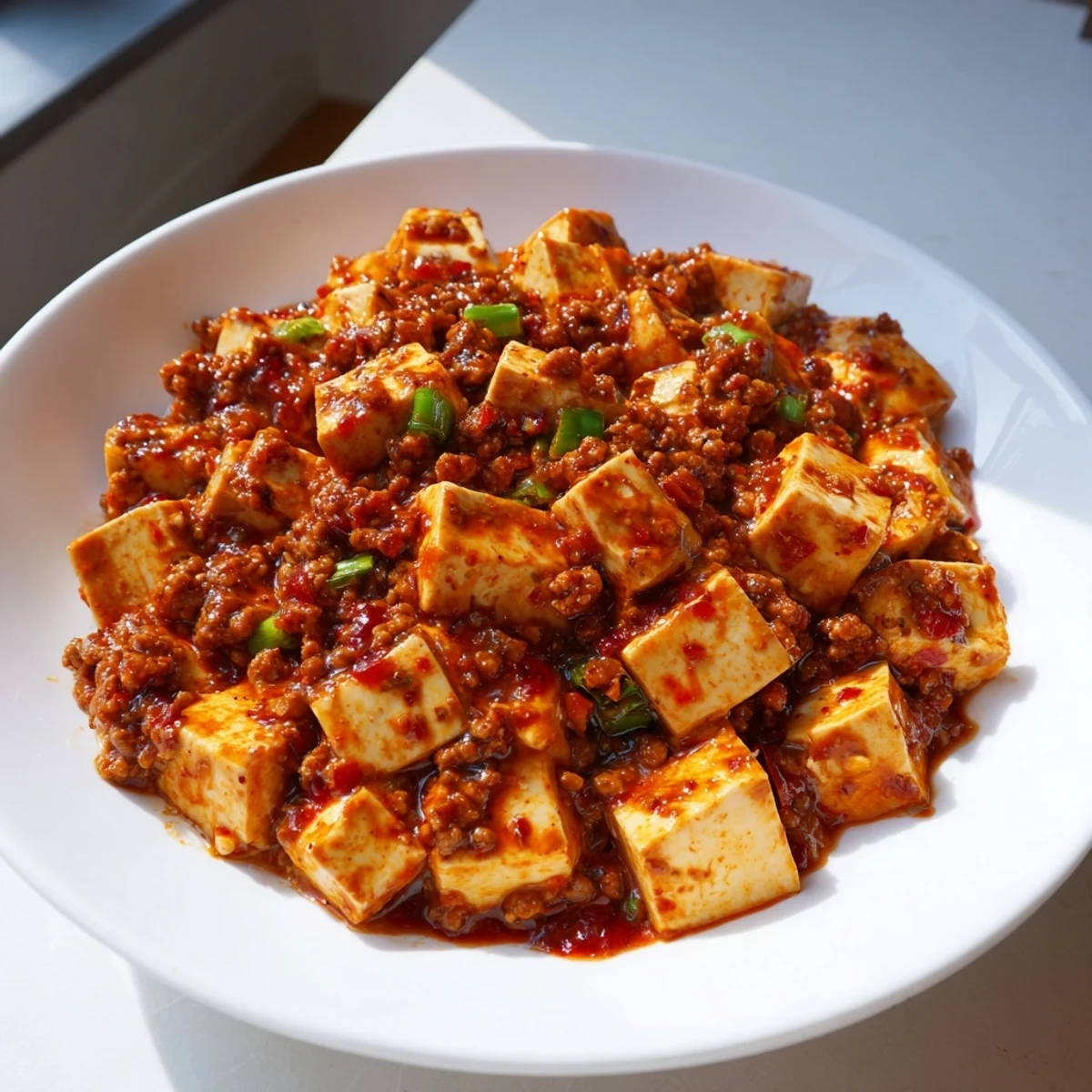
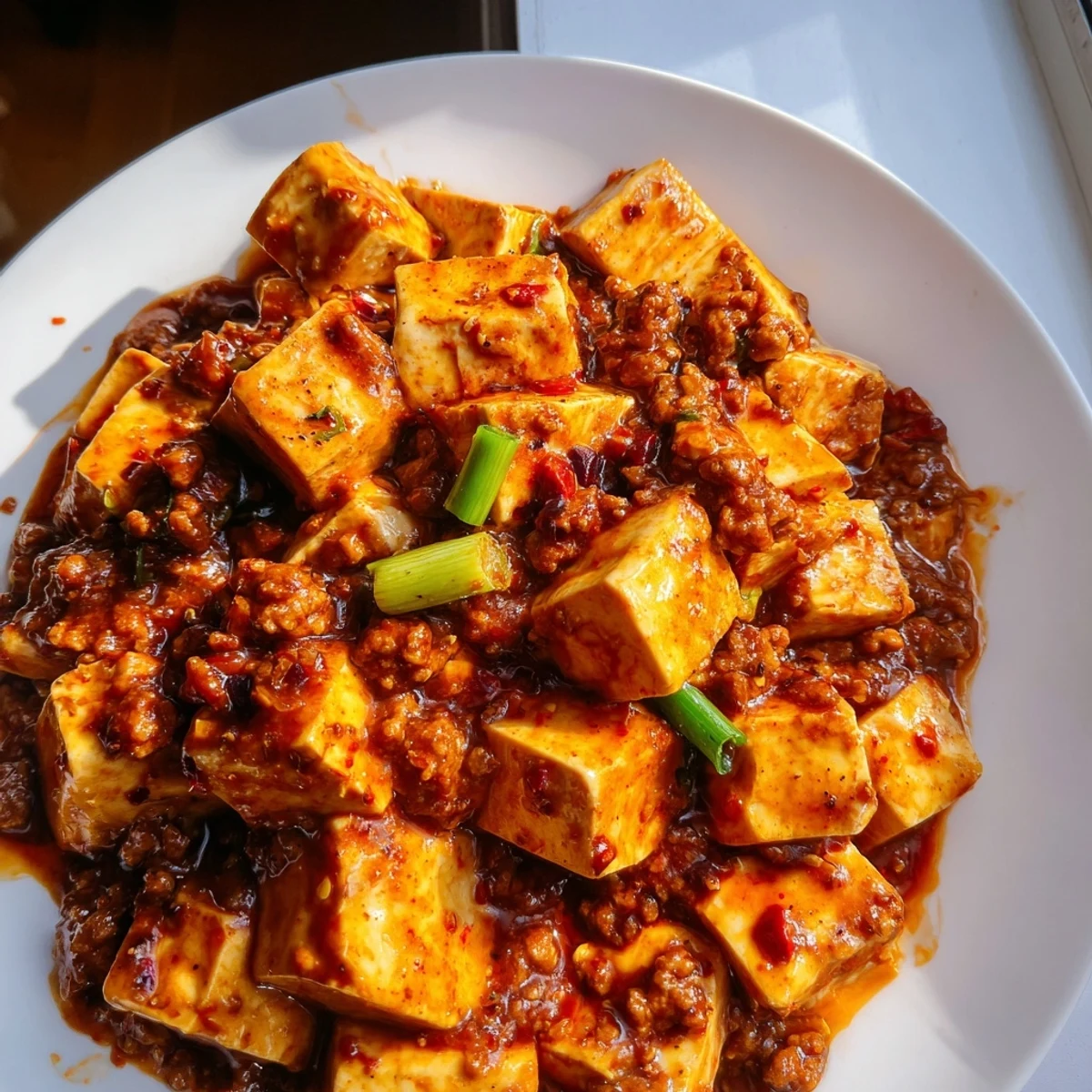
 This comforting fusion dish marries the fiery, numbing heat of Sichuan mapo tofu with the satisfying chew of Japanese udon noodles. Soft tofu cubes and ground pork (or plant-based mince) simmer in a rich, aromatic sauce made with fermented chili bean paste, garlic, ginger, and toasted Sichuan peppercorns. The thickened sauce clings beautifully to the thick udon noodles, creating a harmonious balance of textures and flavors. Ready in just 35 minutes, this dish brings together the best of Chinese and Japanese cuisines for a hearty, satisfying meal that's easily customized for vegetarians.
The steam was still rising from the wok when my roommate walked in, nose twitching like a bloodhound. She'd never had Sichuan food before, and the combination of that numbing peppercorn fragrance with udon noodles stopped her mid-sentence. We ended up eating standing up in the kitchen, too impatient to bother with proper plates.
I started making this on Tuesday nights when work ran late and my brain refused to think about anything more complicated than opening packages. The udon cooks while the sauce bubbles, and suddenly dinner transforms into something that makes the week feel less endless.
Ingredients
- Soft tofu: Cubed gently so it holds its shape in the simmering sauce
- Ground pork or plant-based mince: Break it into tiny pieces as it browns for maximum sauce coverage
- Fresh udon noodles: The thicker, chewier texture stands up to bold mapo flavors
- Sichuan peppercorns: Lightly crushed to release their signature numbing essence
- Doubanjiang: The fermented chili bean paste that gives the dish its soul and color
- Cornstarch slurry: The secret to that glossy, clinging consistency
Instructions
- Toast the peppercorns first:
- Heat oil in a wok and add crushed peppercorns, letting them dance for 30 seconds until their perfume fills the kitchen
- Build your flavor base:
- Sauté garlic, ginger, and white onion parts until fragrant, then brown your protein until it's golden and crumbled
- Awaken the chili paste:
- Stir in the doubanjiang and watch the oil turn crimson red, cooking until the raw paste taste melts into something savory and deep
- Simmer gently:
- Add tofu cubes and broth, letting everything bubble together as the sauce thickens into something you'll want to spoon over everything
- Bring it together:
- Cook udon until perfectly chewy, divide into bowls, and drown each portion in that spicy, numbing sauce
 Pin this
 Last winter my friend came over during a snowstorm and we devoured three bowls while watching bad movies on the couch. The heat from the spice seemed to make the weather outside feel cozy instead of harsh.
Making It Your Own
Once you master the base technique, this recipe welcomes all kinds of personal tweaks. The interplay between Sichuan numbing heat and Japanese comfort noodles is surprisingly flexible.
Adjusting The Heat Level
Not everyone craves the same intensity, and that's perfectly acceptable. Start with half the doubanjiang if you're uncertain, then taste and add more as the sauce simmers.
Perfecting The Texture
The ideal bowl balances soft tofu, chewy noodles, and a sauce that coats without drowning everything. Pay attention during that final simmer when the cornstarch works its magic.
- Stir the slurry again right before adding it, as cornstarch settles quickly
- The sauce will continue thickening off the heat, so err on the slightly loose side
- Leftovers reheat beautifully with a splash of broth to loosen everything up
 Pin this
 Something magical happens when that first numbing bite hits your tongue and the udon follows behind. This is comfort food with authority.
Recipe Questions & Answers
- → Can I make this dish vegetarian or vegan?
-
Absolutely. Substitute ground pork with plant-based mince and replace oyster sauce with mushroom sauce. Use vegetable broth instead of chicken broth for a completely plant-based version.
- → How spicy is this dish?
-
The heat level is medium to high due to doubanjiang (fermented chili bean paste). Adjust the spice by adding more or less paste, or skip the optional chili oil garnish for a milder version.
- → Can I use dried udon noodles instead of fresh?
-
Yes, dried udon noodles work well. Cook according to package instructions, usually boiling for 10-12 minutes until tender. Fresh udon cooks faster, typically just 2-3 minutes.
- → What can I substitute for doubanjiang?
-
Korean gochujang makes a decent substitute, though it's sweeter. For a closer match, mix red chili paste with fermented black beans. The flavor profile won't be identical but still delicious.
- → How should I store leftovers?
-
Store the mapo tofu sauce and udon noodles separately in airtight containers in the refrigerator for up to 3 days. Reheat the sauce gently and cook fresh noodles or reheat existing ones with a splash of water.
- → Can I make the sauce ahead of time?
-
Yes, prepare the mapo tofu sauce up to 2 days in advance. Reheat gently on the stove, adding a splash of broth or water if the sauce thickens too much. Cook udon fresh before serving.