
 Pin this
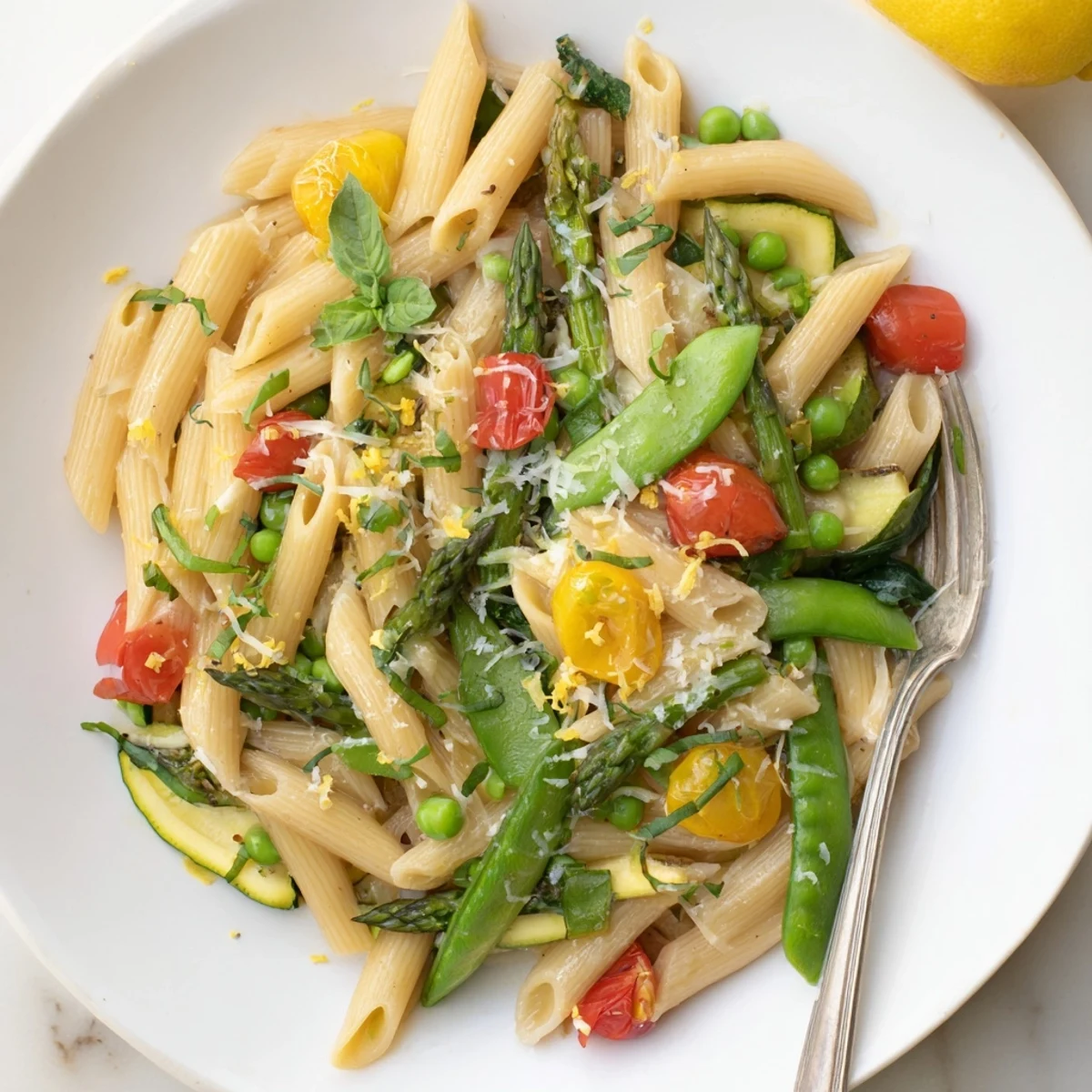
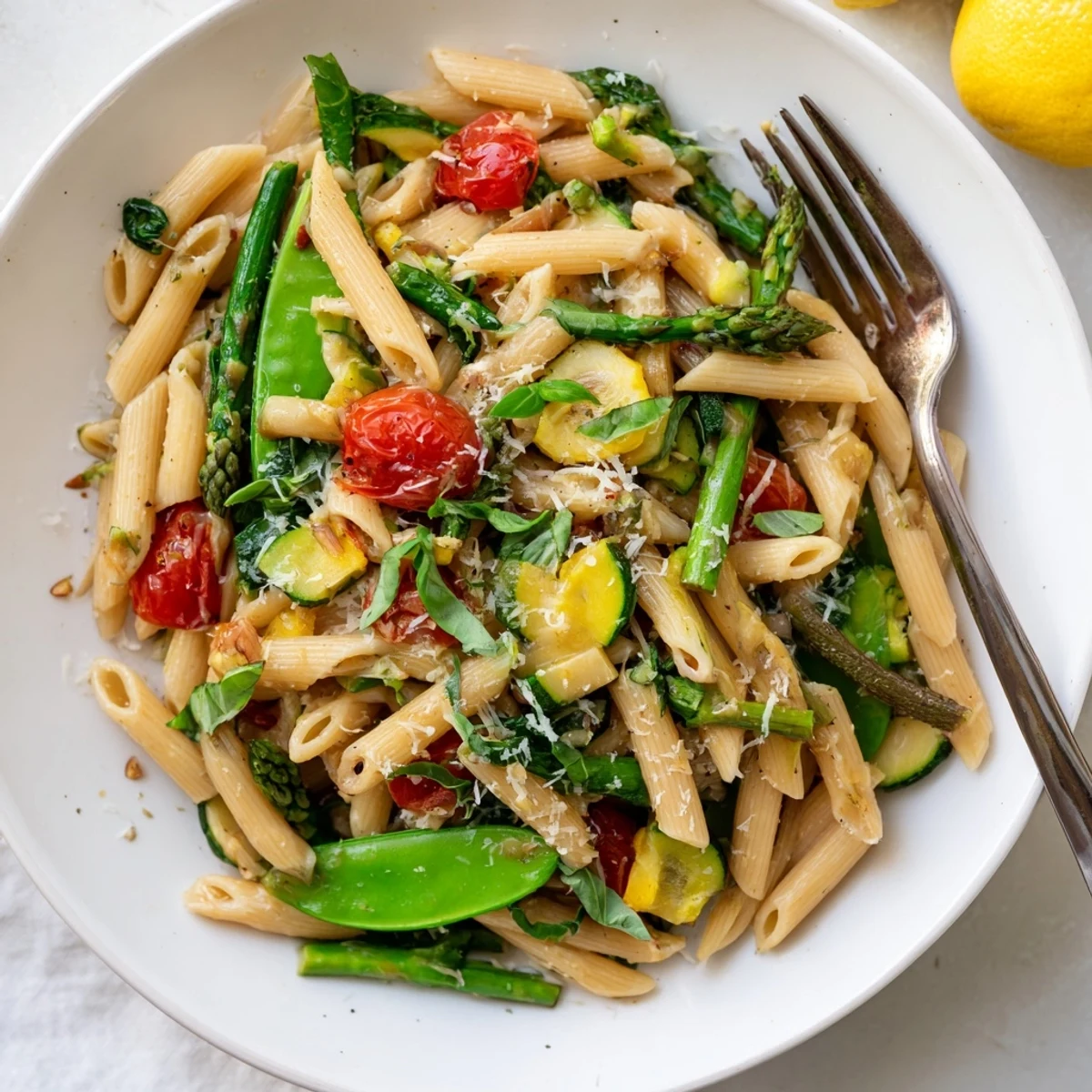
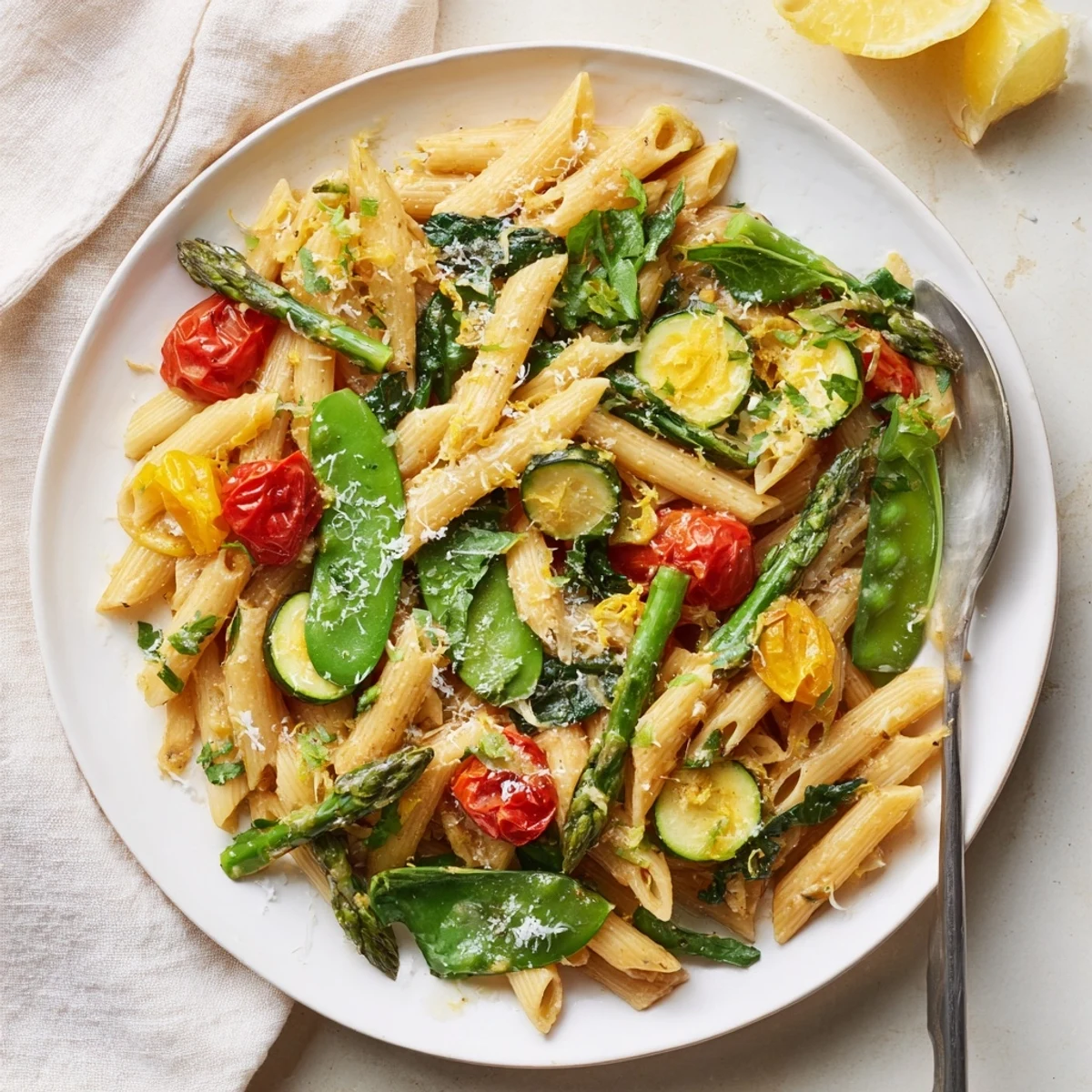
 This effortless one-pot pasta combines tender penne with vibrant spring vegetables including asparagus, snap peas, zucchini, cherry tomatoes, and baby spinach. The dish comes together in just 35 minutes, cooking everything in vegetable broth for maximum flavor absorption. Aromatics like garlic, onion, and Italian herbs create depth, while fresh Parmesan, lemon zest, and basil brighten the final dish. Perfect for weeknight dinners when you want something nutritious, colorful, and satisfying without spending hours at the stove.
Last Tuesday caught me completely unprepared for dinner. My sister dropped by unexpectedly with two friends from her yoga class, and suddenly I needed to feed four people with what I had in the fridge. The farmers market haul from Sunday sat in my crisper drawer asparagus snapping at the edges, snap peas that had gone slightly limp, and cherry tomatoes that were desperately waiting to be used. I threw everything into one pot with some pasta and prayed it would work.
That impromptu dinner turned into one of those meals where nobody talks because everyone is too busy eating. My sister's friend asked for thirds, which I consider the highest compliment possible. Something about the brightness of lemon zest against the sweetness of roasted tomatoes just works. Now I keep these vegetables stocked specifically for nights when cooking feels like too much effort but I still want something that feels special.
Ingredients
- Asparagus: Trim the woody ends by bending each stalk until it snaps naturally, then cut into pieces that will cook evenly with the pasta
- Sugar snap peas: Halving them exposes their sweet interior and helps them release moisture into the sauce as they simmer
- Cherry tomatoes: When they burst during cooking, they create little pockets of concentrated sweetness throughout the dish
- Zucchini: Dice them small enough that they soften but do not turn into mush, adding body without overwhelming the delicate spring flavors
- Baby spinach: Added at the very end so it wilts gently while preserving its vibrant color and fresh taste
- Penne or fusilli pasta: These shapes hold onto the broth based sauce beautifully, catching vegetables in their crevices
- Garlic and onion: The aromatic foundation that builds depth even in this quick cooking dish
- Vegetable broth: Use a good quality one, preferably low sodium, since it reduces down and becomes the primary seasoning
- Lemon zest: This bright finishing touch wakes up all the other flavors and makes the vegetables taste somehow greener and fresher
Instructions
- Build your flavor base:
- Heat olive oil in a large, deep skillet over medium heat and sauté the onion and garlic until they turn translucent and your kitchen starts smelling like something good is happening
- Start the vegetables:
- Add the asparagus, snap peas, zucchini, and cherry tomatoes, stirring for a few minutes until they begin to soften and the tomatoes start looking juicy
- Add everything else:
- Stir in the uncooked pasta with your seasonings, pour in the vegetable broth, and bring it to a bubble before covering
- Let it simmer:
- Reduce heat and let everything cook together, stirring occasionally to prevent sticking, until the pasta is al dente and has absorbed most of the liquid into a creamy sauce
- Finish with fresh elements:
- Stir in the spinach until it just wilts, then remove from heat and fold in the Parmesan, lemon zest, and basil
 Pin this
 My neighbor knocked on my door while I was making this last week, following the smell of garlic and basil. She ended up staying for dinner and has since requested the recipe three times. There is something about a one pot meal that puts people at ease, maybe because it feels so unpretentious. This pasta has become my go to for bringing to new parents or sick friends, since it travels well and tastes even better the next day.
Choosing Your Vegetables
Spring vegetables vary wildly in quality depending on where you shop and what time of year it is. I have learned the hard way that woody asparagus never truly softens, no matter how long it simmers. Look for bright green, firm spears with tight tips, and snap peas that plump back up when you press them gently. If your zucchini feels rubbery or has soft spots, skip it and use bell pepper instead. The vegetables should look like they want to be eaten.
Making It Your Own
This recipe handles additions beautifully because the base is so simple. Sometimes I add white beans for extra protein, especially when I want it to feel more substantial. Fresh herbs can be swapped based on what you have, though basil and lemon zest together create that signature brightness. During winter, I have made this with roasted butternut squash and kale instead of spring vegetables, and it still somehow works.
Timing Your Perfect Bite
The trickiest part is getting the pasta texture right while the vegetables still have some bite. I start checking after 10 minutes, even though the package usually says 12. Better to slightly undercook than end up with mushy vegetables and bloated pasta. The residual heat continues everything for those crucial minutes between stove and table.
- Set a timer for 10 minutes, then check every minute after
- Taste a piece of pasta and a vegetable together to judge the overall doneness
- Have your garnishes ready before you start, since the final step happens quickly
 Pin this
 This pasta reminds me that some of the best meals come from making do with what you have and trusting simple ingredients to shine. Hope it brings you as many unexpected, happy moments around the table as it has brought me.
Recipe Questions & Answers
- → Can I use different vegetables?
-
Absolutely. Swap in green peas, artichoke hearts, or bell peppers based on what's in season or your personal preference. The cooking method works well with most quick-cooking vegetables.
- → What pasta shapes work best?
-
Penne and fusilli are excellent choices because their shapes hold onto the sauce and vegetables. Short pasta with ridges or tubes works particularly well for absorbing the flavorful cooking liquid.
- → How do I store leftovers?
-
Store in an airtight container in the refrigerator for up to 3 days. The pasta will continue absorbing liquid, so add a splash of water or broth when reheating to restore creaminess.
- → Can I make this vegan?
-
Yes. Simply omit the Parmesan or use a plant-based alternative. The vegetable broth provides plenty of savory depth, and the fresh vegetables shine without dairy.
- → Why cook pasta directly in the broth?
-
Cooking pasta in the vegetable broth allows the noodles to absorb flavor as they cook. The starch released into the liquid creates a naturally silky sauce that clings to the vegetables.
- → Is gluten-free pasta suitable?
-
Yes, but cooking times may vary. Gluten-free pasta often cooks faster, so check for doneness a few minutes earlier. You may need to adjust the liquid amount slightly.