
 Pin this
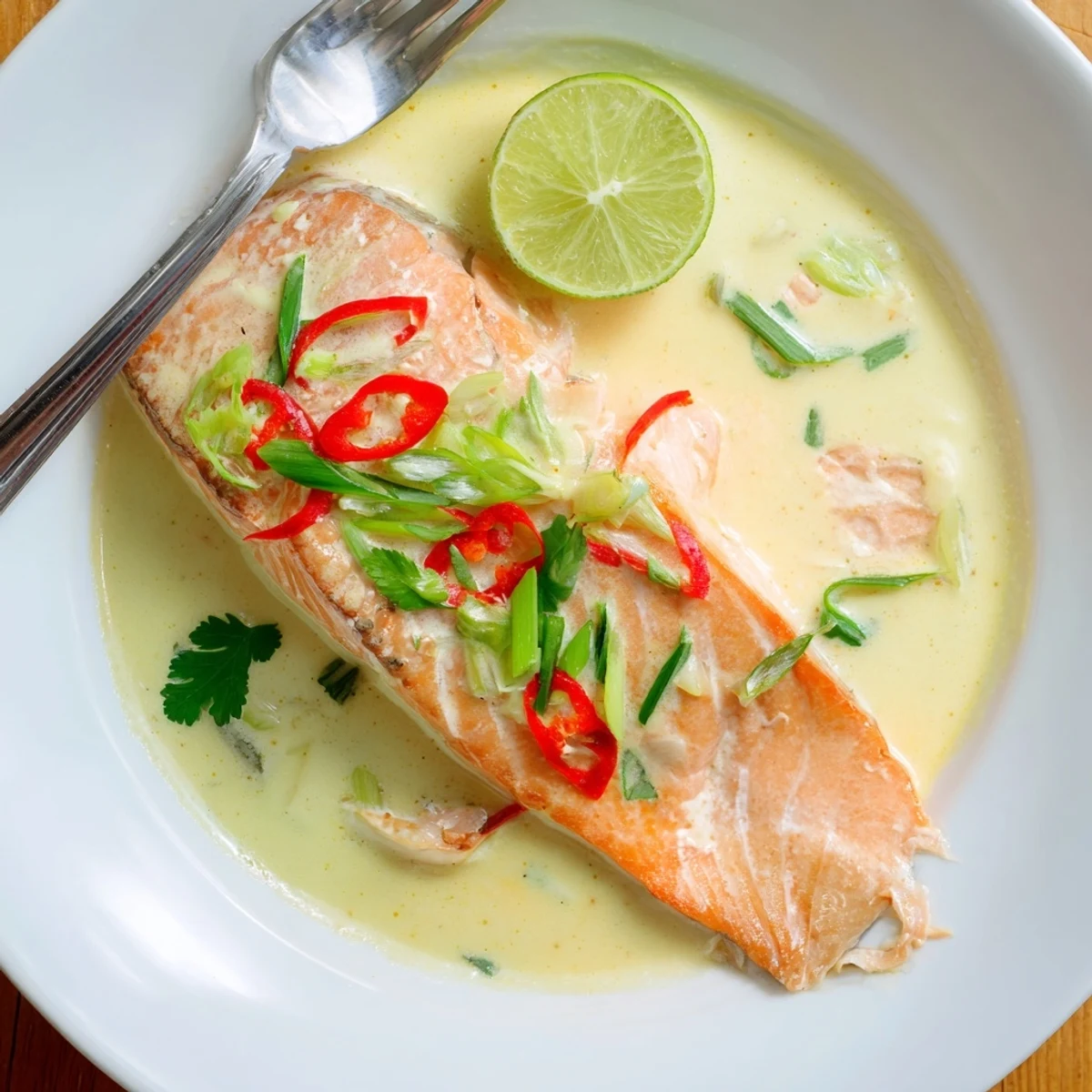
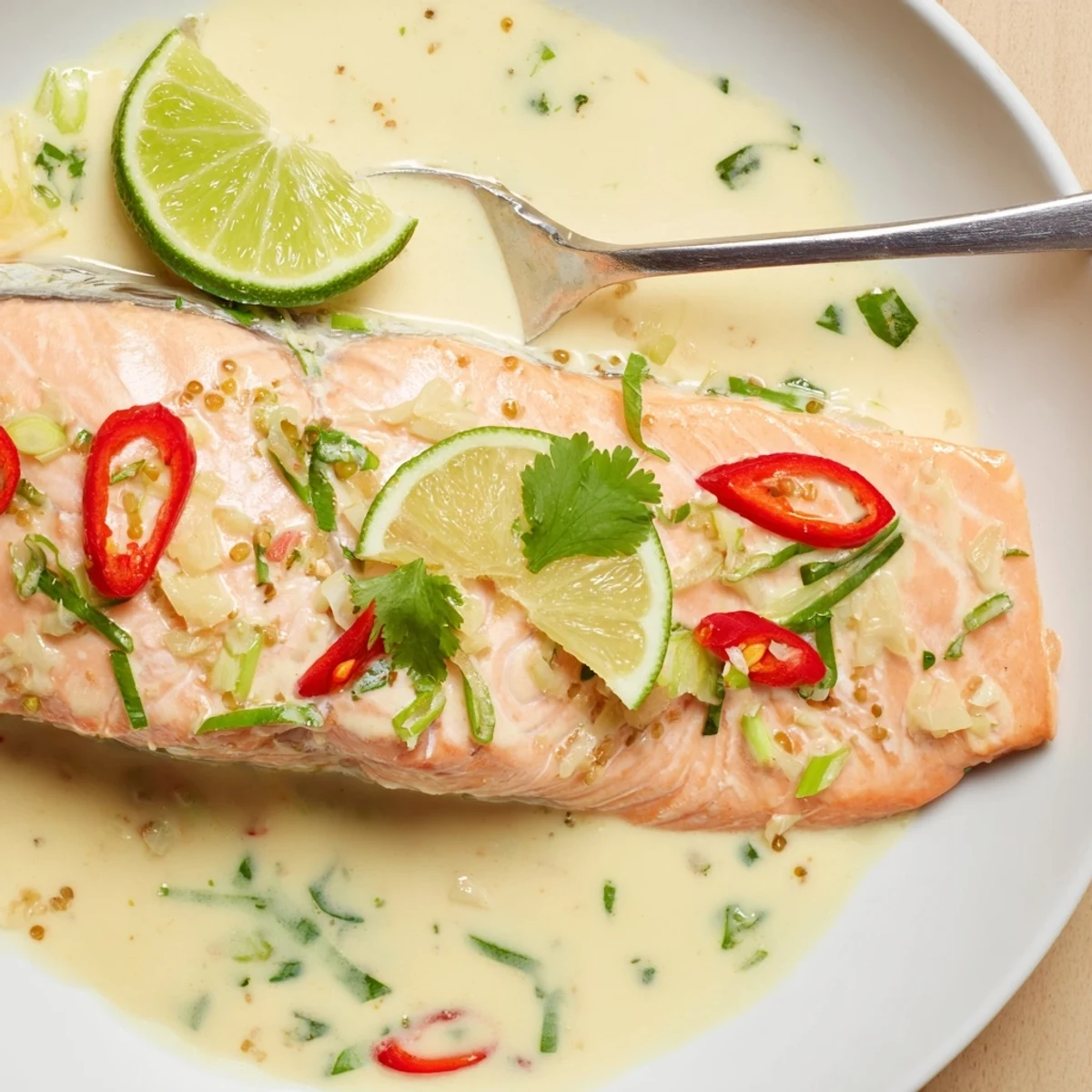
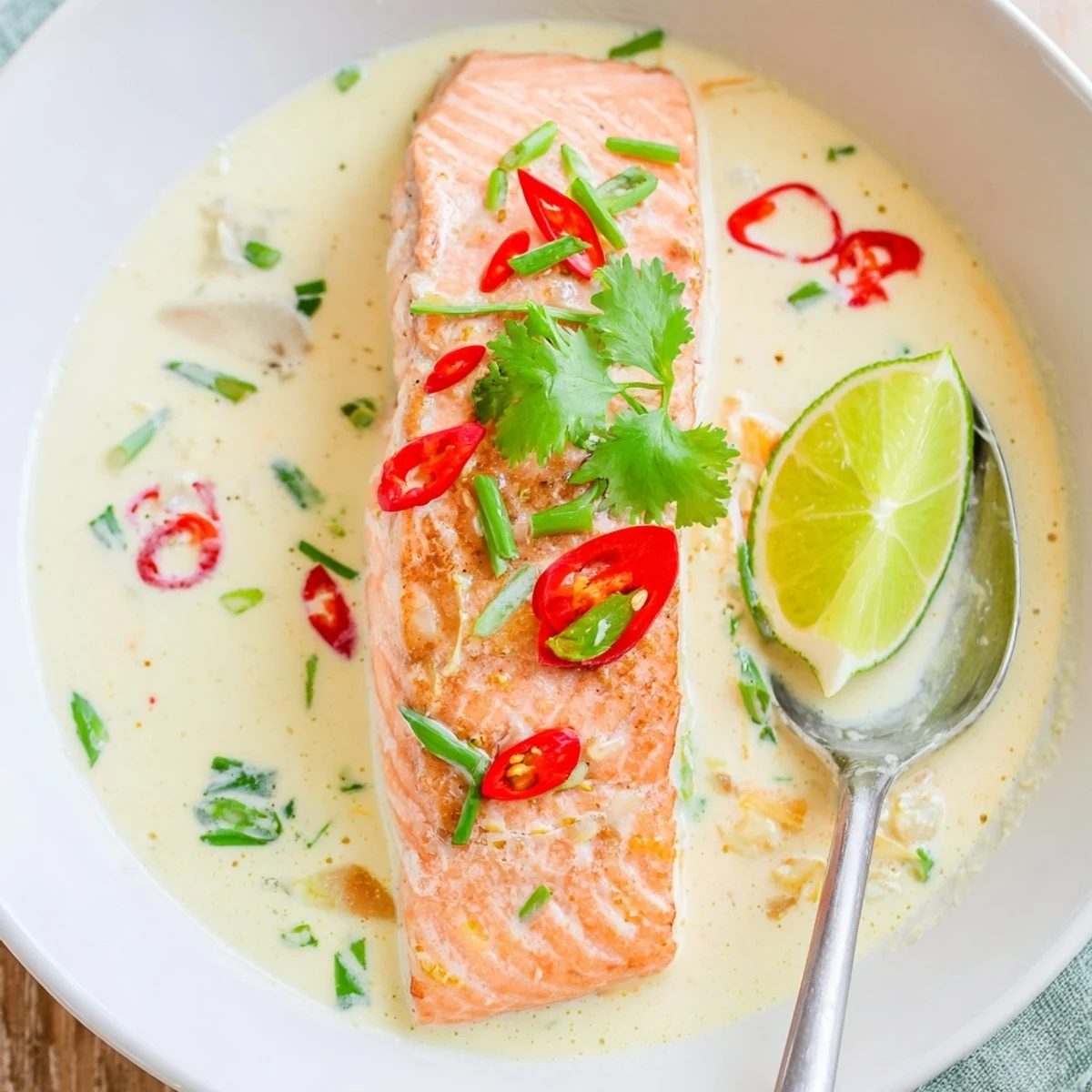
 Poached salmon fillets are gently simmered in a fragrant coconut-lime broth until just flaky. Begin by sautéing garlic, shallot and ginger, then add coconut milk, lime zest and juice, fish sauce and a pinch of sugar. Nestle seasoned fillets into the simmering liquid and poach 10–12 minutes. Stir in cilantro and green onions, spoon sauce over the fish, and serve with jasmine rice or steamed greens for a bright, balanced dinner.
There was a rainy afternoon when the familiar sizzle of shallots hitting coconut oil was the one bright spot in my tiny kitchen. I wasn’t particularly hungry, just craving the colors and aromas of something that would shake off the grayness outside. The idea of letting fresh salmon gently poach in a creamy coconut-lime sauce felt like the culinary equivalent of opening a window to sunlight. Sometimes, flavors are the only way to travel when you need a change of scenery.
The first time I made poached salmon in coconut lime sauce for friends was almost accidental — I was low on groceries, but had a can of coconut milk and stubborn optimism. We stood around the stove, everyone dunking bread into the bubbling sauce before the fish was even cooked. Nobody waited for plates, and there wasn’t a single complaint.
Ingredients
- Salmon fillets: Use fresh, skinless fillets—removing pin bones saves time at the table and helps the fish poach evenly.
- Salt & black pepper: A quick sprinkle before poaching brings out the delicate salmon flavor.
- Coconut oil: The gentle aroma is worth it, but any neutral oil will do if you’re in a pinch.
- Garlic cloves: Chop them just before cooking for that punchy, sweet smell as they hit the pan.
- Shallot: Its subtle flavor blends smoothly into the sauce—be generous with it if you can.
- Fresh ginger: Grate for more aroma and to keep stringy bits out—the zestier, the better.
- Red chili: Add for a bit of heat, or skip if you want a milder touch; slice thin for an even spread of warmth.
- Coconut milk: Full-fat makes the sauce silky and indulgent—shake the can well before opening.
- Lime (zest & juice): Wash before zesting, and juice just before adding to capture all the bright, tangy notes.
- Fish sauce or soy sauce: Just a splash adds deep savory layers—soy sauce is perfect if you’re keeping it vegetarian.
- Sugar: Balances out the tartness and brings all the flavors together smoothly.
- Fresh cilantro: Chop just before serving for the boldest fragrance—it makes the whole dish sing.
- Green onions: Sprinkle for color and crunch at the finish line.
- Lime wedges, cilantro leaves, sliced chili (garnish): Add extra brightness and visual pop right at the table—everyone loves to add their own.
Instructions
- Prep the salmon:
- Pat your fillets dry and season them with salt and pepper on all sides—your fingers might get a bit oily, but it’s worth the care.
- Sauté aromatics:
- In your largest skillet, melt coconut oil over medium heat; toss in garlic, shallot, and ginger and stir until it smells like you want to bottle it up.
- Add a kick:
- Stir in the red chili for a minute and lean in—the scent will let you know if you’re in for gentle warmth or bold heat.
- Build the sauce:
- Pour in the coconut milk, then add lime zest, lime juice, fish sauce, and sugar; stir slowly, letting everything come together into a creamy pool.
- Poach the salmon:
- Nestle each fillet into the sauce, making room so they’re all just barely submerged; reduce heat and cover, letting it gently bubble as you peek now and then for doneness (10–12 minutes).
- Finish and serve:
- Lift the salmon out with care—take a second to inhale the steam—then stir in cilantro and green onions, and pour generous spoonfuls of sauce over the plated fish before scattering on your favorite garnishes.
 Pin this
 I still remember the moment my usually-skeptical uncle went back for seconds without a word—just a raised eyebrow and an empty plate. That’s when I realized this wasn’t just a recipe for dinner, but a recipe for happy surprises around the table.
Choosing Your Perfect Pairings
Pairing this salmon with hot jasmine rice turns the sauce into pure comfort, or go with sautéed greens for something lighter. The coconut lime flavors work especially well with mild vegetables and simple grains. If I’m feeling adventurous, I serve it with a tangy slaw or even roasted sweet potatoes on the side.
How to Make It Vegetarian
Swapping in thick slabs of tofu is surprisingly satisfying—the coconut sauce clings to the edges, making every bite just as rich as the original. Soy sauce replaces fish sauce for that hit of umami. Press the tofu first for the best texture, then let it simmer gently with the sauce so it soaks up all the flavor.
What To Watch For As You Cook
If you notice the sauce thickening too much, add a splash of water or coconut milk to loosen it up. Taste for salt, lime, and chili before serving—sometimes a last minute squeeze makes all the difference. Don’t rush the garnish, since fresh herbs and lime bring every forkful to life.
- Let the salmon rest for a minute before serving to keep it flaky.
- Scrape the bottom of the pan for browned bits when adding coconut milk for extra flavor.
- Trust your senses—aroma is the best sign it’s ready.
 Pin this
 This recipe is proof that a little improvising and a good sauce can turn any night into something special. Invite someone to join you—good food like this is meant to be shared.
Recipe Questions & Answers
- → How can I tell when the salmon is perfectly cooked?
-
The salmon is done when the flesh turns opaque and flakes easily with a fork. Aim for a gentle hold of moisture—an internal temperature around 125–130°F yields tender, slightly medium fillets; carryover heat will finish cooking.
- → Can I poach the salmon from frozen?
-
It's best to thaw salmon first for even cooking. If poaching from frozen, extend the poaching time and check frequently for flakiness to avoid overcooking the exterior while the center remains cold.
- → What are good substitutions for fish sauce?
-
Use light soy sauce or tamari for a similar salty-umami note; for a vegetarian option try mushroom-based seasoning or a splash of miso diluted in water. Adjust salt to taste.
- → How do I control the heat level?
-
Remove seeds from the chili for mild heat, or omit entirely for no heat. Add thin slices or a pinch of chopped chili to the sauce gradually and taste as you go to reach your preferred spice level.
- → What sides pair well with this coconut-lime salmon?
-
Jasmine rice, coconut rice, steamed bok choy or bok choy, and lightly sautéed greens all complement the dish. The rice soaks up the aromatic sauce while greens add texture and freshness.
- → Can I make this ahead or reheat leftovers?
-
Poached salmon is best eaten fresh, but you can refrigerate leftovers in the sauce for up to 2 days. Reheat gently over low heat to avoid drying the fish; a brief steam or low oven works well.