
 Pin this
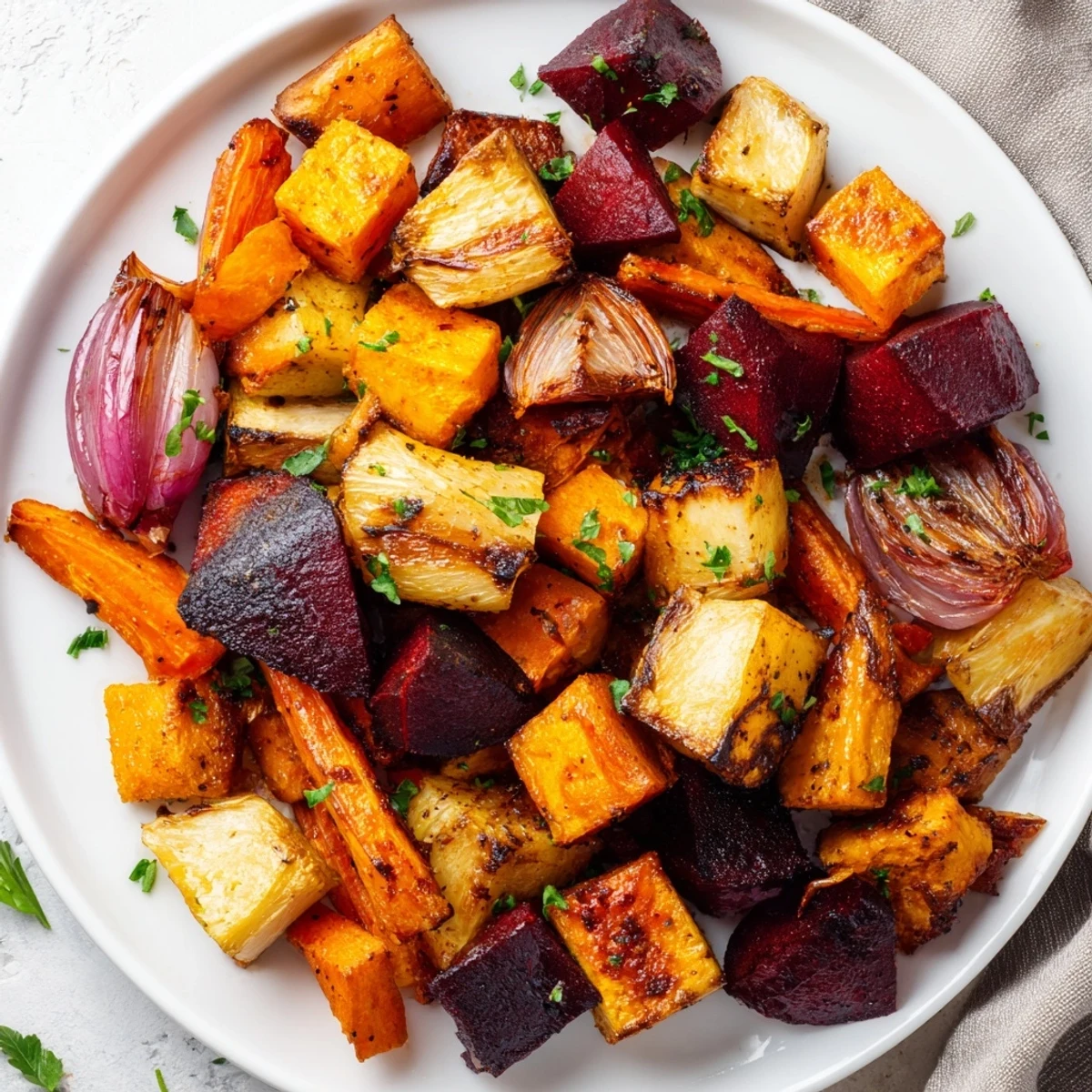
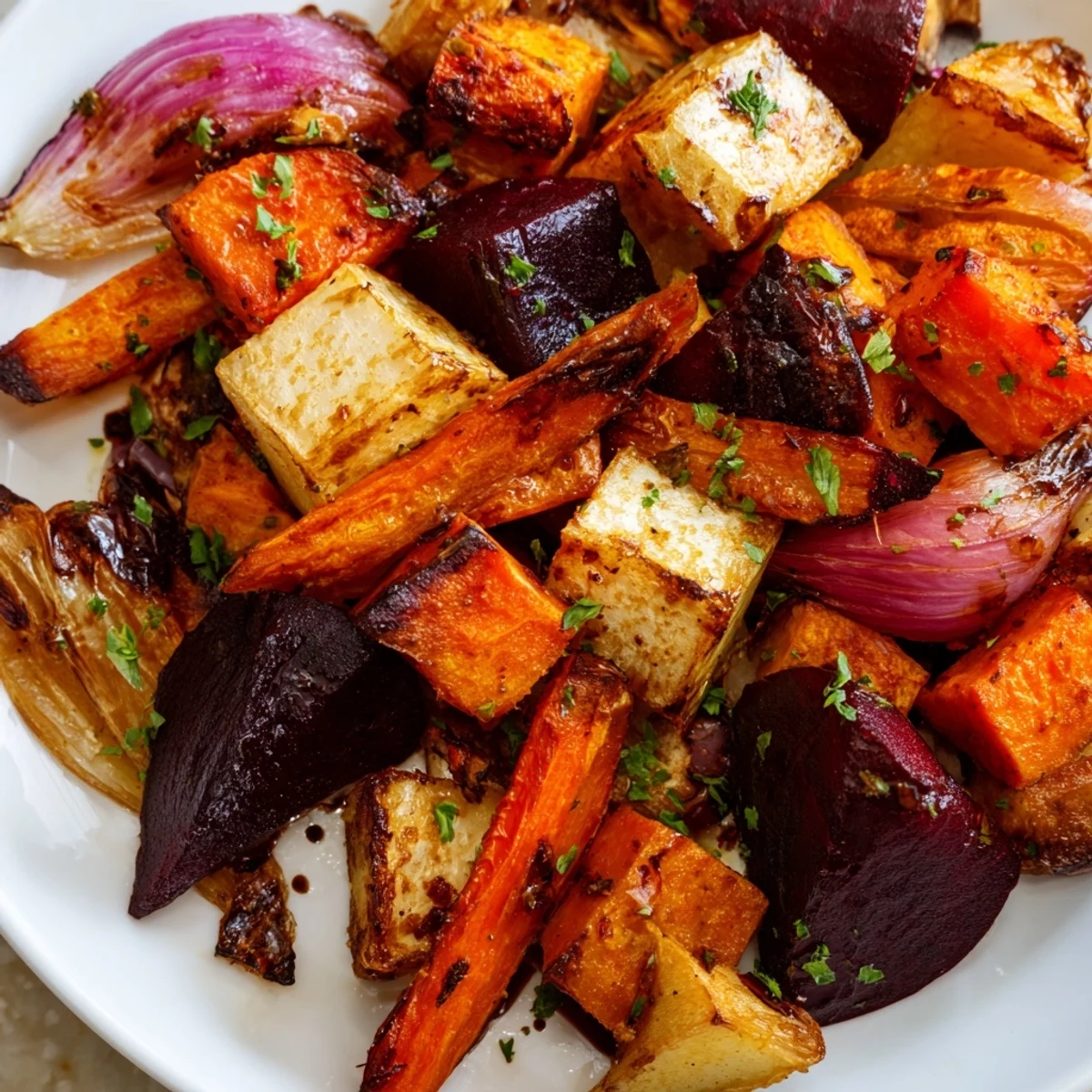
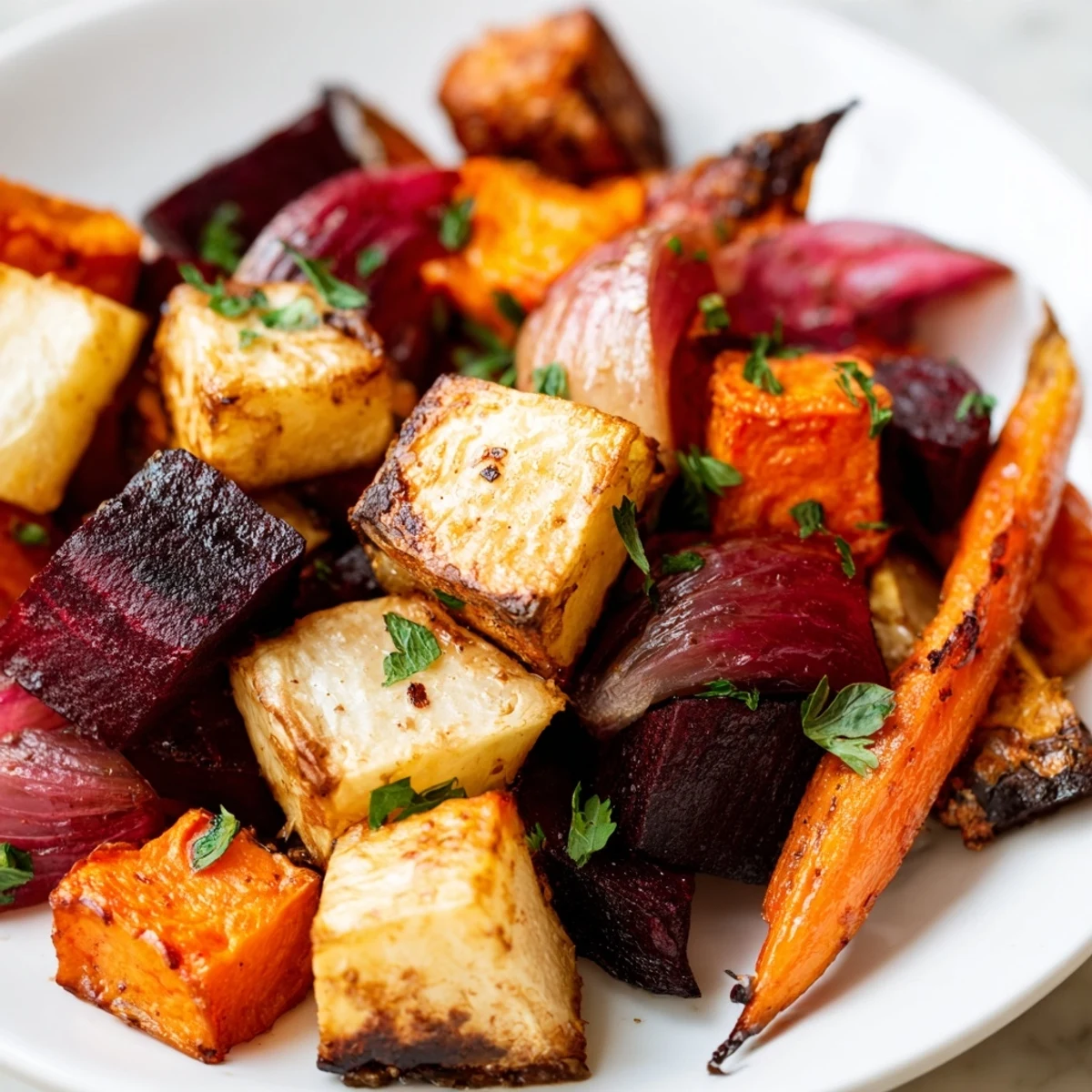
 A vibrant combination of carrots, parsnips, sweet potato, red beet, and onion roasted at high heat until edges caramelize and centers turn tender. The balsamic-maple glaze adds a sweet and tangy finish that enhances the natural sweetness of the vegetables while adding depth and complexity.
This dish comes together in just over an hour with minimal active prep time. The vegetables develop rich, concentrated flavors through roasting, while the finishing glaze creates a beautiful glossy coating. Perfect for holiday tables, weeknight dinners, or meal prep, these vegetables reheat beautifully and pair well with roasted meats, grilled fish, or grain bowls.
The first time I made roasted root vegetables was during a particularly brutal February when my crisper drawer was full of forgotten farmers market finds. I tossed everything together without much hope, but when that balsamic glaze hit the hot pan and started caramelizing, my entire apartment smelled like a cozy restaurant. Now it is the dish I make when I need something comforting but not heavy.
I brought this to a friendsgiving one year when I was supposed to bring a side dish but spent too much time on the main course. The platter came back empty, and three people asked for the recipe right then and there. Something about that sticky balsamic finish makes people think you worked much harder than you actually did.
Ingredients
- 2 medium carrots: These bring natural sweetness that intensifies beautifully in high heat
- 2 parsnips: Slightly peppery and creamy, they add depth that balances the sweetness
- 1 small sweet potato: The secret to making the dish feel substantial and rich
- 1 medium red beet: Adds gorgeous color and earthy sweetness, plus it stains everything pink in the prettiest way
- 1 small red onion: Wedges get jammy and sweet in the oven
- 3 tbsp olive oil: Do not skimp here, this is what creates those golden crispy edges
- 1 ½ tsp kosher salt: Root vegetables need salt to wake up their mellow flavors
- ½ tsp freshly ground black pepper: Freshly cracked makes a real difference here
- 1 tsp dried thyme: Earthy and woodsy, or use fresh if you have it growing somewhere
- 2 tbsp balsamic vinegar: The finishing touch that makes this feel fancy
- 1 tbsp maple syrup or honey: Totally optional but helps the glaze cling and caramelize
- 2 tbsp chopped fresh parsley: Brings a fresh pop of green against all those roasted colors
Instructions
- Heat your oven properly:
- Preheat to 425°F with a rack in the middle position and line a large baking sheet with parchment paper for easier cleanup later
- Prep your vegetables:
- Cut everything into roughly equal sized chunks so they cook at the same rate, aiming for about 1 inch pieces
- Toss with olive oil and seasonings:
- In a large bowl, combine all the vegetables with olive oil, salt, pepper, and thyme, using your hands to make sure every piece is coated
- Arrange for roasting:
- Spread the vegetables in a single layer on your prepared baking sheet, giving them space so they roast instead of steam
- Roast until tender:
- Cook for 30 to 35 minutes, stirring halfway through, until vegetables are fork tender and have golden brown edges
- Make the balsamic glaze:
- In a small bowl, whisk together the balsamic vinegar and maple syrup or honey until combined
- Glaze and finish:
- Remove the vegetables from the oven, drizzle with the balsamic mixture, toss gently, then return to the oven for 5 more minutes
- Serve with fresh herbs:
- Transfer to a platter and sprinkle with fresh parsley while still warm
 Pin this
 Last winter my neighbor came over while this was in the oven and asked what smelled so incredible. She stayed for dinner and we ate the entire pan straight from the baking sheet while standing in the kitchen, which is honestly the best way to enjoy roasted vegetables.
Choosing the Best Vegetables
I have learned that firm, heavy vegetables that feel dense for their size roast the best. Avoid anything that feels lightweight or has soft spots, and do not worry about irregular shapes since everything gets chopped into chunks anyway.
Making It Your Own
Rutabaga, turnips, or even chunks of butternut squash work beautifully here. The only rule is keeping the pieces similar in size so everything finishes cooking at the same time.
Serving Ideas
This pairs with almost any protein but I especially love it alongside roasted chicken or piled over quinoa with a dollop of Greek yogurt. The leftovers are incredible in a grain bowl or even scrambled into eggs the next morning.
- Try adding crushed garlic cloves during the last 10 minutes of roasting
- A squeeze of fresh lemon right before serving brightens everything up
- Feta or goat cheese crumbled on top makes it more of a main dish
 Pin this
 There is something deeply satisfying about turning humble vegetables into something this delicious. It is the kind of dish that reminds you why simple cooking done well is always enough.
Recipe Questions & Answers
- → What root vegetables work best for roasting?
-
Carrots, parsnips, sweet potatoes, beets, and onions all roast beautifully. You can also add rutabaga, turnips, potatoes, or winter squash. Choose firm, fresh vegetables for the best texture and flavor after roasting.
- → Should I peel the vegetables before roasting?
-
Yes, peeling creates a more uniform texture and appearance. However, if using organic vegetables and you prefer extra fiber, you can leave skins on carrots and sweet potatoes after scrubbing well. Beets and parsnips typically benefit from peeling for the smoothest result.
- → How do I know when the vegetables are done roasting?
-
The vegetables should be tender when pierced with a fork, with golden-brown caramelized edges. The natural sugars will have concentrated, creating slightly crispy exteriors while interiors remain soft and creamy. Total roasting time typically runs 35-40 minutes at high heat.
- → Can I prepare these vegetables ahead of time?
-
Yes, you can cut and season the vegetables up to a day in advance. Store them in an airtight container in the refrigerator. When ready to cook, roast as directed, adding a few extra minutes if the vegetables are very cold from the fridge. The finished dish also reheats well at 350°F for 10-15 minutes.
- → What can I substitute for the balsamic glaze?
-
If you don't have balsamic vinegar, try red wine vinegar mixed with honey, or pomegranate molasses for a different tangy-sweet profile. Fresh herbs like rosemary or sage can replace thyme, and a drizzle of tahini or yogurt sauce makes an excellent alternative finishing touch.
- → Why do my vegetables sometimes turn out soggy instead of crispy?
-
Sogginess usually comes from overcrowding the pan or roasting at too low a temperature. Spread vegetables in a single layer with space between pieces so steam can escape. A hot oven (425°F) creates better caramelization. Avoid stirring too frequently, which releases heat and slows browning.