
 Pin this
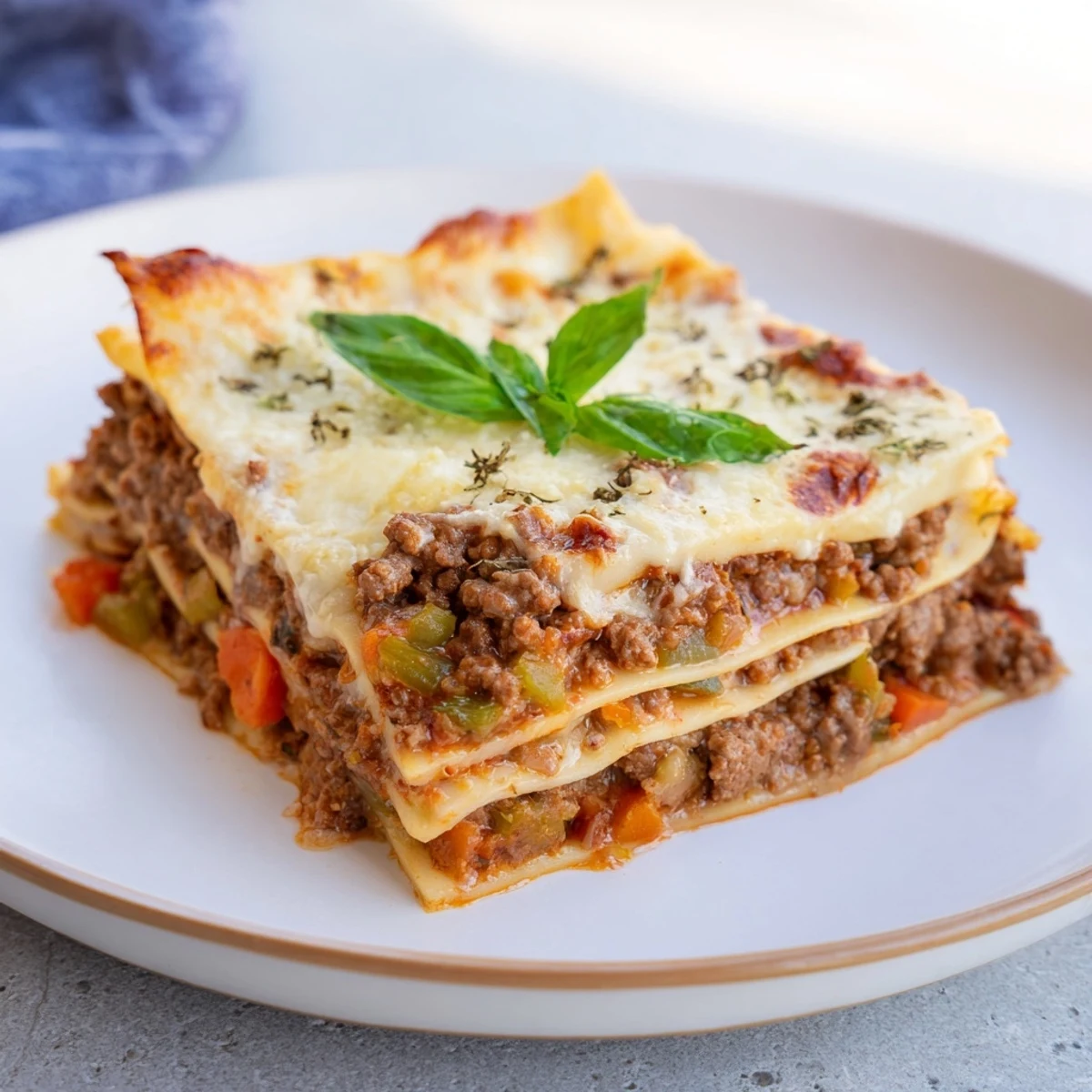
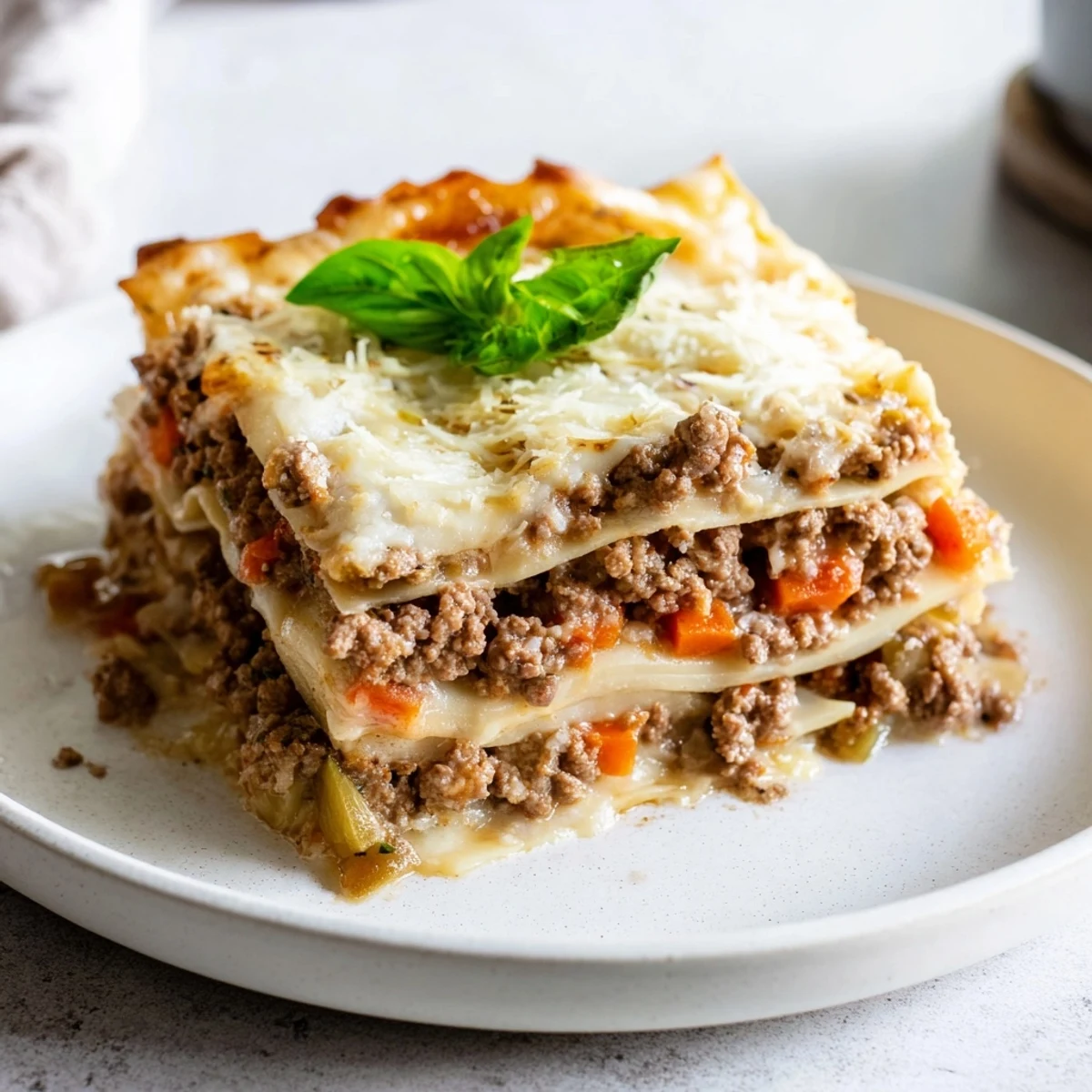
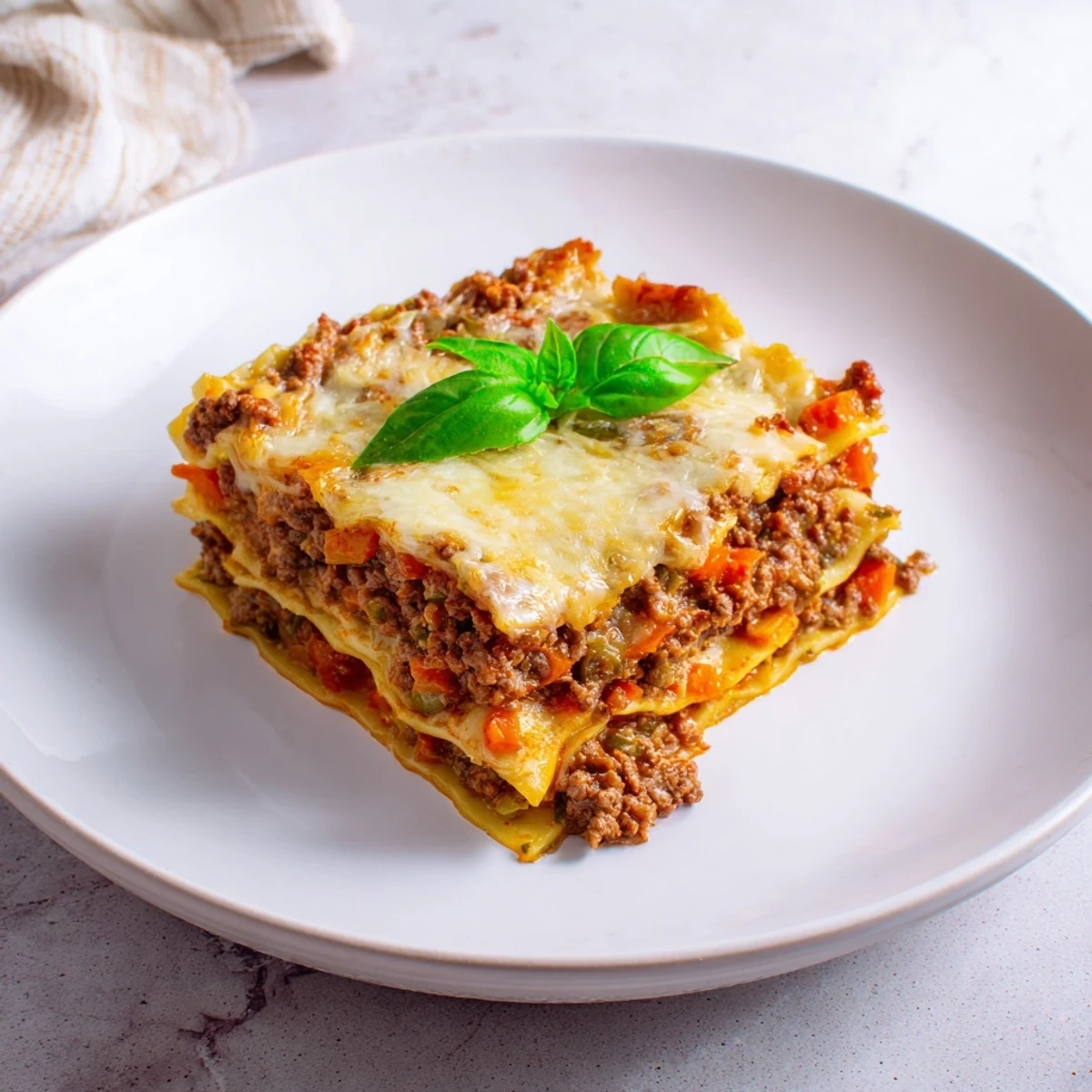
 This Italian-inspired dish features tender pasta layered with rich beef ragù, smooth béchamel sauce, and melted mozzarella and Parmesan cheeses. Aromatic vegetables and herbs enhance the robust meat sauce. The creamy béchamel adds a velvety texture balancing the savory flavors. Baked until golden and bubbly, it’s perfect for sharing and garnished with fresh basil for a fragrant finish. Ideal for family meals or gatherings.
The first time I made lasagna, I spent the entire afternoon layering pasta, sauce, and cheese in my tiny kitchen, the aroma of simmering tomatoes and beef filling every corner. What started as an attempt to impress my partner turned into a discovery—this isn't just food, it's comfort in layers. Now, whenever family gathers around my table, this savory beef lasagna is what they request, and I've learned that the magic isn't in rushing; it's in letting each component shine.
I'll never forget the unexpected dinner party where I pulled this lasagna from the oven—golden, bubbling, perfect—and my guests asked if I'd ordered it. That moment taught me that sometimes the simplest dishes, made with care, become the ones people remember.
Ingredients
- Olive Oil: Two tablespoons to start your base; this is where the flavor begins, so don't skimp on quality
- Medium Onion: Finely chopped, it dissolves into sweetness during cooking and forms the aromatic foundation
- Garlic Cloves: Two minced ones add depth without overpowering; mince them fine so they cook evenly
- Ground Beef: Five hundred grams of good quality beef makes all the difference—choose lean but not too lean, so the sauce stays rich
- Carrot and Celery: One carrot and one celery stalk, finely diced, create the soffritto that Italian cooks swear by; they add earthiness you can't replicate any other way
- Canned Crushed Tomatoes: Eight hundred grams of good quality tomatoes—this is not the place to compromise, as they're the backbone of your sauce
- Tomato Paste: Two tablespoons concentrate the tomato flavor and add umami depth
- Dried Oregano and Basil: One teaspoon each; dried herbs are perfect here because they infuse the long simmer
- Salt and Black Pepper: Taste as you go; these seasonings should enhance, not dominate
- Sugar: Half a teaspoon balances acidity in the tomatoes in a way that feels natural
- Dry Red Wine: Optional but encouraged; one hundred milliliters adds complexity that elevates the entire dish
- Unsalted Butter: Fifty grams for the béchamel; this should be quality butter since its flavor matters here
- All-Purpose Flour: Fifty grams to create the roux; measure it carefully for a silky sauce
- Whole Milk: Six hundred milliliters, warmed slightly if you have time, prevents lumps and creates creaminess
- Ground Nutmeg: Just a quarter teaspoon in the béchamel—nutmeg is the secret that makes people ask what your ingredient is
- No-Boil Lasagna Noodles: Two hundred and fifty grams; these are a lifesaver and they work beautifully when properly layered with sauce
- Shredded Mozzarella Cheese: Two hundred grams for the layers, and it should be freshly shredded if possible
- Grated Parmesan Cheese: Sixty grams for the top; this creates the golden crust that everyone wants
Instructions
- Get Everything Ready:
- Preheat your oven to 180°C (350°F) so it's waiting for you. Get your baking dish out and have all ingredients prepped and within arm's reach. This is when you'll feel like a real cook—everything organized, waiting for your touch.
- Build Your Flavor Base:
- Heat olive oil in a large skillet over medium heat. Add your finely chopped onion, carrot, and celery along with the garlic. Let them sauté for about five minutes, stirring occasionally, until they become soft and fragrant. You'll notice the kitchen filling with that incredible aroma—that's when you know you're on the right track. The vegetables should be tender but not brown.
- Brown the Beef:
- Add your ground beef to the softened vegetables and cook until completely browned, using a wooden spoon to break it into small, even pieces. This takes about five to seven minutes. The beef should lose its pink color completely, and you'll see the fat begin to render into the oil. Don't rush this step.
- Deepen the Flavor:
- Stir in the tomato paste and let it cook for one minute, stirring constantly. This brief cooking mellows the paste and lets it meld with the meat and vegetables. It's a small step that prevents a raw tomato taste later.
- Build Your Sauce:
- Add the crushed tomatoes, oregano, basil, salt, pepper, sugar, and red wine if you're using it. Stir everything together and bring it to a gentle simmer. The sauce should bubble softly around the edges. Now reduce the heat to low and let it simmer uncovered for twenty to twenty-five minutes, stirring occasionally. The sauce will thicken and deepen in color, the flavors melding into something much greater than the sum of their parts. You want it to be thick enough that a spoon leaves a trail when you drag it through.
- Create the Béchamel Magic:
- In a separate saucepan, melt your butter over medium heat until it foams gently. Add the flour and stir constantly with a whisk for about one minute to cook out the raw flour taste. This mixture is called a roux, and it's the thickener that makes béchamel silky instead of watery. Gradually pour in the milk while whisking constantly to prevent lumps from forming. This is where patience matters—add slowly, whisk steadily, and you'll be rewarded with creaminess. Keep cooking and whisking until the sauce thickens enough to coat the back of a spoon, about five to seven minutes. Finish with nutmeg, salt, and white pepper to taste.
- Assemble with Care:
- Spread a thin layer of meat sauce on the bottom of your baking dish—just enough to coat it and prevent sticking. Arrange a layer of no-boil noodles on top, breaking them if needed to fit. Spread one-third of the remaining meat sauce over the noodles, then one-third of the béchamel, then sprinkle with mozzarella. Repeat this layering twice more, so you end up with three layers of noodles and sauce. For the final layer, spread the remaining béchamel over the top noodles and generously sprinkle with the remaining mozzarella and all of the Parmesan. This top layer is what gets golden and beautiful.
- The Transformation:
- Cover your lasagna dish tightly with foil and place it in your preheated oven. Bake for thirty minutes while covered, which lets the noodles absorb the sauce and cook through without the top drying out. After thirty minutes, carefully remove the foil. The top should look slightly set. Return it to the oven uncovered and bake for another fifteen to twenty minutes, until the cheese on top is golden brown and bubbly at the edges. You'll know it's ready when you can't resist the aroma anymore.
- The Wait That's Worth It:
- Remove the lasagna from the oven and let it rest on the counter for ten to fifteen minutes. This resting time is crucial—it lets everything set slightly so the layers hold together when you slice. While it rests, the residual heat continues gentle cooking, and the sauce redistributes throughout. Slice into generous portions and garnish with fresh basil if you have it.
 Pin this
 There was an evening when my mother came to visit and walked into my kitchen just as I pulled this lasagna from the oven. She tasted it, closed her eyes, and told me it was better than the version she'd made for years. That's when I realized this dish transcends recipe instructions—it becomes a way of saying I care enough to spend time in the kitchen for you.
When You're Missing Something
Lasagna is forgiving in the best way. If you don't have red wine, skip it and add a tablespoon of balsamic vinegar instead for depth. No fresh basil for garnish? The dried herbs in the sauce are doing their job beautifully. Don't have whole milk for the béchamel? Use half milk and half cream, or even substitute with a quality plant-based milk if needed. The structure of this dish is robust enough to accommodate reasonable swaps. What matters most is that you're taking the time to layer flavors and textures with intention.
Serving Ideas That Clicked
Lasagna is a complete meal, but it sings when paired thoughtfully. A crisp green salad with sharp vinaigrette cuts through the richness and refreshes the palate between bites. Crusty bread is essential for soaking up every bit of sauce. For wine pairing, Chianti or another medium-bodied red wine echoes the flavors in the meat sauce and feels like you planned this dinner like a true host. Serve generous portions and watch people slow down and savor.
Making It Ahead for the Freezer
Here's a secret that changed my entertaining game: you can assemble lasagna completely, cover it tightly with plastic wrap and foil, and freeze it unbaked for up to three months. When you're ready to bake it, add five to ten extra minutes to the covered baking time since it's starting frozen. You can also bake it fully, cool it completely, cut it into portions, wrap each piece individually, and freeze. Then reheat individual portions in a low oven whenever that craving strikes.
- Store leftover unbaked lasagna in the coldest part of your freezer and use within three months for best results
- Mark your container with the date so you remember when you made it
- Thawed lasagna bakes about the same time as freshly assembled, so plan accordingly on your serving day
 Pin this
 This lasagna has taught me that home cooking is about presence—showing up in the kitchen, taking your time, layering flavors with intention. Every time you make this, you're creating something that nourishes both body and soul.
Recipe Questions & Answers
- → What cut of beef is best for the meat sauce?
-
Ground beef with moderate fat content works best to ensure a juicy, flavorful ragù without becoming too greasy.
- → Can I prepare the béchamel sauce ahead of time?
-
Yes, the béchamel can be made in advance and gently reheated before layering to save time.
- → How do no-boil lasagna noodles affect the dish?
-
No-boil noodles absorb moisture during baking, simplifying prep while ensuring tender layers without pre-cooking.
- → What wine pairs well with this dish?
-
A medium-bodied red like Chianti complements the rich beef and tomato flavors beautifully.
- → How long should the lasagna rest before serving?
-
Allow it to rest 10–15 minutes after baking to set layers and improve slicing.