
 Pin this
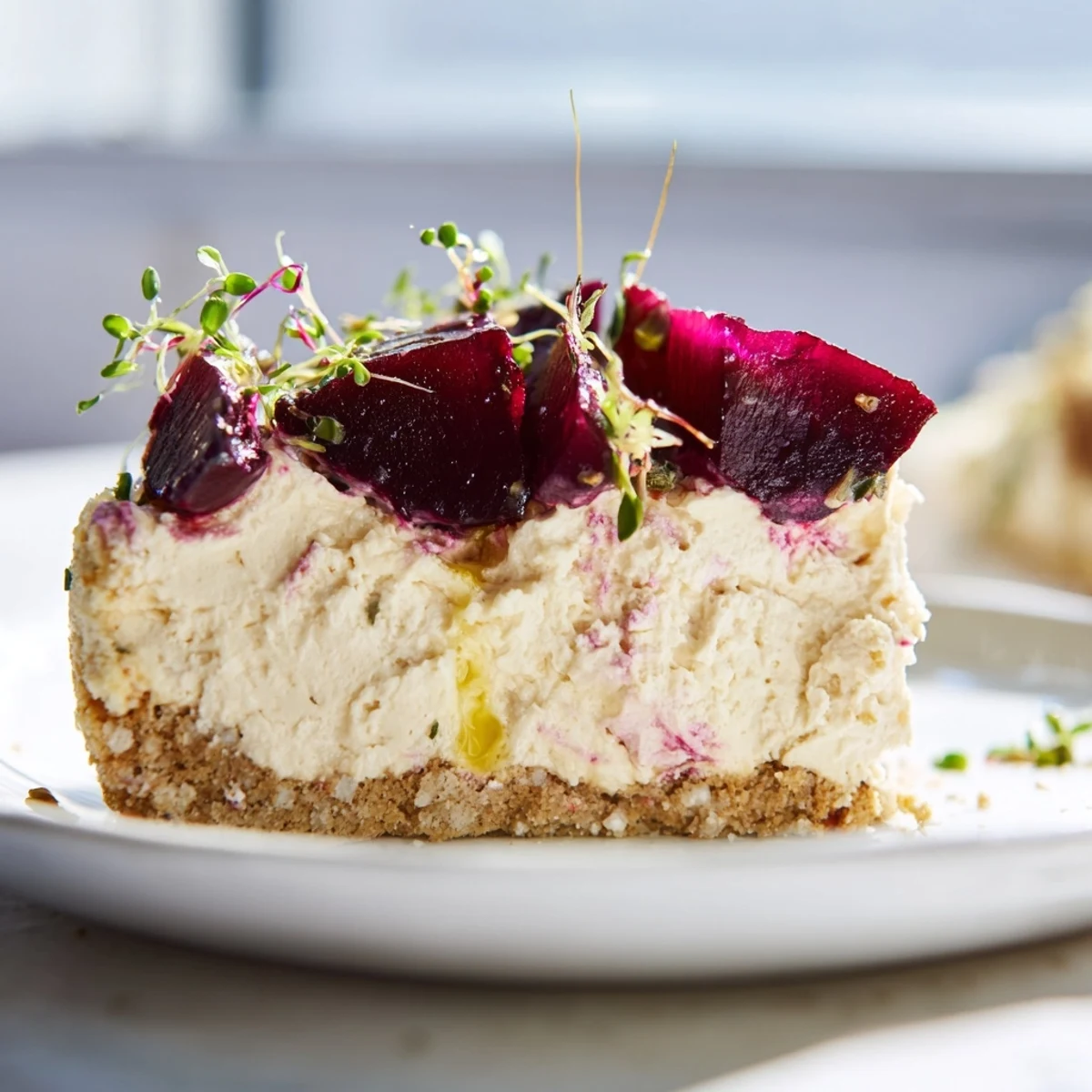
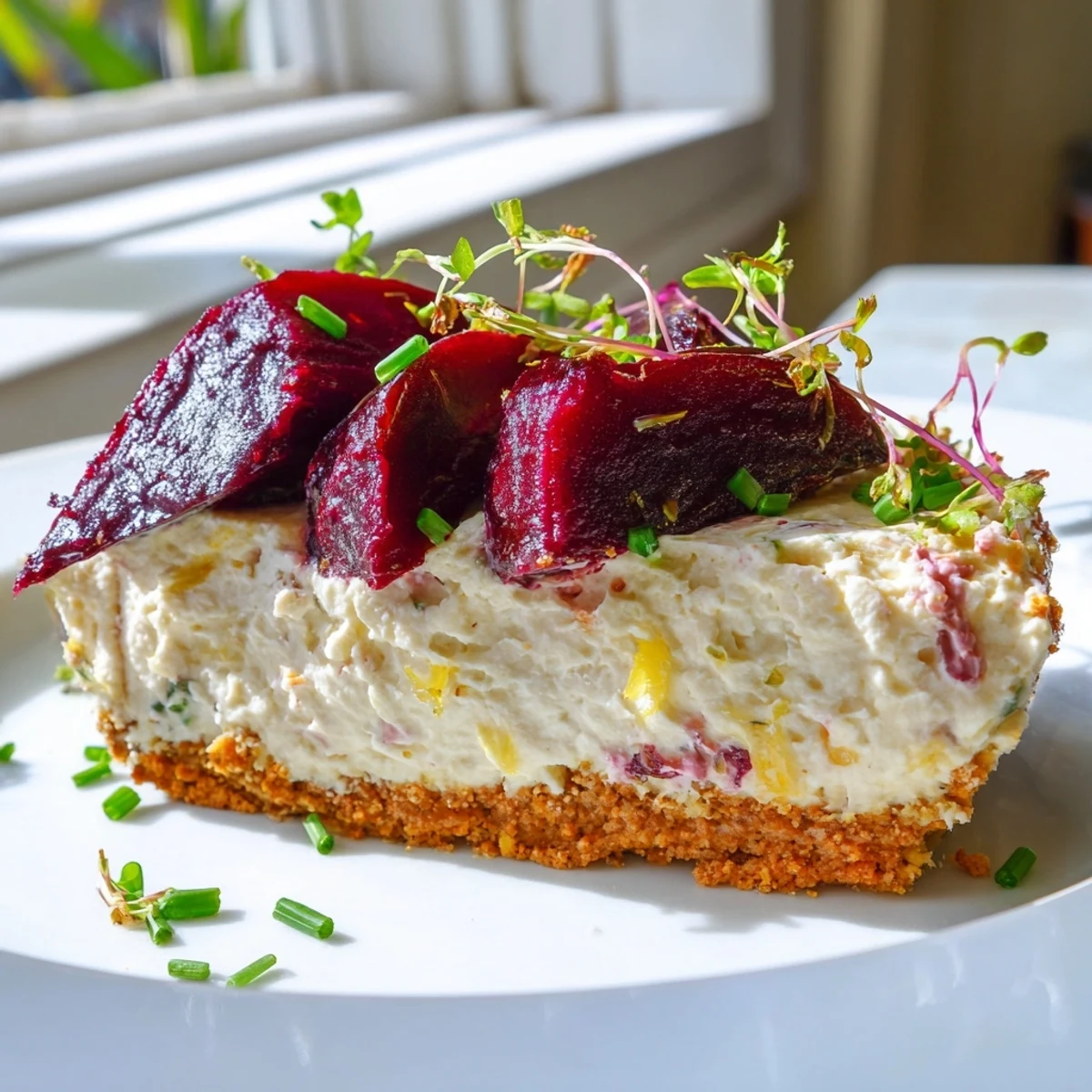
 This elegant savoury cheesecake combines creamy cheeses with a buttery cracker crust, topped with caramelized roasted beetroot and fresh herbs. The filling blends cream cheese, ricotta, and mature cheddar with eggs, thyme, and lemon zest for a rich, tangy profile. After baking until just set, the cheesecake chills overnight to develop its silky texture.
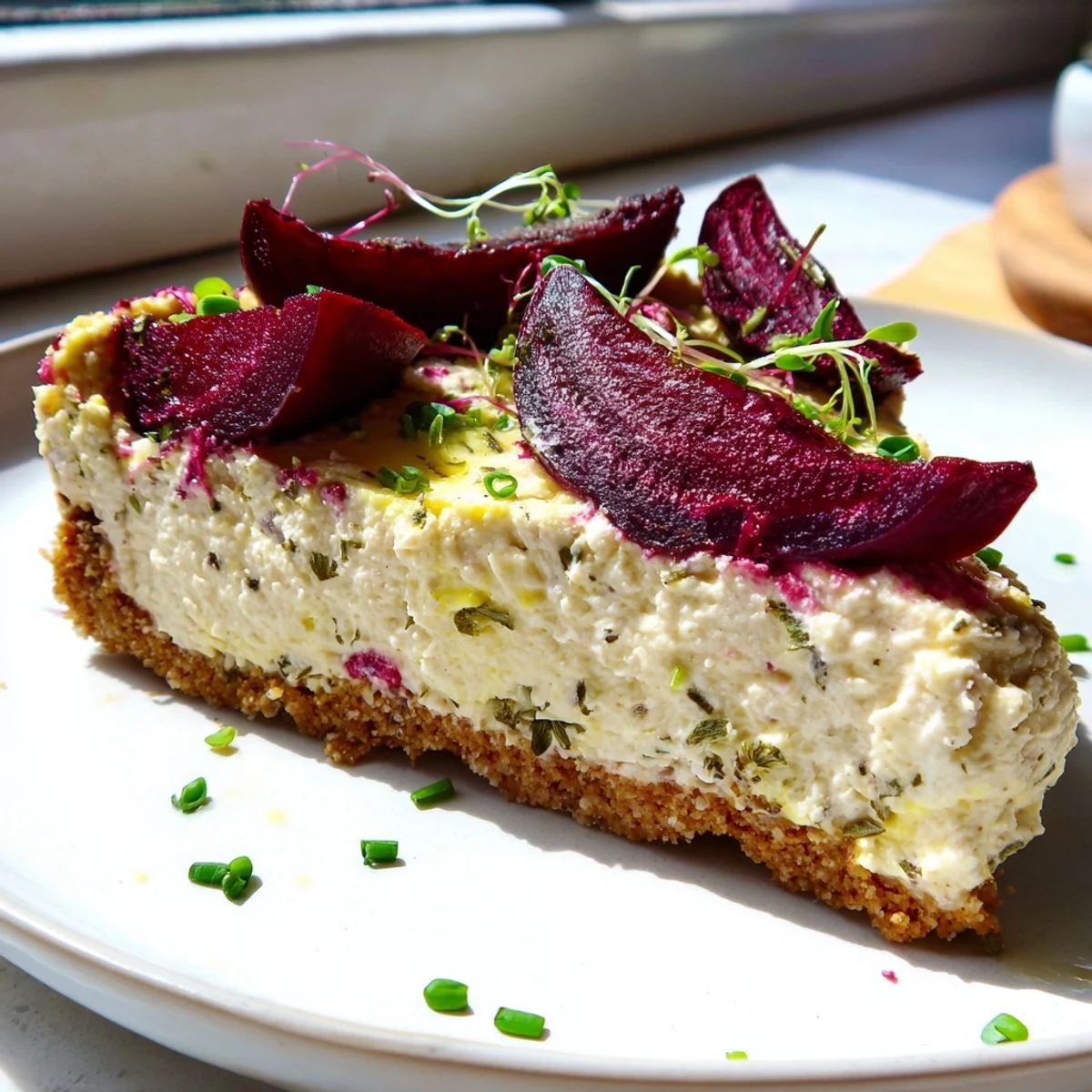
The roasted beetroot adds earthy sweetness and vibrant colour, while chives and microgreens provide fresh contrast. Serve chilled or at room temperature as an impressive appetizer or light vegetarian main course. Pairs beautifully with crisp white wines like Sauvignon Blanc.
The first time I served this at a dinner party, everyone hesitated. Dessert for starters? But something magical happens when you take cheesecake into savory territory. That creamy, velvety texture becomes the perfect canvas for earthy beets and sharp herbs. Now my friends actually request it by name.
Last summer I made this for a garden dinner. The sun was setting, turning everything golden. Someone brought a crisp white wine and suddenly we were all sitting around the table, passing slices like it was the most natural thing in the world. Food does that sometimes. It creates moments.
Ingredients
- Wholemeal crackers or digestive biscuits: These create a sturdy, nutty foundation that stands up beautifully to the rich filling. Wholemeal adds depth you just dont get with plain crackers
- Unsalted butter: Melted and mixed into the crumbs, this binds everything together. Use good quality butter here since you can taste it in every bite
- Cream cheese: The backbone of your filling. Make sure its truly room temperature or you will end up with lumps. Nobody wants lumpy cheesecake
- Ricotta cheese: This lighter cheese balances the heavy cream cheese and adds that lovely Italian graininess. Do not skip it
- Mature cheddar or Gruyère: This is where the savory magic happens. The sharp, aged cheese cuts through the cream and makes this distinctly dinner, not dessert
- Fresh thyme leaves: Earthy and aromatic, thyme bridges the gap between the cheese and the beets. Dried herbs will not give you the same brightness
- Lemon zest: Just the bright outer peel, no pith. This lifts everything and keeps the cheese filling from feeling too heavy
- Medium beetroots: Look for firm, unblemished beets. Roasting concentrates their natural sweetness, which creates this incredible contrast with the savory cheesecake
- Balsamic vinegar: The acid in the vinegar cuts the richness of both the beets and the cheesecake. It also helps those beets caramelize beautifully
- Fresh chives: Their mild onion flavor is the perfect finishing touch. Use them generously and add them right before serving
Instructions
- Preheat and prepare your pan:
- Set your oven to 180°C (350°F). Line a 20 cm springform pan with parchment paper, making sure to get into all those corners. This will save you so much grief later
- Build the crust foundation:
- Blitz those crackers into fine crumbs. I learned the hard way that chunky crumbs make for a crumbly crust. Mix in the melted butter and salt, press firmly into the pan bottom, and bake for 10 minutes
- Whip up the creamy filling:
- Blend cream cheese, ricotta, and grated cheese until you cannot see any lumps. Add eggs one at a time, really letting each incorporate. Stir in thyme, lemon zest, pepper, and salt until everything is beautifully combined
- Bake until perfectly set:
- Pour filling over your cooled crust and smooth the top. Bake for 40 to 45 minutes. The center should still have a slight wobble like gelatin. Overbaking will cause cracking. Let it cool completely, then chill for at least 2 hours
- Roast the beetroots to sweetness:
- Toss those wedges with olive oil, balsamic vinegar, salt, and pepper. Spread them out on a roasting tray and bake at 200°C (400°F) for 30 to 35 minutes. You want them tender and caramelized at the edges
- Assemble and serve with style:
- Release that chilled cheesecake from its springform prison. Arrange the roasted beetroot wedges on top, scatter with fresh chives and microgreens, and finish with a generous drizzle of olive oil
 Pin this
 My sister served this at her book club and they spent the first five minutes just staring at it, trying to figure out what they were about to eat. The conversation that followed was fantastic. Sometimes the most memorable meals are the ones that challenge expectations just a little.
Making It Ahead
This recipe understands busy schedules. The cheesecake base actually tastes better made a day ahead. The flavors meld and the texture becomes impossibly smooth. Just wrap it well and keep it chilled until an hour before serving.
Choosing Your Cheese
Gruyère brings a nutty sophistication that I absolutely love. But sharp cheddar creates this incredible bold flavor that stands up to the beets. Use what you enjoy. The recipe works beautifully either way.
Serving Suggestions
A crisp Sauvignon Blanc cuts through the richness beautifully. I also love serving this as part of a spread with some crusty bread and a simple green salad. It feels substantial but not heavy.
- A drizzle of good honey over the beets adds unexpected complexity
- Walnuts or pecans scattered on top bring lovely crunch
- Serve slightly chilled rather than cold for the best texture
 Pin this
 There is something deeply satisfying about a dish that looks impressive but comes together so gracefully. This savory cheesecake has become my go to for moments when I want to feed people something they will talk about long after the plates are cleared.
Recipe Questions & Answers
- → Can I make this cheesecake ahead of time?
-
Yes, this cheesecake actually benefits from being made ahead. It needs to chill for at least 2 hours, preferably overnight, which allows the flavours to develop and the texture to set perfectly. The roasted beetroot can be prepared a day in advance and stored in the refrigerator.
- → Can I substitute the beetroot with other vegetables?
-
Absolutely. Roasted butternut squash, caramelized onions, or roasted red peppers work beautifully as alternatives. Each vegetable will bring its own flavour profile and sweetness to complement the creamy cheesecake filling.
- → How do I know when the cheesecake is done baking?
-
The cheesecake is ready when the edges are set but the center still has a slight wobble when gently shaken. It will continue to firm up as it cools. Overbaking may cause cracking, so monitor closely during the final minutes of the 40-45 minute baking time.
- → Can I use different cheeses in the filling?
-
Certainly. Goat cheese provides a tangier alternative to cheddar or Gruyère. Feta can be added for saltiness, or you could use Gruyère for a nuttier flavour. Just maintain the total cheese quantity for proper texture.
- → Is this suitable for a dinner party?
-
This makes an excellent dinner party starter or light main. It serves six, looks stunning on the plate with its vibrant beetroot topping, and can be prepared completely in advance. Simply garnish just before serving for maximum visual impact.
- → How should I store leftovers?
-
Store any leftover cheesecake in the refrigerator, well covered, for up to 3-4 days. Keep the roasted beetroot separate if possible to maintain the best texture. Bring to room temperature before serving for optimal flavour and creaminess.