
 Pin this
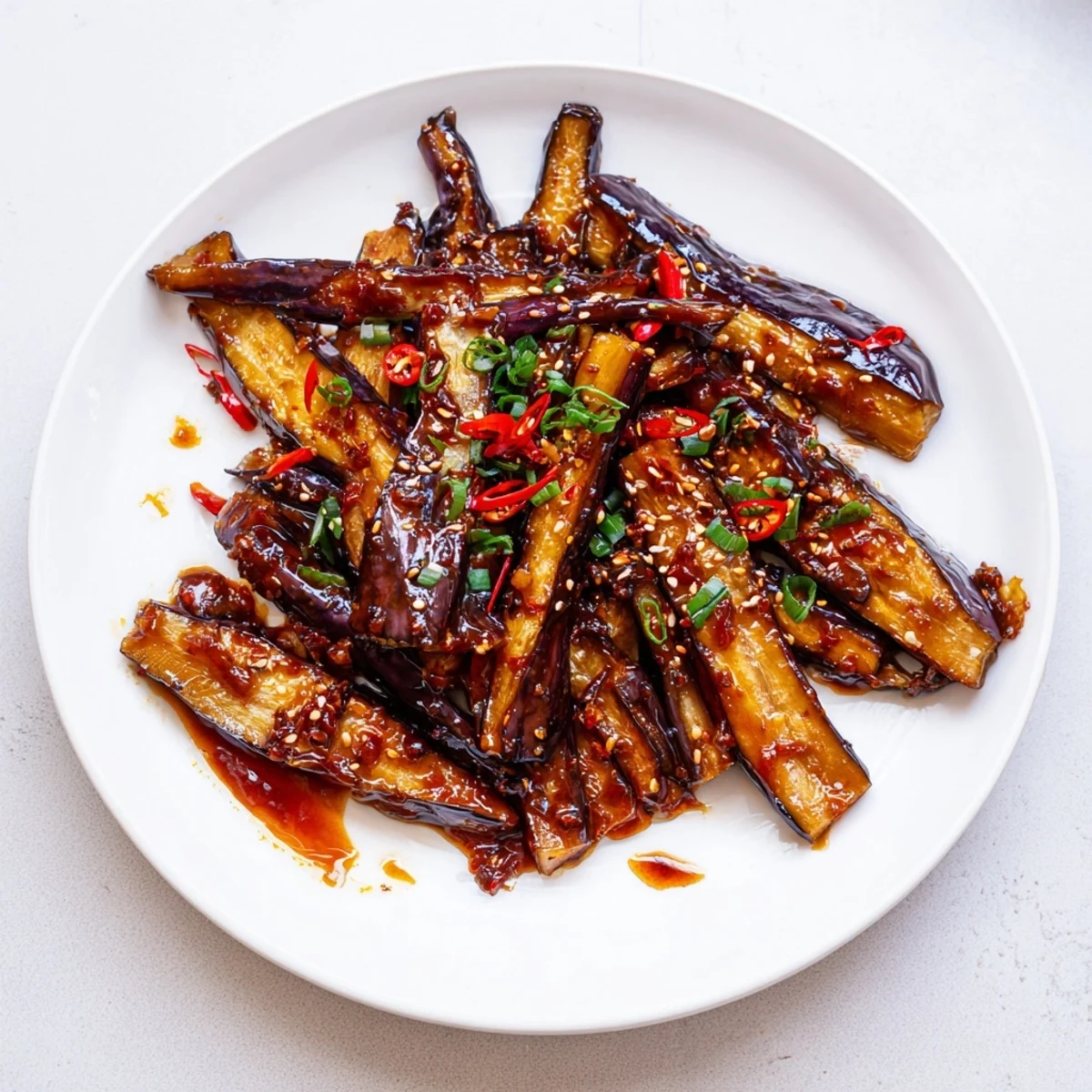
 Salt aubergine batons to draw out moisture, rinse and pat dry. Fry until golden and soft, then reserve a little oil to stir-fry ginger, garlic and chili. Bloom doubanjiang until aromatic, return the aubergine, add soy, dark soy, rice vinegar, sugar and stock, and simmer 8–10 minutes. Thicken with a cornstarch slurry, finish with sesame oil and spring onions. Serve with steamed rice; add Sichuan peppercorns or toasted peanuts for extra heat and crunch.
The first time I cooked Sichuan Style Braised Aubergines, the sizzle that filled my kitchen promised something special. That crimson shimmer of oil, laced with the aroma of garlic and fermented chili, had me multitasking between excitement and caution. Watching the aubergine soak up those bold flavors, I knew dinner was about to turn memorable. As the sauce bubbled, every expectation shifted to eager anticipation.
I once cooked a big batch for friends on a rainy Sunday, and the conversation slowed to smiles as the bowls of steaming rice and glossy aubergines reached the table. Every bite seemed to spark another request for seconds, with someone quietly scooping extra sauce when they thought no one was looking. The laughter that night came easy, mingling with the lingering ginger and chili in the air. Moments like that remind me how a dish like this pulls people together without needing a special occasion.
Ingredients
- Aubergines (eggplants): Letting them sit with salt draws out bitterness and makes every bite silky, not soggy.
- Spring onions: A crunchy, peppery garnish that also adds a pop of color just before serving.
- Garlic: Minced fresh, it layers deep aroma into the oil—don’t substitute powder.
- Ginger: Use a thumb-sized piece; its warmth balances the heat.
- Red chili (optional): Thinly slice for extra zing, remembering not to rub your eyes afterward (I learned this fast!).
- Doubanjiang (Sichuan fermented broad bean chili paste): The backbone of authentic flavor; keep tasting if it’s new to you—it’s salty and spicy.
- Soy sauce: Brings umami and ties the sauce together; regular is best here.
- Dark soy sauce: Just a dash gives color and a slightly sweeter depth.
- Rice vinegar: Adds a subtle bright note at the finish, so the dish never feels heavy.
- Sugar: Only a little, but it tempers heat and makes the flavors round out.
- Vegetable stock or water: For simmering; stock adds richness, but water works if you’re out.
- Vegetable oil: Don’t skimp when frying aubergine—they love to soak it up at first, then release it back as they cook.
- Sesame oil: A drizzle at the end lifts the whole dish with toasty aroma.
- Cornstarch: Slurry in at the end for that luscious, glossy sauce—don’t skip this!
- Salt: Just enough to taste, remembering the doubanjiang adds its own saltiness.
Instructions
- Draw out the bitterness:
- Scatter salt over the thick aubergine batons in a bowl and leave for 10 minutes. You’ll notice beads of moisture; give them a rinse and pat as dry as possible for best frying.
- Fry until golden:
- Heat most of your oil in a wok or large skillet until shimmering and gently lower in the aubergine. Stir and turn until each piece is soft, caramelized, and smells slightly sweet.
- Sizzle the aromatics:
- Pour off extra oil, leaving just enough to coat the pan, then let the ginger, garlic, and chili dance in the heat for a minute—your kitchen should smell incredible right now.
- Wake up the doubanjiang:
- Add the chili bean paste and stir constantly until the oil turns a deep red, about a minute. Adjust the heat so nothing catches; the aroma will start to feel smoky and bold.
- Braise and flavor:
- Return the fried aubergine to the wok and pour in both soy sauces, vinegar, sugar, and stock. Toss gently, cover, and let it all simmer so the aubergine drinks in every drop of flavor.
- Thicken the sauce:
- Mix cornstarch and water, stir the slurry in, and keep things moving for 30 seconds until the sauce coats everything and shimmers thickly.
- Finish and serve:
- Turn off the heat, sweep some sesame oil over, sprinkle the fresh spring onions, and get ready to eat immediately while it’s piping hot.
 Pin this
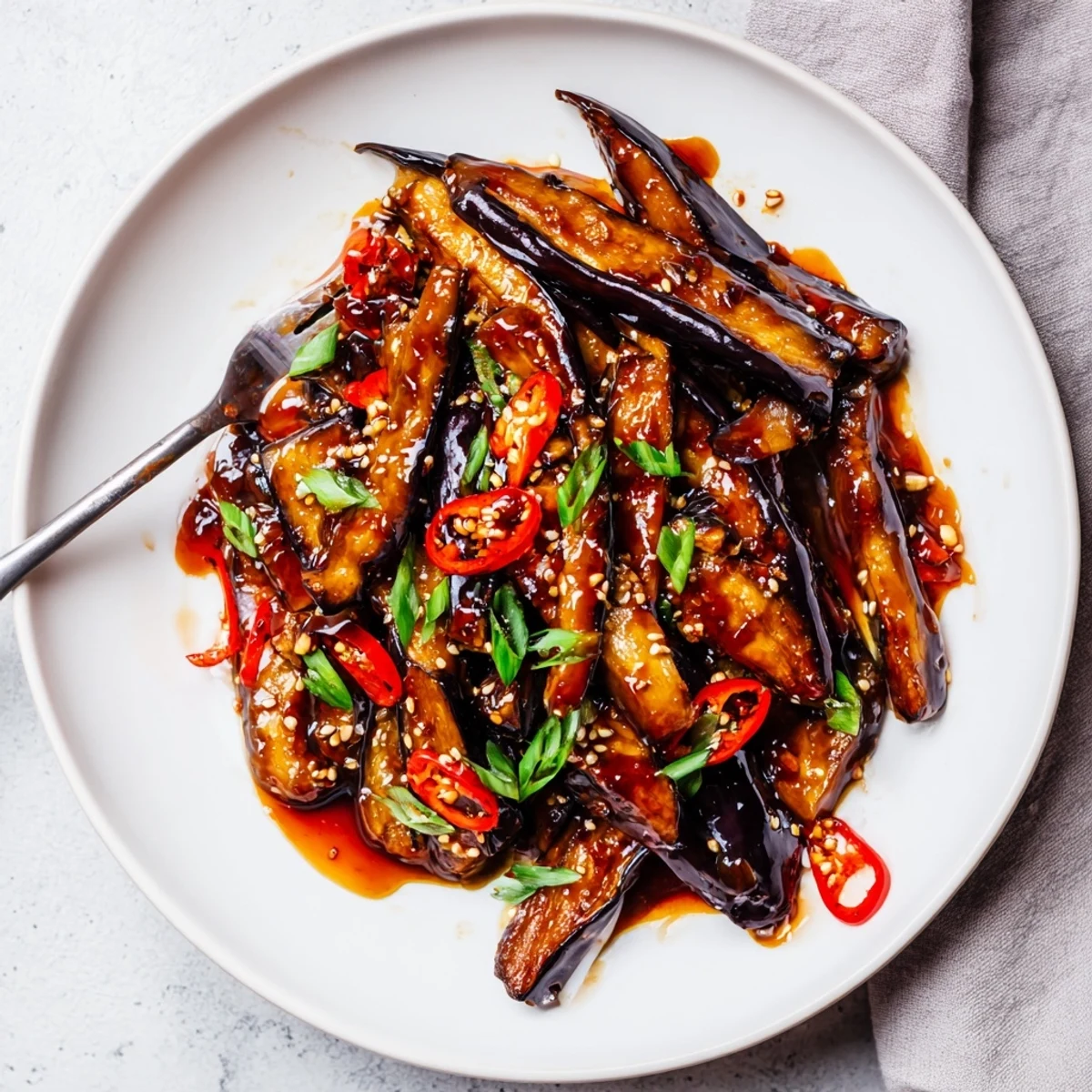
 One family dinner stands out—my dad, never a fan of eggplant, reached back for seconds before anyone else had finished. I looked over and he just grinned, shrugged, and went in for more, sauce spooned generously over his rice. That moment had us all laughing and clinking chopsticks, making this dish more than just a recipe—it became a table tradition.
How to Get Soft, Silky Aubergine Every Time
Drying out the salted aubergine is one of those steps that’s easy to rush but makes the biggest difference. Even a little lingering moisture can sabotage that perfect golden surface, so I keep the pieces spaced out and extra thorough with my towels. Patience here rewards you with heavenly, buttery bites each time. It’s worth fussing!
Making the Sauce Your Own
I’ve tried this with everything from extra vinegar for more tang to adding a handful of toasted peanuts at the end for crunch. Doubanjiang intensity can shift from jar to jar, so don’t be afraid to add it slowly until the flavor feels right for you. If you like heat, a sprinkle of crushed Sichuan peppercorns with the ginger gives an authentic tingle that makes things lively. Personalizing the sauce has made every bowl feel a little different and never boring.
What to Serve With It (and Other Surprises)
Simple steamed rice mops up the sauce best, but thick wheat noodles hold their own too. Sometimes I scatter chopped coriander or even a squeeze of lime for brightness when friends want less heat. Even cold leftovers tucked into a bao bun have found fans in my house.
- Top with toasted peanuts or fried shallots for crunch.
- Leftovers make a spicy sandwich filling with crisp lettuce.
- Serve as part of a larger spread alongside tofu or cucumber salad.
 Pin this
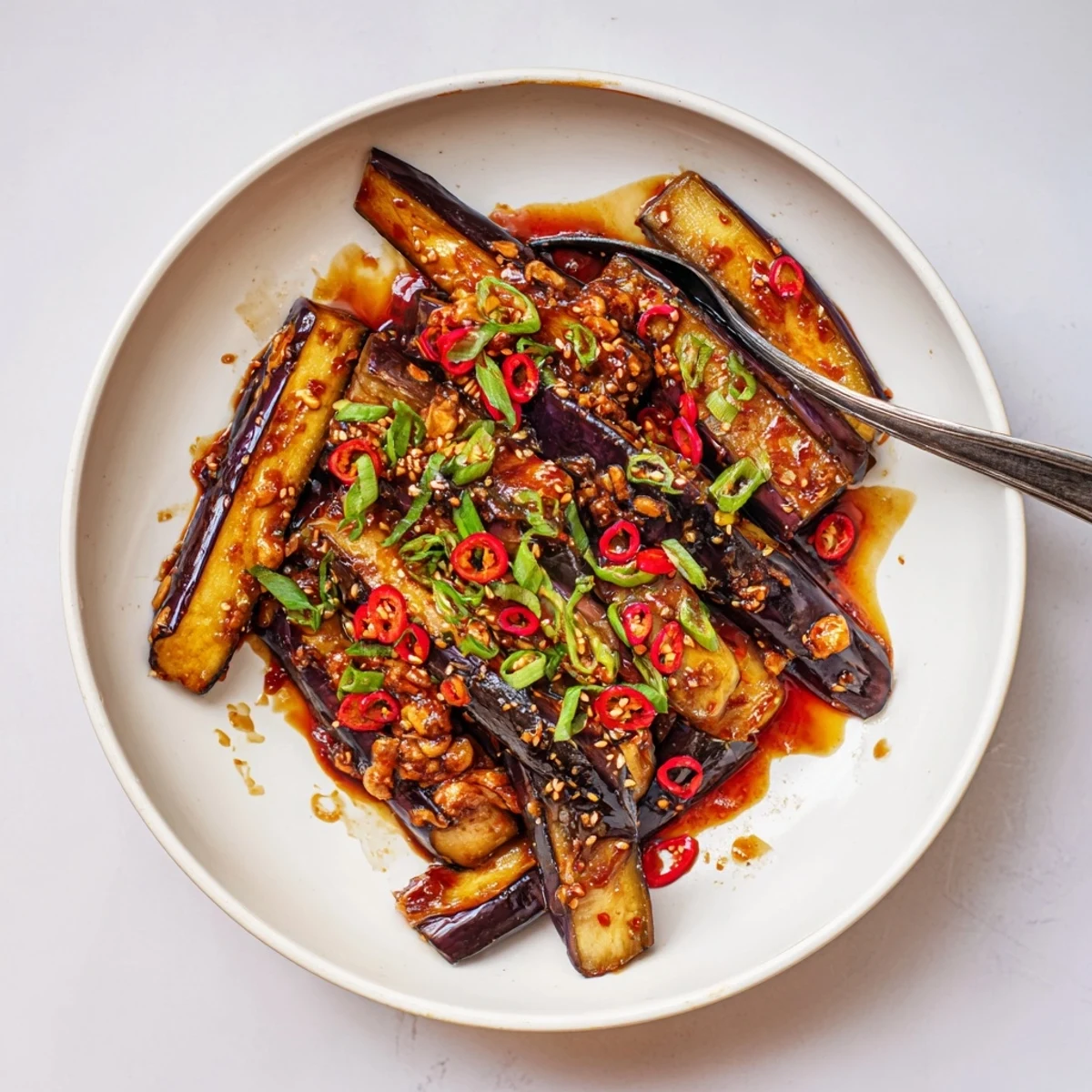
 Serve this bold braised aubergine on a chilly night and watch it work its bright, warming magic. With every saucy forkful, you’ll feel a little more like a Sichuan home cook.
Recipe Questions & Answers
- → How do I prevent the aubergine from becoming soggy?
-
Salt the aubergine and let it sit for 10 minutes to draw out excess water, then rinse and pat dry. Fry in batches over medium-high heat so pieces brown instead of stewing, and drain briefly on paper towels.
- → Can I bake or roast the aubergine instead of frying?
-
Yes. Toss batons with oil and roast at a high temperature until tender and lightly charred. Roasting reduces oil absorption but yields a less glossy, slightly drier finish than shallow frying.
- → What can I use if I don't have doubanjiang?
-
Use a chili garlic sauce or a fermented chili bean paste as a substitute; expect a different depth of umami. Adjust salt and sweetness after tasting, since saltiness varies by brand.
- → How can I control the heat level?
-
Reduce heat by using less doubanjiang and omitting fresh chili. Increase heat with sliced chiles, dried chilies, or a pinch of crushed Sichuan peppercorns for numbing spice. Toasted chili oil also boosts warmth.
- → How should leftovers be stored and reheated?
-
Refrigerate in an airtight container for up to 2–3 days. Reheat gently on the stovetop over low heat, adding a splash of stock or water to loosen the sauce and revive texture.
- → Are there allergen or gluten-free options?
-
Doubanjiang and soy sauce often contain gluten—use tamari or a certified gluten-free soy alternative and check labels on doubanjiang. Optional toppings like peanuts should be noted for nut allergies.