
 Pin this
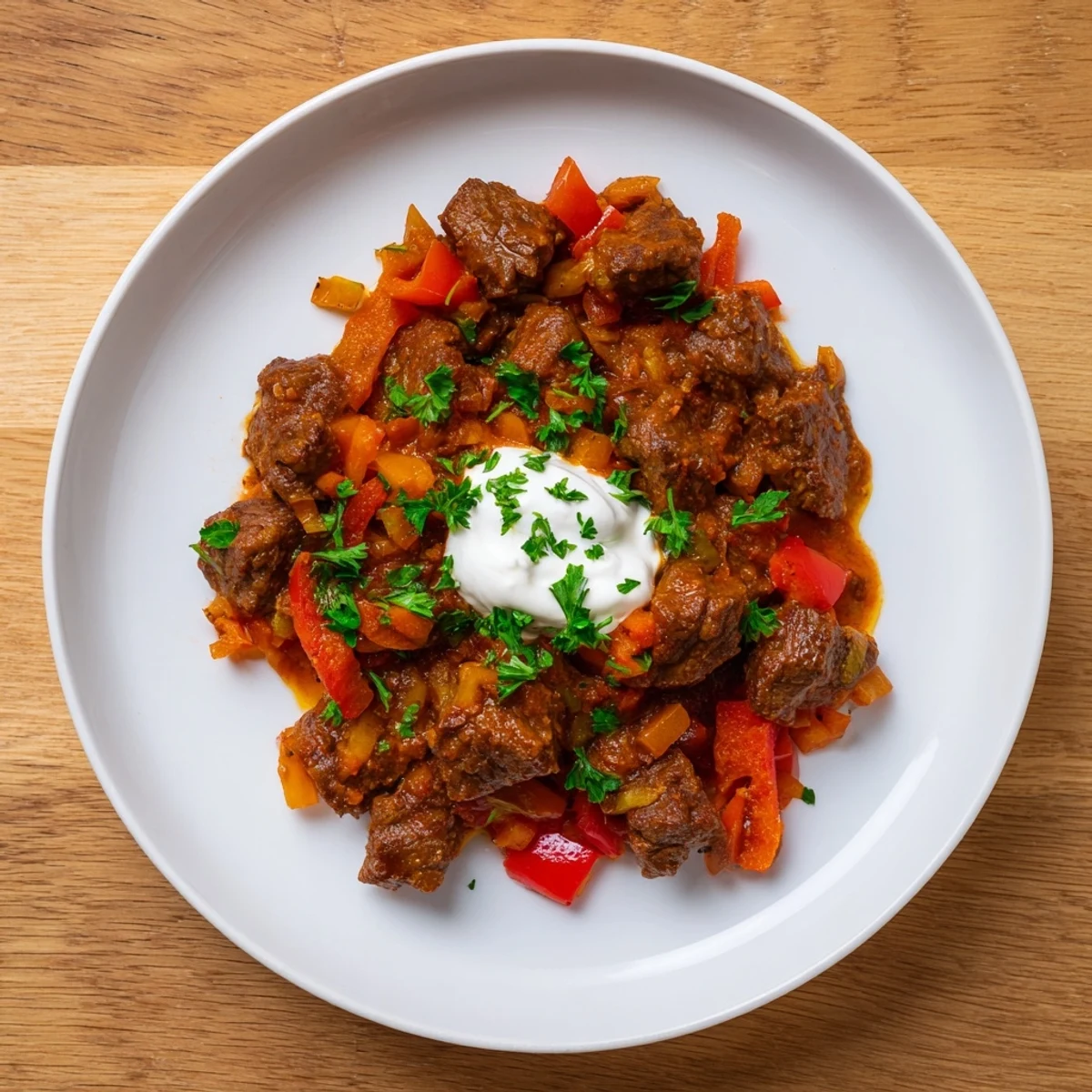
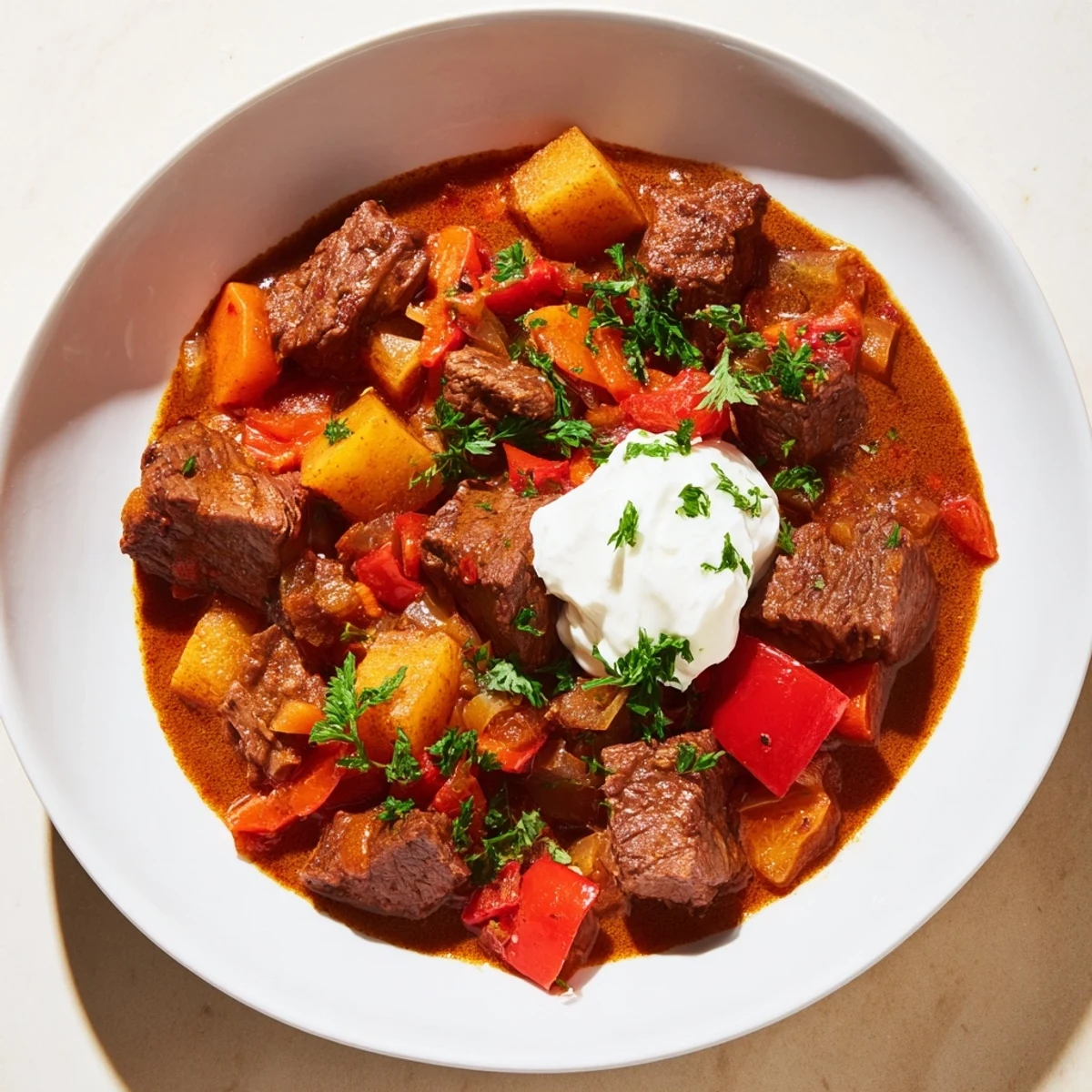
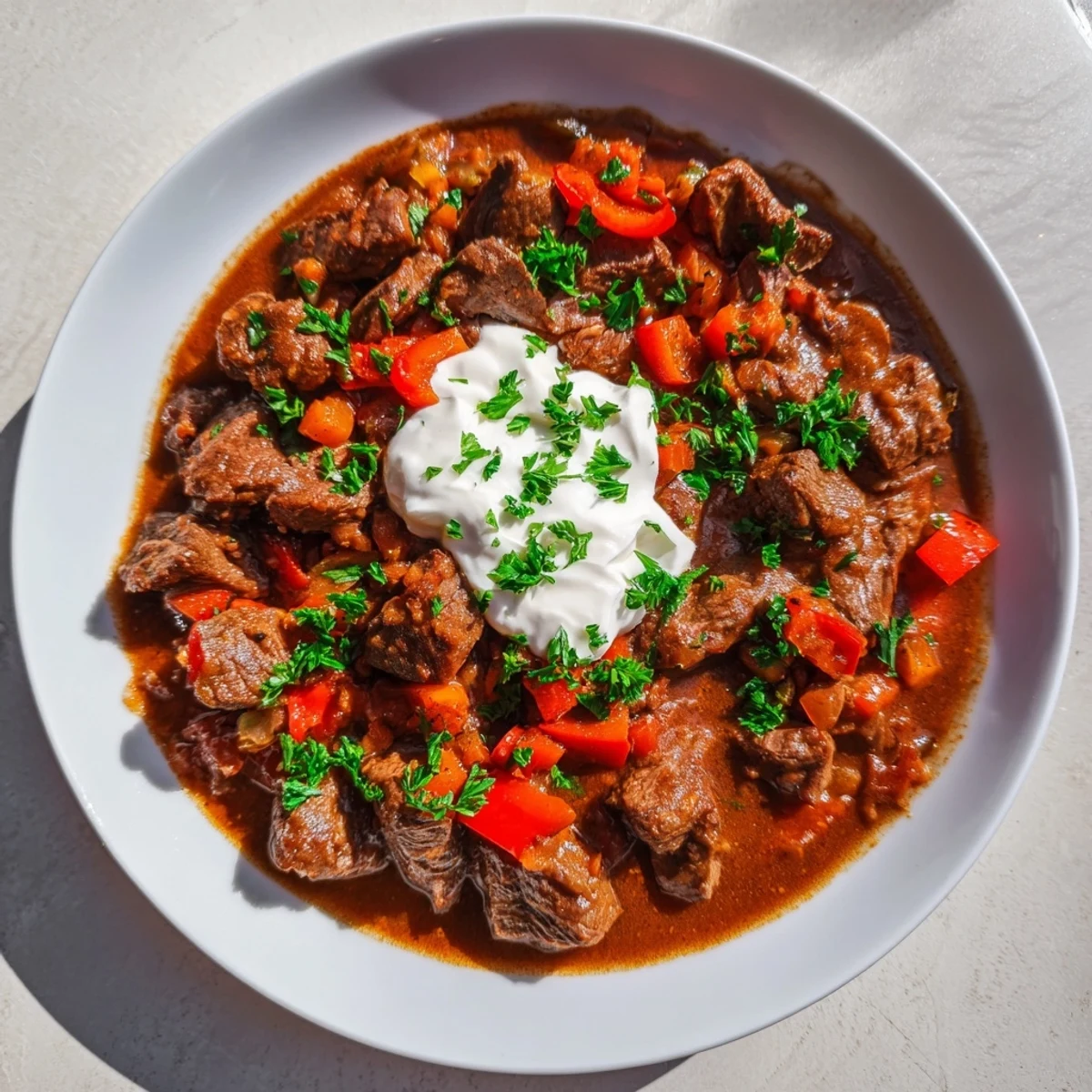
 This Hungarian-inspired dish features tender beef cubes simmered gently with sweet and smoked paprika, onions, bell peppers, and a blend of spices. Cooked slowly over hours, it develops deep, robust flavors and a satisfying texture. It's perfect for a comforting meal served with crusty bread, noodles, or potatoes. Garnished with fresh parsley and optional sour cream, this warming stew offers a blend of earthy, smoky, and slightly sweet flavors that enhance the beef’s richness.
My neighbor brought this over one winter evening when our power had gone out, still warm in a ceramic pot wrapped in towels. The smell of paprika and slow-cooked beef filled the cold kitchen instantly. We ate it by candlelight with torn bread, and I asked for the recipe before she even left. That was seven years ago, and I've been making it ever since.
I made this for my sons birthday dinner last March because he wanted something cozy instead of cake and candles. He invited three friends over, and they sat around the table scraping their bowls clean, dipping bread into the sauce until there was nothing left. One of them asked if I could teach his mom how to make it. I wrote the recipe on a scrap of paper that night, smudged with paprika from my hands.
Ingredients
- Beef chuck: This cut has enough marbling to stay juicy through hours of slow cooking, and it shreds beautifully when its done.
- Onions: They melt into the sauce and add a deep sweetness that balances the paprika, so dont rush browning them.
- Red bell peppers: They bring a gentle sweetness and bright color that makes the stew feel vibrant, not heavy.
- Garlic: Just three cloves add a quiet warmth without overpowering the paprika.
- Carrots: They hold their shape and add a slight earthiness that rounds out the flavor.
- Tomatoes: Fresh or canned both work, they bring acidity and body to the broth.
- Sweet Hungarian paprika: This is the heart of the dish, use a good quality one because it carries the whole flavor.
- Smoked paprika: Just a teaspoon adds a layer of depth that makes people wonder what the secret is.
- Caraway seeds: Optional, but they add a traditional touch that feels authentic and a little unexpected.
- Marjoram: It has a softer, sweeter flavor than oregano and blends into the background perfectly.
- Bay leaf: One leaf is enough to add a subtle herbal note that ties everything together.
- Beef broth: Use a good quality broth or stock, it becomes the base of the sauce.
- Tomato paste: A spoonful deepens the color and adds a rich, concentrated tomato flavor.
- Vegetable oil: For browning the onions and beef without burning.
- Fresh parsley: A bright green finish that cuts through the richness right before serving.
- Sour cream: Optional, but a dollop on top adds a cool, tangy contrast that feels luxurious.
Instructions
- Start with the onions:
- Heat the oil over medium heat until it shimmers, then add the onions and stir them often until they turn golden and smell sweet. This takes about eight minutes, and its worth the wait.
- Add the garlic:
- Toss in the minced garlic and stir for just a minute until it smells fragrant and warm, but dont let it brown.
- Brown the beef:
- Add the beef cubes in batches so they sear instead of steam, turning them until each side has a deep brown crust. The fond on the bottom of the pot will add so much flavor later.
- Bloom the paprika:
- Stir in both paprikas, the caraway seeds, and marjoram, coating the beef and onions completely. Let it cook for about thirty seconds so the spices release their oils and the kitchen smells incredible.
- Build the stew:
- Add the tomato paste, tomatoes, carrots, bell peppers, salt, pepper, and bay leaf, stirring everything together. Pour in the beef broth until the beef is just covered, then bring it to a gentle simmer.
- Let it cook low and slow:
- Cover the pot, lower the heat, and let it bubble quietly for two and a half to three hours, stirring every thirty minutes or so. The beef will become meltingly tender and the sauce will thicken into something rich and velvety.
- Finish and serve:
- Remove the bay leaf, taste, and add more salt or pepper if needed. Ladle into bowls, sprinkle with parsley, and add a spoonful of sour cream if you like.
 Pin this
 One Sunday afternoon, I made a double batch and froze half in glass jars. A month later, when I had the flu and could barely stand, I thawed one and heated it on the stove. It tasted like comfort, like someone else was taking care of me even though I was alone. Thats when I realized this recipe wasnt just food, it was a kind of safety net.
Serving Suggestions
I usually serve this over buttered egg noodles or with thick slices of sourdough bread for dipping. Boiled potatoes work beautifully too, especially the waxy kind that hold their shape. A simple green salad on the side with a sharp vinaigrette balances the richness and makes it feel like a complete meal.
Storage and Reheating
Store leftovers in an airtight container in the fridge for up to four days. The flavors deepen overnight, so the second day is often even better than the first. Reheat gently on the stove over low heat, adding a splash of broth or water if the sauce has thickened too much. It also freezes well for up to three months, just let it cool completely before transferring to freezer-safe containers.
Variations and Swaps
If you want a richer stew, add half a cup of red wine when you pour in the broth. For a spicier version, stir in half a teaspoon of hot paprika or a pinch of cayenne with the other spices. You can also swap the beef for pork shoulder or even lamb if you want a different flavor profile, just keep the cooking time the same.
- Try adding a diced potato in the last hour of cooking for extra heartiness.
- A splash of balsamic vinegar at the end brightens the whole dish.
- If you dont have marjoram, a pinch of thyme works in its place.
 Pin this
 This goulash has become my answer to cold nights, unexpected guests, and days when I need something reliable and warm. I hope it becomes that for you too.
Recipe Questions & Answers
- → What cut of beef works best for slow cooking?
-
Beef chuck is ideal for slow cooking due to its marbling and connective tissues, which break down to create tender, flavorful meat.
- → Can I use fresh paprika instead of dried spices?
-
Fresh paprika isn’t typically used; sweet and smoked dried paprikas deliver a deep, rich flavor essential for this stew’s character.
- → How long should the stew simmer for optimal tenderness?
-
Simmering slowly for about 2.5 to 3 hours ensures the beef becomes tender and the flavors meld beautifully.
- → What side dishes complement this Hungarian beef dish?
-
Crusty bread, buttered noodles, or steamed potatoes are traditional companions that soak up the stew's rich sauce.
- → Can the stew be spiced up for more heat?
-
Yes, adding hot paprika or a pinch of cayenne pepper provides a gentle heat that enhances the stew’s depth.
- → Is this dish suitable for gluten-free diets?
-
Yes, when served without bread or noodles, it fits gluten-free dietary needs.