
 Pin this
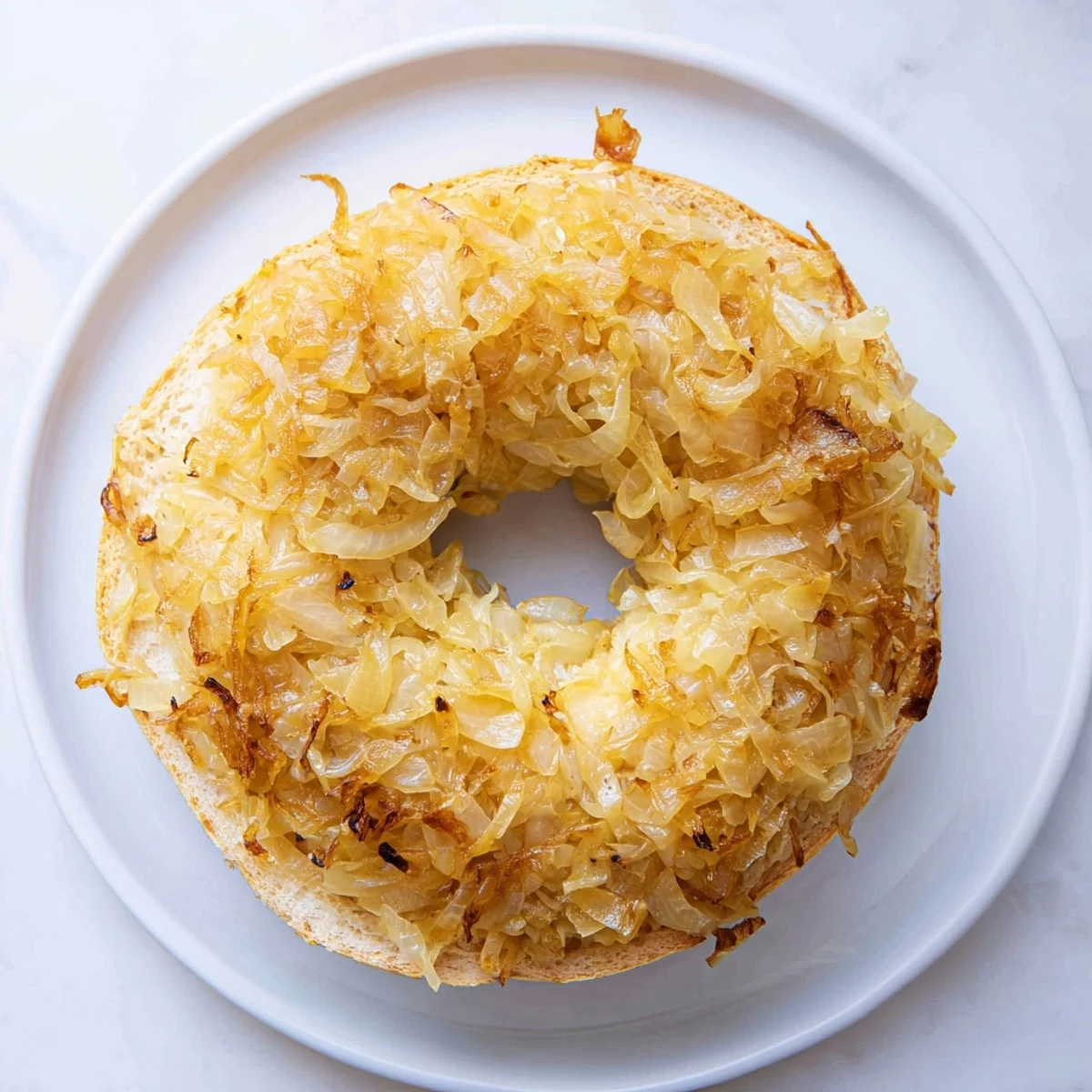
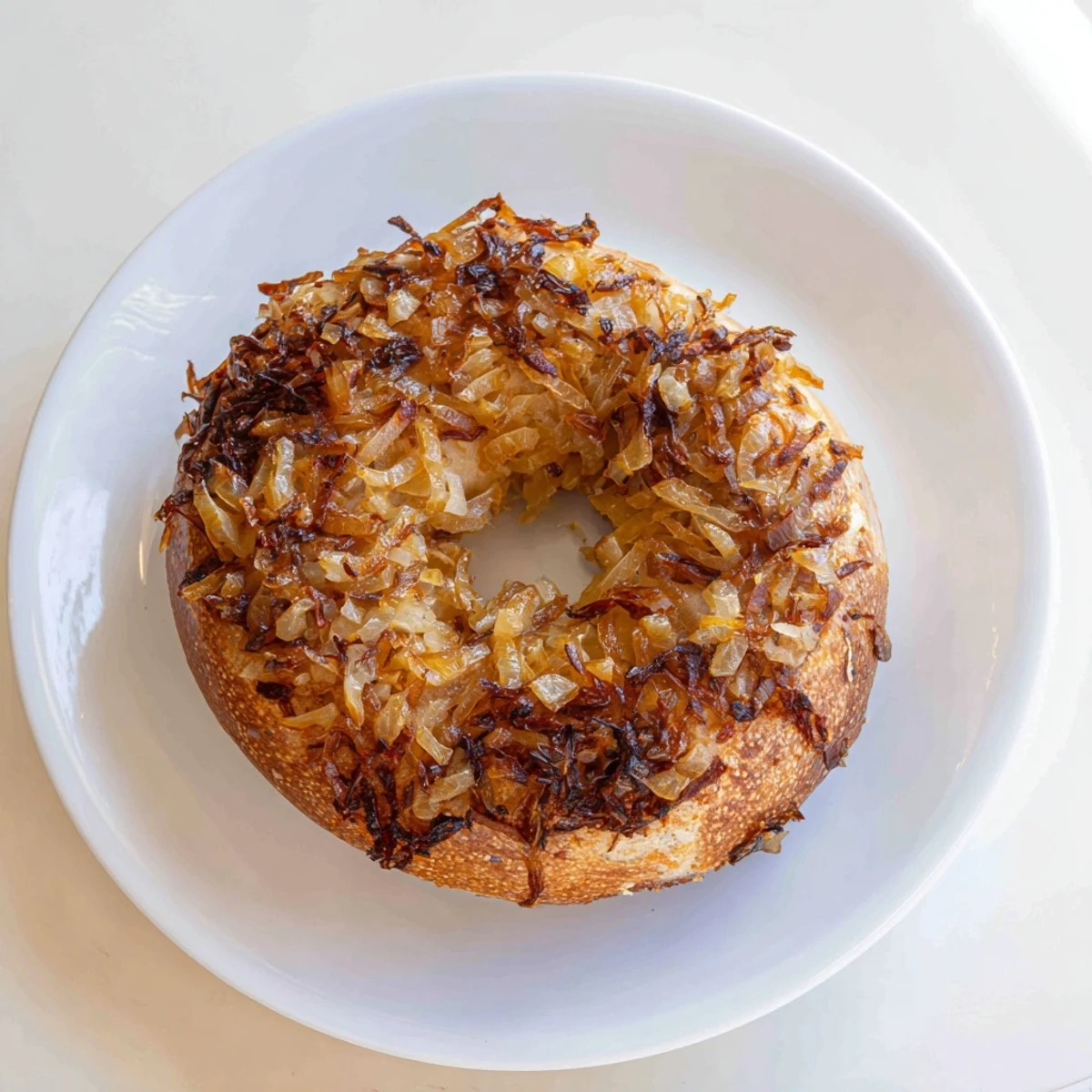
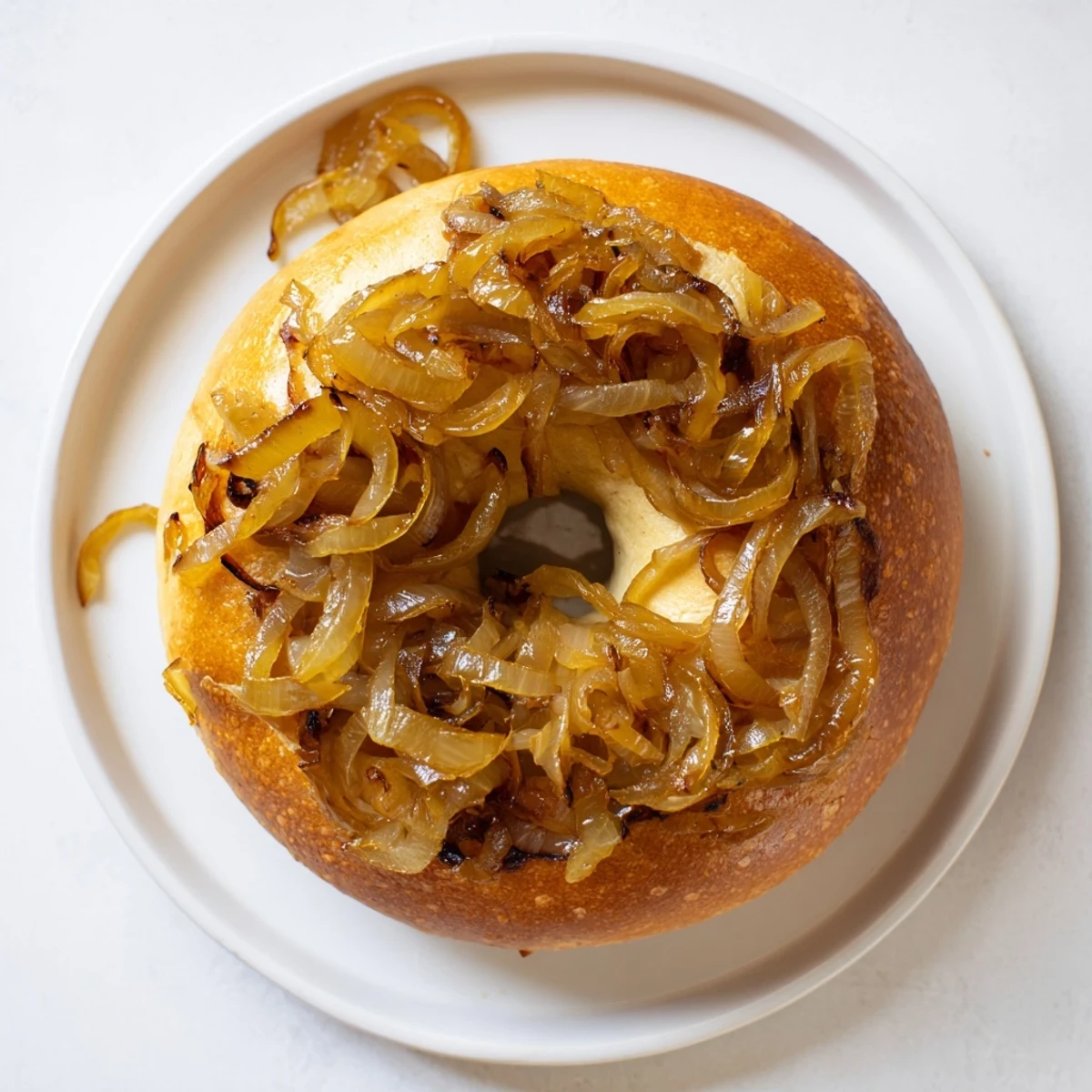
 These bagels combine the complex tang of naturally fermented sourdough with the rich sweetness of slowly caramelized onions. The overnight cold proof develops deep flavor while creating that signature chewy interior and crisp, golden crust we crave from authentic bakery bagels.
The process begins with caramelizing onions until deeply golden and sweet—about 25 minutes of gentle cooking. Meanwhile, the dough ferments at room temperature, then proofs overnight in the refrigerator for optimal texture development. A quick boil in malted water creates the distinctive shiny exterior, while the hot oven delivers perfect bagel shop results.
Each batch yields eight generous bagels that freeze beautifully for quick weekday breakfasts. Toasted and spread with cream cheese, these capture everything we love about artisan bread baking.
My tiny apartment smelled like onions for three straight days when I first attempted these bagels, and I wouldn't have had it any other way. The way caramelized onions cling to chewy sourdough creates something that feels worth the wait. I've since learned that good bread making teaches patience better than anything else.
I made these for a weekend brunch with friends once, and honest to goodness, one person asked if I'd secretly bought them from a bakery downtown. That moment when someone's eyes light up taking that first bite—when the crunch gives way to that unmistakable sourdough chew—that's why I keep making them.
Ingredients
- 100 g active sourdough starter: Use a starter that's been fed within 8 hours for the best rise
- 400 g bread flour: High protein flour creates the chewy texture bagels are famous for
- 50 g whole wheat flour: Adds subtle depth and helps develop a stronger gluten network
- 250 ml warm water: Should feel like bath temperature, around 90°F
- 1 tbsp honey: Feeds the fermentation and adds a hint of sweetness
- 10 g fine sea salt: Don't skip this—it enhances flavor and strengthens gluten structure
- 1 large yellow onion: Thinly slice it so the pieces drape over the bagel surface beautifully
- 1 tbsp olive oil: Helps onions caramelize evenly without burning
- 1/2 tsp salt: For seasoning the onions as they cook down
- 1 tbsp barley malt syrup: Gives bagels that authentic bakery shine (honey works too)
- 2 liters water: Enough to comfortably boil 2 to 3 bagels at a time
Instructions
- Caramelize the onions first:
- Heat olive oil in a skillet over medium-low heat, add sliced onions and salt, then cook slowly for 20 to 25 minutes until they turn deep golden brown and smell incredibly sweet. Set them aside to cool completely before using.
- Mix the base:
- Whisk together sourdough starter, warm water, and honey until fully dissolved, then add both flours and the salt, mixing with your hands until a rough shaggy dough forms.
- Knead until smooth:
- Turn the dough onto a lightly floured surface and knead firmly for 8 to 10 minutes until it feels silky smooth and bounces back when you press it with your finger.
- First rise:
- Place the dough in a lightly oiled bowl, cover with a damp towel, and let it rest at room temperature for 4 to 6 hours until it's visibly puffy and doubled in size.
- Shape into bagels:
- Divide the dough into 8 equal pieces, roll each into a tight ball, then poke a hole through the center with your finger and gently stretch it until the hole is about 2 inches wide.
- Proof and chill overnight:
- Arrange bagels on a parchment-lined baking sheet, cover loosely, and let proof at room temperature for 1 hour, then refrigerate for 8 to 12 hours while the flavor develops.
- Prep for boiling:
- Preheat your oven to 425°F and bring 2 liters of water with barley malt syrup (or honey) to a gentle boil in a wide pot.
- Boil for that signature crust:
- Carefully lower 2 to 3 bagels into the simmering water and cook for 45 seconds per side, then remove with a slotted spoon and return them to the baking sheet.
- Add the onions:
- Press the cooled caramelized onions onto the wet surface of each bagel immediately after boiling—they'll stick perfectly as they bake.
- Bake until golden:
- Bake for 20 to 25 minutes until the bagels are deeply golden brown and sound hollow when tapped on the bottom.
- Cool completely:
- Let the bagels cool on a wire rack for at least 30 minutes before slicing to preserve their texture.
 Pin this
 These became my go-to Sunday ritual during a particularly lonely winter. There's something profoundly comforting about the rhythm of kneading, the slow transformation of onions, and the patience that sourdough demands from you.
The Art of Boiling
That quick bath in malted water is what separates bagels from regular bread. The gelatinized surface creates that distinctive chewy crust while keeping the inside tender. I used to skip this step entirely until I watched a baker do it with such reverence—it completely changed everything.
Making Them Ahead
Slice these before freezing and you'll thank yourself on busy weekday mornings. A quick trip through the toaster brings back that fresh-baked crispiness. I keep a stash in my freezer for emergency bagel moments, which happen more often than you'd think.
Topping Ideas
The classic onion topping is unbeatable, but once you have the base down, the variations are endless. Everything bagel seasoning works beautifully here, or try mixing some dried onion flakes directly into the dough for extra flavor throughout.
- A thick layer of cream cheese with fresh chives
- Smoked salmon and capers for a weekend treat
- Fried egg with cheddar for the ultimate breakfast sandwich
 Pin this
 The smell of these baking fills the whole house with the most incredible aroma. Trust me, your patience will be rewarded with something truly special.
Recipe Questions & Answers
- → What makes these bagels chewy?
-
The combination of high-protein bread flour, overnight cold fermentation, and the boiling step creates that signature chewy texture. The cold proof slows yeast activity, developing gluten structure while deepening sourdough flavor.
- → Can I skip the overnight refrigeration?
-
The overnight rest is crucial for texture and flavor. Skipping it results in less chewy bagels with milder taste. Plan ahead—these taste infinitely better after slow fermentation.
- → What does barley malt syrup do?
-
Barley malt syrup adds subtle sweetness and promotes deep browning during baking. It helps achieve that authentic bagel shop shine and color. Honey works as an alternative, though the flavor profile shifts slightly.
- → How should I store these bagels?
-
Room temperature storage works for 2-3 days in a paper bag. For longer keeping, slice and freeze individually—toast straight from frozen for breakfast. Avoid plastic bags which trap moisture and make crusts soft.
- → Can I add other toppings?
-
Classic options include everything bagel seasoning, poppy seeds, coarse salt, or sesame seeds. Apply toppings immediately after boiling while the surface is still tacky so they adhere properly during baking.
- → Why boil bagels before baking?
-
Boiling gelatinizes the surface starch, creating that distinctive shiny crust and chewy exterior. The malt syrup or honey in the water enhances browning and adds subtle flavor complexity.