
 Pin this
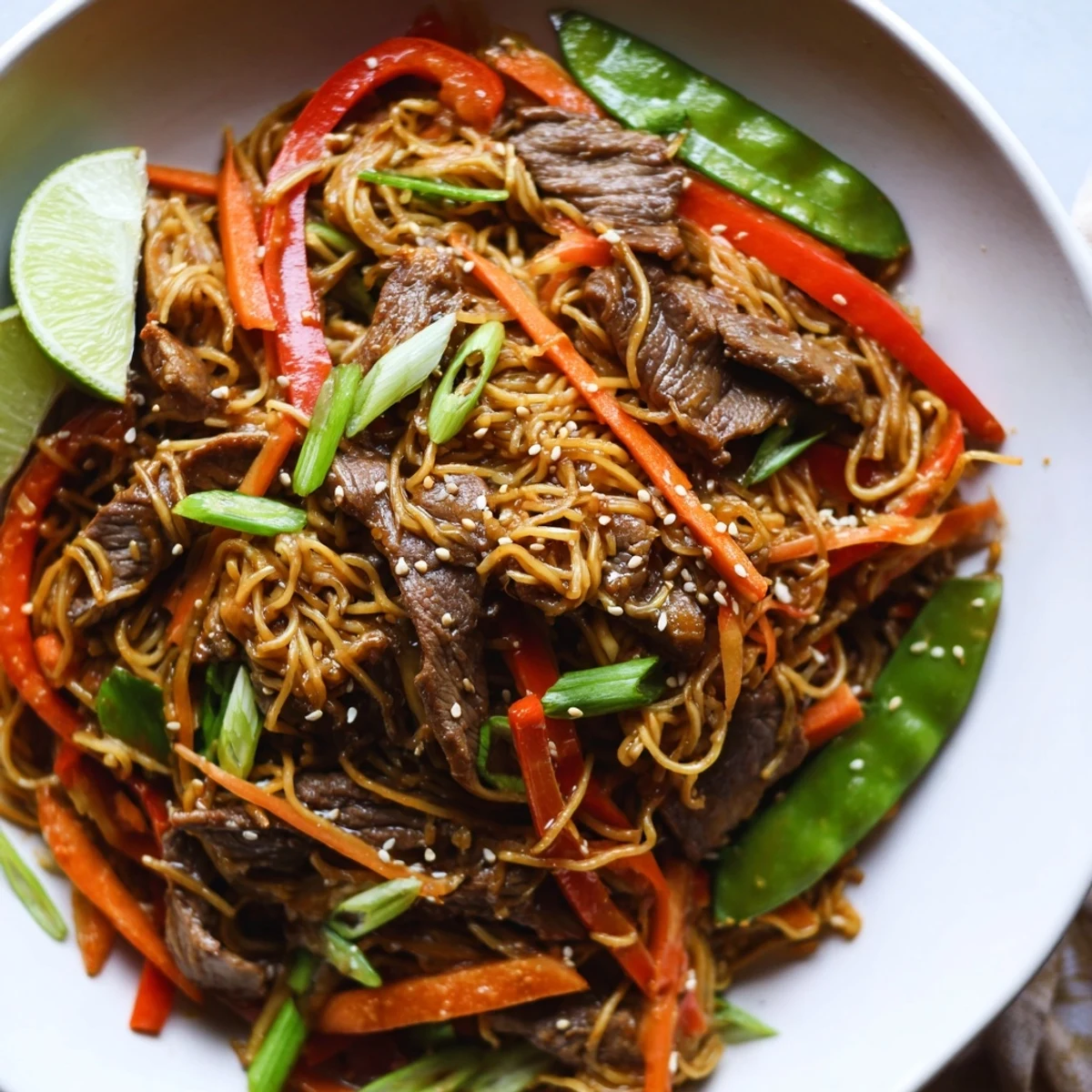
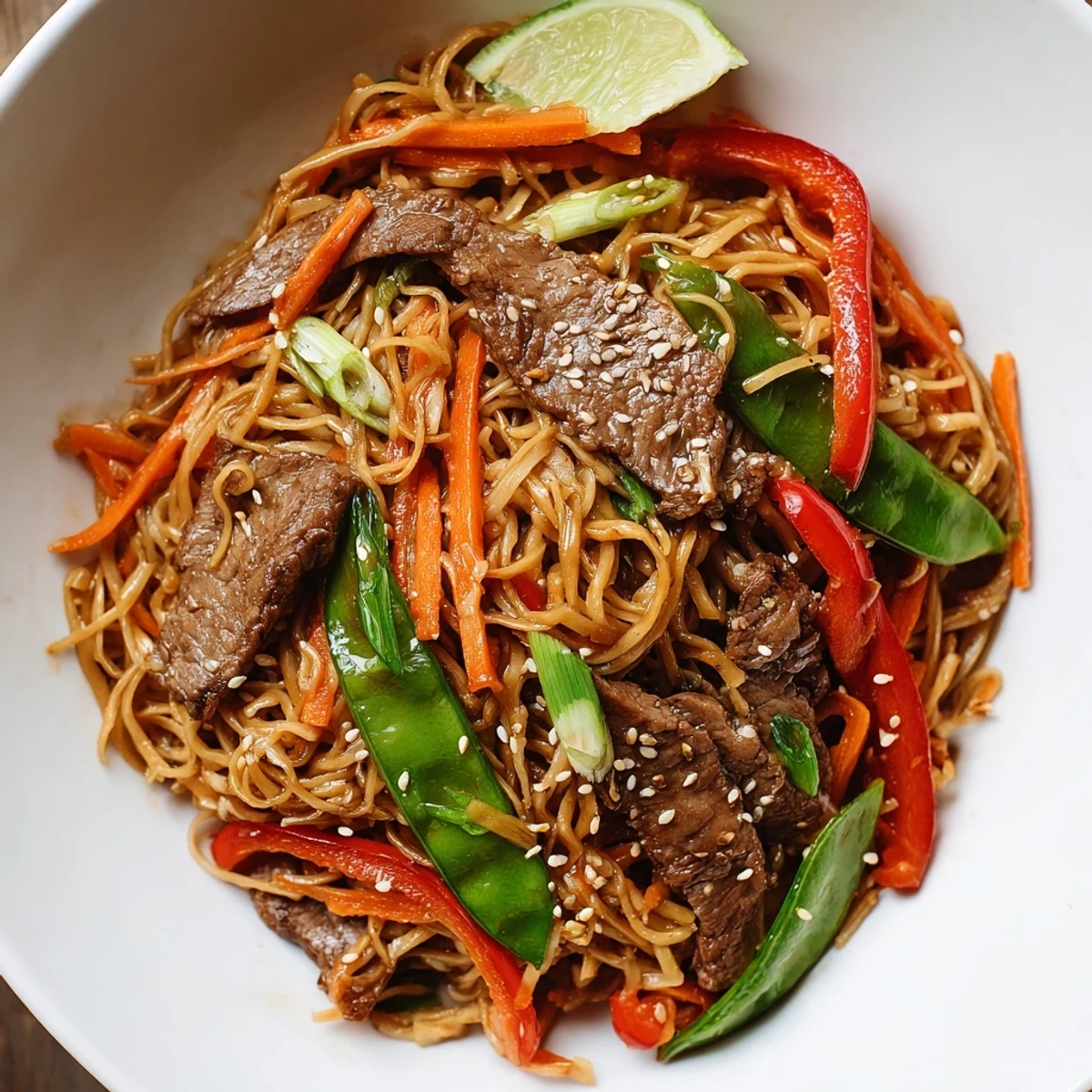
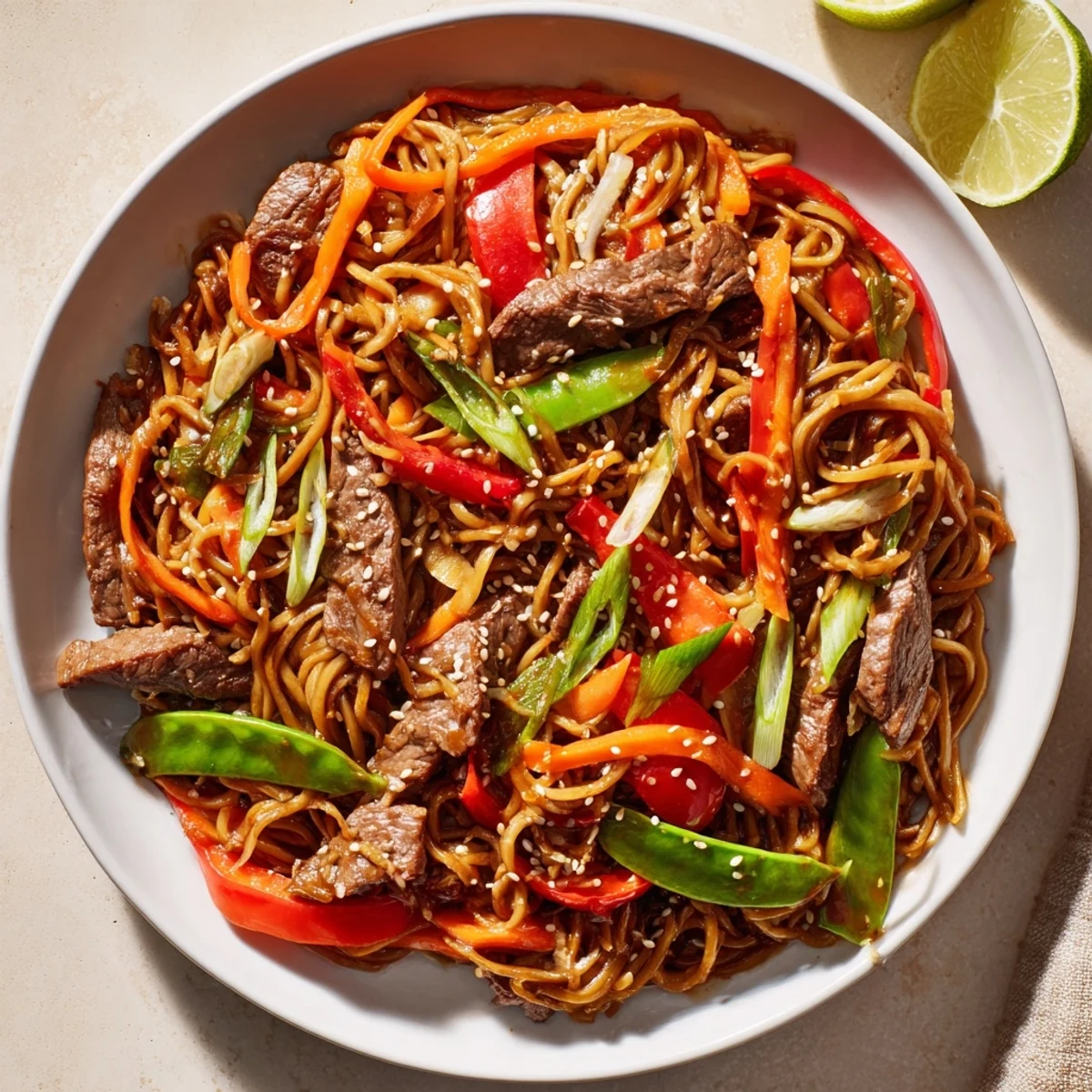
 This dish features thin slices of beef sirloin marinated in soy and sesame oil, then quickly seared. Crisp vegetables like bell peppers and carrots add crunch, while egg noodles provide a hearty base. Everything is coated in a savory, spicy sauce made from oyster sauce and sriracha. It is ready in 35 minutes and serves four.
The first time I made this dish, I was running late for dinner guests and couldn't figure out why the beef kept toughening up. My neighbor leaned over the counter and whispered the secret: slice it thinner than you think you need to, and don't let it sit in that hot pan too long. That one moment changed everything about how I approach this recipe, and now it's become my go-to when I want something that tastes like we spent hours cooking but actually took barely longer than ordering takeout.
I made this for my partner on a Tuesday night when we both needed something bright and alive after a gray week of work. The sizzle of that beef hitting the hot pan, the way the kitchen filled with ginger and garlic steam, the sound of chopsticks clinking against bowls—it pulled us back into the moment together.
Ingredients
- Beef sirloin or flank steak, thinly sliced (400 g): The key is cutting against the grain, which shortens the muscle fibers and makes even budget-friendly cuts feel buttery tender.
- Soy sauce, cornstarch, and sesame oil for marinating: This trio does the heavy lifting, creating a protective coat that keeps the beef juicy while it cooks at high heat.
- Dried egg or rice noodles (250 g): Egg noodles give you more texture and richness; rice noodles are lighter and gluten-free, so pick based on what your kitchen needs.
- Red bell pepper, carrot, and sugar snap peas: These vegetables stay crisp when you don't overcrowd the pan, and their natural sweetness balances the spice beautifully.
- Garlic and fresh ginger: Mince the garlic fine and grate the ginger fresh, because both develop their full character only when freshly prepared.
- Soy sauce, oyster sauce, and sriracha for the sauce: This combination creates layers of depth—umami, richness, and heat working together rather than fighting.
- Vegetable oil for cooking: Use an oil with a high smoke point so it stays invisible and lets the flavors shine.
Instructions
- Prepare the beef:
- Combine your thinly sliced beef with soy sauce, cornstarch, and sesame oil, making sure every piece gets coated. Let it sit for ten minutes while you gather everything else—this isn't a step you can rush, because the cornstarch needs time to form that silky protective layer.
- Cook the noodles:
- Boil them until they're just tender, then rinse with cold water to stop the cooking and prevent them from turning into mush later. Set them aside and don't touch them until you're ready for the final toss.
- Mix your sauce:
- Whisk all the sauce components together in a small bowl so they're ready to go the moment you need them. This is your safety net—once things get moving in the pan, you won't have time to think.
- Cook the beef:
- Heat one tablespoon of oil until it's shimmering and almost smoking, then add the beef in a single layer and let it sit undisturbed for thirty seconds before stirring. This creates a golden crust while the inside stays tender; keep tossing until there's no pink left, then move it to a clean plate.
- Stir-fry the vegetables:
- Add the remaining oil and immediately hit it with garlic and ginger, letting them perfume the whole pan for about twenty seconds. Then add the heartier vegetables first—peppers and carrots—followed by the snap peas so nothing gets sad and mushy.
- Bring it all together:
- Return the beef to the pan, add your cooked noodles and sauce, and toss everything with two forks or tongs for two to three minutes until the noodles absorb some of that spiced sauce and everything is heated through. You'll know it's ready when the smell makes you forget to plate it immediately.
- Finish and serve:
- Scatter spring onions, cilantro, and sesame seeds over the top, squeeze lime wedges at the table, and serve while everything is still steaming hot.
 Pin this
 My daughter came home from school complaining about the bland cafeteria lunch and watched me make this with actual interest for the first time. She helped slice the vegetables and taste-tested the sauce, and by the time we sat down, something had shifted—she was genuinely excited about eating what we'd made together.
Choosing Your Protein
Beef is wonderful here, but this recipe is endlessly flexible depending on what you have or what you're craving. Shrimp cooks in about two minutes and becomes this beautiful pink, chicken thighs stay juicy even if you accidentally overcook them a bit, and tofu loves soaking up that spicy sauce if you're looking to go vegetarian. I've even thrown in mushrooms when I was cooking for someone who'd just gone vegan, and nobody at that table thought they were missing anything.
The Heat Question
Spicy is so personal that I always make this with half the sriracha the recipe calls for and set out extra at the table so people can crank their own heat. The brown sugar isn't there to make it sweet—it's a secret weapon that balances the chili fire and prevents the sauce from tasting one-dimensional and aggressive.
Serving and Pairing
This is the kind of dish that works for weeknight family dinner, meal prep for the next few days (it reheats beautifully), or impressing someone who thinks cooking is mysterious. The lime wedges matter more than you'd think—that brightness cuts through the richness and wakes everything back up. If you're having guests, set out all the garnishes in separate bowls and let people build their own balance of cilantro, seeds, and lime.
- A cold lager or pilsner pairs beautifully, the carbonation cutting through the heat and richness.
- If you prefer tea, jasmine is the move—it's floral enough to stand up to the spices without competing.
- Have lime wedges and extra sriracha at the table because people's heat preferences always surprise you.
 Pin this
 This recipe has become my anchor dish, the one I make when I want to feel capable in the kitchen without spending all night there. It's taught me that dinner doesn't have to be complicated to be delicious, and sometimes the best meals happen when you're moving fast but paying attention.
Recipe Questions & Answers
- → Can I adjust the spice level?
-
Yes, simply reduce the amount of sriracha or chili garlic sauce in the mixture to suit your taste preference.
- → What beef cut is best?
-
Flank steak or sirloin works best because they are flavorful and become tender when sliced thinly against the grain.
- → Can I use other proteins?
-
Absolutely, chicken breast, shrimp, or firm tofu make excellent alternatives to the beef sirloin.
- → Is this dish gluten-free?
-
It contains gluten due to soy sauce and noodles, but you can make it gluten-free by using tamari and rice noodles.
- → How do I store leftovers?
-
Store any leftovers in an airtight container in the refrigerator for up to three days.