
 Pin this
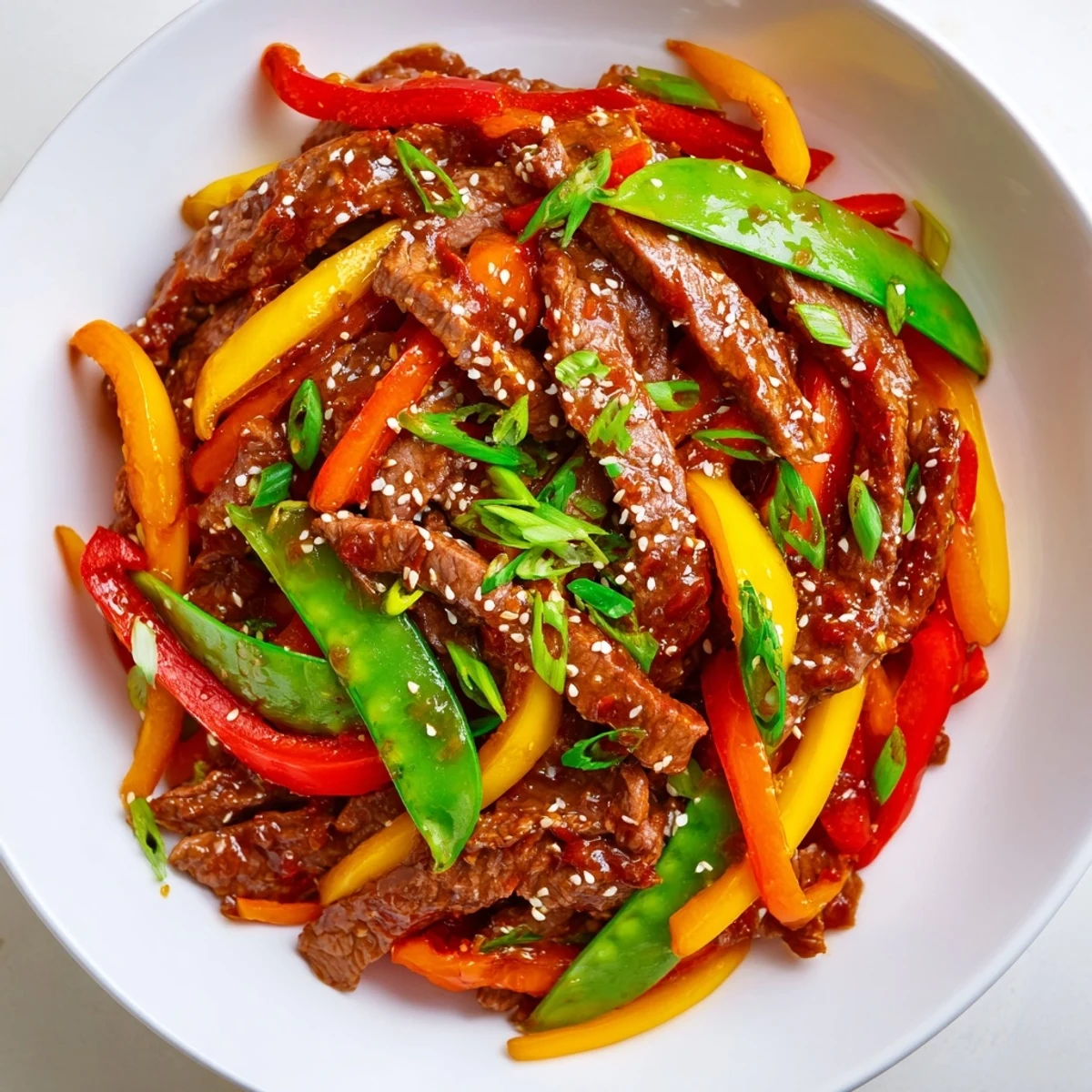
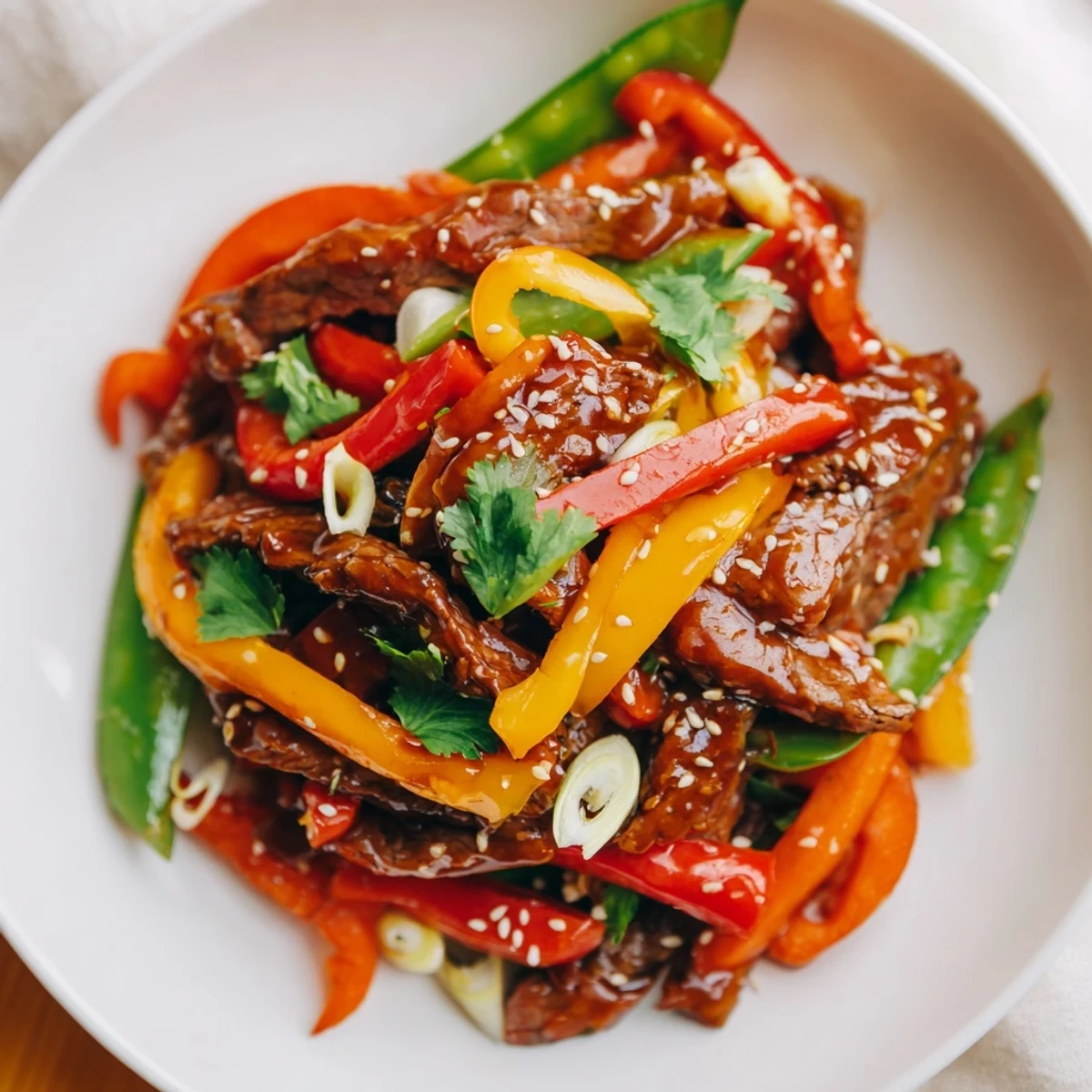
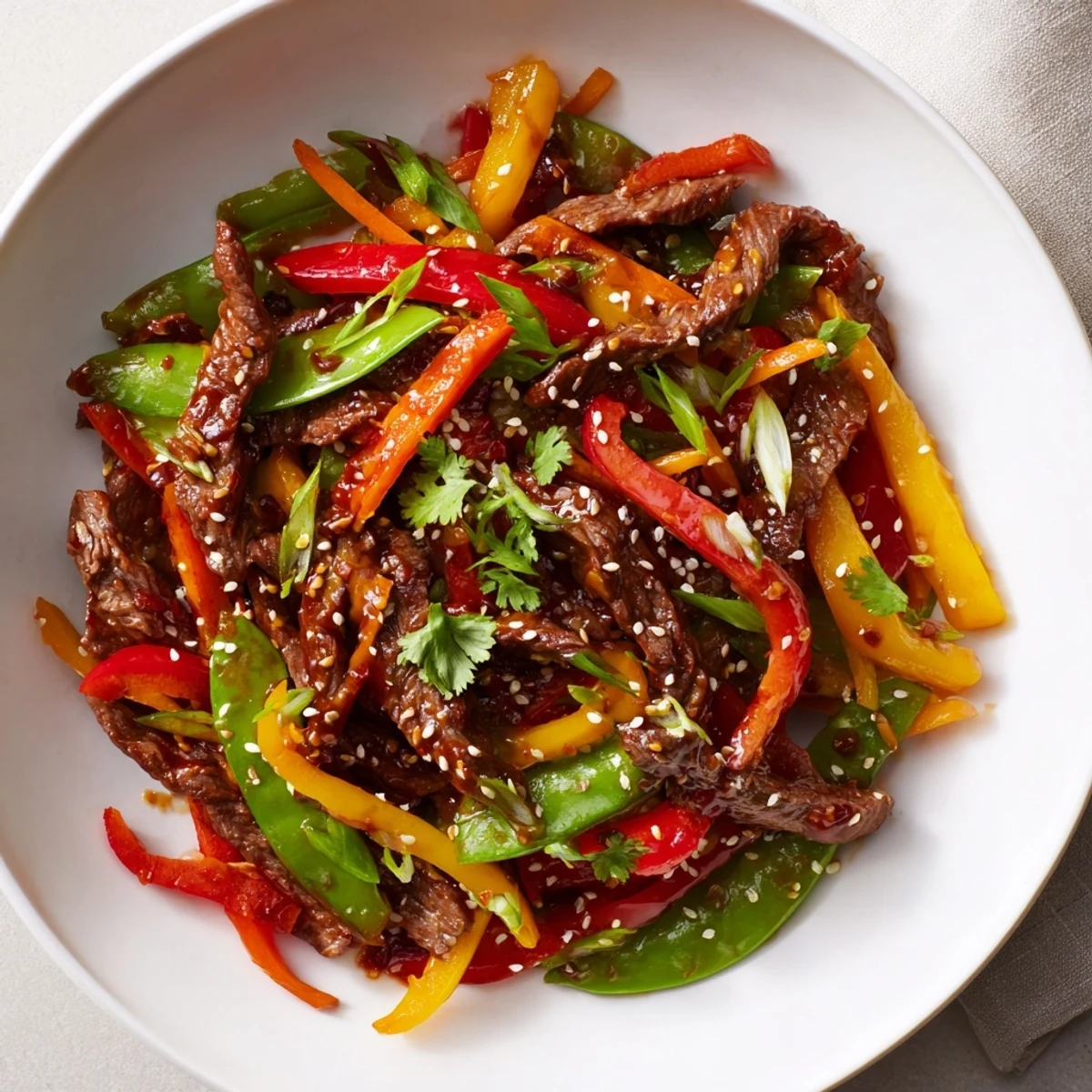
 This vibrant stir fry features tender beef slices marinated for enhanced flavor, combined with crisp bell peppers, snow peas, and carrots. The rich, spicy sauce blends soy, hoisin, and sriracha for bold Asian-inspired notes. Quickly seared beef, sautéed aromatics, and a crunchy vegetable medley come together in a flash for a satisfying weeknight meal. Garnished with sesame seeds and fresh herbs, it pairs wonderfully with steamed rice or noodles.
There's a particular Wednesday evening that sticks with me—I'd rushed home from work, stomach growling, with maybe thirty minutes to throw dinner together. I opened the fridge to find gorgeous flank steak and a handful of colorful peppers, and something clicked. That night, I learned that the fastest meals don't have to be boring, and that fierce, layered heat could come together in less time than it takes to order takeout. This stir fry became my answer to every "what's for dinner" panic.
I made this for my sister's surprise dinner party once, when she mentioned craving something spicy but didn't think she had time to cook it. Watching her taste that first forkful, eyes widening at the heat and the brightness—that's when I realized this wasn't just weeknight food, it was proof that you could feed people something memorable without fussing all day.
Ingredients
- Flank steak or sirloin, thinly sliced (500 g): Slicing against the grain is the secret to tenderness; I learned this the hard way after chewy first attempts.
- Soy sauce (2 tbsp for marinade, 2 tbsp for sauce): It's your umami foundation, the reason everything tastes savory and complete.
- Cornstarch (1 tbsp): This isn't just thickening—it creates that silky coating on the beef that catches the sauce.
- Sesame oil (1 tsp): Use toasted sesame oil; the untoasted version tastes watery and defeats the purpose.
- Red and yellow bell peppers: They should still have a slight snap when you bite them, which is why timing matters.
- Carrot, julienned: Thin slices cook fast and add natural sweetness that balances the heat.
- Snow peas (100 g): These stay crisp longer than you'd expect if you don't overcrowd the wok.
- Spring onions: Add half at the end so they stay bright and fresh, not wilted into oblivion.
- Garlic and fresh ginger: Mince the garlic fine and grate the ginger fresh; frozen or pre-minced loses its punch.
- Oyster sauce (1 tbsp): This deepens everything, adding a savory depth that soy alone can't achieve.
- Hoisin sauce (1 tbsp): It brings sweetness and body; don't skip it thinking soy sauce is enough.
- Rice vinegar (1 tbsp): This brightens the sauce so it doesn't become one flat, salty puddle.
- Sriracha or chili garlic sauce (1 tbsp, adjust up): Start with this amount; you can always add more heat but you can't take it back.
- Vegetable oil (1 tbsp): High smoke point oil is essential here—peanut or vegetable work best.
- Toasted sesame seeds and fresh cilantro: These finish the dish with texture and brightness that makes it feel complete.
Instructions
- Coat and rest the beef:
- Slice your steak thin and toss it with soy sauce, cornstarch, and sesame oil, mixing until every piece is coated. This takes ten minutes to work its magic, coating the beef so it sears rather than steams.
- Mix your sauce ahead:
- Whisk together soy, oyster, hoisin, rice vinegar, sriracha, sugar, and water in a small bowl. You want this ready to go because once you start cooking, there's no pause button.
- Sear the beef fast:
- Heat oil in your wok until it shimmers and moves like water across the surface. Add beef in a single layer and don't touch it for a full minute—let it brown, then flip and finish. This takes maybe two minutes total; pull it out onto a plate.
- Wake up the wok with aromatics:
- Toss in garlic and ginger into that hot wok for just thirty seconds until the smell hits you—that's when you know the oils are releasing. This moment makes everything that follows taste right.
- Cook vegetables to the edge of crisp:
- Add peppers, carrot, and snow peas and keep the motion constant for two to three minutes. You want them tender enough to cut easily but still with a gentle resistance when you bite down.
- Bring it all back together:
- Return the beef, pour in your sauce, and toss everything for one to two minutes until the sauce thickens slightly and coats everything in a glossy sheen. The whole wok should smell like restaurant-quality heat and depth.
- Finish with freshness:
- Stir in spring onions right before plating, then scatter sesame seeds and cilantro on top. This keeps those garnishes bright instead of limp.
 Pin this
 There's something almost meditative about cooking this, the way the heat rises and the kitchen fills with that complex, layered aroma of garlic and ginger and spice. One night my partner walked in halfway through, asked what smelled so good, and grabbed a fork before I'd even plated it—that's when I knew this recipe had become something we'd make over and over.
The Heat Strategy
Spice is personal, and this recipe respects that. I started with one tablespoon of sriracha because that's what felt safe, but the second time I made it, I added fresh sliced Thai chilies and discovered a whole new layer of flavor underneath the heat. The sauce already has layers—the sweetness from hoisin, the tang from rice vinegar—so the sriracha isn't overpowering; it's a voice in a conversation, not a shout.
Timing and Texture
The magic of stir fry lives in restraint. It's tempting to cook longer when you see steam rising, but the vegetables should still talk back to your teeth, and the beef should be just barely cooked through—overcooked beef becomes sad and gray. I learned to cook by the clock, not by intuition, at least until my hands knew the sounds and smells of when things were done right. High heat, constant motion, and nothing sitting still is how you get restaurant results at home.
What to Serve It With
This stir fry is loud and bold, so it needs a quiet companion. Jasmine rice soaks up the sauce beautifully, or soft noodles work if you want something that carries the flavors differently. I've also served it over cauliflower rice on nights when I wanted something lighter, and the vegetables and sauce make it work without the starch. The dish adapts, but what stays constant is that it's faster than you think and tastes like you spent all afternoon on it.
- Try it over jasmine or basmati rice for the most classic pairing.
- Thin noodles or rice noodles make it feel like takeout if that's what you're craving.
- The sauce is bold enough to stand on its own with just a bowl of greens on the side if you're eating light.
 Pin this
 This is the dinner you make on nights when you want to feel capable and bold, when you want food that tastes like you tried without the hours of labor. It became that for me, and I hope it becomes that for you too.
Recipe Questions & Answers
- → How can I make the beef more tender?
-
Marinate the beef with soy sauce and cornstarch to help tenderize and create a smooth texture when cooked quickly over high heat.
- → What vegetables work best in this dish?
-
Bell peppers, snow peas, carrots, and spring onions provide a vibrant crunch and complement the spicy sauce beautifully.
- → Can I adjust the spice level?
-
Yes, modify the amount of sriracha or chili garlic sauce to suit your preferred heat level without overpowering the dish.
- → What is the best cooking oil to use?
-
Vegetable or neutral oils with a high smoke point, like canola or peanut oil, work well for stir frying to maintain flavor and safety.
- → How long should I cook the beef for optimal texture?
-
Quickly sear the beef for 1-2 minutes on high heat until just browned to keep it tender and juicy.