
 Pin this
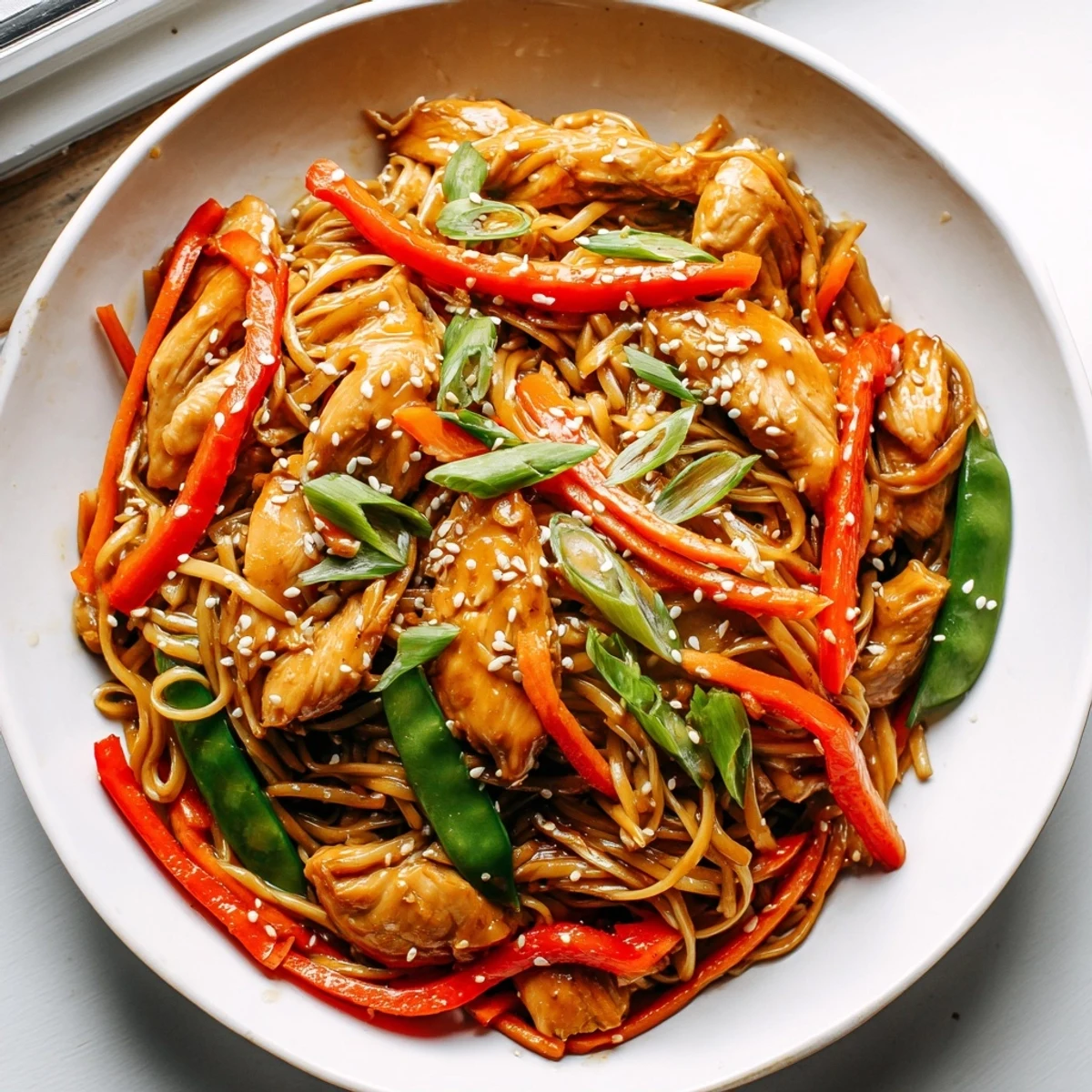
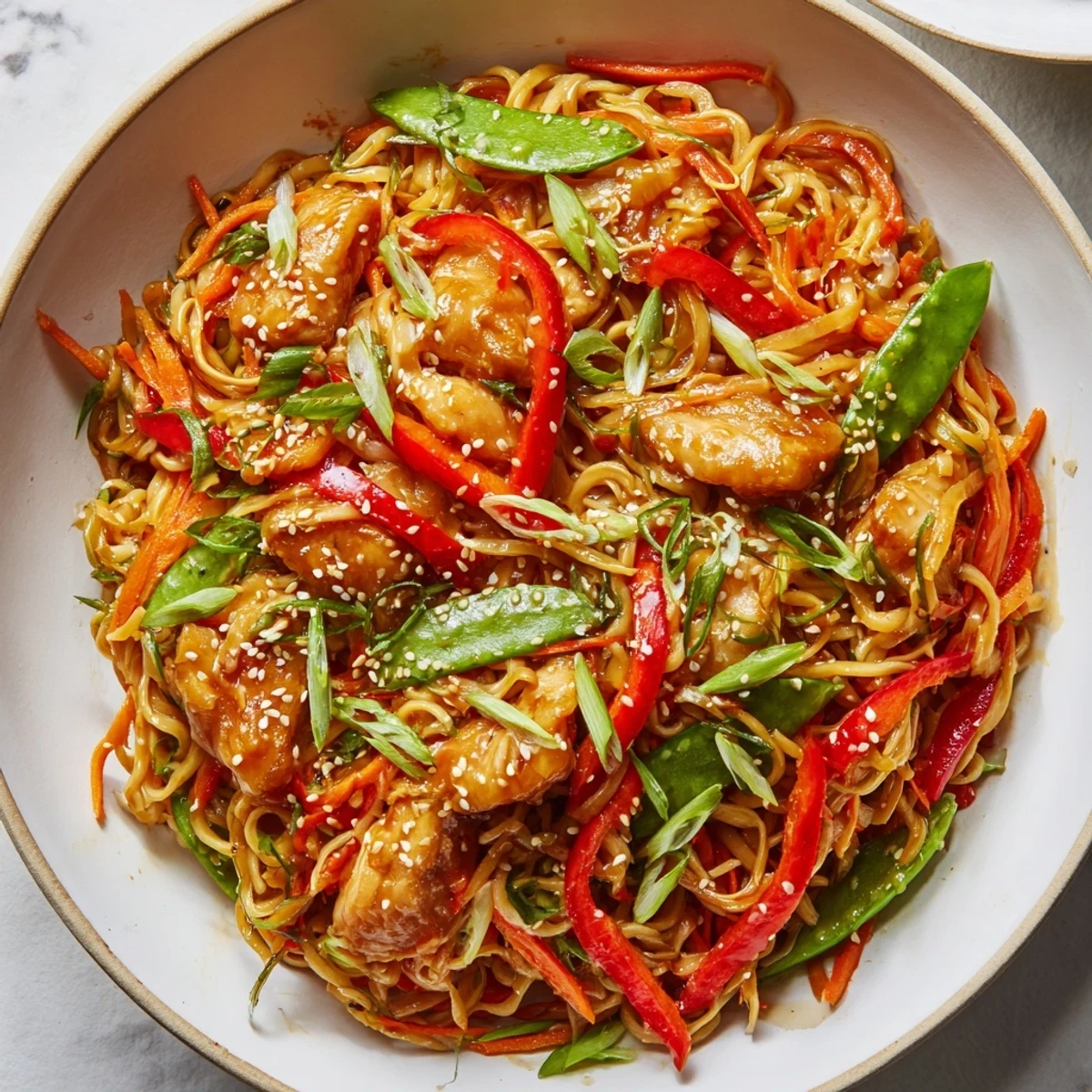
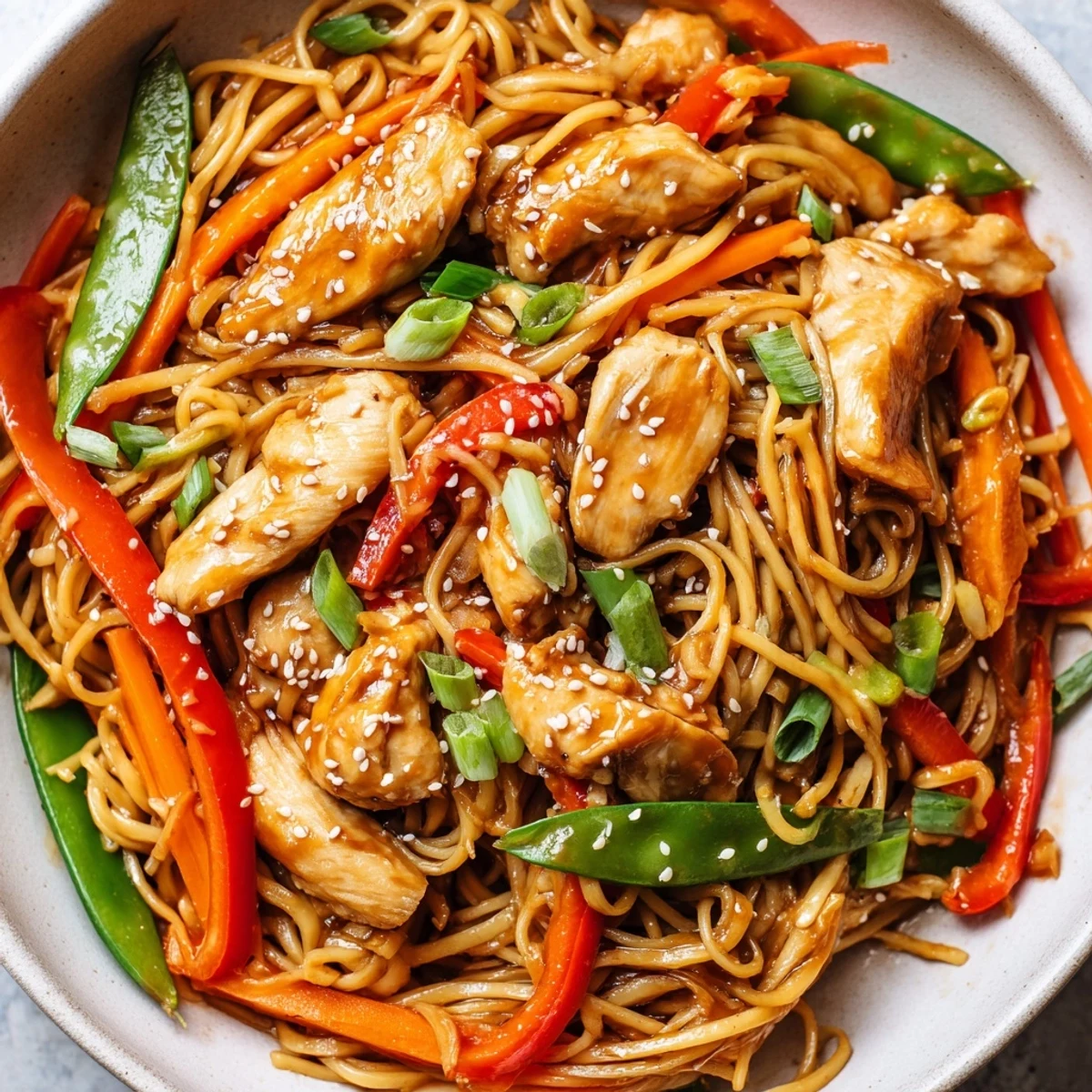
 This Asian-inspired dish brings together tender chicken slices, chewy egg noodles, and vibrant crisp vegetables all coated in a luscious sticky garlic sauce. The balance of salty soy sauce, sweet honey, tangy rice vinegar, and aromatic garlic creates an irresistible glossy coating that clings perfectly to every strand of noodle.
Ready in just 35 minutes, this satisfying one-pan meal comes together quickly for busy weeknights. The chicken stays tender thanks to a simple cornstarch coating, while the vegetables maintain their crisp-tender crunch. The sauce thickens beautifully as it simmers, creating that restaurant-quality glossy finish that makes this dish so addictive.
The first time I made sticky garlic noodles, my entire apartment smelled like a tiny street corner in Seoul. I had just moved into my first real apartment with a kitchen that actually had windows, and I was desperate to cook something that felt like an accomplishment. This dish came out glossy and perfect, and my roommate literally hovered over the wok with a fork, stealing pieces before I could even plate it.
Last winter, when my sister came over after a terrible day at work, I made her a bowl of these noodles. She sat at my counter, shoulders hunched, and took one bite before actually closing her eyes and exhaling for what felt like the first time all day. Food cant fix everything, but watching someone slowly relax over something you made them comes pretty close.
Ingredients
- Chicken thighs or breasts (500 g): Thighs stay juicier during the high-heat stir-fry, but breasts work if you prefer leaner meat. Slice them thin against the grain so they cook fast and tender.
- Cornstarch (1 tbsp): This creates that velvety coating on the chicken that Chinese restaurants do. It helps the sauce grab onto the meat later too.
- Low-sodium soy sauce (4 tbsp): Regular soy sauce can make the finished dish too salty since the sauce reduces. You can always add more at the end.
- Dark soy sauce (2 tbsp, optional): This is mostly for that gorgeous mahogany color restaurants get. It adds a subtle caramel depth you cannot get from light soy alone.
- Honey and brown sugar (2 tbsp each): Honey gives you that quick gloss, brown sugar brings a deeper molasses note. Both create that signature sticky finish.
- Rice vinegar (3 tbsp): Cuts through all that sugar and richness. Without it, the sauce tastes cloyingly sweet.
- Oyster sauce (2 tbsp): The umami bomb of the sauce. If you do not eat shellfish, mushroom sauce works as a substitute.
- Garlic cloves (5) and fresh ginger (1 tbsp): Do not skimp here. Five cloves might sound aggressive, but they mellow out in the sauce. Fresh ginger matters—powdered will not give you that bright kick.
- Dried egg noodles or rice noodles (300 g): Egg noodles have more bounce and chew. Rice noodles are lighter and great if you need gluten-free.
- Red bell pepper, carrot, snap peas (about 2 cups total): You want vegetables that stay crisp after a quick toss. Avoid things that release a lot of water, like zucchini.
Instructions
- Get the noodles ready first:
- Cook them according to the package, then drain and rinse under cold water immediately. This stops them from cooking further and washes away excess starch so they do not turn into a gummy blob later. Toss them with a tiny splash of oil so they do not stick together while you prep everything else.
- Coat the chicken:
- Toss the sliced chicken with cornstarch and one tablespoon of soy sauce in a bowl. Let it sit for about 10 minutes while you chop vegetables and mix the sauce. This step is called velveting, and it makes the chicken texture so much better.
- Sear the chicken in batches:
- Heat oil in a wok or large skillet over medium-high heat until it shimmers. Add the chicken in a single layer and let it sear without touching it for a minute—this creates browning. Stir-fry until golden and cooked through, then remove and set aside. Overcrowding the pan makes the chicken steam instead of sear.
- Crisp the vegetables:
- In the same hot pan, toss in the bell pepper, carrot, and snap peas. Stir-fry for two to three minutes until they are bright and still have crunch. You want them cooked-tender, not mushy.
- Bloom the aromatics:
- Lower the heat to medium and add the garlic, ginger, and chili flakes to the pan. Stir constantly for about thirty seconds until you can smell them. Burnt garlic tastes bitter, so once it is fragrant, move to the next step immediately.
- Build the sauce in the pan:
- Pour in all the sauce ingredients—soy sauces, honey, brown sugar, rice vinegar, oyster sauce, and sesame oil. Let it come to a gentle simmer and thicken slightly. It should coat the back of a spoon and look glossy.
- Bring it all together:
- Add the cooked chicken and the noodles back into the pan. Use tongs or a spatula to toss everything together for two to three minutes until every strand is coated and the sauce clings to everything. The noodles should look lacquered.
- Finish and serve:
- Scatter scallions and sesame seeds over the top if you are using them. Serve immediately while the sauce is still sticky and the noodles are hot. This dish does not sit well—the sauce thickens up fast as it cools.
 Pin this
 My friend requests this every time she comes over for dinner now. She stands by the stove watching the sauce bubble and thicken, asking if it is done yet, until finally I hand her a bowl and she disappears into the living room without another word. That is the best review I can think of.
Getting The Sauce Consistency Right
The sauce should be thick enough to cling to a spoon but still pourable. If it is too thin, keep simmering—evaporation is your friend here. If it gets too thick before you add the noodles back in, splash in a tablespoon of water to loosen it up. The sauce will continue to thicken as it coats the noodles, so aim for slightly thinner than you think you want.
Protein Variations
Shrimp works beautifully here—add them during the last two minutes of cooking so they do not turn rubbery. Tofu needs pressing first to remove excess water, then pan-fry until golden before tossing with the sauce. Pork tenderloin sliced thin works exactly like the chicken. Even mushrooms can stand in as a vegetarian option, though you might want to bump up the soy sauce for extra depth.
Make Ahead And Storage
The sauce can be mixed up to three days ahead and stored in the fridge. Vegetables can be sliced the night before and kept in a container with a paper towel to absorb moisture. Once cooked, these noodles keep well for three to four days in the refrigerator.
- Reheat with a splash of water to revive the sauce consistency
- The noodles absorb sauce overnight, so leftovers taste even more intense
- Avoid freezing—the texture of the noodles never quite recovers
 Pin this
 This is the kind of meal that makes people ask when you are making it again. Hope it finds its way into your regular rotation too.
Recipe Questions & Answers
- → Can I use different noodles?
-
Yes, you can substitute egg noodles with rice noodles, udon, soba, or even spaghetti. Just adjust cooking time according to package instructions.
- → How do I make it gluten-free?
-
Use tamari instead of soy sauce, choose gluten-free noodles, and substitute oyster sauce with a gluten-free mushroom-based alternative.
- → Can I make this ahead?
-
The sauce can be prepared up to 3 days in advance and stored refrigerated. leftovers reheat well with a splash of water to loosen the noodles.
- → How spicy is this dish?
-
With optional chili flakes, it has a mild warmth. Adjust the amount to your preference or omit completely for a non-spicy version.
- → What protein alternatives work?
-
Shrimp, tofu, sliced beef, or pork tenderloin all work beautifully with this sticky garlic sauce. Adjust cooking time accordingly.