
 Pin this
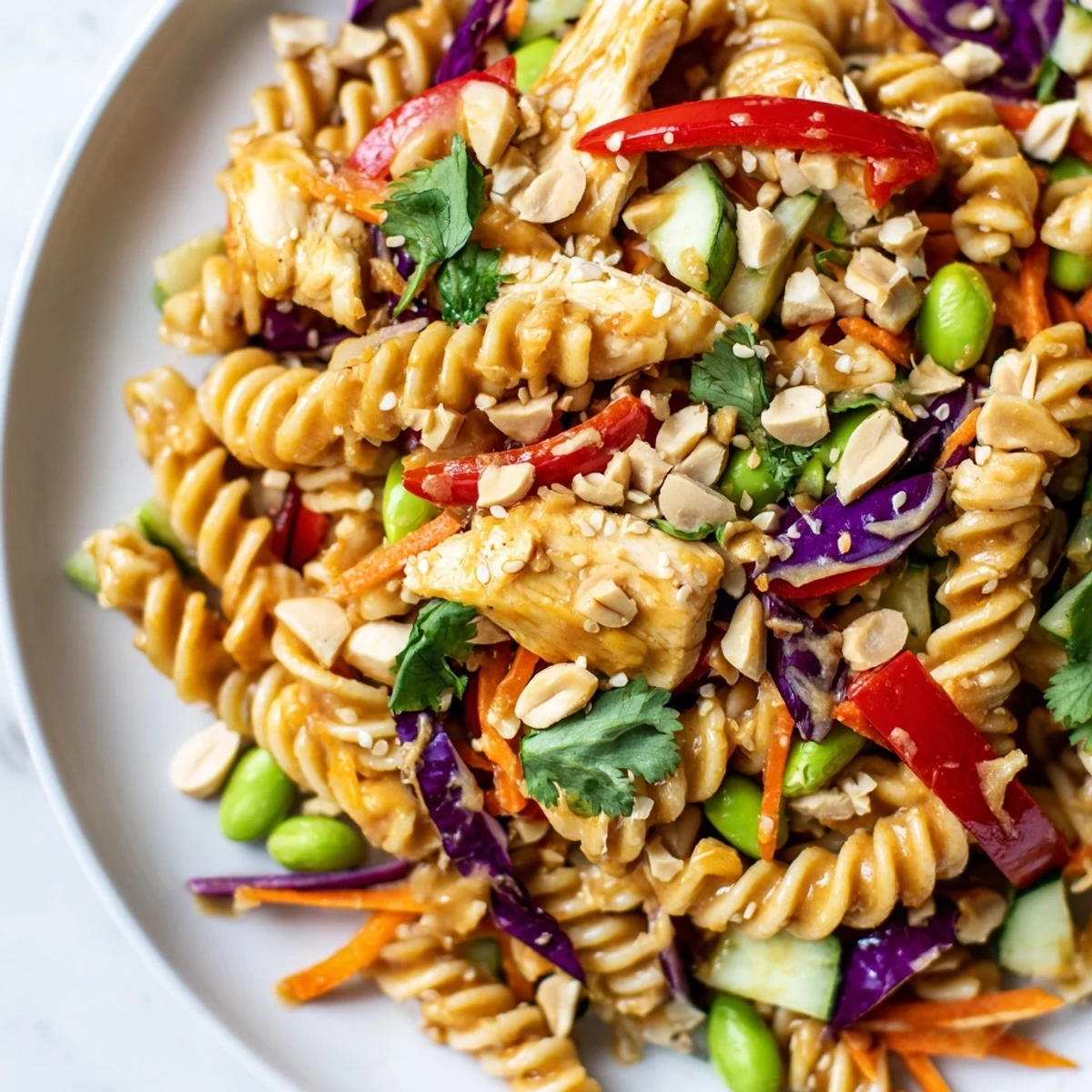
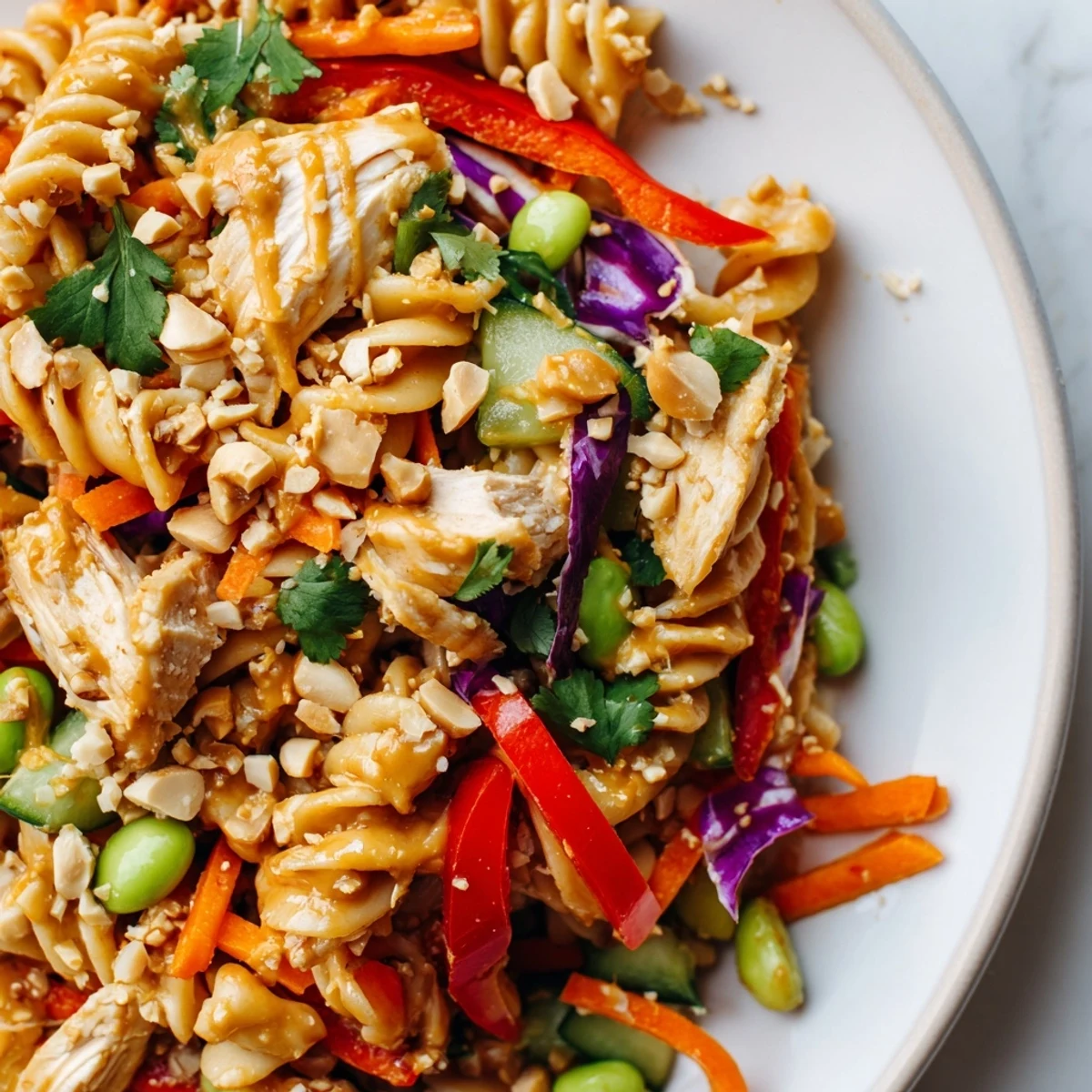
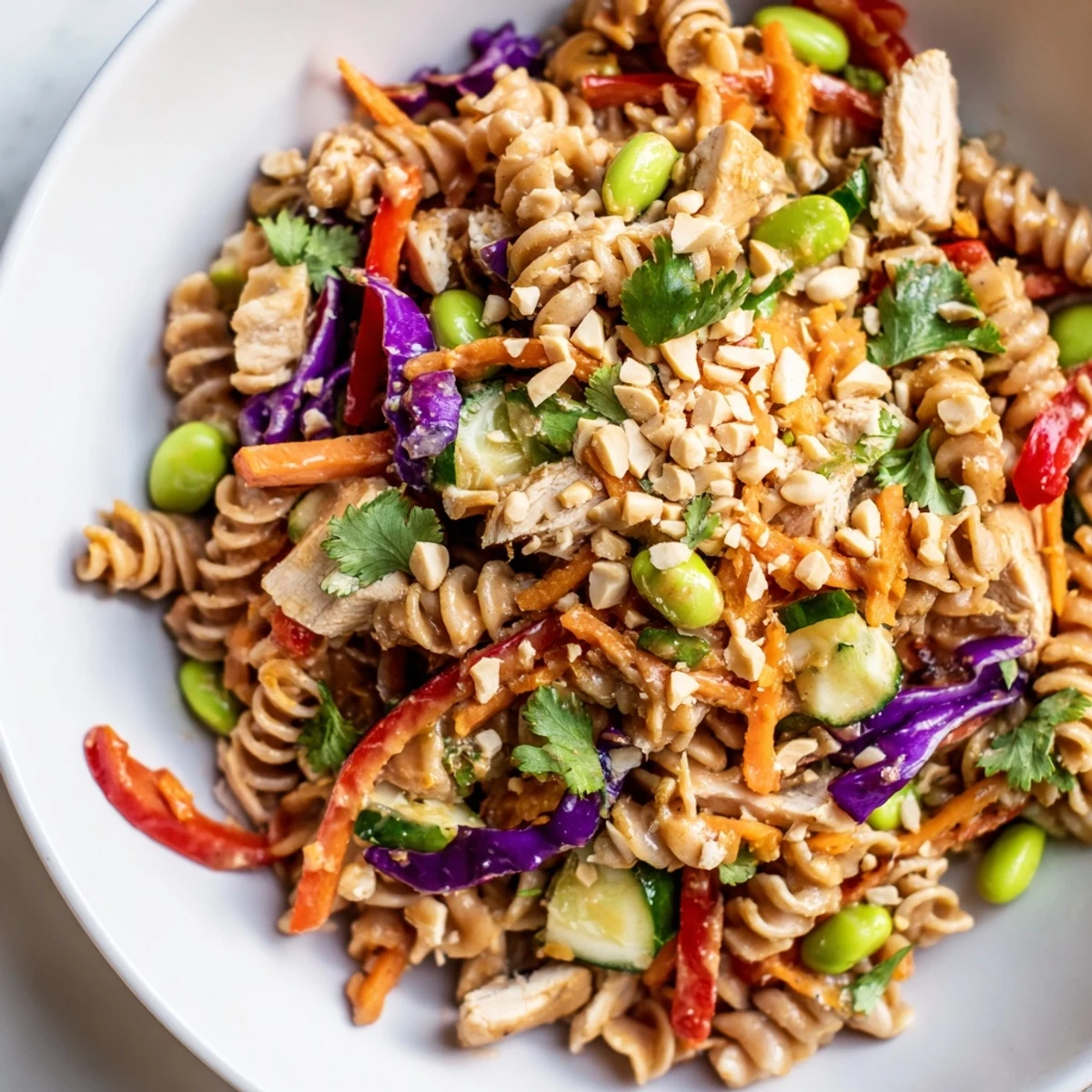
 This protein packed Thai pasta salad brings together tender whole wheat pasta, juicy grilled chicken breast, and shelled edamame for a serious protein boost that keeps you full for hours.
Crisp vegetables like red bell pepper, julienned carrot, purple cabbage, and cucumber add satisfying crunch and color to every bite.
The star of the dish is the creamy peanut dressing made with natural peanut butter, soy sauce, lime juice, and a hint of Sriracha, delivering bold Thai-inspired flavors that coat every ingredient beautifully.
Ready in just 32 minutes and perfect for meal prep, this salad stores well in the fridge for up to three days, making it an ideal choice for busy weeknight dinners or grab-and-go lunches throughout the week.
The exhaust fan was broken the afternoon I decided to pan-sear tofu for this salad, and my tiny kitchen filled with smoke so thick I had to open every window despite it being January. That chaotic moment birthed the best lunch I had eaten in months, a Thai-inspired pasta salad so satisfying it erased every bad desk lunch from memory. The peanut dressing alone is worth turning on your stove for, creamy and sharp and faintly sweet, clinging to every curl of rotini like it was always meant to be there. This dish has since become my unreliable but beloved weeknight companion, the one I make when the fridge is half empty and I still want something that feels intentional.
I brought a massive bowl of this to a potluck at a friends rooftop last summer, fully expecting it to sit politely beside the chips and guacamole while everyone gravitated toward the grilled meats. Within twenty minutes the bowl was scraped clean and two people asked for the recipe before I even had a chance to eat any myself.
Ingredients
- Whole wheat pasta (rotini, farfalle, or penne), 225 g: The ridges and curves catch the peanut dressing far better than smooth shapes, and whole wheat adds a nutty backbone that plain pasta simply cannot match.
- Cooked chicken breast or firm tofu, 300 g: Grilled chicken brings a smoky char that plays beautifully with the sweet dressing, while pressed and pan-seared tofu cubes get crispy edges that hold their bite even after marinating.
- Edamame, shelled, 75 g: These little green gems add a satisfying pop of plant protein and a buttery texture that breaks up the crunch of raw vegetables.
- Red bell pepper, thinly sliced: Its natural sweetness balances the heat from the Sriracha and the acidity of the lime juice.
- Carrot, julienned: Thin strips blend into the salad better than grated carrot, which tends to clump and turn everything orange.
- Purple cabbage, thinly shredded, 1 cup: It stays crisp for days and adds a gorgeous violet contrast that makes the whole bowl look like you tried harder than you actually did.
- Spring onions, thinly sliced: A mild allium kick that does not overpower the delicate cilantro or the peanut butter.
- Cucumber, sliced into half-moons: Cool and watery, these little crescents provide relief from the richness of the dressing.
- Fresh cilantro leaves, chopped, 3 tbsp: Do not skip this, it is the herbal glue that makes the whole dish taste Thai rather than just peanut butter on noodles.
- Natural peanut butter, 60 g: Use the kind with no added sugar or oil, because you control the sweetness and salt separately in this dressing.
- Low-sodium soy sauce or tamari, 2 tbsp: Tamari is your gluten-free swap and it tastes slightly richer and rounder than standard soy sauce.
- Rice vinegar, 1 tbsp: Gentler than white vinegar, with a faint sweetness that rounds out the acidity without needing much honey.
- Honey or maple syrup, 2 tsp: Maple syrup is the vegan route and adds a darker, more autumnal sweetness if that is what you have on hand.
- Fresh lime juice, 2 tsp: Just enough to wake everything up and cut through the fat in the peanut butter.
- Sesame oil, 1 tsp: A tiny amount goes a long way and gives the dressing that unmistakable toasty, savory depth.
- Sriracha or chili sauce, 1 to 2 tsp: Start with one teaspoon, taste, and then decide if your day deserves more heat.
- Warm water, 2 to 3 tbsp: This is your secret weapon for turning a thick peanut paste into something that drizzles and coats rather than clumps.
- Roasted peanuts, roughly chopped, 2 tbsp: Crunch on top of crunch, because texture is everything in a cold salad.
- Toasted sesame seeds, 1 tbsp: Thirty seconds in a dry pan transforms them from dusty specks into fragrant, nutty sprinkles.
Instructions
- Cook and shock the pasta:
- Boil the pasta in well-salted water until just past al dente, then drain and rinse thoroughly under cold running water until completely cool to the touch. This stops the cooking immediately and washes away excess starch so the dressing slides on smoothly instead of turning gummy.
- Prepare your protein:
- Slice the grilled chicken into thin strips or cut pressed tofu into uniform cubes and sear them in a hot skillet with a splash of oil until each side is deeply golden. Let the protein rest for a few minutes before handling so it firms up and keeps its shape in the salad.
- Whisk the peanut dressing:
- In a small bowl, combine the peanut butter, soy sauce, rice vinegar, honey or maple syrup, lime juice, sesame oil, and Sriracha, then whisk aggressively while streaming in warm water one tablespoon at a time until the mixture pours like a creamy salad dressing. Taste it on the back of a spoon and adjust salt, acid, or heat before moving forward.
- Build the salad:
- In your largest bowl, toss together the cooled pasta, protein, edamame, bell pepper, carrot, cabbage, spring onions, cucumber, and cilantro until the colors are evenly distributed. Pour the dressing over everything and use tongs to fold and toss vigorously, making sure every surface is glossy and coated.
- Finish and serve:
- Scatter the chopped peanuts and sesame seeds across the top, give it one final gentle toss, and either eat it right away at room temperature or slide it into the fridge for an hour or two so the flavors settle and deepen. It tastes even better the next day when the vegetables have released a little of their juice into the dressing.
 Pin this
 There is something quietly powerful about a bowl of food that feeds you for three days straight without ever feeling like a compromise or a chore.
Swaps That Actually Work
Quinoa pasta or brown rice noodles slide right into this recipe without any fuss, and the latter give it a more traditional Thai sensibility if that is what you are after. Snap peas, bean sprouts, thinly sliced radishes, or even halved cherry tomatoes can join the vegetable lineup depending on what your crisper drawer is offering. For a vegan version, use the tofu and maple syrup path and check that your Sriracha does not contain fish sauce, because some brands sneak it in without making it obvious.
The Dressing Is the Whole Story
Think of this peanut dressing as a template rather than a rigid formula, because once you have the base of peanut butter, something salty, something sour, and something sweet, you can bend it in any direction you like. A spoonful of grated ginger or a minced garlic clove would not be unwelcome. I have been known to make a double batch and keep the extra in a jar in the fridge for drizzling over rice bowls, roasted vegetables, or even a piece of plain grilled chicken that needs a little excitement.
Storage and Make-Ahead Notes
This salad is one of those rare creatures that genuinely improves overnight, as the vegetables soften just slightly and their juices mingle with the dressing to create something richer than what you started with. Store it in an airtight container in the fridge and it will keep happily for up to three days, though the cucumber and cabbage will remain the crunchiest while the bell pepper softens a touch.
- Hold back a quarter cup of dressing and toss it in right before serving to refresh leftovers that have absorbed everything overnight.
- Do not freeze this salad, because the texture of both the pasta and the raw vegetables will suffer badly upon thawing.
- Always taste a leftover portion before reheating or serving cold, because a tiny squeeze of fresh lime can resurrect a bowl that has been sitting in the fridge.
 Pin this
 Keep a batch of this in your fridge and you will never dread lunch again, which is about the highest praise I can give any recipe.
Recipe Questions & Answers
- → Can I make this Thai pasta salad ahead of time?
-
Yes, this salad is excellent for meal prep. You can make it up to 3 days in advance and store it in an airtight container in the refrigerator. The flavors actually deepen and improve as it sits, making leftovers even more delicious.
- → What can I substitute for peanut butter in the dressing?
-
If you have a peanut allergy, you can use almond butter, sunflower seed butter, or tahini as alternatives. Each will slightly change the flavor profile, but they all create a rich and creamy dressing that pairs well with the fresh vegetables and pasta.
- → How do I keep the pasta from getting mushy in the salad?
-
Cook the pasta al dente according to package directions, then immediately drain and rinse under cold water to stop the cooking process. This firm texture holds up well when mixed with the dressing and refrigerated, even after a few days.
- → Is there a gluten-free version of this salad?
-
Absolutely. Use gluten-free pasta such as quinoa, brown rice, or chickpea pasta. Replace soy sauce with tamari or coconut aminos. All other ingredients including the vegetables, protein, and dressing components are naturally gluten-free.
- → What protein options work best besides chicken?
-
Firm tofu cubed and pan-seared until golden is an excellent plant-based alternative. You can also use cooked shrimp, sliced flank steak, or canned chickpeas. Each protein pairs well with the peanut dressing and fresh vegetables.
- → How spicy is this dish and can I adjust the heat level?
-
The heat level is fully customizable through the amount of Sriracha or chili sauce you add to the dressing. Start with one teaspoon for mild warmth or increase to two or more for a spicier kick. You can also omit it entirely for a family-friendly version.