
 Pin this
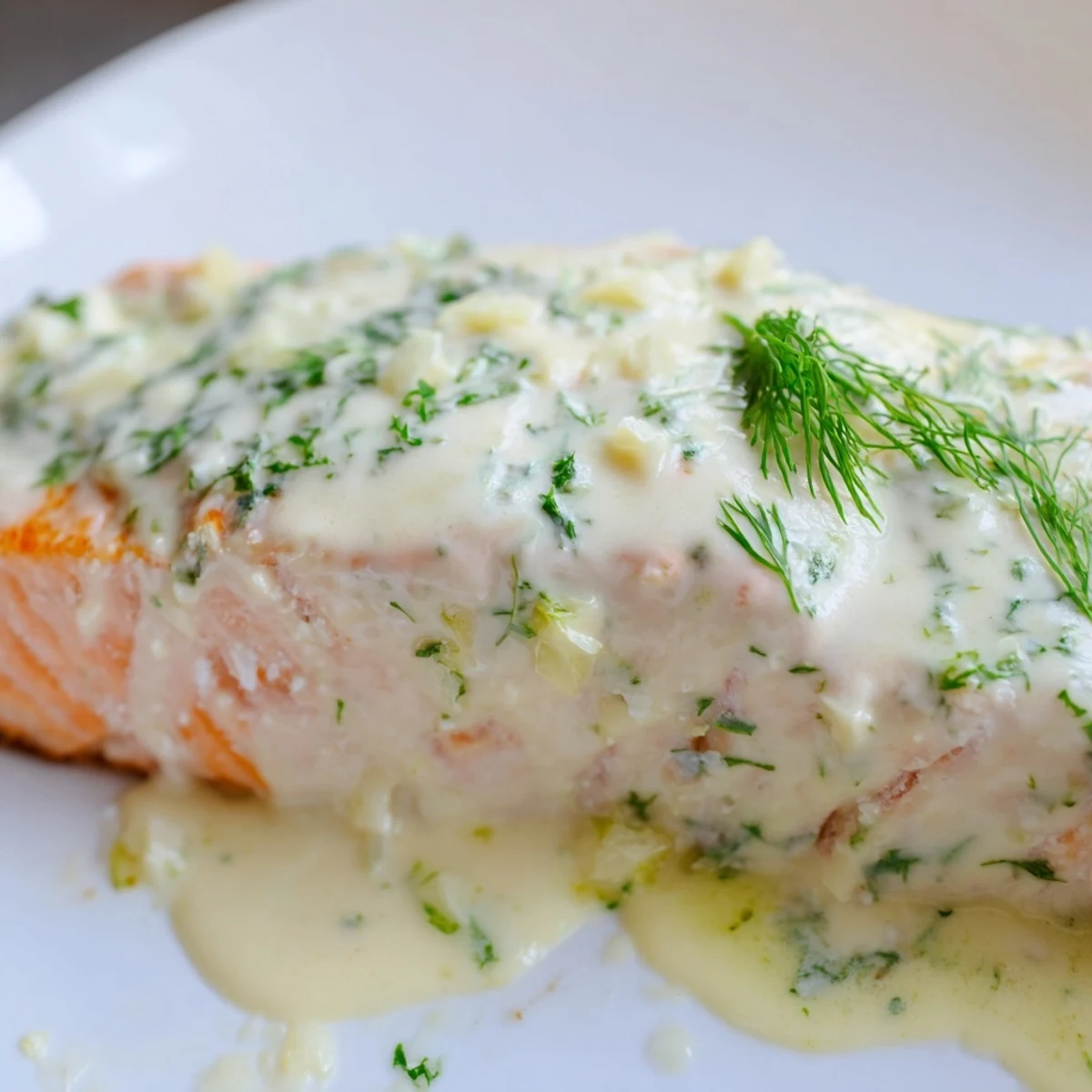
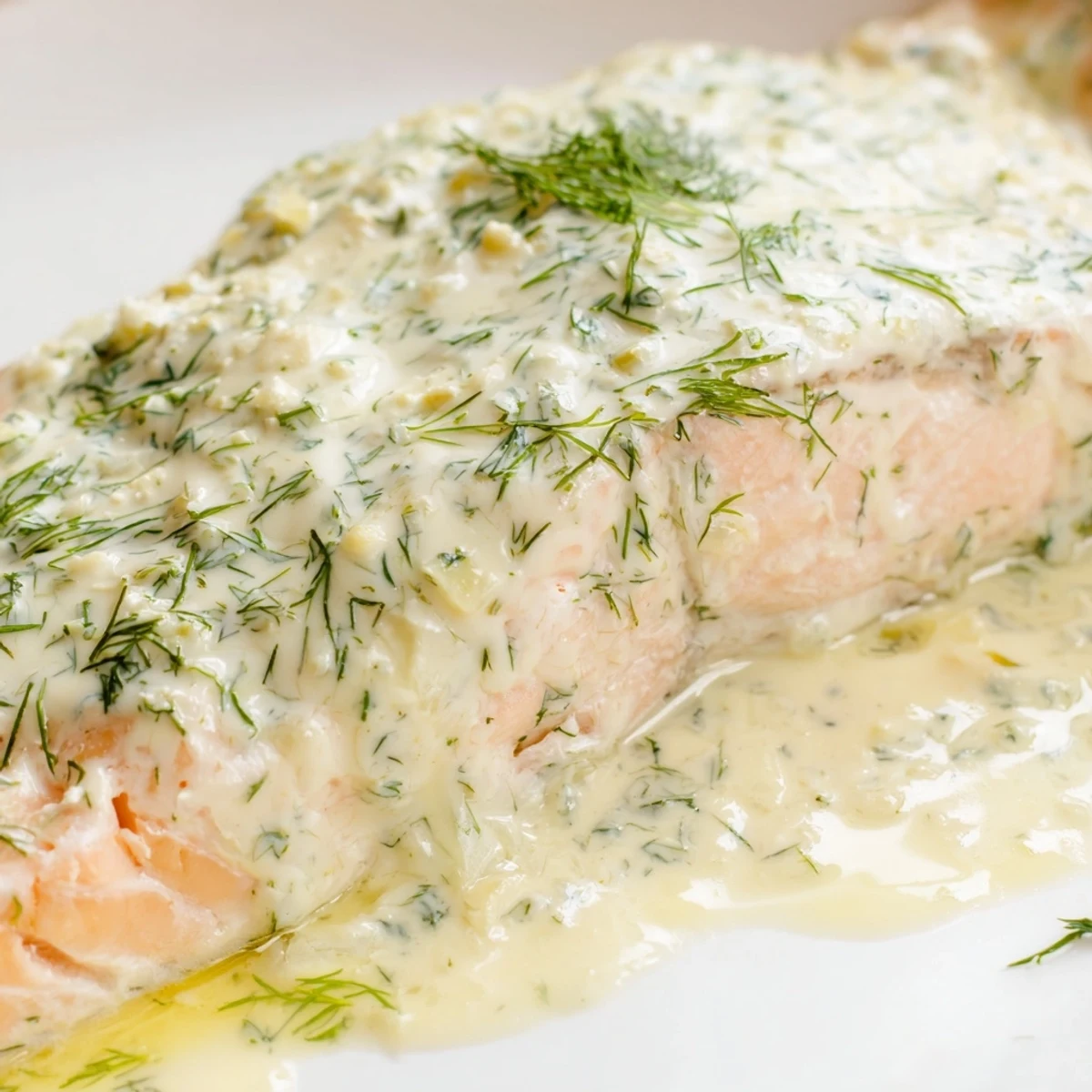
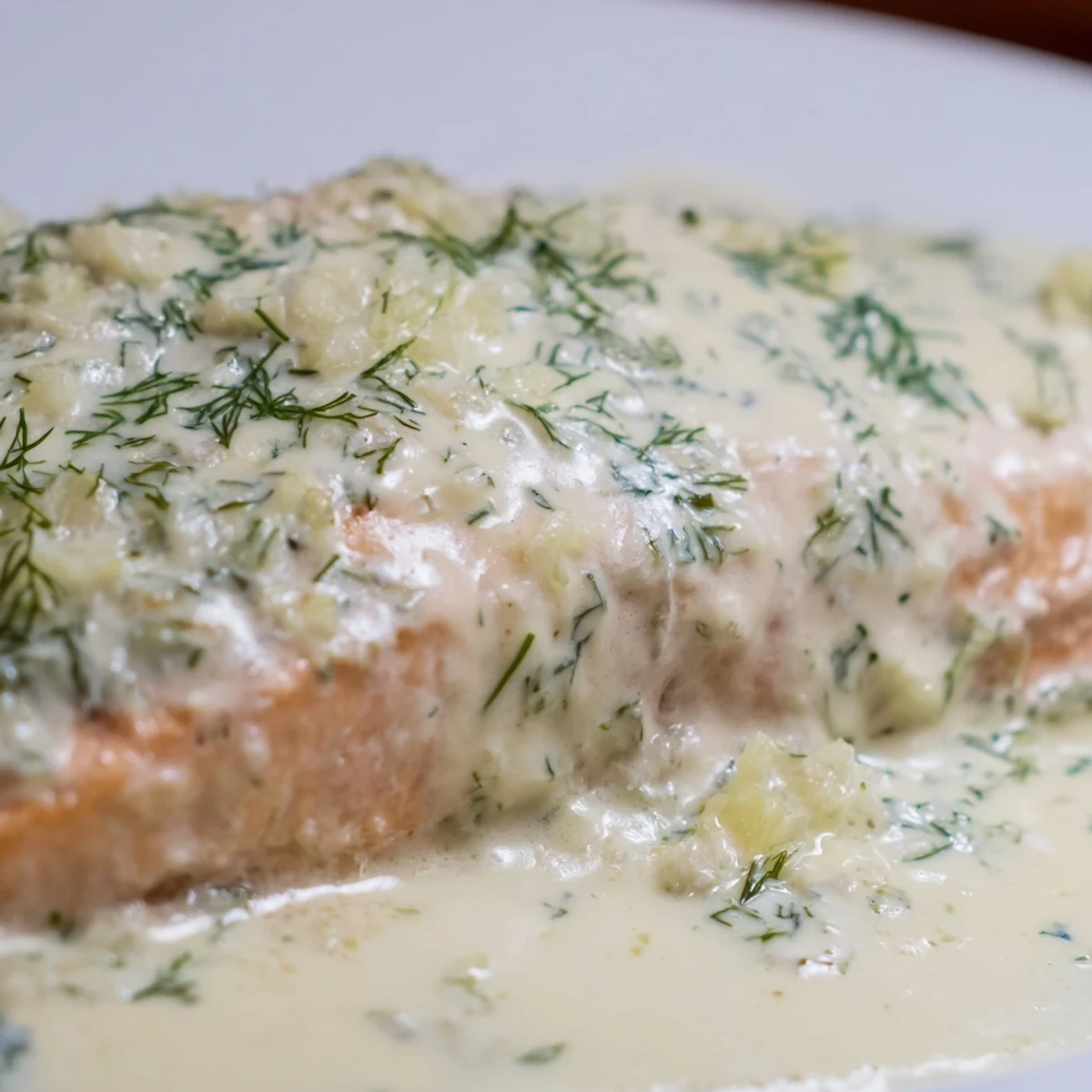
 This dish features salmon fillets baked to flaky perfection, brushed with olive oil and lightly seasoned. The highlight is a creamy dill and lemon sauce made by simmering butter, garlic, cream, lemon zest, juice, dill, and a hint of mustard until slightly thickened. The sauce’s fresh citrus and herb flavors enhance the tender fish. Garnished with lemon slices and extra dill, this elegant main is quick to prepare and perfect for weeknights or special occasions.
There was a Tuesday evening when I realized that elegant doesn't have to mean complicated. A friend had left me a package of wild-caught salmon with a note saying I'd know what to do with it, and standing in my kitchen with the fridge half-open, I decided to stop overthinking. Twenty minutes later, the smell of butter and dill had filled every corner of the apartment, and suddenly I understood why this dish appears on restaurant menus—it's not fussy at all, just honest.
I remember my sister asking if I could make something "fancy but not fussy" for her birthday dinner, and this was the dish that came to mind. Watching her take that first bite and close her eyes in that satisfied way—the kind that means the cook did something right—taught me that the best meals aren't the ones with a dozen steps, they're the ones where every ingredient gets to shine.
Ingredients
- Salmon fillets: Four pieces about 170 grams each are perfect for four people; skin-on holds moisture beautifully during baking, while skinless cooks more evenly if that's your preference.
- Olive oil: A tablespoon is enough to coat and protect the fish from sticking without making it greasy.
- Salt and freshly ground black pepper: Don't skip the grinder—pre-ground pepper tastes dusty compared to what you crack fresh.
- Unsalted butter: Two tablespoons is the foundation of the sauce; use real butter because it matters here.
- Garlic: Two cloves minced release their sweetness as they soften in the warm butter, becoming almost buttery themselves.
- Heavy cream: One cup creates that silky, luxurious sauce that catches the lemon without curdling.
- Lemon: Both zest and juice—the zest brings brightness that juice alone can't quite capture.
- Fresh dill: This is the star of the sauce; two tablespoons of fresh chopped dill beats dried every time, though two teaspoons dried dill works if that's what you have.
- Dijon mustard: A teaspoon acts as a flavor amplifier, rounding out the sauce without making it taste like mustard.
- Lemon slices and extra dill for garnish: These aren't just decoration—they signal to whoever's eating that you cared about the details.
Instructions
- Heat your oven and prep your stage:
- Set the oven to 200°C (400°F) and line a baking tray with parchment paper or a light coating of oil. This small step prevents sticking and makes cleanup almost laughable.
- Season and oil the salmon:
- Place your fillets on the prepared tray, brush gently with olive oil, and season generously with salt and pepper. The oil creates a protective layer that keeps the fish moist.
- Bake until just cooked through:
- Slide the tray into the oven for 12–15 minutes, depending on thickness. You'll know it's ready when the fish flakes easily with a fork and looks opaque all the way through; overcooked salmon becomes tough and grainy.
- Build the sauce base:
- While the salmon bakes, melt butter in a small saucepan over medium heat. Once it's foaming, add your minced garlic and let it toast for about a minute until it turns golden and fragrant.
- Create the creamy foundation:
- Pour in the heavy cream slowly, stirring as you go, then add the lemon zest, lemon juice, and Dijon mustard. Let it simmer gently for 2–3 minutes, stirring often so nothing sticks to the bottom.
- Finish with the signature flavor:
- Stir in the fresh dill, taste it, and adjust the salt and pepper until it feels bright and balanced. Cook for another minute or two until the sauce thickens slightly and coats the back of a spoon.
- Plate and present:
- Set each salmon fillet on a warm plate, spoon the sauce generously over the top, and garnish with lemon slices and a whisper of fresh dill.
 Pin this
 The moment I understood the magic of this dish was when someone who claimed they didn't really like fish ate every bite and asked for the recipe. It wasn't about fancy technique—it was about respecting the ingredient and letting it be what it's meant to be: simple, elegant, and somehow more than the sum of its parts.
Why This Sauce Works
The cream mellows the bright acidity of the lemon while the dill adds an herbaceous note that makes you feel like you're eating something sophisticated without any of the stress. The Dijon mustard is the secret weapon—just a teaspoon acts as a flavor bridge that ties everything together and makes people wonder what you did differently. It's the kind of sauce that makes simple baked salmon taste like it came from a kitchen with a view of the water.
Pairing and Serving Ideas
Roasted potatoes are the classic partner here, their earthy sweetness balancing the brightness of the lemon sauce, but steamed asparagus works beautifully too if you want something lighter. A crisp salad with a mild vinaigrette is another direction, or you could lean into richness with creamed spinach. If wine is in the picture, a Sauvignon Blanc with its citrus notes echoes the lemon, while a buttery Chardonnay complements the cream in ways that feel almost luxurious.
Small Changes for Different Moods
On nights when cream feels too heavy, swap half of it for Greek yogurt or use half-and-half instead—the sauce becomes lighter but stays luxurious. You could also add a tablespoon of capers for brininess, or a pinch of tarragon if you're feeling adventurous, though I'd recommend sticking with dill your first time around. If mustard isn't your thing, leave it out entirely, though you might find the sauce needs an extra squeeze of lemon to feel balanced.
- Make it the morning of by prepping ingredients in separate bowls so cooking is just assembly.
- The sauce can be made a few hours ahead and gently reheated when the salmon finishes baking.
- This recipe doubles easily if you're cooking for more people—just give the salmon a few extra minutes in the oven.
 Pin this
 This dish reminds me that the best cooking happens when you stop trying to impress and just focus on making something delicious. Once you make it once, you'll find yourself reaching for it again and again.
Recipe Questions & Answers
- → How do I prevent salmon from drying out while baking?
-
Brush the salmon lightly with olive oil and bake it just until flaky, usually 12–15 minutes at 200°C, to keep it moist and tender.
- → Can I use dried dill instead of fresh dill in the sauce?
-
Yes, dried dill works well; use about one-third the amount of fresh dill for the same flavor impact in the sauce.
- → What can I serve alongside this dish?
-
Roasted potatoes, steamed asparagus, or a crisp green salad complement the flavors and textures beautifully.
- → Is it possible to lighten the creamy sauce?
-
Substitute half of the heavy cream with Greek yogurt or half-and-half for a lighter but still creamy sauce.
- → Which wines pair well with salmon and dill lemon sauce?
-
Sauvignon Blanc and Chardonnay are excellent choices that enhance the fresh, zesty flavors of the dish.