
 Pin this
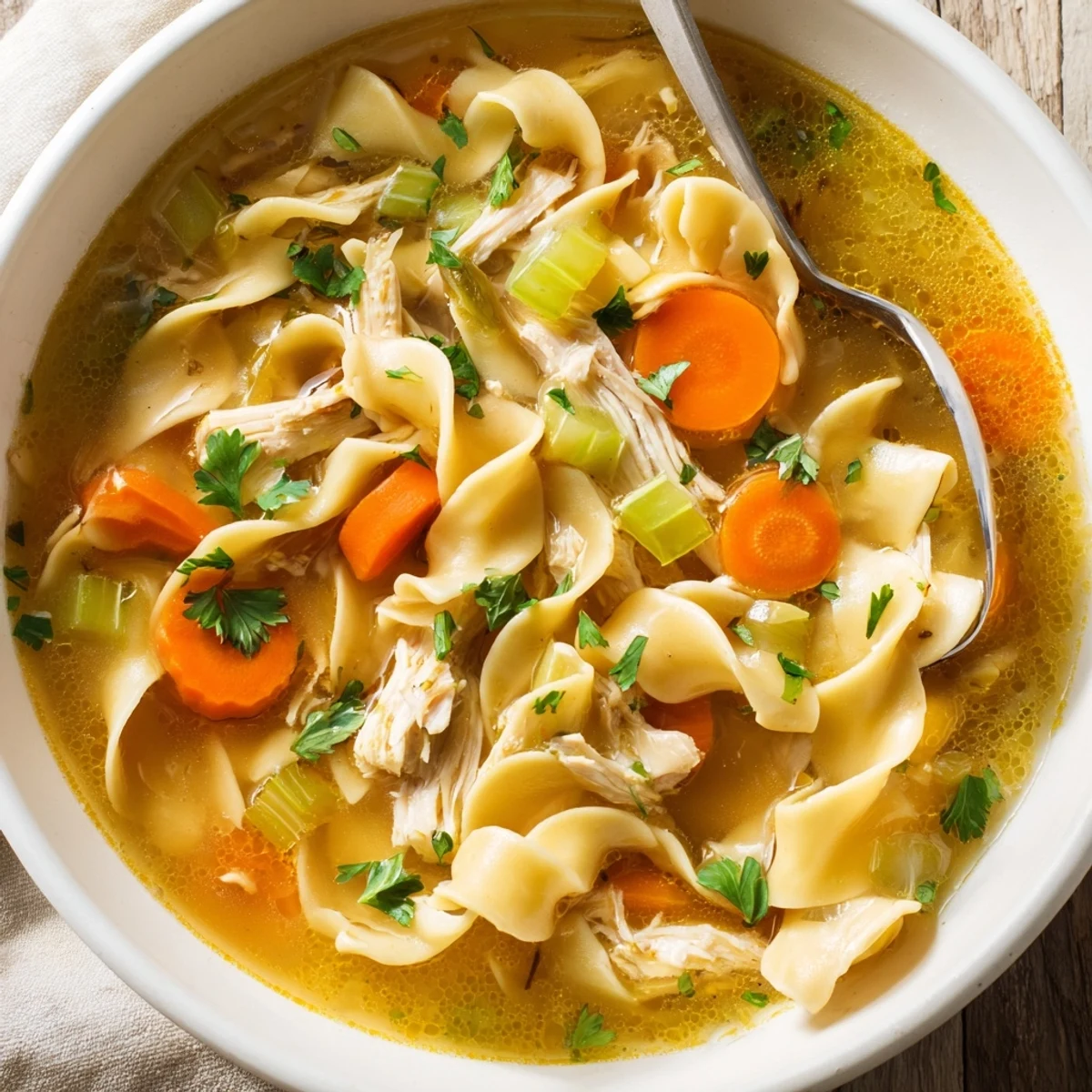
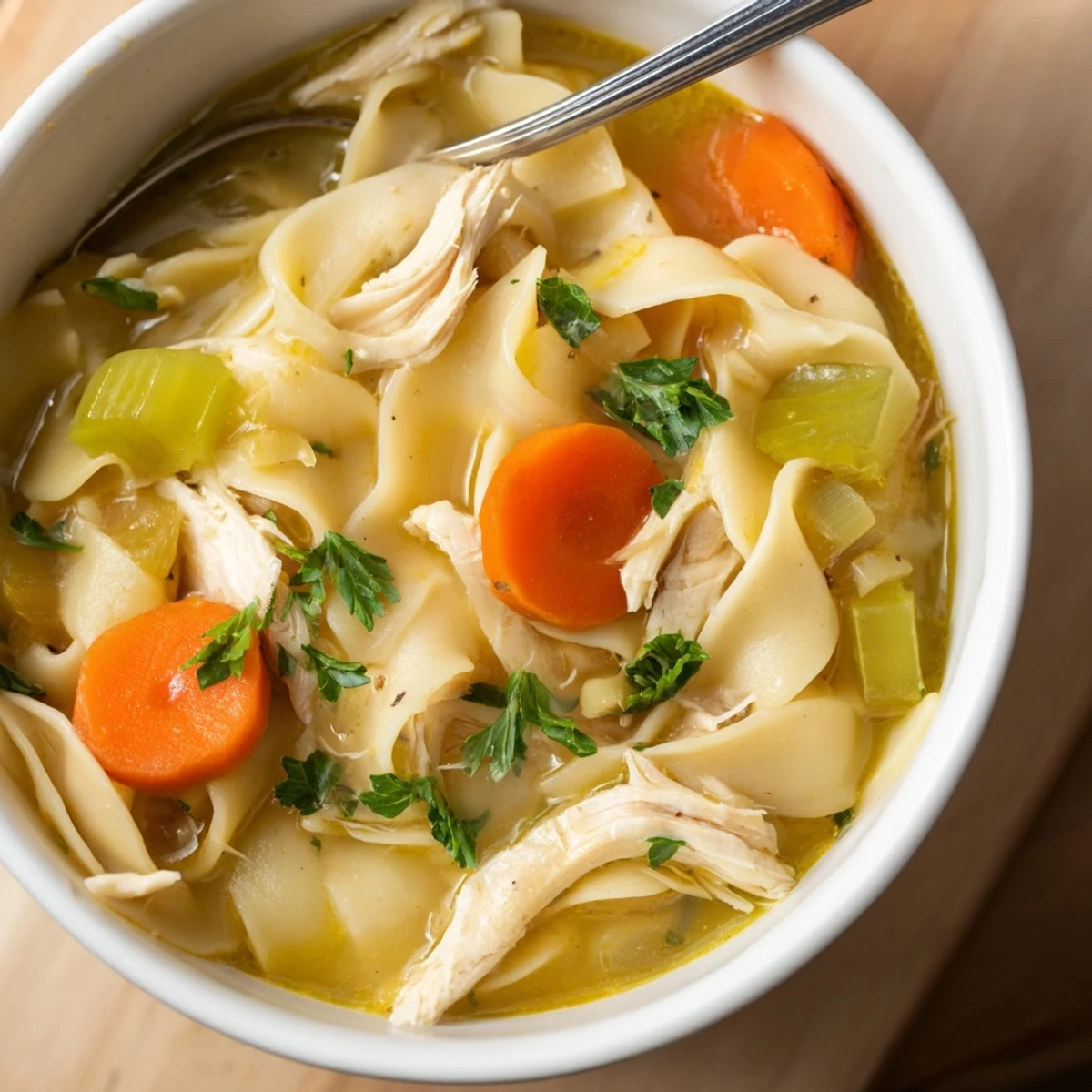
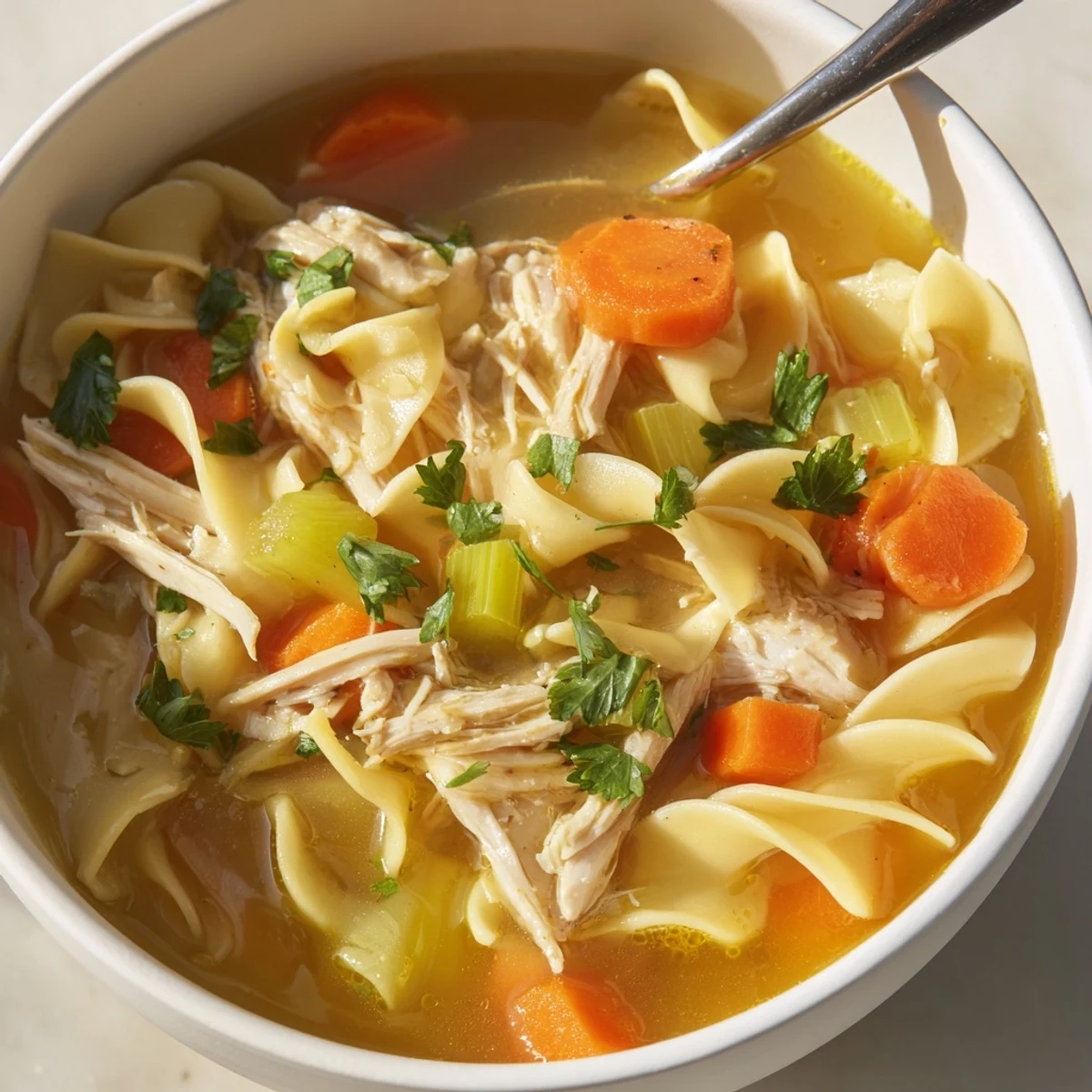
 This comforting dish features tender chicken breasts simmered in a savory broth loaded with fresh vegetables like carrots, celery, and onion. Silky homemade egg noodles bring texture and richness, crafted from scratch using flour, eggs, and water. The soup is seasoned with bay leaves, thyme, and parsley, creating a warm and satisfying meal perfect for cooler days or when craving classic flavors. Prep includes making fresh noodles, sautéing aromatics, simmering chicken, then combining all for a hearty finish.
I was kneading noodle dough at the counter one winter afternoon when I realized how quiet the kitchen had gotten. No mixer hum, no timer beeping, just flour dust hanging in a slant of gray light. That silence felt like the whole point of making this soup from scratch.
The first time I ladled this into mismatched bowls for friends, someone said it tasted like a snow day. I didnt plan for that compliment, but now I cant make it without thinking of wool socks and bad weather and the particular relief of something this warm.
Ingredients
- All-purpose flour: Use the scoop-and-level method or you will end up with stiff dough that fights back when you knead it.
- Eggs: Room temperature eggs blend faster and create smoother dough, though cold ones work if you add a splash more water.
- Chicken stock: Homemade or store-bought both work, but taste it first because some brands are aggressively salty and will throw off your seasoning at the end.
- Chicken breasts: Boneless and skinless keep things simple, but bone-in thighs add deeper flavor if you have the extra twenty minutes.
- Bay leaves: Pull them out before serving or someone will bite into one and give you a look you will remember forever.
- Fresh parsley: Stir it in last so it stays bright green and doesnt turn swampy from too much heat.
Instructions
- Mix the noodle dough:
- Combine flour and salt in a wide bowl, make a crater in the center, and crack in the eggs with the water. Stir with a fork until shaggy, then use your hands to bring it together into a rough ball.
- Knead until smooth:
- Turn the dough onto a floured counter and press it away from you with the heels of your hands, folding it back over itself every few pushes. After five minutes it should feel elastic and stop sticking to your palms.
- Rest the dough:
- Wrap it tightly in plastic and let it sit for twenty minutes. This relaxes the gluten so rolling becomes easier instead of a wrestling match.
- Roll and cut the noodles:
- Flatten the dough with a rolling pin until its about as thick as a nickel, then slice it into narrow ribbons with a sharp knife. Dust them with flour and spread them out so they do not clump together.
- Sauté the vegetables:
- Heat olive oil in your largest pot, add the onion, carrots, and celery, and stir every minute or so until the onion turns translucent. Toss in the garlic and let it sizzle for thirty seconds before it has a chance to burn.
- Build the broth:
- Pour in the chicken stock, drop in the bay leaves, thyme, salt, and pepper, then crank the heat until bubbles break the surface. The smell hits you right about now.
- Poach the chicken:
- Slide the chicken breasts into the boiling broth, lower the heat to a gentle simmer, and cover the pot. After twenty minutes, pull them out, shred them with two forks, and slide the pieces back in.
- Cook the noodles:
- Add your homemade noodles to the pot and stir gently so they do not stick to the bottom. They will puff up and turn tender in about six minutes.
- Finish and serve:
- Stir in the chopped parsley, taste the broth, and add more salt if it needs it. Fish out the bay leaves and ladle the soup into bowls while its still steaming.
 Pin this
 One rainy Sunday I made a double batch and froze half in old yogurt containers. Three weeks later, when I was too tired to think, I heated one up and remembered why I went through the trouble in the first place.
How to Store Leftovers
Let the soup cool completely before transferring it to airtight containers. It will keep in the fridge for up to four days, though the noodles will swell and soften as they sit in the broth. If you plan to freeze it, store the noodles separately in a zip-top bag so they do not turn to mush when you reheat everything.
Shortcuts That Still Taste Homemade
Use a rotisserie chicken from the grocery store and shred the meat while your vegetables sauté, which cuts out thirty minutes of simmering. Swap the homemade noodles for dried wide egg noodles if you are short on time, but add them in the last eight minutes so they do not overcook and turn gummy.
Small Tweaks That Make a Difference
A squeeze of fresh lemon juice right before serving wakes up the whole pot and adds a brightness that balances the richness. If you want deeper flavor, brown the chicken breasts in the pot before adding the stock, then wipe out any burnt bits with a paper towel.
- Toss in a handful of spinach or kale in the last two minutes for color and a little bitterness that cuts through the salt.
- Add a pinch of red pepper flakes if you like a tiny kick hiding under all that comfort.
- Garnish each bowl with extra parsley or a few cracked black peppercorns for a restaurant look that takes five seconds.
 Pin this
 This is the soup I make when I need to feel like I have my life together, even when I do not. It always works.
Recipe Questions & Answers
- → How are the homemade noodles prepared?
-
Noodles are made from flour, eggs, salt, and water, kneaded into dough, rolled thin, and cut into strips before drying.
- → What vegetables enhance the broth’s flavor?
-
Onion, carrots, celery, and garlic are sautéed to build a rich aromatic base for the broth.
- → Can I use rotisserie chicken instead of fresh chicken breasts?
-
Yes, substituting rotisserie chicken speeds up preparation while keeping flavors intact.
- → How long does the soup simmer with chicken?
-
Chicken breasts simmer for 20-25 minutes until fully cooked and tender.
- → What herbs are best for seasoning this dish?
-
Bay leaves, dried thyme, and fresh parsley add depth and freshness to the broth.
- → Can the homemade noodles be made in advance?
-
Yes, egg noodles can be prepared ahead and frozen for later use.