
 Pin this
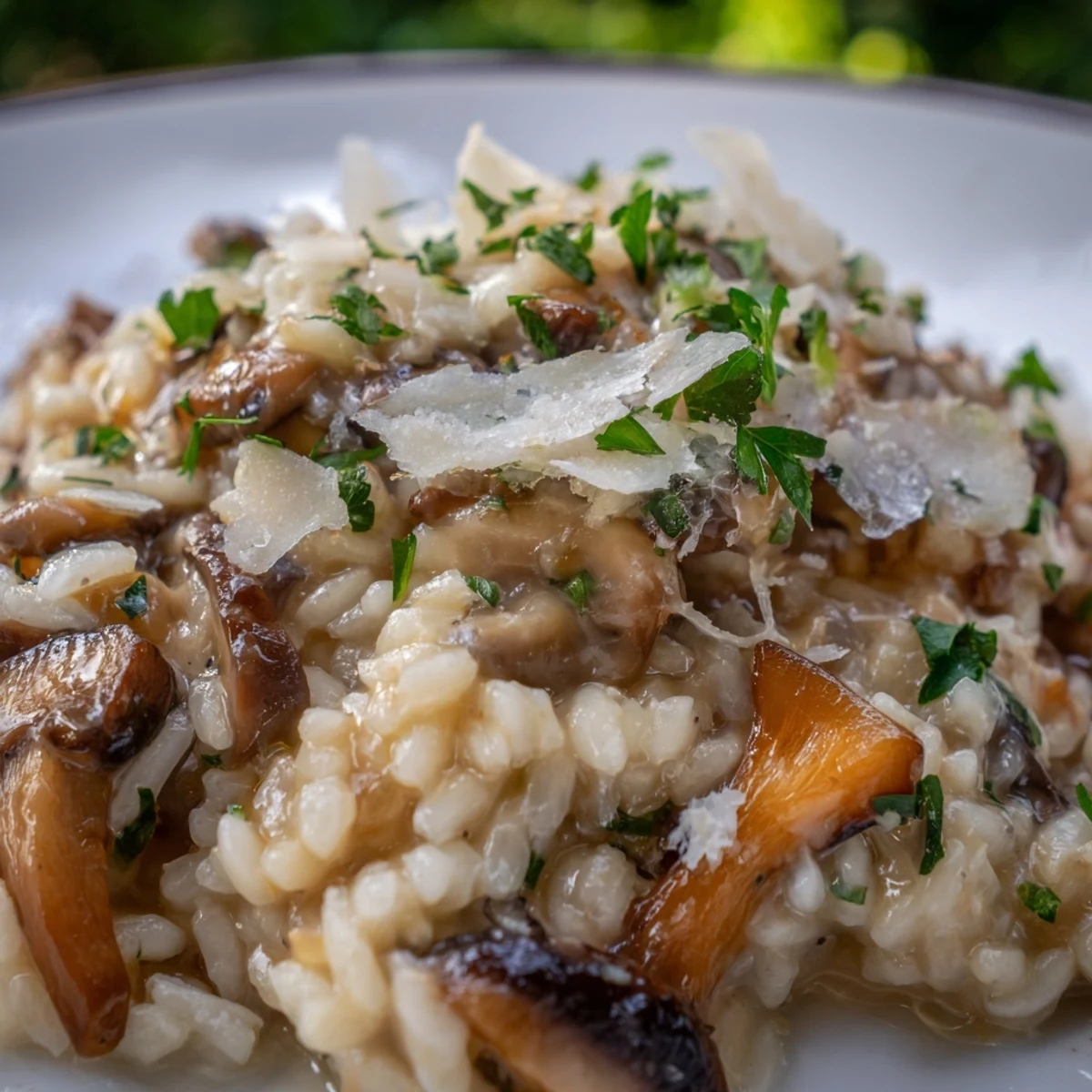
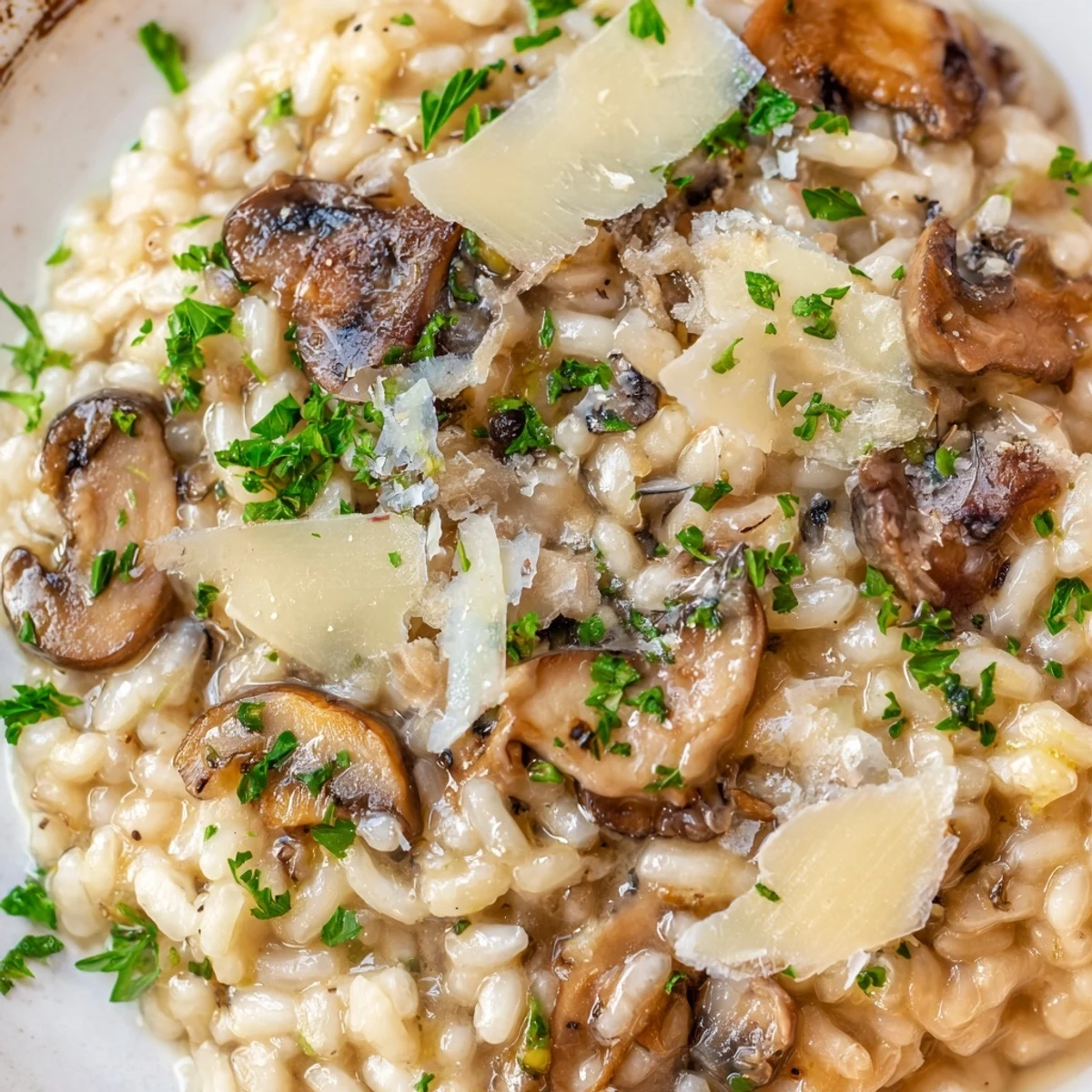
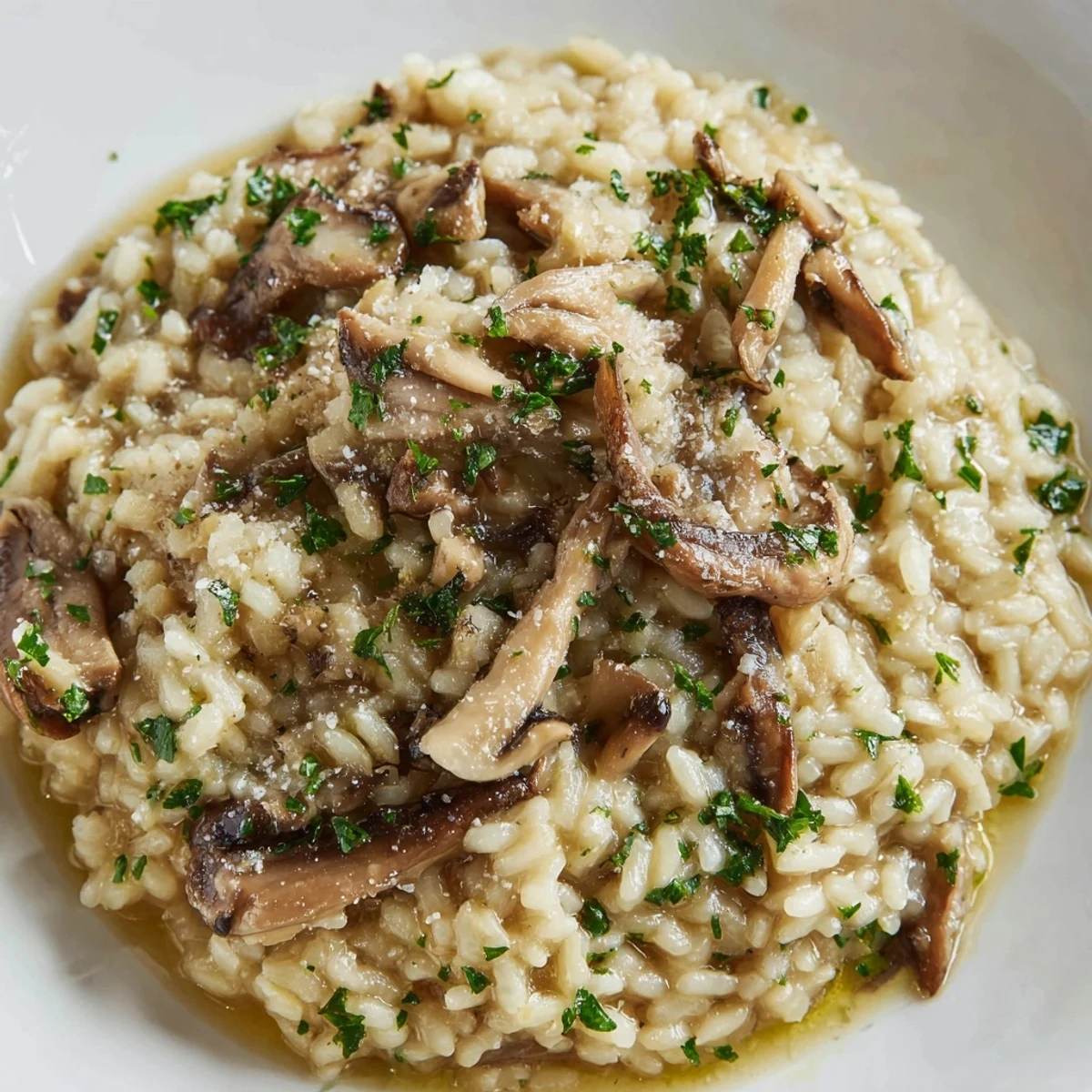
 This creamy risotto highlights a blend of fresh mushrooms gently sautéed with onion and garlic. Arborio rice is slowly cooked with warm vegetable broth until tender and creamy. A finishing touch of butter, Parmesan, and aromatic truffle oil enriches the dish with silky texture and an elegant flavor profile, making it perfect for special dinners or any occasion that calls for comfort and refinement in one plate.
There's something about the moment when risotto finally comes together—that exact second when the rice transforms from individual grains into something silky and alive. I learned this lesson while cooking for someone I was trying to impress, and somewhere between the constant stirring and the rhythmic addition of broth, I stopped worrying about whether I was doing it right. The mushrooms had filled the kitchen with this deep, earthy perfume, and when the truffle oil hit the pan at the end, it felt like a small kind of magic.
I made this for four people on a rain-soaked November evening, and what I remember most isn't the compliments—it's how everyone went quiet after the first bite, the kind of quiet that means you've done something right. That's when I realized risotto isn't complicated; it just demands your attention, and somehow that makes it taste better.
Ingredients
- Mixed fresh mushrooms (400 g): Cremini, shiitake, or button—the mix matters because each type brings its own flavor. Slice them thick enough that they don't disappear into the risotto, thin enough that they cook evenly.
- Arborio rice (300 g): This short-grain rice is patient; it releases its starch gradually to create that signature creamy texture without falling apart.
- Vegetable broth (1 L): Keep it warm in a separate pot—adding cold broth shocks the rice and disrupts the cooking process.
- Onion (1 medium) and garlic (2 cloves): These are your foundation; let them soften completely so they melt into the rice rather than leaving little crunchy bits behind.
- Unsalted butter (3 tbsp, divided) and olive oil (3 tbsp): The combination keeps things from browning too quickly while building a rich base flavor.
- Parmesan cheese (60 g, freshly grated): Freshly grated makes a visible difference—pre-grated versions often have anti-caking agents that prevent them from melting into that cloud of creaminess.
- Truffle oil (2 tbsp): This is your final note, your flourish; add it after heat so the truffle aroma doesn't cook away.
Instructions
- Build your base:
- Heat the olive oil and butter together over medium heat, then add the chopped onion. Watch it soften into translucency—this takes about three minutes and means the sweetness is starting to develop. Add the garlic and let it become fragrant, just about a minute, being careful not to let it brown or it'll taste bitter.
- Develop the mushrooms:
- Add your sliced mushrooms to the pan and let them cook down for six to eight minutes, stirring occasionally. They'll release their moisture first, then reabsorb it as they soften; you'll know they're ready when the pan looks almost dry again. Season with salt and pepper here so the flavors can meld while everything cooks together.
- Toast the rice:
- Stir in the Arborio rice and keep stirring for about two minutes. You're looking for the grains to become slightly translucent at the edges—this toasting step adds a subtle nutty depth that you'd miss if you skipped it.
- Add broth patiently:
- Pour in one ladle of warm broth and keep stirring. The rice will seem to drink it in; once the liquid is mostly absorbed, add another ladle. This process takes twenty to twenty-five minutes and requires you to pay attention, but it's where the risotto learns to be creamy. Stir frequently enough that nothing sticks, but not so frantically that you wear yourself out.
- Finish with finesse:
- When the rice is tender but still has the slightest bite—al dente—stop adding broth. Stir in the remaining butter and Parmesan until they melt into a glossy cream. Remove from heat and immediately drizzle with truffle oil, then scatter parsley over the top.
- Serve right away:
- Risotto waits for no one; the moment it's done, divide it among warm bowls and bring it to the table before it cools and loses its silky texture.
 Pin this
 I learned something unexpected the first time I made this: cooking risotto is less about following instructions exactly and more about understanding the rice itself, watching how it softens, tasting as you go, adjusting the heat if needed. By the end, you feel less like you're following a recipe and more like you're having a conversation with what's in the pan.
The Mushroom Question
Choosing your mushrooms might seem simple, but there's depth here if you want it. Cremini mushrooms bring earthiness and a slight firmness that stands up to the creamy rice, shiitake adds a woodsy complexity and a bit of chew, and button mushrooms contribute delicate flavor and cook down quickly. Mixing them means each spoonful has a little of each personality, but if you have access to just one type or prefer the intensity of a single variety, that's completely fine—risotto adapts to what you have. I've also discovered that buying mushrooms whole and slicing them yourself gives you thicker, meatier pieces than pre-sliced ones, and they hold their shape better through cooking.
The Truffle Oil Choice
Truffle oil feels indulgent, and it is, but it's also the bridge between a good risotto and a memorable one. The aroma hits you as soon as it meets the warm rice, filling the kitchen and your bowl with something that smells like an autumn forest after rain. Quality matters here—real truffle oil costs more but tastes unmistakably different from the synthetic versions, and since you're only using two tablespoons, investing in the real thing becomes easier to justify. If truffle oil isn't in your budget or pantry, finish with a generous shaving of Parmesan and a grind of black pepper instead; the risotto will still be beautiful.
Making It Your Own
The beauty of risotto is that it welcomes variation without falling apart. Some cooks add a splash of cream in the final minute for extra luxury, others stir in white wine after the garlic for acidity and depth, and some people swear by adding a spoonful of mascarpone or crème fraîche at the very end. A few dried porcini mushrooms, rehydrated in warm water and stirred in with their soaking liquid, will deepen the umami flavor significantly. Fresh herbs beyond parsley—thyme, sage, or chives—can change the entire mood of the dish depending on what you choose.
- For a vegan version, swap butter for quality vegan butter and use nutritional yeast or cashew cream instead of Parmesan—it won't taste identical but it will still taste very good.
- A splash of brandy or Marsala wine stirred in after the garlic adds sophistication and a warmth that lingers.
- Leftovers can become risotto cakes—cool them, form into patties, and pan-fry until golden for a completely different but equally delicious dish.
 Pin this
 Making risotto teaches you something about patience that extends beyond the kitchen. When you're done, you'll have created something that tastes like it took hours, and you'll know it took only your attention and thirty-five minutes of stirring.
Recipe Questions & Answers
- → What type of mushrooms work best?
-
Mix fresh cremini, shiitake, and button mushrooms for a balanced earthy flavor and texture.
- → How do you achieve the creamy texture?
-
Gradually stir warm broth into the Arborio rice, allowing the starches to release and create a naturally creamy consistency.
- → Can truffle oil be substituted?
-
While truffle oil adds a distinctive aroma, a drizzle of high-quality olive oil or mushroom-infused oil can be used instead.
- → How to keep risotto from sticking?
-
Use a heavy-bottomed pan and stir frequently while gradually adding broth to prevent sticking and ensure even cooking.
- → Is it possible to make this dish vegan?
-
Yes, substitute butter with vegan margarine and omit Parmesan or use a plant-based cheese alternative.