
 Pin this
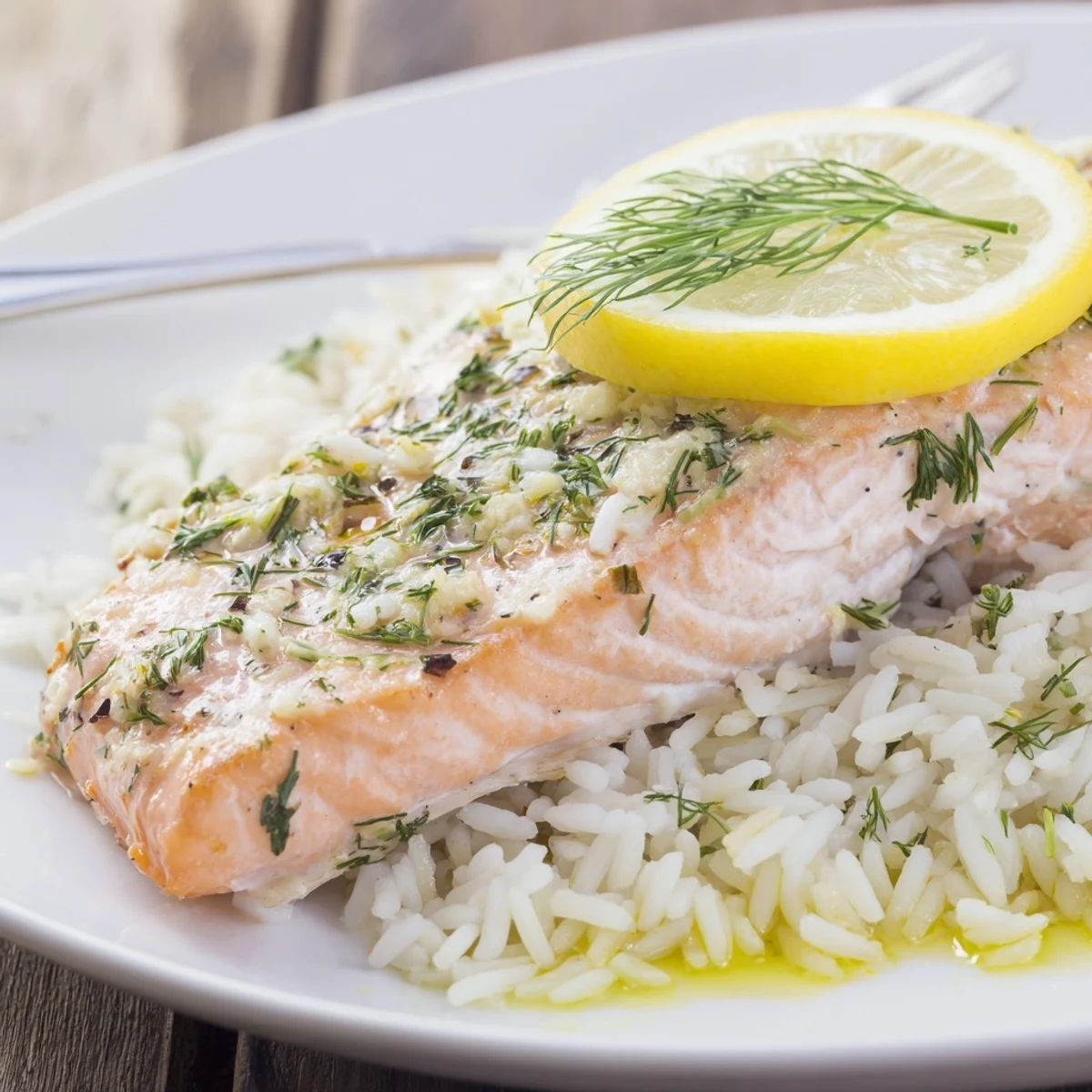
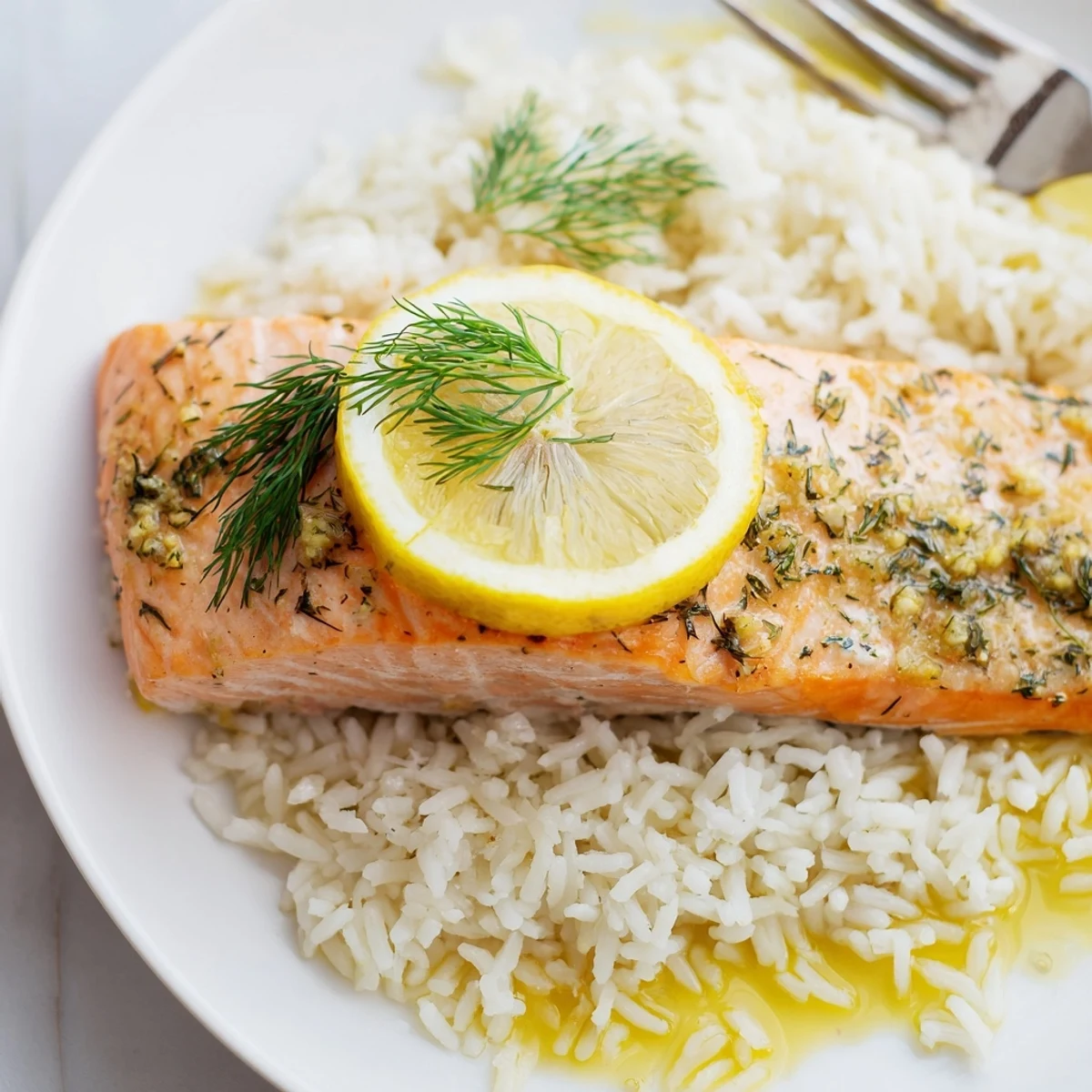
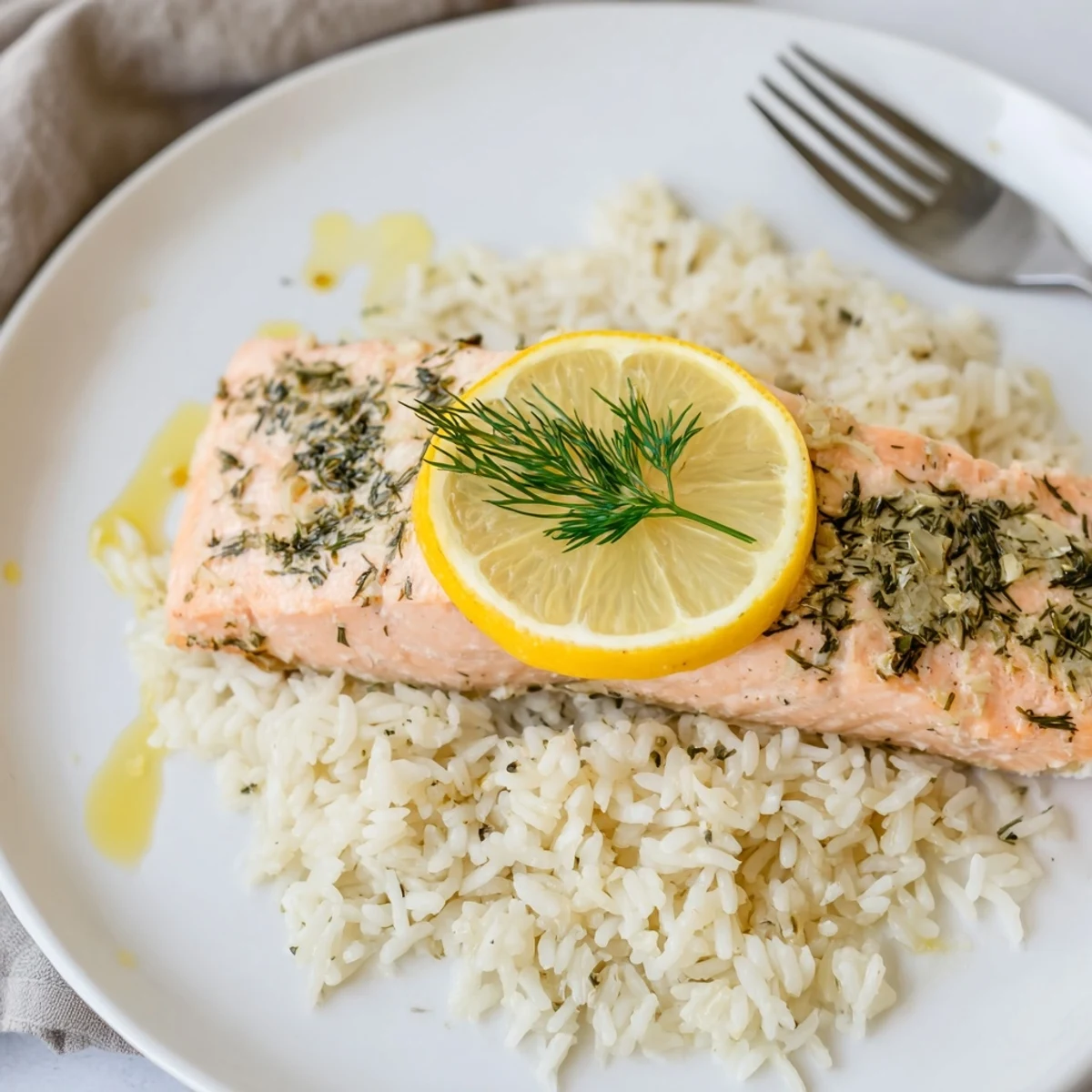
 Preheat oven to 200°C/400°F. Brush salmon with olive oil, lemon, dill, garlic powder, salt and pepper, then bake 12-15 minutes until opaque and flaky. While it bakes, sauté onion and garlic, toast rice, and simmer in water or broth with lemon zest and chopped dill until tender. Let rice rest, fluff with a fork, and serve salmon atop the dill-scented rice with extra lemon or herbs.
Sometimes a dinner is inspired by a craving that strikes quietly on a Tuesday evening, just as the sunlight slips behind the kitchen window. Preparing baked salmon and dill rice for the first time, I found myself humming along with the steady rhythm of chopping onions and zesting lemon. The aroma of fresh dill swirling with warm rice filled the space and suddenly made the kitchen feel like the coziest room in the house. There's something unexpectedly soothing about pairing flaky salmon with bright, herby rice—it turns even an ordinary midweek meal into a delicious pause.
The first time I served this dish to friends, we ate on the balcony as the evening air hinted at summer. I watched someone fork through the rice, pausing to ask what gave it such an addictive lemony zing. Our laughter mixed with the clatter of cutlery, and I realized this was the kind of recipe that fills a table with stories as well as flavor.
Ingredients
- Salmon fillets: Use skinless, evenly sized pieces so everything cooks at the same pace and stays moist.
- Olive oil: Adds gentle richness—brushing it on helps the seasonings stick and the salmon stay tender.
- Lemon: Sliced for the salmon and zested for the rice, it brightens both components without overwhelming them.
- Fresh dill: The heart of the dish—if you can get fresh, use it generously.
- Garlic powder: A little goes a long way for boosting savory depth without overpowering the fish.
- Salt and pepper: Always taste as you go; the rice and salmon each need just enough to shine.
- Long-grain white rice: Fluffy and fragrant after steaming—if you substitute brown rice, remember it takes longer to cook.
- Water or broth: Broth brings an extra layer of flavor, but water keeps it lighter if you prefer.
- Olive oil or unsalted butter: Either works for sautéing—the butter offers more richness, but olive oil keeps it fresh.
- Onion: Finely chopped so it practically melts into the rice.
- Garlic: One clove, gently cooked, perfumes the whole dish.
Instructions
- Prep your workspace:
- Line your baking sheet with parchment paper and set all your ingredients within reach so you can move smoothly.
- Season and arrange the salmon:
- Pat the fillets dry, brush with olive oil, sprinkle dill, garlic powder, salt and pepper, and top with lemon slices; don't skimp—the fragrance is worth it.
- Bake to perfection:
- Slide into the preheated oven, and keep an eye as the tops blush golden and the fish easily flakes with a fork—about 12 to 15 minutes.
- Start the dill rice:
- While the salmon bakes, heat oil (or butter) in a saucepan, add the onion and let it sizzle gently until softened, then stir in garlic for a mellow base.
- Add rice and flavorings:
- Stir rice in to coat with the fat, then add water or broth, lemon zest, dill, salt and pepper; bring to a lively boil.
- Simmer and fluff:
- Cover, drop the heat, and let the rice steam for 15 minutes, then rest, still covered, off heat for another five before fluffing.
- Finish and plate:
- Spoon the fluffy dill rice onto each plate, nestle a golden salmon fillet on top, and scatter extra dill or lemon wedges to brighten everything up.
 Pin this
 I remember a quiet weekend lunch when my little one, notoriously skeptical of anything green, tried the dill rice with a suspicious scowl—then asked for seconds, grinning. That was the day this recipe earned a permanent spot on our menu, proof that sharing good food sometimes leads to tiny, joyful surprises.
Choosing the Best Salmon
Look for fillets that are firm, vibrantly colored, and moist without any fishy odor. You can really tell the difference in the final texture—mushy fillets are almost always a sign the fish wasn’t quite as fresh as you hoped.
Swapping Herbs and Add-Ins
If you’re out of fresh dill, dried dill works in a pinch—just use a little less. Sometimes, I toss in minced parsley or a pinch of mint for an herbal twist that surprises in all the right ways.
Simple Sides That Pair Well
A crisp cucumber salad or roasted green beans round out the meal nicely without much fuss. Leftover rice is great the next day, sprinkled into leafy greens with a squeeze more lemon. Save the salmon for sandwiches or toss it onto a grain bowl.
- Let the rice cool uncovered for a minute before serving.
- Add more lemon if you like an extra bright flavor.
- Always double-check your seasoning just before plating.
 Pin this
 Whipping up this dish always makes me appreciate how a few fresh ingredients, good timing, and a little care can transform a simple meal into something memorable. Here’s to easy dinners that taste like a treat.
Recipe Questions & Answers
- → How can I tell when the salmon is done?
-
Cook until the flesh is opaque and flakes easily with a fork. For a precise target, an internal temperature around 63°C (145°F) is standard, though 55–60°C yields a moister finish for many palates.
- → Can I substitute brown rice for the white rice?
-
Yes. Brown rice requires more liquid and a longer simmer (usually about 40–45 minutes). You can also cook it separately according to package directions and finish with dill, lemon zest, and a bit of butter or oil.
- → What’s the best way to keep the salmon from drying out?
-
Don't overcook: remove the fish when it just becomes opaque and flakes. A brief rest off heat lets carryover cooking finish gently. Thicker fillets may need a minute or two more than thinner ones.
- → Are there herb or spice alternatives that pair well?
-
Try parsley, chives, tarragon, or fennel fronds for a fresh finish. For a different profile, smoked paprika, cumin, or a light mustard rub can add depth without overpowering the fish.
- → Can I bake the salmon with the skin on?
-
Yes. Keeping the skin on helps protect the flesh and can crisp up under higher heat. Adjust baking time slightly for thicker skin-on fillets and serve skin-side down or remove before eating if preferred.
- → What liquid works best for cooking the rice?
-
Low-sodium vegetable or chicken broth adds savory depth; a light fish stock can enhance the seafood character. Water works fine too—just season well and add lemon zest and dill for brightness.