
 Pin this
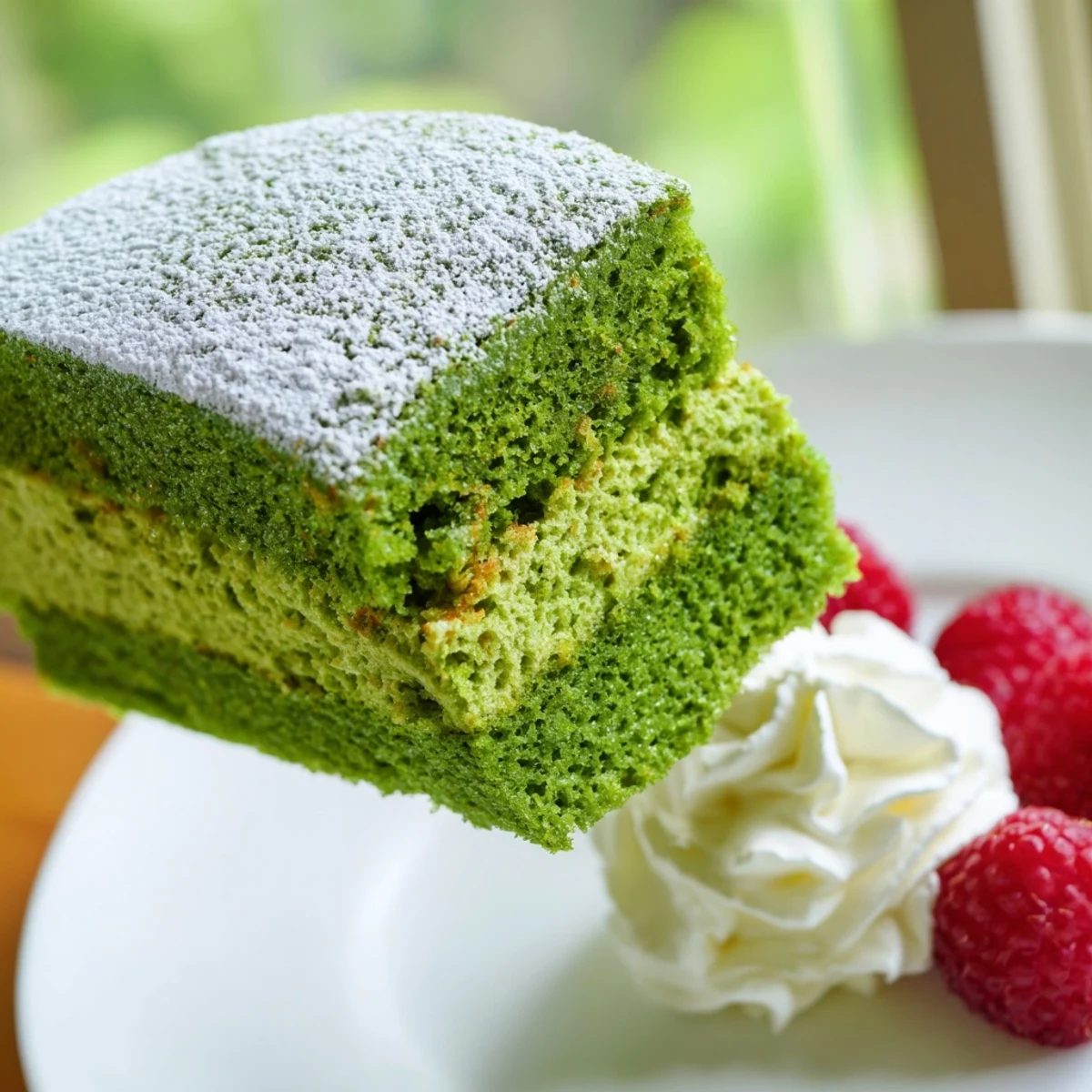
 This Japanese-inspired matcha sponge cake delivers a delicate, airy crumb with the earthy sweetness of premium green tea powder. By sifting matcha directly into the dry ingredients, the flavor distributes evenly throughout each slice.
The batter comes together in about 20 minutes using a simple mix of pantry staples — flour, sugar, butter, eggs, and milk — with matcha powder as the star. Baking at 350°F for 30–35 minutes yields a golden-edged, moist interior.
Serve it dusted with powdered sugar alongside whipped cream and fresh berries for a beautiful afternoon treat. The cake feeds 8 and keeps well for a couple of days, making it ideal for gatherings or meal prep desserts.
The steam from my kettle had barely settled when I whisked matcha powder into cake batter for the first time, turning everything a ridiculous shade of green that made me laugh out loud in my empty kitchen. That cake collapsed in the middle, but the taste hooked me immediately. Something about the earthy bitterness paired with sweet sponge felt like it belonged in my rotation forever.
I brought this to a potluck where a friend took one bite, closed her eyes, and refused to share her slice with her husband. That silent nod of approval while chewing is the highest compliment a home baker can receive.
Ingredients
- All purpose flour (1 1/2 cups or 180 g): Provides the structure without making it dense.
- Matcha green tea powder (2 tbsp): Use ceremonial grade if you can find it because the color and flavor are noticeably brighter.
- Baking powder (1 tsp): Gives the sponge its gentle lift without toughening the crumb.
- Salt (1/4 tsp): A small amount rounds out the sweetness and deepens the matcha.
- Granulated sugar (3/4 cup or 150 g): Just enough sweetness to balance the natural bitterness of green tea.
- Whole milk, room temperature (1/2 cup or 120 ml): Fat content matters here because skim milk leaves the cake tasting flat.
- Unsalted butter, melted and slightly cooled (2/3 cup or 150 g): Melted butter creates a moister texture than creamed butter in this style of sponge.
- Large eggs, room temperature (3): Room temperature eggs incorporate more air during whisking, which translates to a fluffier crumb.
- Vanilla extract (1 tsp): Acts as a quiet background note that lets matcha stay the star.
- Powdered sugar for dusting (optional): A simple finish that looks elegant without extra effort.
- Whipped cream or fresh berries (optional): Their sweetness and acidity play beautifully against the tea flavor.
Instructions
- Preheat and prepare your pan:
- Set your oven to 350 degrees F (175 degrees C). Grease an 8 inch round cake pan and line the bottom with parchment paper so nothing sticks.
- Sift the dry ingredients:
- In a medium bowl, sift together the flour, matcha powder, baking powder, and salt. Sifting is nonnegotiable here because matcha clumps stubbornly and those green specks will ruin the smooth crumb.
- Whisk eggs and sugar until fluffy:
- In a large bowl, beat the eggs and sugar together for 2 to 3 minutes until the mixture turns pale and visibly thickened. You are building the air that will make this cake rise.
- Blend in the butter and vanilla:
- Pour in the melted butter and vanilla extract, then mix until fully combined. The batter might look slightly broken at first but keep stirring and it will come together.
- Combine wet and dry in alternating additions:
- Add the dry ingredients and milk in three alternating additions, starting and ending with the flour mixture. Fold gently with a spatula and stop the moment you see no more dry streaks.
- Pour and smooth the batter:
- Transfer the batter into your prepared pan and use the back of a spoon to smooth the top. Give the pan a gentle tap on the counter to release any trapped air bubbles.
- Bake until set:
- Bake for 30 to 35 minutes until the edges pull away slightly and a toothpick inserted in the center comes out clean. The top should spring back when pressed lightly with your fingertip.
- Cool properly before serving:
- Let the cake rest in the pan for 10 minutes, then turn it out onto a wire rack to cool completely. Dust with powdered sugar and add whipped cream or berries right before serving.
 Pin this
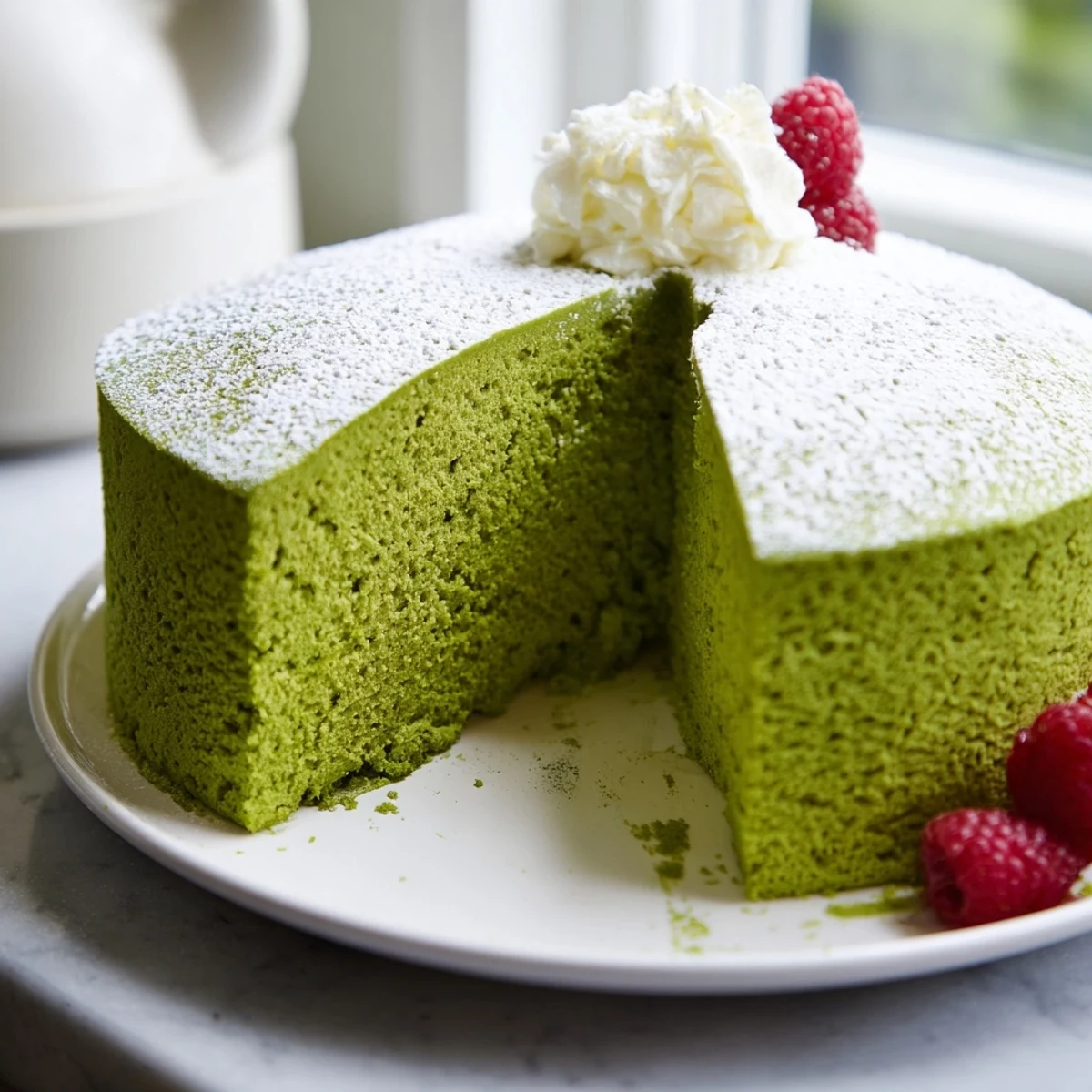
 The afternoon I photographed this cake by a window with late sun streaming through, I realized the pale green crumb caught the light like something worth remembering.
Getting the Color Right
The vivid green you see in bakeries comes from high quality matcha and avoiding overbaking. Pull the cake from the oven the moment the toothpick tests clean because every extra minute dulls the color toward olive.
Serving Suggestions That Work
This cake pairs wonderfully with a cup of hojicha or even a glass of dry sparkling wine if you are feeling adventurous. The slight effervescence cuts through the richness in a way that still surprises me every time.
Storage and Make Ahead Advice
Wrapped tightly in plastic, this cake stays moist for up to three days at room temperature. You can also freeze individual slices between layers of parchment for a quick weeknight treat.
- Do not refrigerate the cake because the cold dries out the crumb faster than you would expect.
- If freezing, thaw slices at room temperature for about an hour before eating.
- Always add berries or whipped cream just before serving so nothing gets soggy.
 Pin this
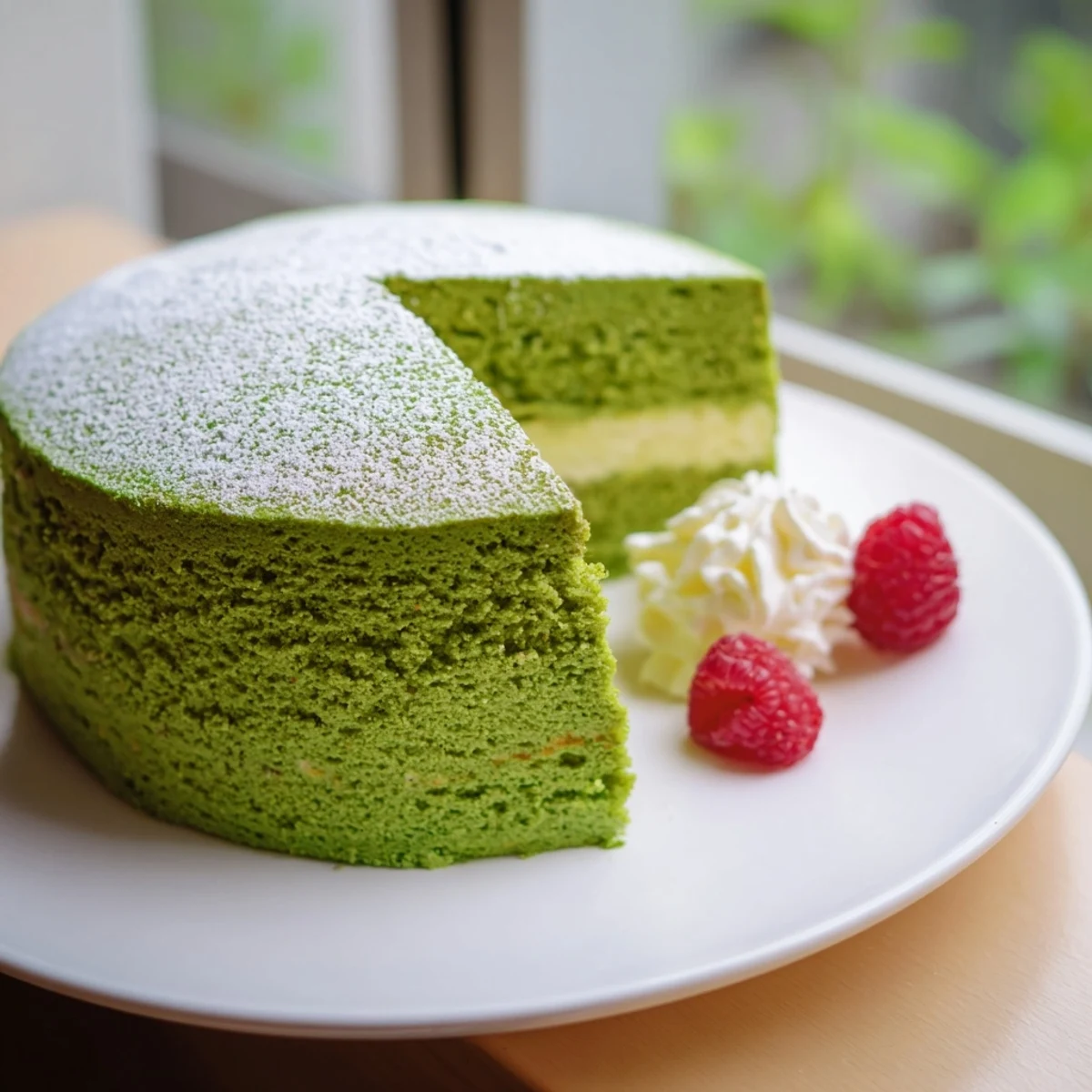
 Every time I bake this cake the kitchen smells like something between a garden and a warm hug, and that is reason enough to keep making it.
Recipe Questions & Answers
- → What grade of matcha powder works best for this cake?
-
Ceremonial grade matcha offers the smoothest, most vibrant flavor, but culinary grade works perfectly fine and is more budget-friendly. Avoid drinking-grade matcha with added sugar or flavorings, as these can alter the cake's texture and taste.
- → Can I make this cake ahead of time?
-
Yes, the cake stores well at room temperature for up to 2 days when wrapped tightly in plastic wrap. For longer storage, refrigerate for up to 5 days and bring to room temperature before serving for the best texture.
- → Why did my matcha cake turn out dense instead of fluffy?
-
Overmixing the batter is the most common culprit. Once you combine the wet and dry ingredients, fold gently just until no dry streaks remain. Also ensure your baking powder is fresh and your eggs are at room temperature for maximum lift.
- → Can I substitute the all-purpose flour with a gluten-free alternative?
-
A 1:1 gluten-free baking flour blend can replace all-purpose flour with decent results. For best texture, choose a blend that includes xanthan gum. The crumb may be slightly denser, but the matcha flavor will still shine through beautifully.
- → How do I intensify the matcha flavor without making the cake bitter?
-
Add one extra tablespoon of matcha powder for a bolder taste. Using a higher-quality matcha naturally boosts flavor without bitterness. Balancing with a touch more sugar or serving with sweetened whipped cream also helps round out any harsh notes.
- → What pairs well with this matcha sponge cake?
-
Green tea, hojicha, or a light oolong complement the earthy flavors naturally. For a contrast, sparkling wine or a glass of cold milk works wonderfully. Fresh berries and a dollop of whipped cream make excellent accompaniments.