
 Pin this
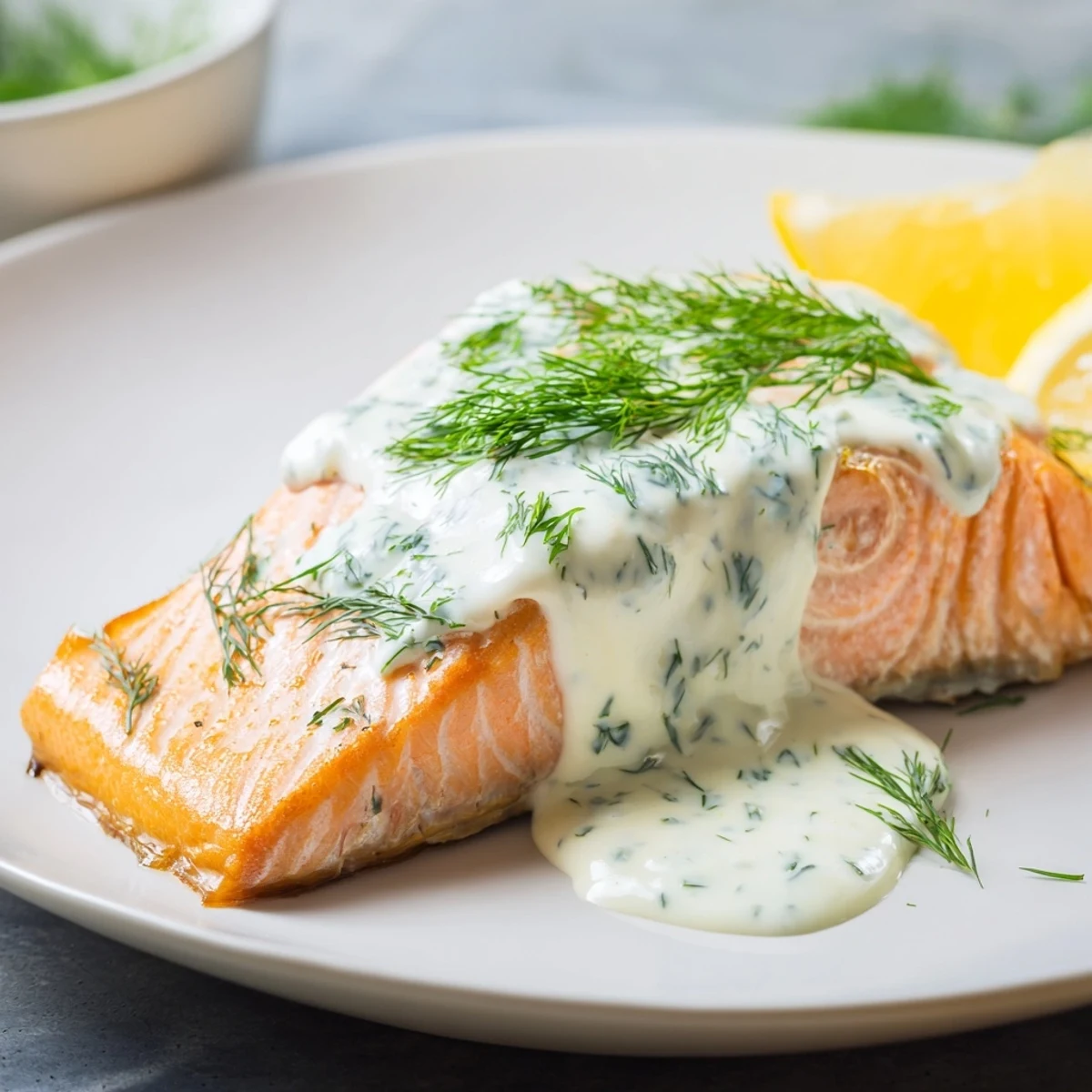
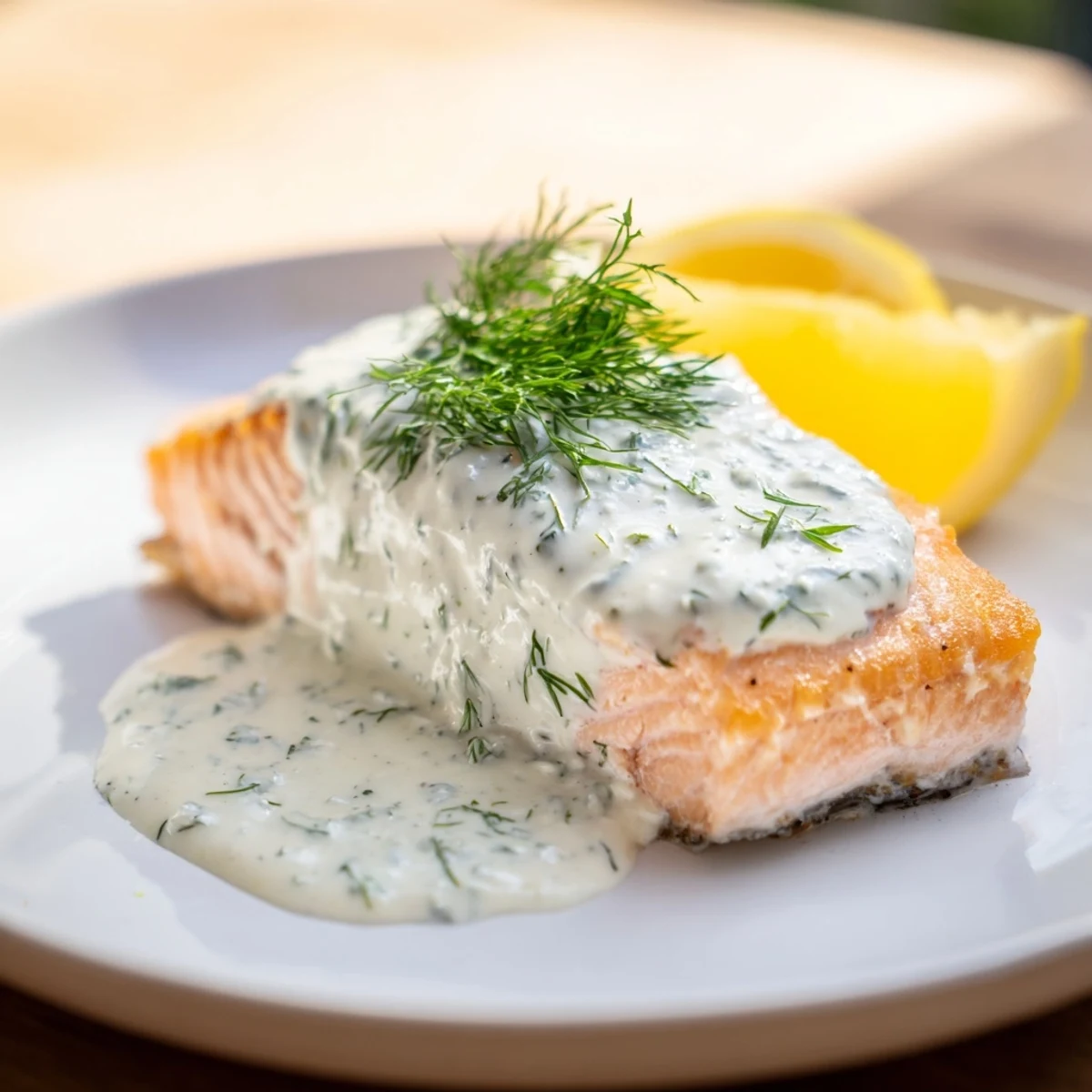
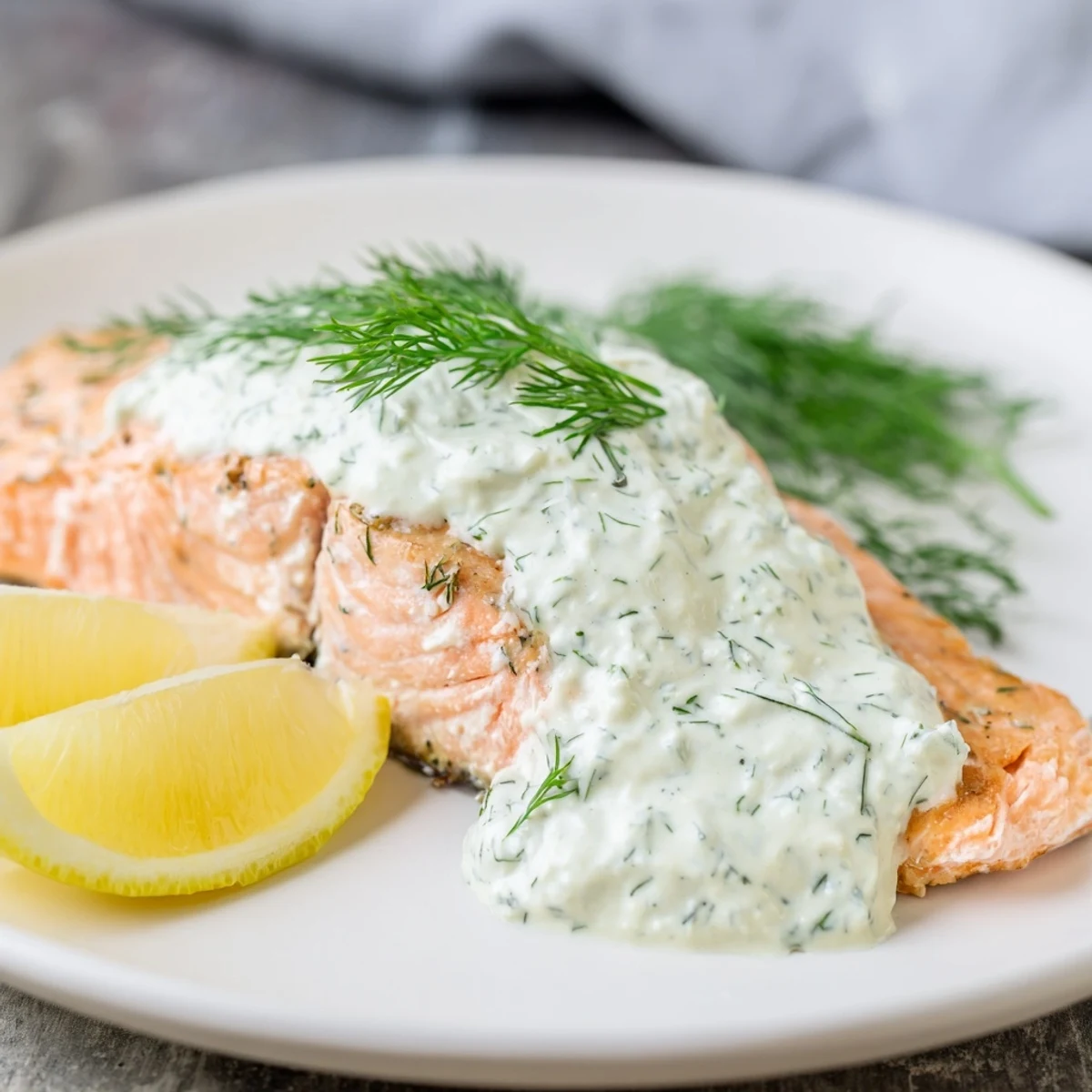
 This dish features tender salmon fillets baked to perfection and enhanced by a creamy dill sauce made from sour cream, mayonnaise, fresh lemon juice, and aromatic herbs. The salmon is seasoned simply with olive oil, salt, pepper, and a hint of lemon before baking, creating a moist, flaky texture. The dill sauce adds a bright, tangy complement that lifts the mild fish flavors, making it an elegant yet easy meal option suitable for pescatarians and gluten-free diets. Pair it with steamed vegetables or roasted potatoes for a complete, balanced plate.
Discovering this baked salmon with dill sauce was like stumbling upon a hidden gem during a breezy summer evening. The combination of tender salmon and creamy dill felt like a fresh breeze in my kitchen.
I remember the first time I nailed this recipe: unexpected guests arrived and I whipped this up with confidence. Watching everyone savor each bite was absolutely rewarding.
Ingredients
- Salmon fillets: Choose fresh skin-on or skinless based on your texture preference for perfect, flaky results.
- Olive oil: A good quality oil gives a beautiful sheen and helps seasonings stick.
- Salt and pepper: Simple but essential to enhance the salmon's natural flavor.
- Lemon: Adds a fresh zing that brightens the whole dish.
- Sour cream: I reach for this to keep the sauce creamy yet light.
- Mayonnaise: Adds richness and smoothness to the sauce.
- Fresh dill: Whenever possible, fresh dill really makes the sauce pop.
- Dijon mustard: Gives a subtle kick balancing the creaminess.
- Garlic: Just a small amount for depth without overpowering.
Instructions
- Get Everything Ready:
- Preheat your oven and line your baking sheet, letting the gentle anticipation of smells begin as the heat rises.
- Season the Salmon:
- Brush each fillet with olive oil, sprinkle salt and pepper, then gently lay a lemon slice atop as a zesty crown.
- Bake to Perfection:
- Slide the tray inside and wait for the salmon to turn tender and flake easily, filling your kitchen with a warm, inviting aroma.
- Whip Up the Dill Sauce:
- While the fish bakes, combine sour cream, mayo, lemon juice, dill, mustard, garlic, salt, and pepper, whisking to a smooth, inviting sauce.
- Serve Warm:
- Retrieve your salmon, optionally remove lemon slices, then generously spoon dill sauce over each fillet to finish.
 Pin this
 This dish became more than just food during a chilly evening when friends gathered; it was comfort on a plate, reminding us that simple ingredients can spark joy and connection.
Keeping It Fresh
Using fresh herbs and high-quality fish makes a noticeable difference. I always buy salmon the day I plan to cook it to ensure that vibrant taste and texture.
Serving Ideas That Clicked
Pair this salmon with steamed asparagus or roasted potatoes and a crisp green salad. Leftover dill sauce doubles as a delightful dip for raw veggies—always a hit.
Making It Ahead for the Freezer
You can prepare the dill sauce ahead and store it in the fridge for up to two days. This way, the day of cooking is truly effortless. Just remember to reheat the salmon gently to keep it tender.
- Always thaw the salmon completely before cooking for even results
- If you’re short on fresh dill, squeeze in a bit more lemon for brightness
- Don’t rush plating—presentation makes a difference even for family meals
 Pin this
 Thanks for spending this kitchen moment with me—can’t wait for you to try this and make some delicious memories.
Recipe Questions & Answers
- → How can I prevent salmon from drying out during baking?
-
Brush the fillets with olive oil and avoid overcooking by baking until just flaky, about 15–18 minutes at 200°C (400°F).
- → Can I use dried dill instead of fresh?
-
Yes, dried dill works as a substitute but use about 2 teaspoons since it’s more concentrated than fresh.
- → What are good side dishes to serve with this salmon?
-
Steamed asparagus, roasted potatoes, or a crisp green salad complement the flavors and textures well.
- → Is it possible to make the dill sauce lighter?
-
Substitute Greek yogurt for sour cream to reduce fat while maintaining creaminess.
- → Should I remove the lemon slices after baking?
-
They can be removed if preferred, but leaving them on adds subtle citrus aroma and flavor.