
 Pin this
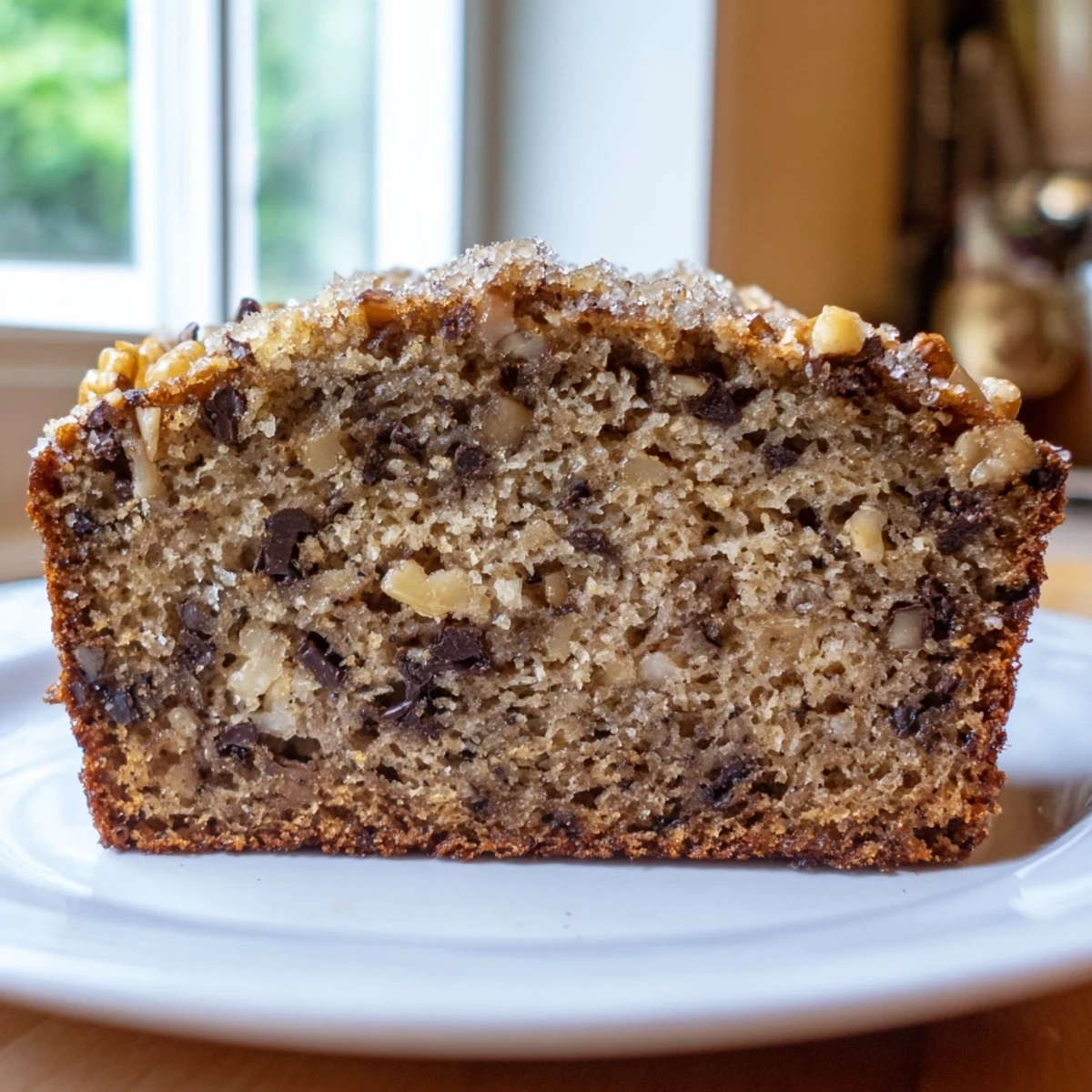
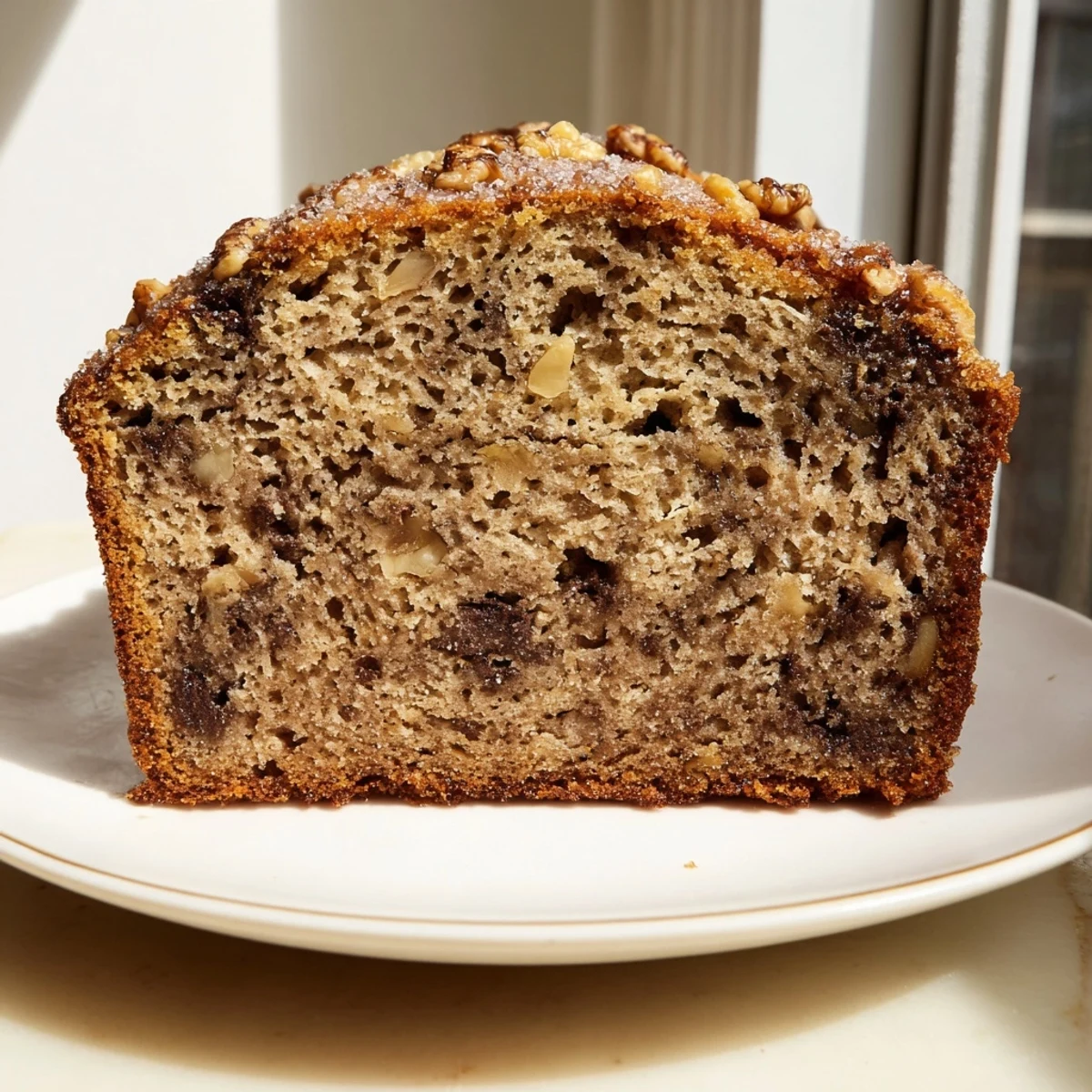
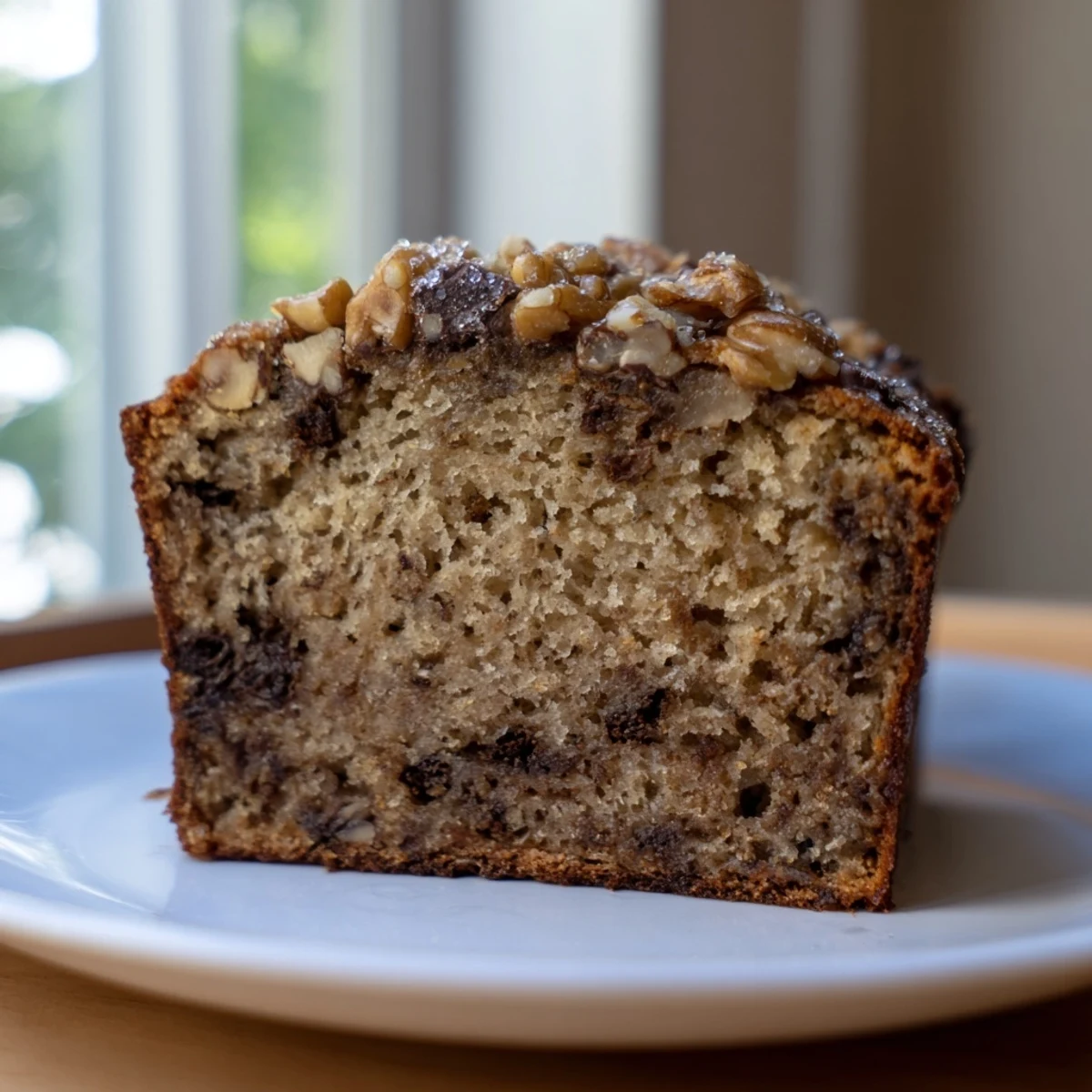
 This moist banana loaf blends ripe bananas with a touch of warm cinnamon and nutmeg for a comforting treat. The batter combines mashed bananas, melted butter, brown and granulated sugars, eggs, and vanilla, mixed gently with flour and baking soda. Optional chopped walnuts or chocolate chips add texture and richness. Baked until golden and tender, it offers a soft crumb ideal for breakfast or an afternoon snack. Cooling before slicing ensures neat portions, perfectly paired with butter or cream cheese.
I still remember the first time I made banana bread on a rainy Sunday morning when my grandmother called asking if I'd picked up those overripe bananas sitting on her counter. She had this magical way of turning what seemed like kitchen waste into something absolutely irresistible, and I've been chasing that feeling ever since. Now whenever I have a few spotty bananas lurking in my fruit bowl, I know exactly what to do—and the smell that fills my kitchen takes me right back to her cozy breakfast table.
I'll never forget bringing this banana bread to my neighbor's book club and watching everyone go completely quiet as they took their first bite. That moment when someone's eyes light up because a simple homemade treat just made their day—that's what this recipe does.
Ingredients
- Ripe bananas (3, about 1 1/4 cups mashed): The darker the spots, the sweeter and more flavorful your bread will be—don't hold back on ripeness. Those brown spots mean natural sugars have developed, and that's exactly what you want. I learned this the hard way after using barely-ripe bananas and wondering why the result tasted disappointingly mild.
- Eggs (2 large): These act as your binder and give the bread its tender crumb structure. Room temperature eggs mix more smoothly into the batter.
- Unsalted butter (1/2 cup, melted and cooled): Melting it first means it incorporates beautifully and keeps the bread incredibly moist. The cooling step matters—you don't want scrambled eggs in your batter.
- Granulated sugar (1/2 cup) and brown sugar (1/4 cup, packed): Together they create depth of flavor and that perfect tender crumb. The brown sugar adds a subtle molasses note that makes people ask what your secret is.
- Vanilla extract (1 teaspoon): Just a touch rounds out all the flavors and makes everything taste more like comfort.
- All-purpose flour (1 3/4 cups): This is your structure. Measuring by weight (220g) is more reliable than scooping, but gently spoon and level if you're using cups.
- Baking soda (1 teaspoon): Your leavening agent that gives the bread its tender, almost cake-like texture. This is crucial—don't skip it.
- Salt (1/2 teaspoon): It amplifies all the other flavors and keeps the sweetness from being one-dimensional.
- Cinnamon and nutmeg (1/2 and 1/4 teaspoon, optional but recommended): These warm spices are subtle but transformative—they whisper rather than shout, making the banana flavor somehow taste even more like banana.
- Walnuts or pecans (1/2 cup, optional): The toasted nuttiness is wonderful, but honestly, this bread is perfect either way. Toast them yourself if you have time for even deeper flavor.
- Chocolate chips (1/2 cup, optional): For when you want to turn breakfast into something that feels a bit more like dessert.
Instructions
- Get your oven and pan ready:
- Preheat your oven to 350°F. While it's warming, prepare a 9x5-inch loaf pan by either greasing it generously with butter so nothing sticks, or lining it with parchment paper—this is your safeguard against sadness. The parchment method means you can lift the cooled bread right out without wrestling with it.
- Combine your wet ingredients:
- In a large bowl, whisk together your mashed bananas, eggs, cooled melted butter, both sugars, and vanilla extract. Whisk until everything looks smooth and well combined—this is where you're developing the foundation of your bread. The mixture should be fairly uniform with no obvious streaks of banana or sugar.
- Mix your dry ingredients separately:
- In another bowl, whisk together your flour, baking soda, salt, and the cinnamon and nutmeg if you're using them. This step is more important than it seems—whisking distributes the baking soda evenly so you don't end up with odd metallic pockets or heavy spots.
- Bring them together gently:
- Here's where patience matters. Pour your dry mixture into the wet mixture and fold everything together with a spatula using broad, gentle strokes. You're looking for just barely combined—no more than 10-15 folds. A few flour streaks are fine. Your goal is tender crumb, not toughness, and overmixing is the enemy. Trust me on this.
- Add your extras if you're using them:
- Fold in your nuts and/or chocolate chips with the same gentle hand. These additions should be distributed throughout, not clumped in one end.
- Fill your pan and smooth the top:
- Pour your batter into your prepared pan and use your spatula to smooth the top gently. A level top will bake more evenly, so take a moment here.
- Bake until golden and set:
- Bake for 50-60 minutes. You'll know it's done when the top is deep golden brown and a toothpick inserted into the center comes out clean or with just a few moist crumbs clinging to it. If the toothpick comes out with wet batter, give it another 5 minutes. Your kitchen will smell absolutely incredible by now.
- Cool with intention:
- Let the bread cool in the pan for 10 minutes—this is crucial because it's still setting up and needs that support. Then turn it out onto a wire rack to cool completely. I know it's tempting to slice into it warm, and you can, but it holds together better once completely cooled. If you can't wait (and who could blame you), slice warm and serve with a little butter.
 Pin this
 I remember my college roommate, who claimed she couldn't bake, making this recipe on a whim and calling me into the kitchen to smell it. When it came out of the oven, she looked at that golden loaf like she'd just performed magic. She'd found something she was actually good at, and it started a whole new chapter of confidence in her kitchen. That's what this bread does—it makes you feel capable.
The Secret to Moisture
The thing I learned about banana bread, after making it dozens of times, is that moisture is everything. It's the difference between something that satisfies and something that feels dry no matter how much butter you add. The mashed bananas do most of the heavy lifting here—they release their natural moisture as the bread bakes, creating that tender crumb people crave. But here's the insider secret: don't overbake it. That toothpick should come out almost before you think it's ready, with a few moist crumbs. It will continue cooking slightly as it cools, and by the time it's completely cool, it'll be perfect. If you bake it until the toothpick comes out completely clean, it'll firm up a bit too much as it sits. Slice it the next day if you can manage the patience—the flavors meld and settle overnight, and it's somehow even better.
Making It Your Own
This recipe is really a canvas. I've made it with all walnuts, all pecans, all chocolate chips, half and half, with shredded coconut, and even a handful of dried cranberries one time when I was feeling adventurous. Each version told a different story and worked beautifully. The base recipe is so forgiving that your additions just enhance what's already there. I've also played with the spices—sometimes adding a whisper of cardamom, sometimes bumping up the nutmeg, sometimes leaving them out entirely for a purer banana flavor. There's no wrong answer, just different moods for different days.
Serving Suggestions and Storage
Banana bread is wonderful warm with a pat of softening butter, but it's also perfectly lovely at room temperature or even lightly toasted the next day. A thin spread of cream cheese is transcendent, as is a simple dusting of cinnamon sugar if you're feeling fancy. It keeps well in an airtight container for up to four days at room temperature, though honestly, it rarely lasts that long in my house. For longer storage, it freezes beautifully—wrap individual slices in plastic wrap and store them in a freezer bag for up to three months. Thaw at room temperature or pop a slice in the toaster and it tastes freshly baked.
- Serve warm with butter or cream cheese for the ultimate comfort experience
- Toast day-old slices and it tastes fresh again—perfect for busy mornings
- Store airtight at room temperature and it stays moist for days, or freeze for months
 Pin this
 This banana bread has become my answer to so many moments—when I need to bring something to a gathering, when someone's having a hard day and needs comfort food, when I want to use up those spotted bananas before they turn. It's the recipe I've made more than any other, and every single time, it feels like a small gift I'm giving myself and whoever gets to share it.
Recipe Questions & Answers
- → What bananas work best for this loaf?
-
Overripe bananas with brown spots provide the richest flavor and natural sweetness, making the loaf moist and tasty.
- → Can I substitute the nuts?
-
Yes, walnuts can be swapped for pecans or omitted entirely for a nut-free version without affecting texture much.
- → How do spices affect the flavor?
-
The cinnamon and nutmeg add warmth and depth, enhancing the sweetness of the bananas without overpowering the loaf.
- → What’s the best way to check doneness?
-
Insert a toothpick into the center; it should come out clean or with a few moist crumbs for perfect doneness.
- → Can I add chocolate chips?
-
Absolutely, folding in chocolate chips adds a sweet, melty texture that complements the banana and nuts nicely.
- → How should the loaf be stored?
-
Store tightly wrapped at room temperature for up to three days or refrigerate to keep freshness longer.