
 Pin this
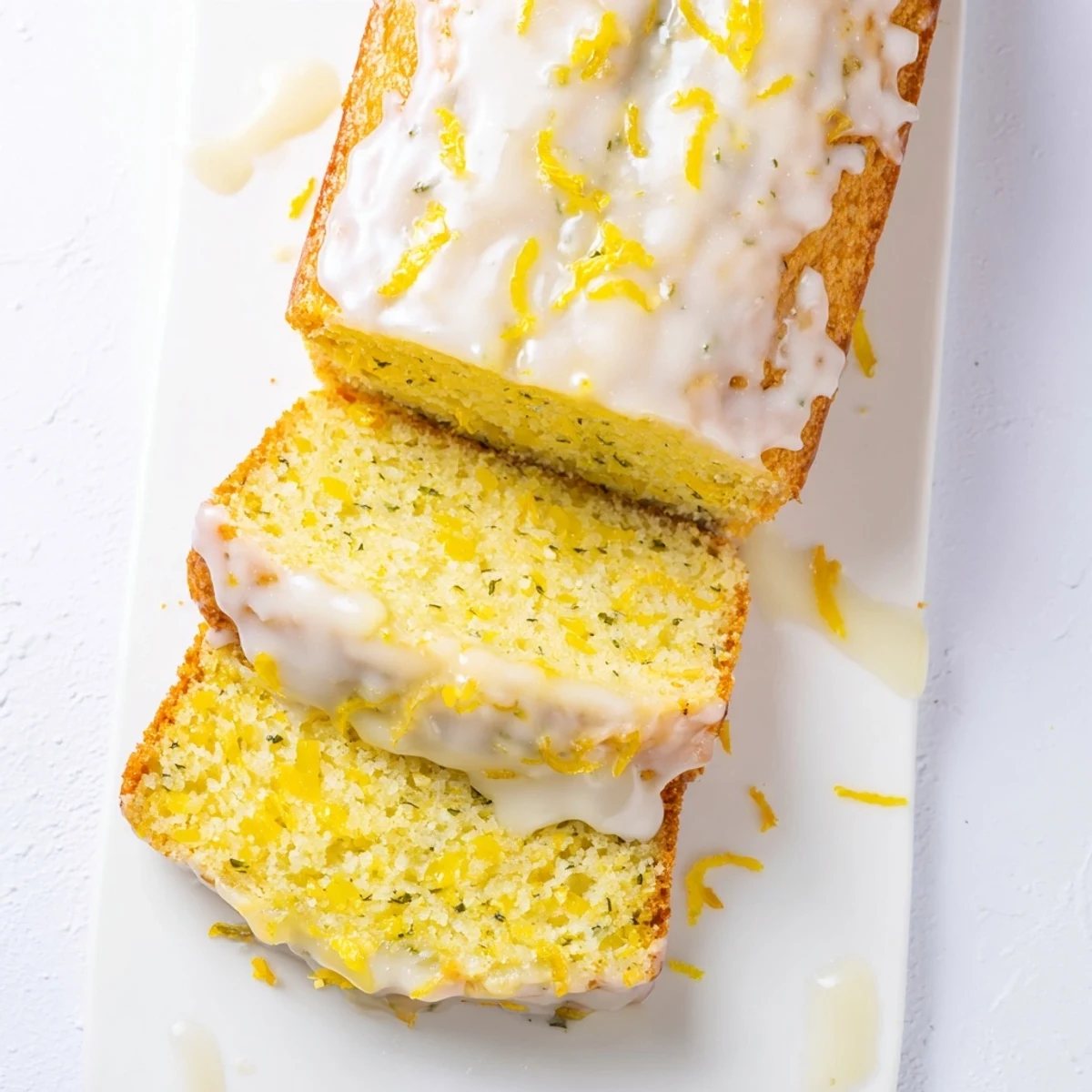
 This bright lemon loaf delivers a perfect balance of sweet and tangy flavors, featuring a tender, moist crumb infused with fresh lemon zest and juice. The method incorporates lemon zest into sugar first, releasing essential oils for maximum citrus aroma throughout the batter. After baking to golden perfection, a simple powdered sugar and lemon juice glaze adds the finishing touch, creating a beautiful crackled topping that sets into a sweet, tangy shell. The loaf slices beautifully and stays fresh for days, making it ideal for afternoon tea gatherings, brunch spreads, or as a satisfying sweet treat with your favorite hot beverage.
The kitchen smelled like sunshine itself when I first made this lemon loaf. I had picked up lemons from the farmers market that morning, their skins still warm from the day, and knew exactly what they were meant to become. Something about lemon cake feels like edible optimism, bright enough to cut through gray afternoons and make everything feel lighter.
I made this for a friend who was going through a rough patch, and we ended up eating half the loaf standing at the counter while it was still warm. Sometimes food just does that, turns a regular Tuesday into something that feels like a small ceremony. She asked for the recipe before she even finished her second slice.
Ingredients
- 1 1/2 cups all-purpose flour: The foundation of the loaf, providing structure while keeping everything tender
- 1 teaspoon baking powder: Gives the cake its gentle rise, creating those soft, inviting crumbs
- 1/2 teaspoon baking soda: Works with the acidic lemon juice for extra lift and a lighter texture
- 1/4 teaspoon salt: Enhances all the flavors and balances the sweetness
- 1 cup granulated sugar: Sweetens the cake while helping create that golden, tender crumb
- Zest of 2 lemons: The real star of the show, infusing every bite with bright citrus essence
- 1/2 cup unsalted butter, softened: Adds richness and moisture, creating that satisfying texture
- 2 large eggs, room temperature: Binds everything together and contributes to the cakes structure
- 1/2 cup whole milk: Keeps the loaf moist and tender for days
- 1/4 cup freshly squeezed lemon juice: Provides the tangy backbone that makes this cake sing
- 1 teaspoon pure vanilla extract: Rounds out the sharp citrus with warm, comforting depth
- 1 cup powdered sugar, sifted: Creates that luscious glaze that turns a simple cake into something special
- 2-3 tablespoons freshly squeezed lemon juice: Thins the powdered sugar into a pourable glaze while adding another punch of lemon
Instructions
- Get your oven ready:
- Preheat to 350°F and grease your loaf pan with butter, lining it with parchment paper so the cake releases beautifully later
- Whisk the dry ingredients:
- In a medium bowl, combine the flour, baking powder, baking soda, and salt until everything is evenly distributed
- Infuse the sugar:
- Rub the lemon zest into the sugar with your fingertips until the sugar becomes fragrant and slightly yellow, releasing all those citrus oils
- Cream butter and lemon sugar:
- Beat the softened butter into the lemon sugar for 2 to 3 minutes until the mixture looks pale and fluffy
- Add the eggs:
- Beat in the eggs one at a time, letting each fully incorporate before adding the next, creating a smooth, emulsified batter
- Stir in vanilla and lemon juice:
- Mix in the vanilla and lemon juice until everything is combined
- Combine wet and dry:
- Add half the flour mixture, then the milk, then the remaining flour, mixing gently until you just see the last streaks of flour disappear
- Bake to golden perfection:
- Pour the batter into your prepared pan and bake for 45 to 50 minutes until a toothpick comes out clean and the top springs back when touched
- Cool completely:
- Let the cake rest in the pan for 10 minutes before moving it to a wire rack to cool all the way through
- Make the glaze:
- Whisk the powdered sugar with enough lemon juice until it is thick enough to coat a spoon but still pourable
- Glaze and serve:
- Drizzle the glaze over the cooled loaf and let it set for about 15 minutes before slicing into thick, generous pieces
 Pin this
 This loaf has become my go-to for new neighbors and condolences alike, somehow appropriate for every occasion. Last summer I brought one to a picnic and people kept asking where I bought it, which might be the highest compliment a baker can receive.
Making It Ahead
You can bake the loaf a day before you plan to serve it, wrapping it tightly in plastic once it is completely cooled. The glaze is best added the day of serving so it stays fresh and glossy.
Serving Suggestions
A slice of this lemon loaf pairs perfectly with a cup of Earl Grey or a bright jasmine tea. The slight bitterness of black tea balances the sweetness, while herbal teas let the citrus shine even more.
Storage Tips
Keep the loaf in an airtight container at room temperature for up to three days, though in my house it rarely lasts that long. The cake also freezes beautifully wrapped tightly in plastic and then foil for up to two months.
- Wait until the glaze is completely set before wrapping the cake
- If freezing, glaze the thawed cake rather than freezing it already glazed
- A quick 10 second zap in the microwave brings back that just baked warmth
 Pin this
 There is something about the simplicity of a lemon loaf that feels like home, no matter where you are. I hope this recipe finds its way into your regular rotation, bringing a little brightness to your kitchen too.
Recipe Questions & Answers
- → How do I know when the loaf is fully baked?
-
Insert a wooden toothpick into the center of the loaf. If it comes out clean or with just a few moist crumbs, the loaf is done. The top should be golden brown and spring back lightly when touched gently.
- → Can I make this loaf ahead of time?
-
Absolutely. The loaf actually tastes better the next day as the flavors deepen. Store in an airtight container at room temperature for up to 3 days. You can also freeze the unfrosted loaf for up to 3 months and add glaze after thawing.
- → Why should I rub the zest into the sugar?
-
Rubbing lemon zest into sugar releases the essential oils from the zest, infusing the sugar with intense lemon flavor. This technique distributes citrus aroma more evenly throughout the batter than simply adding zest to the mixture.
- → What type of lemons work best?
-
Fresh, firm lemons with bright, glossy skin yield the most flavor. Avoid lemons that feel soft or have wrinkled skin. Organic lemons are ideal for zesting since you won't have to worry about wax coatings or pesticides on the peel.
- → Can I substitute the butter with oil?
-
While you can substitute with an equal amount of vegetable oil, butter provides superior flavor and helps create the loaf's tender texture. The butter also contributes to a richer, more satisfying crumb structure that's characteristic of traditional British tea loaves.
- → How should I store the glazed loaf?
-
Once the glaze has completely set, store the loaf in an airtight container or wrap tightly in plastic wrap. Keep at room temperature for up to 3 days. If you live in a humid climate, refrigeration may help prevent the glaze from becoming too soft.