
 Pin this
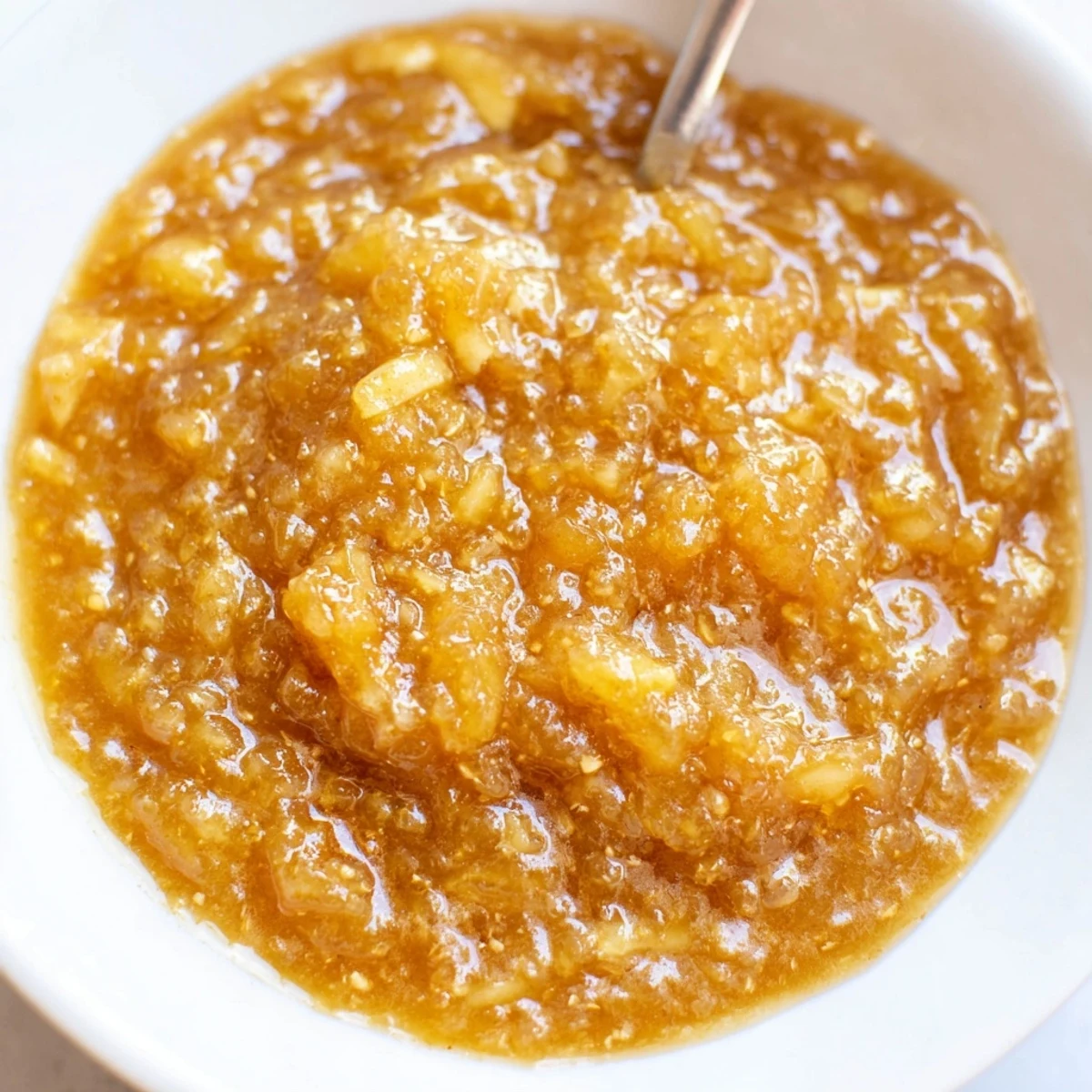
 This autumn caramel apple jam begins with peeled, cored apples simmered in cider and lemon until tender. Granulated and brown sugar are cooked with butter, cinnamon, nutmeg and allspice until the mixture takes on a golden caramel color; liquid pectin is stirred in and boiled briefly. Hot jars are filled and processed in a water bath. Makes six half-pint jars. Store cool and refrigerate after opening.
The first time I made caramel apple jam, the steam rising from my kitchen windows actually drew my neighbor in with curiosity. The house was filled with the sweet aroma of simmering apples and cinnamon, a scent that lingered on my sleeves all afternoon. I remember the satisfying hiss of lids as jars sealed and the thrill of watching caramel swirl into glossy ribbons. Sometimes, the best part of jam-making is just the anticipation of that first taste on a piece of warm toast.
I made this jam for my book club on a rainy October night—by the time our coats hung drying in the hall, everyone was huddled around the counter with bread in one hand and sticky spoons in the other. Someone asked for the recipe before we'd finished the first jar.
Ingredients
- Apples: Choose firm, tart varieties like Honeycrisp or Granny Smith for balance, and chopping them small helps the texture stay delightfully rustic.
- Lemon juice: Freshly squeezed keeps the apples bright and adds a subtle tang that counteracts all that sweetness.
- Granulated sugar: Don’t skimp—it’s not just a sweetener, it’s what helps the jam set.
- Light brown sugar: This deepens the caramel notes and gives a gentler sweetness than white sugar alone.
- Unsalted butter: Cubed butter is what gives this jam its unmistakable caramel richness—don’t substitute margarine.
- Ground cinnamon, nutmeg, and allspice: The trio of warm spices weaves autumn right through every bite, but measure carefully so no one overpowers the others.
- Salt: Just a pinch keeps it from tipping into candy territory and enhances all the flavors.
- Liquid pectin: Go with liquid for a more consistent set—powdered can be persnickety in fruit jams like this.
- Apple cider or apple juice: Cider brings complexity, but juice works when that’s what’s in the fridge.
- Water: A little splash keeps things moving in the pot until apples break down.
Instructions
- Start the fruit base:
- Toss your chopped apples, lemon juice, cider, and water into your biggest, sturdiest pot and let them simmer away, stirring now and then so nothing sticks.
- Break down the apples:
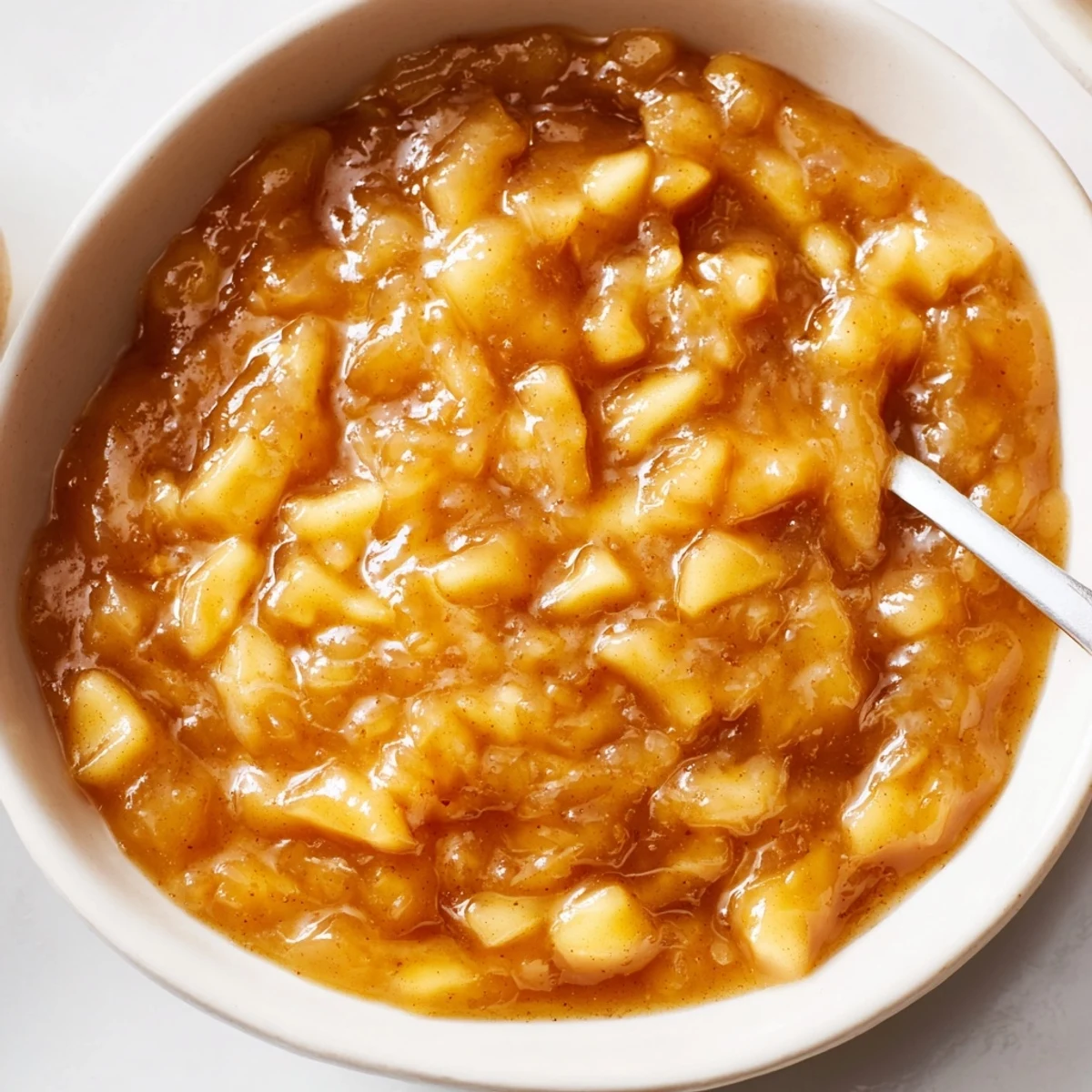
- After about ten minutes, grab a potato masher or immersion blender and crush the apples until they’re saucy but with a few chunks left for bite.
- Sweeten and spice:
- Pour in both sugars, the cinnamon, nutmeg, allspice, and salt—then stir slowly while everything dissolves and the kitchen starts to smell magical.
- Caramel magic:
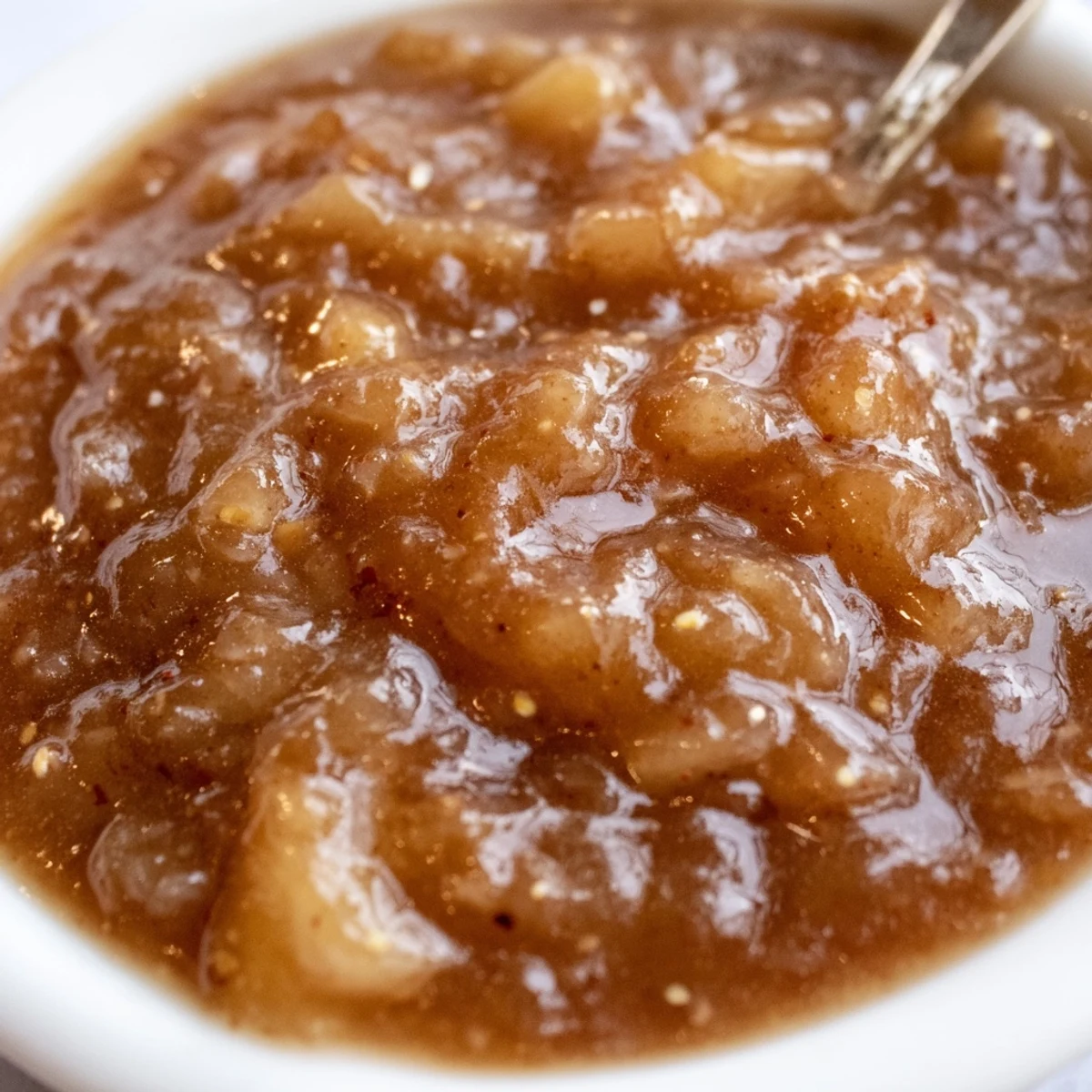
- Add the butter cubes and keep stirring gently; watch the bubbles shift from pale to deep golden as the mixture gets silkier and thicker, scraping the bottom to stop any burning.
- Set the jam:
- Crank up the heat to a brisk boil, add the pectin, and stir like you mean it for 1–2 minutes—this step makes the jam set just right.
- Jar and seal:
- Skim off any foam, ladle the hot jam into sterilized jars, leave a bit of headspace, wipe rims, screw on lids, and process for ten minutes in a bubbling water bath.
- Cool and store:
- Let the jars cool undisturbed for that satisfying pop of the seal; label and tuck them away in a cool place, refrigerating once opened.
 Pin this
 One afternoon last November, I tucked a jar into a care package for my sister who’d just moved away—the next week she called from three states over, laughing about eating it straight from the spoon after a long day. It’s funny how something so simple can carry a bit of home with it.
Secrets for Brilliant Caramelization
Patience is truly your friend here: let the sugars bubble gently before you add the apples so they take on a toasty, deep flavor. Keep a close eye and stir constantly, and you'll be rewarded with that signature rich color and taste without a hint of bitterness.
Making It Your Own
If you want to swap some apples for ripe pears, go for it—the jam ends up silkier and the flavor more complex. Sometimes I'll slip in a touch more cinnamon or even a dash of ginger depending on my mood or what's handy in the spice drawer.
Troubleshooting in the Moment
If your jam is runny even after cooling, don’t panic: a quick re-boil with extra pectin usually does the trick. Never throw out a batch just because it doesn’t look perfect—the taste is what matters, and sometimes jam makes a delightful sauce for ice cream instead.
- Don’t walk away from the stove—caramel can turn fast.
- Save those apple peels for homemade cider vinegar.
- Label your jars with the date to keep track of freshness.
 Pin this
 May your fall mornings be sweet and every spoonful remind you of cozy afternoons in the kitchen. Share a jar with a friend—it’s truly autumn in a bite.
Recipe Questions & Answers
- → What apples work best?
-
Firm, crisp varieties like Honeycrisp or Granny Smith hold texture and balance sweetness. Mixing a sweet and a tart apple gives a more complex flavor.
- → How do I get a deeper caramel flavor?
-
For richer caramel notes, cook the sugar separately to a light amber stage before adding it to the softened apples, or extend the cooking time while stirring to allow natural caramelization.
- → How can I prevent scorching?
-
Use a heavy-bottomed pot, stir frequently, and scrape the bottom gently as the sugars darken. Reducing heat slightly as the mixture thickens helps avoid burning.
- → Can I substitute some apples with pears?
-
Yes. Swapping in pears for up to half the fruit adds floral sweetness and a softer texture; adjust cooking time until the mixture reaches the desired thickness.
- → Is the pectin necessary?
-
Liquid pectin ensures a reliable set and stable jarred product. Omitting it will result in a looser spread and may require longer reduction to thicken.
- → How long will jars keep?
-
Properly processed and sealed jars keep in a cool, dark place for up to a year. Once opened, refrigerate and use within a few weeks for best flavor.