
 Pin this
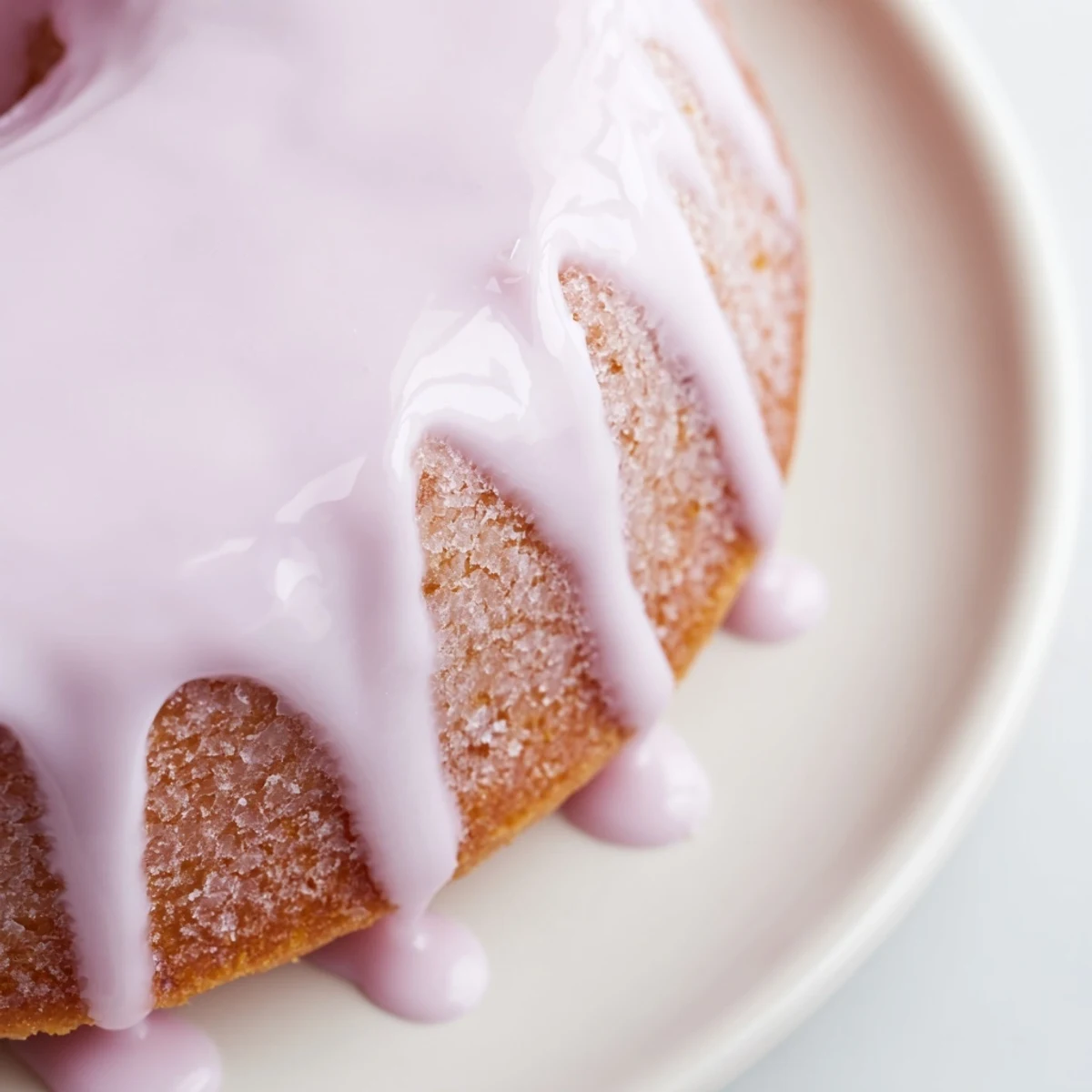
 This fragrant glaze combines dried culinary lavender with whole milk and powdered sugar to create a delicate floral topping. The process involves gently heating milk with lavender buds to extract their aromatic oils, then whisking the infused milk into sugar until smooth and pourable. Perfect for finishing pound cakes, sugar cookies, scones, or bundt cakes with a sophisticated French-inspired touch. Adjust consistency easily by adding more milk or sugar as needed.
The first time I made lavender glaze, I was baking scones for a Sunday morning book club meeting. Someone had gifted me a jar of culinary lavender from Provence, and it had been sitting in my pantry for months, looking beautiful but slightly intimidating. I decided to experiment, infusing the milk first and watching the steam rise in tiny fragrant clouds. When that pale purple liquid hit the powdered sugar and transformed into something glossy and perfect, I knew I'd stumbled onto something special.
Last summer, my neighbor Sarah brought over a batch of lemon pound cake she'd baked on a whim. I drizzled some of this glaze over her slices while we sat on my back porch, watching the sun set behind the oak trees. She took one bite, closed her eyes, and asked me to write the recipe on a napkin before she left. Now every time she sees me at the grocery store, she mentions that afternoon and how something so simple made everything feel slower and lovelier.
Ingredients
- Dried culinary lavender: Only use lavender specifically labeled as culinary grade, and start with 2 tablespoons since the potency varies between brands
- Whole milk: The fat content carries the floral flavor better than skim, but any dairy or nondairy milk will work in a pinch
- Powdered sugar: Sift it first if you've had the bag open for a while to avoid any tiny lumps in your finished glaze
- Fresh lemon juice: Just half a teaspoon cuts through the sweetness and makes the lavender sing without tasting acidic
Instructions
- Infuse the milk with lavender:
- Combine the milk and dried lavender in a small saucepan over the lowest possible heat setting. Watch carefully for the first wisp of steam, then remove from heat immediately and let it steep for exactly 5 minutes to extract all that floral goodness without any bitter notes.
- Strain and prepare the lavender milk:
- Pour the mixture through a fine mesh strainer into a clean measuring cup, pressing gently on the buds to extract every drop of infused milk. Let it cool for just a couple of minutes so it doesn't melt the powdered sugar too quickly.
- Whisk the glaze base:
- Start with 2 and a half tablespoons of the lavender milk in a bowl with the powdered sugar and lemon juice if using. Whisk vigorously until completely smooth, adding the remaining half tablespoon only if needed for pouring consistency.
- Check your consistency:
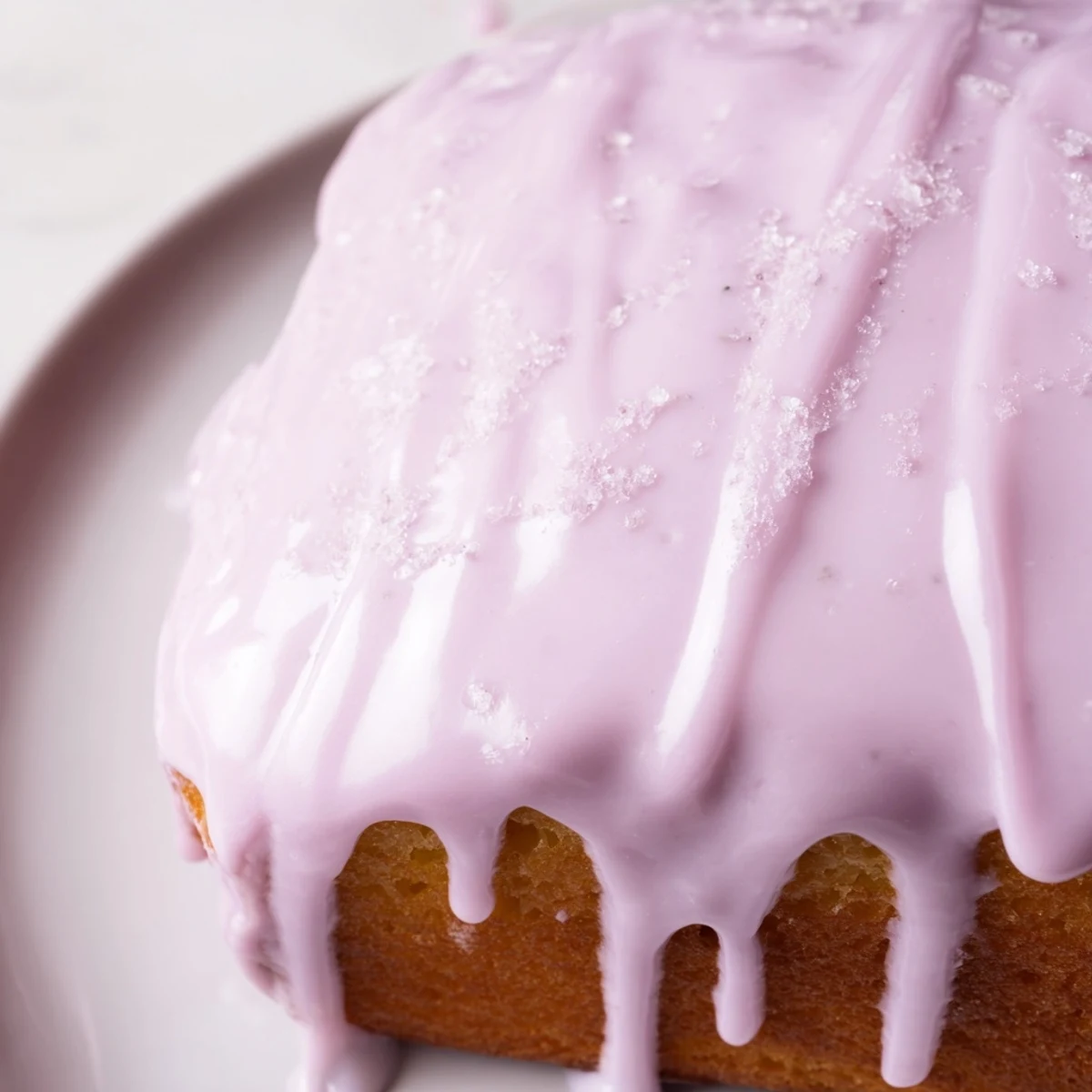
- The glaze should ribbon off your whisk and disappear back into the bowl within about 5 seconds. Add more sugar to thicken or more milk to thin, working in tiny increments each time.
- Glaze your baked goods:
- Let whatever you're glazing cool completely first, or the glaze will slide right off in sad little puddles. Drizzle generously over cakes, scones, or cookies and let it set for at least 10 minutes before serving.
 Pin this
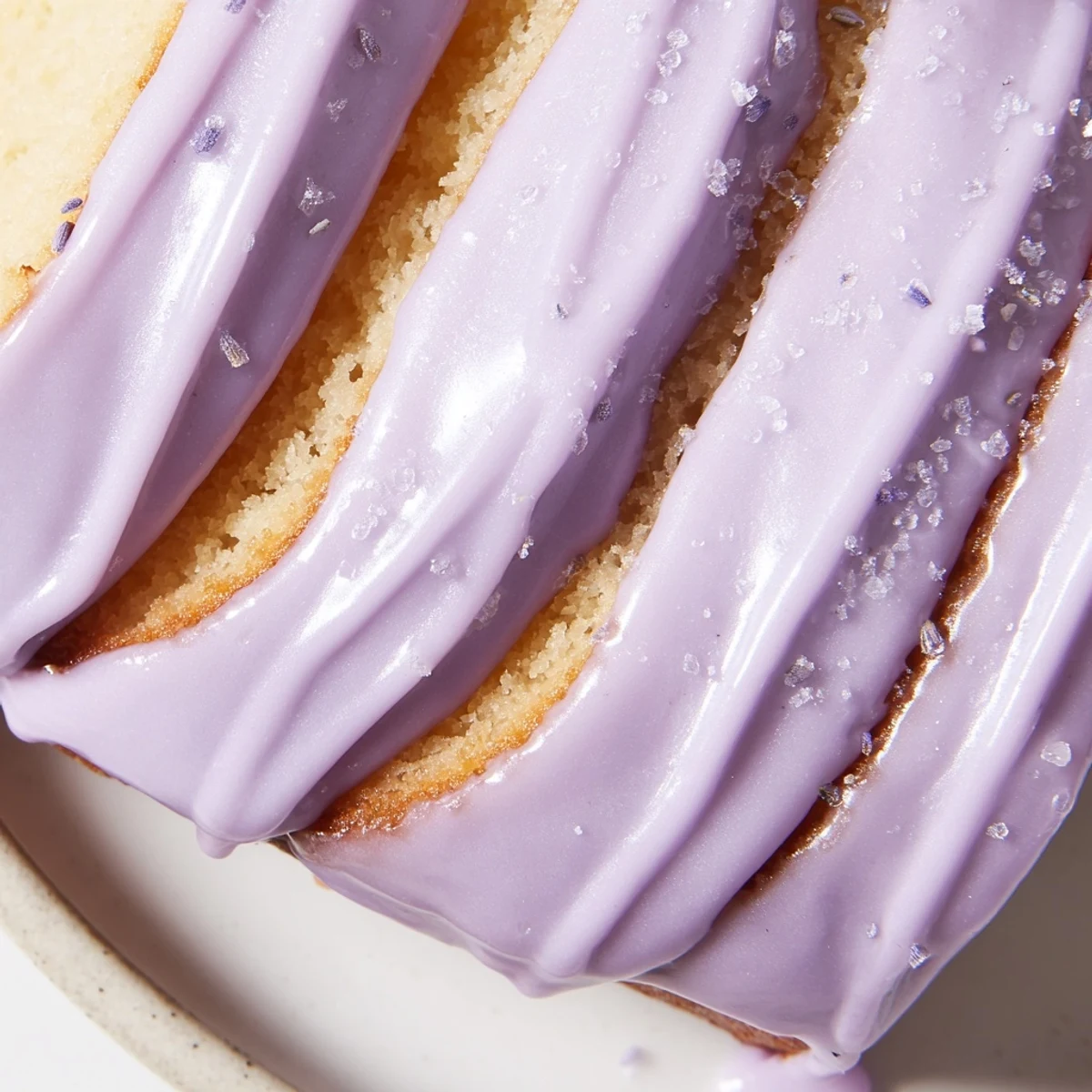
 My daughter asked if we could have a fancy tea party for her eighth birthday, nothing store bought, just everything homemade and slightly fancy. We made tiny vanilla scones and I taught her how to drizzle this glaze in those pretty zigzag patterns she'd seen in bakery windows. Her focus was so intense, her tongue poking out slightly, and when she finished, she looked up with purple streaked fingers and said being a baker felt like magic.
Getting The Color Right
Natural lavender glaze comes out looking like cream, not the soft purple you might expect from something flower based. If you want that dreamy lavender hue, you'll need a single drop of natural purple food coloring or a pinch of freeze dried blueberry powder. I've found that artificial coloring can make the glaze taste slightly metallic, so go with natural options whenever possible. Start with barely anything and build up slowly since you can always add more but you can't take it back.
Flavor Variations Worth Trying
Sometimes I swap the lemon juice for a teaspoon of orange blossom water, which gives the glaze an almost North African twist that pairs beautifully with almond cakes. Other times I'll add a tiny pinch of dried rosemary along with the lavender, creating this piney floral combination that sounds unusual but tastes incredible on olive oil cakes. Honey instead of all that powdered sugar gives you a thicker, more spreadable frosting consistency, though it won't harden the same way.
Storage And Make Ahead Tips
You can make the lavender infused milk up to two days ahead and store it in an airtight container in the refrigerator. When you're ready to make the glaze, gently warm the milk back to room temperature so it incorporates smoothly with the powdered sugar. The finished glaze keeps well in the fridge for about a week, though it may separate slightly and will need a quick re whisk before using.
- Let refrigerated glaze come to room temperature naturally for the smoothest consistency
- Always store in a glass container since the delicate floral oils can interact with plastic over time
- If the glaze has thickened too much after storage, add milk literally drop by drop
 Pin this
 Something about lavender glaze makes even the simplest baking feel like a small act of self care, like you're taking an ordinary moment and gilding it just enough to make it memorable.
Recipe Questions & Answers
- → What can I use lavender glaze on?
-
This floral topping works beautifully on pound cakes, scones, sugar cookies, and bundt cakes. It adds a sophisticated French-inspired finish to any sweet baked treat.
- → Can I make this dairy-free?
-
Absolutely. Simply replace the whole milk with your preferred dairy-free alternative such as almond milk, oat milk, or coconut milk for a vegan-friendly version.
- → How long does the glaze stay fresh?
-
Store in an airtight container at room temperature for up to 2 days. For longer storage, refrigerate for up to one week and bring to room temperature before using.
- → Why is my glaze too thick or thin?
-
Easily adjust the consistency by adding more powdered sugar to thicken or additional lavender milk to thin. Start with small amounts until you reach the desired pourable texture.
- → Is culinary lavender different from regular lavender?
-
Yes, culinary lavender is specifically grown and processed for consumption. Never use lavender from gardens or florists as it may contain pesticides or chemicals not safe for eating.