
 Pin this
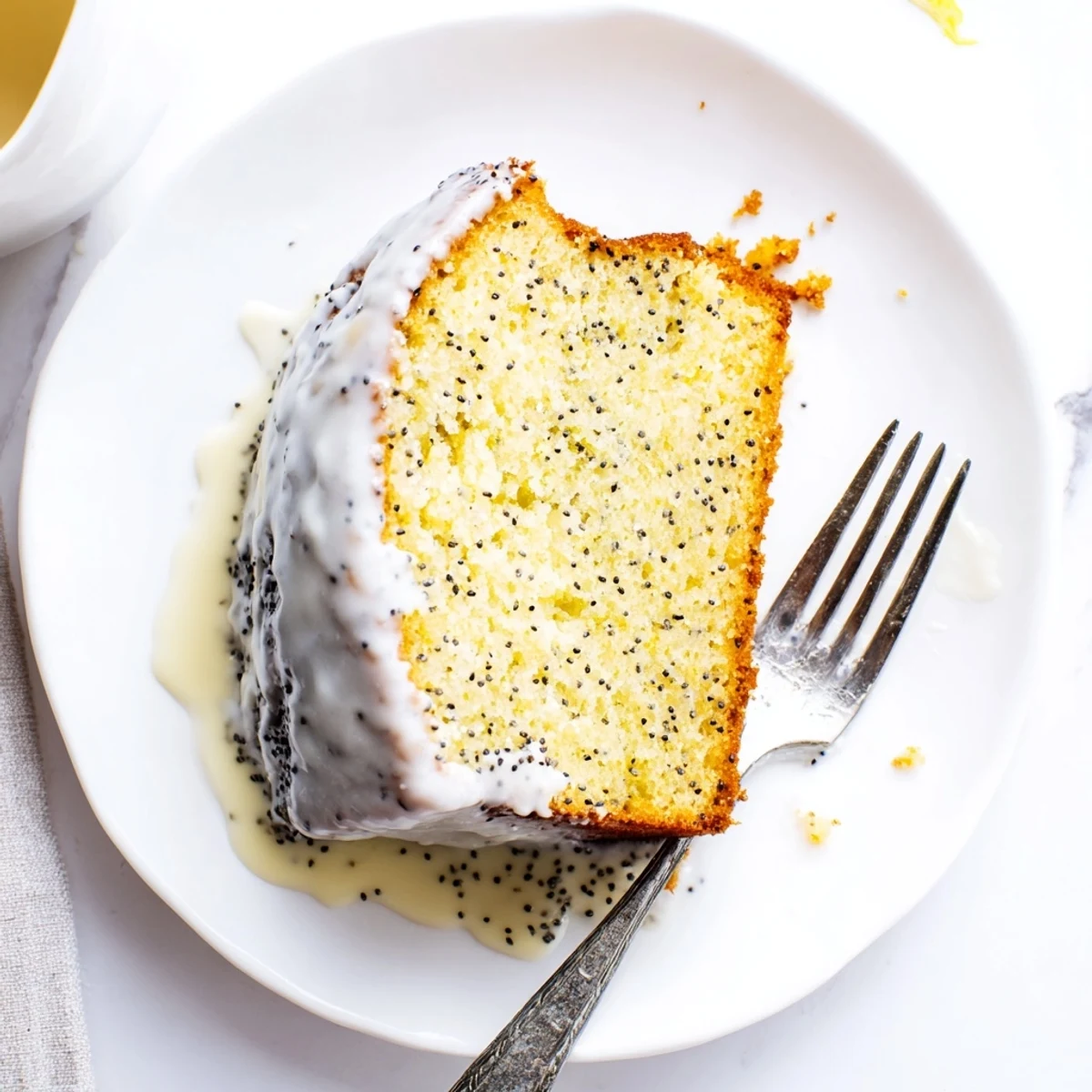
 This tender lemon poppy seed cake delivers bright citrus flavor in every bite. The moist crumb comes from perfectly balanced wet and dry ingredients, while plenty of fresh lemon zest and juice create that signature tangy sweetness. Poppy seeds add subtle crunch throughout the cake, making each slice interesting and satisfying.
The simple creaming method ensures a light texture, and the finishing glaze adds extra sweetness and lemon intensity. This cake tastes even better the next day as flavors meld together, making it ideal for preparing ahead.
Serve warm or at room temperature alongside Earl Grey tea, or pair with Prosecco for an elegant dessert. The recipe yields ten generous servings, perfect for gatherings or enjoying throughout the week.
The sun was streaming through my kitchen window last spring when I decided to bake something bright enough to match the morning. I'd picked up a bag of lemons from the farmers market, their skins still slightly cool and impossibly fragrant. This cake became my go-to that season, appearing on every counter and gathering until friends started requesting it by name.
My sister came over unexpectedly the first time I made this, and we ended up eating warm slices standing at the counter, glaze dripping onto our fingers. She took half the cake home in a box I had to tape shut because she couldnt stop picking at it on the drive. Now its what I bring to celebrations where I need something impressive but unfussy.
Ingredients
- 2 1/2 cups all-purpose flour: The structure that holds everything together, measure by spooning into your cup and leveling off for accuracy
- 2 tablespoons poppy seeds: These tiny black seeds add satisfying crunch throughout every bite and turn the crumb beautifully speckled
- 2 teaspoons baking powder: Works with the baking soda to give the cake its tender rise
- 1/2 teaspoon baking soda: Balances the acidity from the lemon juice for even baking
- 1/2 teaspoon salt: Enhances all the other flavors so the lemon really sings
- 1 cup unsalted butter softened: Room temperature butter creams properly and creates that delicate tender crumb
- 1 1/2 cups granulated sugar: Sweetens while helping create the cakes soft structure
- 4 large eggs: Must be at room temperature or they'll seize the butter and ruin your batter
- 1 tablespoon lemon zest: Use a microplane and press firmly to get the fragrant oils not just the yellow skin
- 1/4 cup fresh lemon juice: Squeeze right before baking, never bottled juice which tastes flat and metallic
- 1 teaspoon pure vanilla extract: Rounds out the bright lemon with warm depth
- 1 cup whole milk: Also at room temperature so it incorporates smoothly into the batter
- 1 cup powdered sugar: Sift first or your glaze will have stubborn lumps that wont break up
- 2 to 3 tablespoons fresh lemon juice: Add gradually until the glaze runs off your spoon in a thick ribbon
Instructions
- Getting Everything Ready:
- Position your oven rack in the center and heat to 350°F then thoroughly grease your pan with butter and dust with flour, tapping out any excess.
- Whisking the Dry Ingredients:
- Combine the flour, poppy seeds, baking powder, baking soda and salt in a medium bowl, whisking thoroughly so the leavening distributes evenly.
- Creaming Butter and Sugar:
- Beat the softened butter and sugar in a large bowl for a full three minutes until pale and fluffy, scraping the bowl down halfway through.
- Adding the Eggs:
- Crack in eggs one at a time, beating for at least 30 seconds after each one before adding the next, then stir in the zest, juice and vanilla.
- Combining Wet and Dry:
- Add the flour mixture in three portions, alternating with two additions of milk, mixing only until the last streaks of flour disappear.
- Baking the Cake:
- Spread the batter evenly into your prepared pan and bake for 45 to 50 minutes until a tester emerges clean from the thickest part.
- Cooling Before Glazing:
- Let the cake rest in the pan for 15 minutes before turning it out onto a wire rack to cool completely.
- Making the Lemon Glaze:
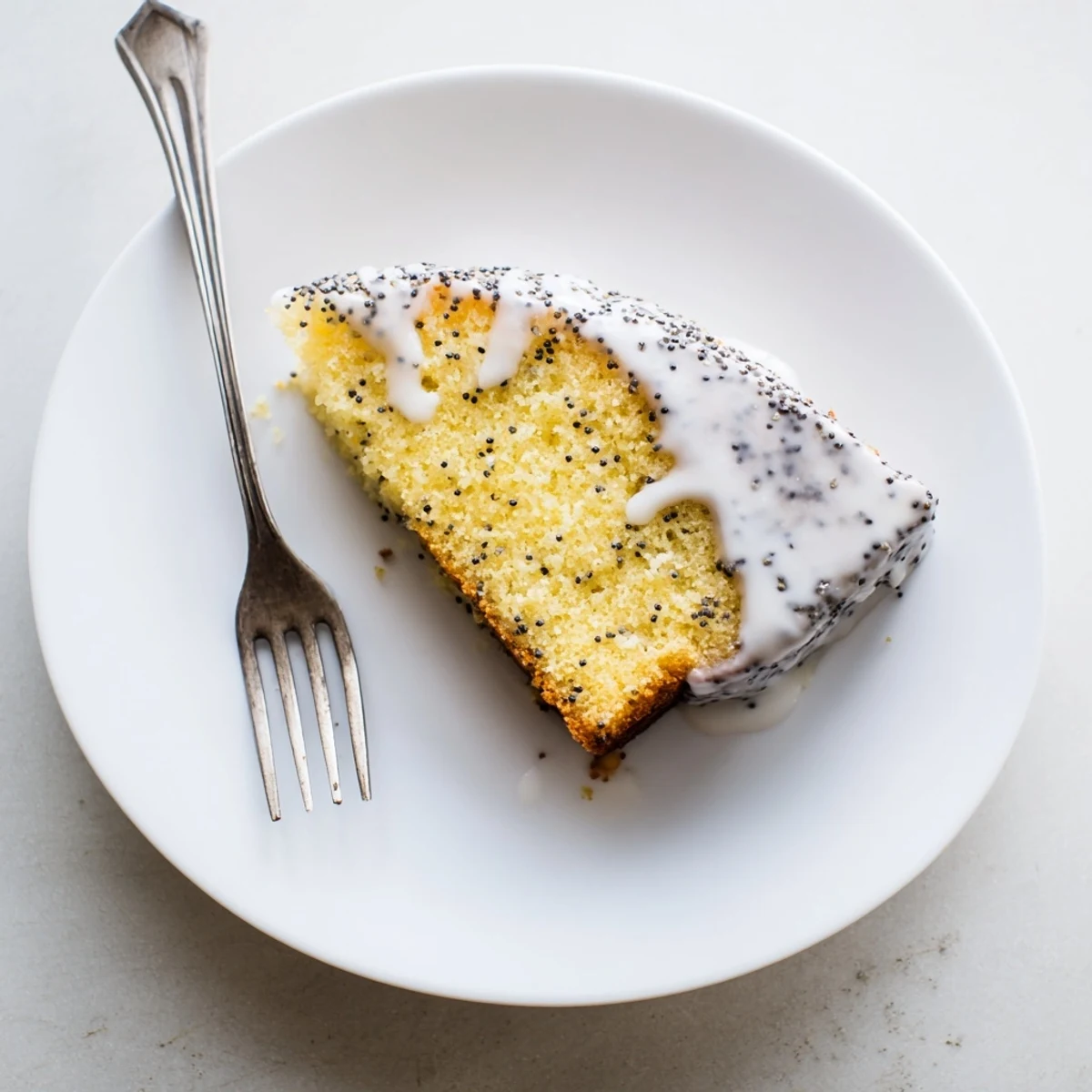
- Whisk the powdered sugar with lemon juice until thick but pourable, then drizzle slowly back and forth over the cooled cake.
 Pin this
 This cake has become my hello to new neighbors and my sympathy for hard weeks and my celebration for tiny victories. Something about the combination of bright citrus and comfort feels like an edible hug.
Getting The Most Lemon Flavor
Roll your lemons firmly on the counter before zesting and juicing to break down the internal membranes. Zest before you squeeze, and press the microplane firmly into the skin to capture the aromatic oils. The white pith beneath is bitter, so zest only the vibrant yellow layer.
Choosing Your Pan
A Bundt pan creates beautiful presentation and more surface area for glaze to drip into those lovely ridges. A loaf pan bakes slightly slower and yields dense, snackable slices perfect for wrapping and sharing. Either way, grease every nook and crevice thoroughly.
Making It Ahead
The cake actually improves after resting overnight as the lemon flavor permeates every crumb. Wrap the cooled unglazed cake tightly in plastic and store at room temperature for up to two days. Add the glaze the same day you plan to serve it for the freshest appearance.
- Freeze individual slices wrapped in plastic then foil for up to three months
- Bring frozen slices to room temperature still wrapped to prevent condensation
- The glaze will soften slightly at room temperature so add it just before serving
 Pin this
 Every bite of this cake reminds me why simple ingredients treated with care become something extraordinary. Hope it finds its way into your kitchen rotation too.
Recipe Questions & Answers
- → Can I make this cake ahead of time?
-
Absolutely. This cake actually improves after sitting for a day as the lemon flavor deepens and distributes throughout the crumb. Store wrapped at room temperature for up to three days, or freeze unfrosted for up to three months.
- → Why is my cake dense instead of fluffy?
-
Overmixing the batter develops too much gluten, creating a dense texture. Mix just until ingredients are combined. Also ensure your butter and eggs are at room temperature—they incorporate air much better than cold ingredients.
- → Can I use lemon juice instead of fresh lemons?
-
Fresh lemons provide superior flavor since you need both zest and juice. Bottled juice lacks the bright aromatic oils found in zest. If necessary, substitute with bottled juice but add 1 teaspoon of lemon extract to compensate for lost flavor complexity.
- → What's the best way to glaze the cake?
-
Wait until the cake is completely cool before glazing—warm cake will cause the glaze to melt and run off rather than set beautifully. Whisk powdered sugar and lemon juice until thick but pourable, then drizzle slowly back and forth over the cake.
- → Can I bake this as cupcakes or in a different pan?
-
Yes. For cupcakes, fill liners two-thirds full and bake 18-22 minutes at 350°F. A 9x13 inch pan works too—extend baking time to 35-40 minutes. Always test with a toothpick rather than relying solely on time.
- → How do I store leftovers?
-
Keep at room temperature wrapped in plastic or under a cake dome for up to three days. For longer storage, refrigerate for up to a week, though bring to room temperature before serving for best texture. Unfrosted cake freezes well.