
 Pin this
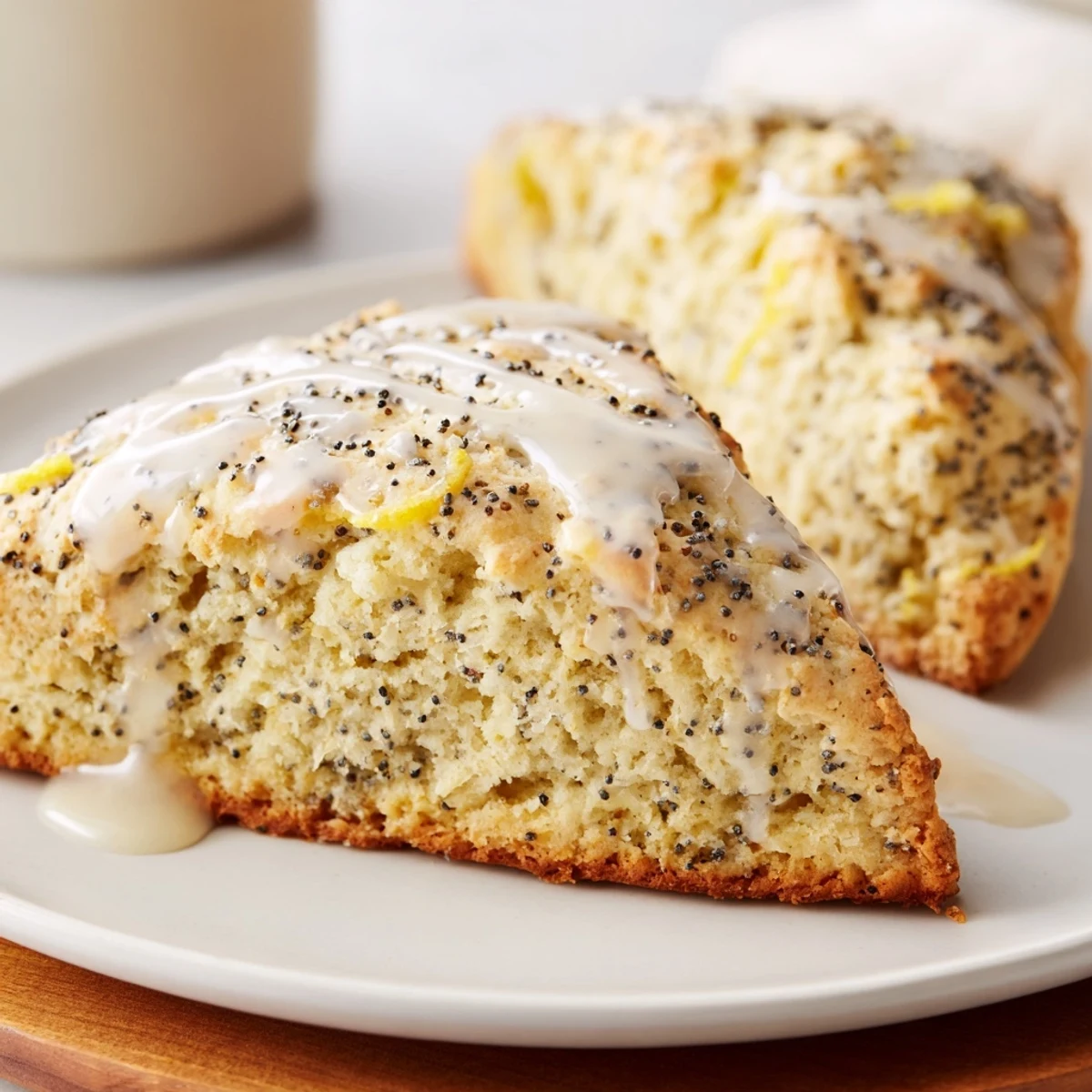
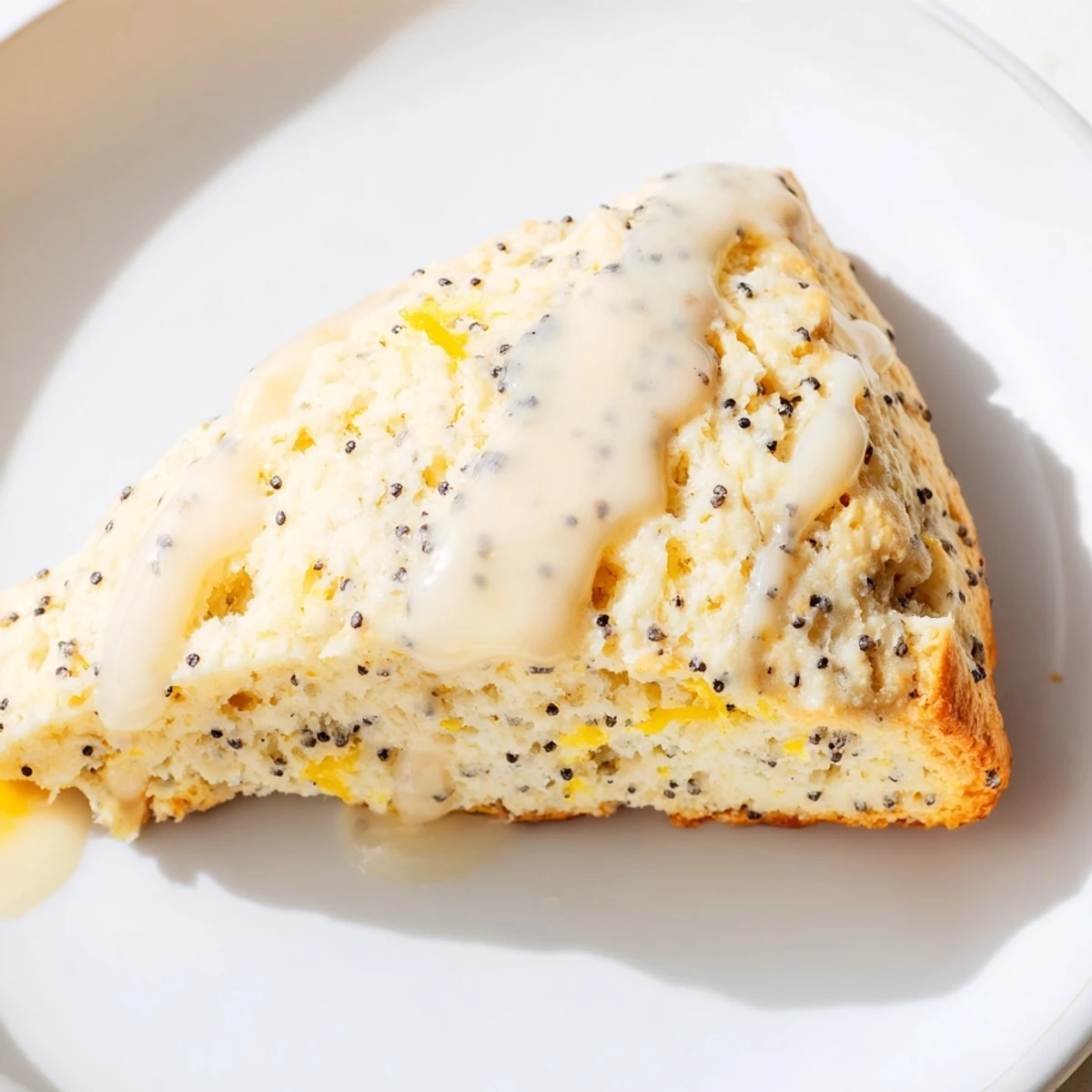
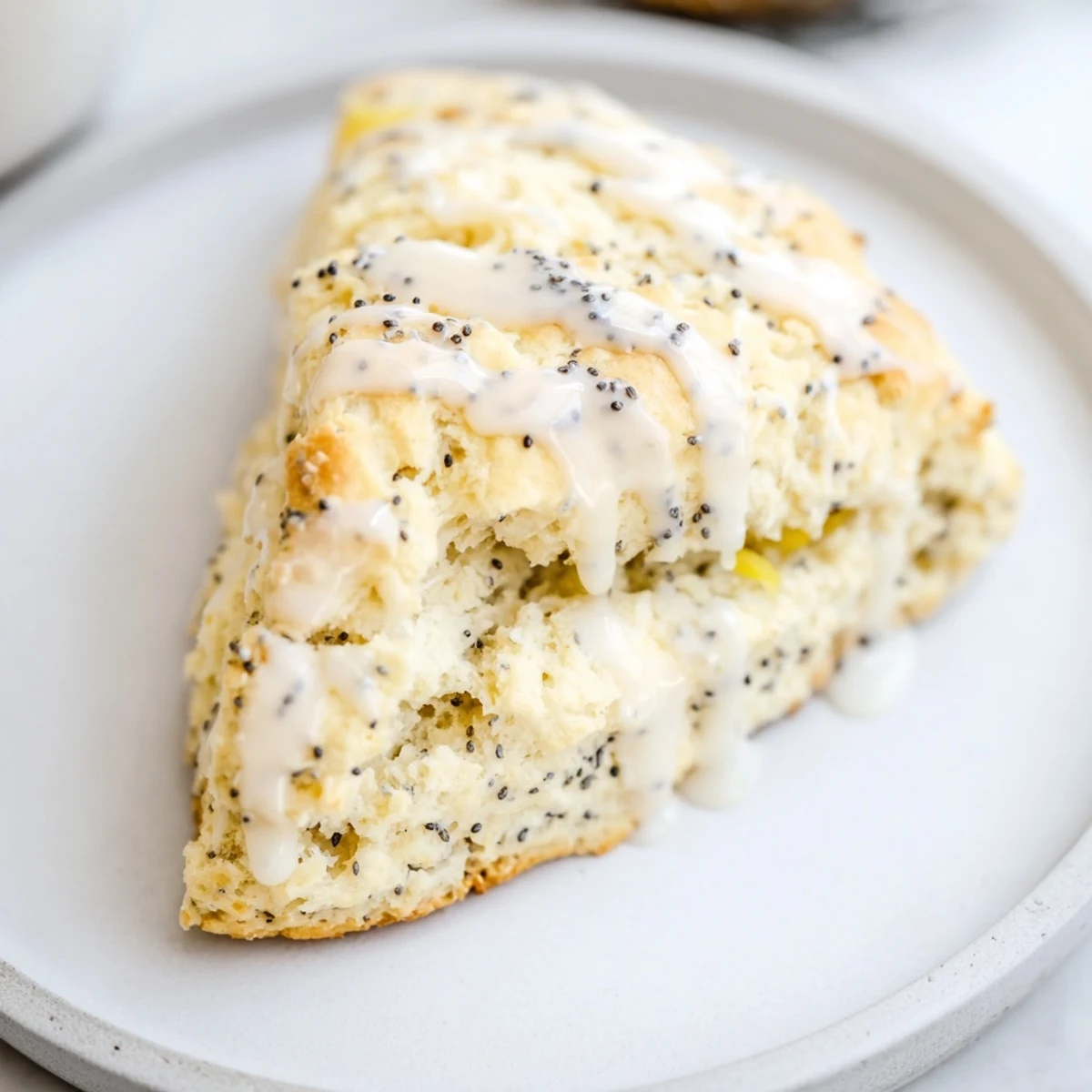
 These tender scones blend bright lemon zest and crunchy poppy seeds into a buttery dough, baked to a golden finish. The method involves cutting cold butter into dry ingredients for a flaky texture, mixing wet components gently, shaping the dough into wedges, and baking until golden brown. A tangy lemon glaze can be drizzled on top for an extra citrus burst. Perfect for a cozy breakfast or afternoon treat, they pair wonderfully with clotted cream or lemon curd.
The first time I smelled lemon poppy seed scones baking, I was standing in my neighbor's kitchen at seven in the morning, still in pajamas, watching rain streak down her windows. She had woken me with a text that simply said 'emergency baked goods' and I had shuffled across our shared driveway without even putting on shoes. That citrus warmth filling her small kitchen made me forget entirely why I had been stressed the day before.
I made these for my sister's baby shower last spring, convinced I would have time to shower and dress while they baked. Instead, I stood there in a bathrobe, pulling the second batch from the oven as guests arrived early, and nobody cared because the whole house smelled like a lemon grove. My nephew is two months old now and she still asks when I am making 'the good scones' again.
Ingredients
- All-purpose flour: The backbone that gives these structure without making them heavy, spooned and leveled not scooped straight from the bag.
- Granulated sugar: Just enough sweetness to let the lemon shine without competing against it.
- Poppy seeds: Those tiny blue-black specks that crunch between your teeth and make these instantly recognizable.
- Lemon zest: The fragrant oil in the skin carries more flavor than the juice ever could, so do not skip it.
- Baking powder and baking soda: The duo that lifts these tall and gives the crumb its delicate openness.
- Salt: A small amount that makes everything else taste more like itself.
- Cold unsalted butter: The secret to flakiness, kept cold until the last possible second so it steams in the oven.
- Cold heavy cream: Richness that water or milk cannot replicate, plus extra for that golden sheen on top.
- Egg: Binds everything together and adds a subtle richness to the crumb.
- Fresh lemon juice: Bright acidity that balances the butter and cream.
- Vanilla extract: A quiet background note that rounds out the sharp edges.
- Powdered sugar: For the glaze that sets into a thin crackly shell.
Instructions
- Ready your oven and pan:
- Heat your oven to 400°F and line a baking sheet with parchment. The paper will catch any glaze drips later and make cleanup almost nonexistent.
- Wake up the dry ingredients:
- Whisk flour, sugar, poppy seeds, lemon zest, baking powder, baking soda, and salt together in a large bowl. The zest will perfume the flour immediately and you will know you are on the right track.
- Cut in the cold butter:
- Work quickly here, using a pastry cutter or your fingertips to rub the butter into the flour until you have coarse crumbs with some pea-sized pieces remaining. Those larger bits create the flaky layers you want.
- Mix the wet team:
- In a separate bowl, whisk cream, egg, lemon juice, and vanilla until smooth. The cold cream hitting the acidic juice will thicken slightly and that is exactly right.
- Bring them together:
- Pour the wet into the dry and stir with a fork until you see no more dry flour. The dough will look shaggy and barely held together and that is your signal to stop.
- Shape with a light touch:
- Turn onto a lightly floured surface, knead three or four times just to gather it into a mass, then pat into a one-inch thick circle. Do not overwork or you will lose the tenderness.
- Cut your wedges:
- Slice into eight triangles and transfer to your prepared sheet with a little space between each. They will spread and rise into proud little domes.
- Give them a bath:
- Brush the tops with a thin layer of cream. This is what creates that burnished golden finish.
- Bake until golden:
- Sixteen to eighteen minutes until deeply golden and fragrant. The bottoms should sound hollow when tapped.
- Cool and glaze:
- Let them rest on a wire rack until barely warm. Whisk powdered sugar with lemon juice until pourable, then drizzle in zigzags across the tops.
 Pin this
 My father, who claims to dislike anything he calls 'fancy bread,' ate three of these standing at my kitchen counter last Thanksgiving morning. He did not say a word, just held out his hand for another, and that silence meant more than any compliment.
The Cold Butter Truth
I once tried rushing these with slightly soft butter because I was impatient and the scones spread into sad flat discs. Now I cube my butter and freeze it for fifteen minutes while I gather everything else. That small delay saves the entire batch.
Zest Before You Juice
Grating zest from a lemon you have already squeezed is an exercise in frustration and scraped knuckles. Always zest first, then cut and juice. I learned this the hard way while making these for a brunch where I was already running late.
Making Ahead and Storing
Unbaked wedges freeze beautifully on a sheet pan, then transfer to a bag for up to two months. Bake straight from frozen, adding three to four minutes. Baked scones keep at room temperature for two days, though the glaze softens slightly.
- Reheat day-old scones in a 350°F oven for five minutes to restore that fresh-baked exterior.
- Wrapped tightly, these freeze well for a month without the glaze.
- A light toasting revives even slightly stale scones into something worth eating.
 Pin this
 However you eat them, alone with coffee or split and spread with something sweet, these scones have a way of making an ordinary morning feel like it matters. That is really why I keep making them.
Recipe Questions & Answers
- → How do I achieve a tender crumb in these scones?
-
Using cold butter cut into the flour creates small fat pockets that melt during baking, resulting in a tender, flaky texture.
- → Can I prepare the dough in advance?
-
Yes, you can refrigerate the shaped dough for up to 24 hours before baking to enhance flavor and convenience.
- → What is the purpose of the lemon glaze?
-
The lemon glaze adds a tangy sweetness that complements the citrus zest and enhances overall flavor.
- → Are poppy seeds necessary?
-
Poppy seeds provide a subtle crunch and nutty note that balance the lemon brightness, but can be omitted if preferred.
- → How should I store leftover scones?
-
Store cooled scones in an airtight container at room temperature for up to two days or freeze for longer freshness.