
 Pin this
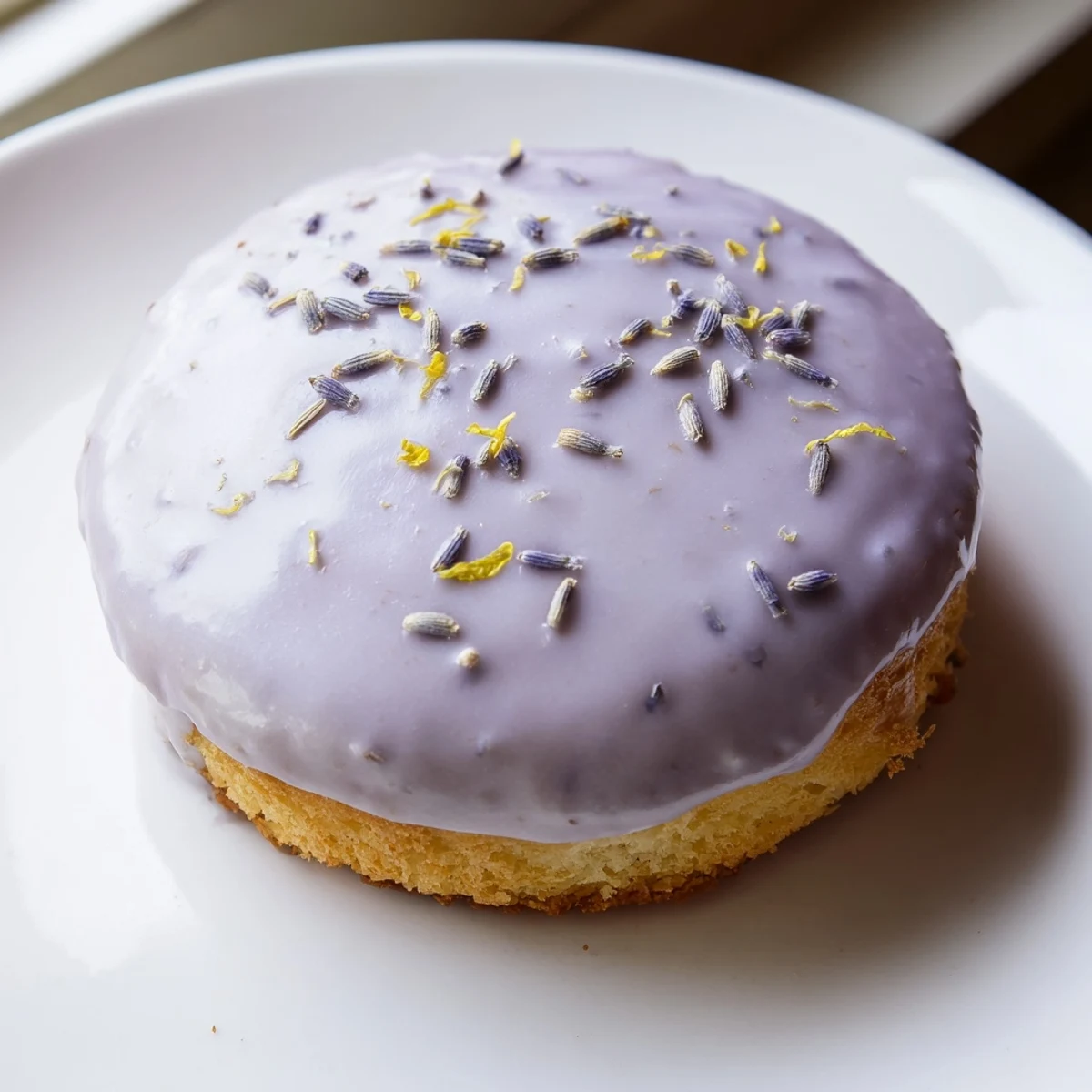
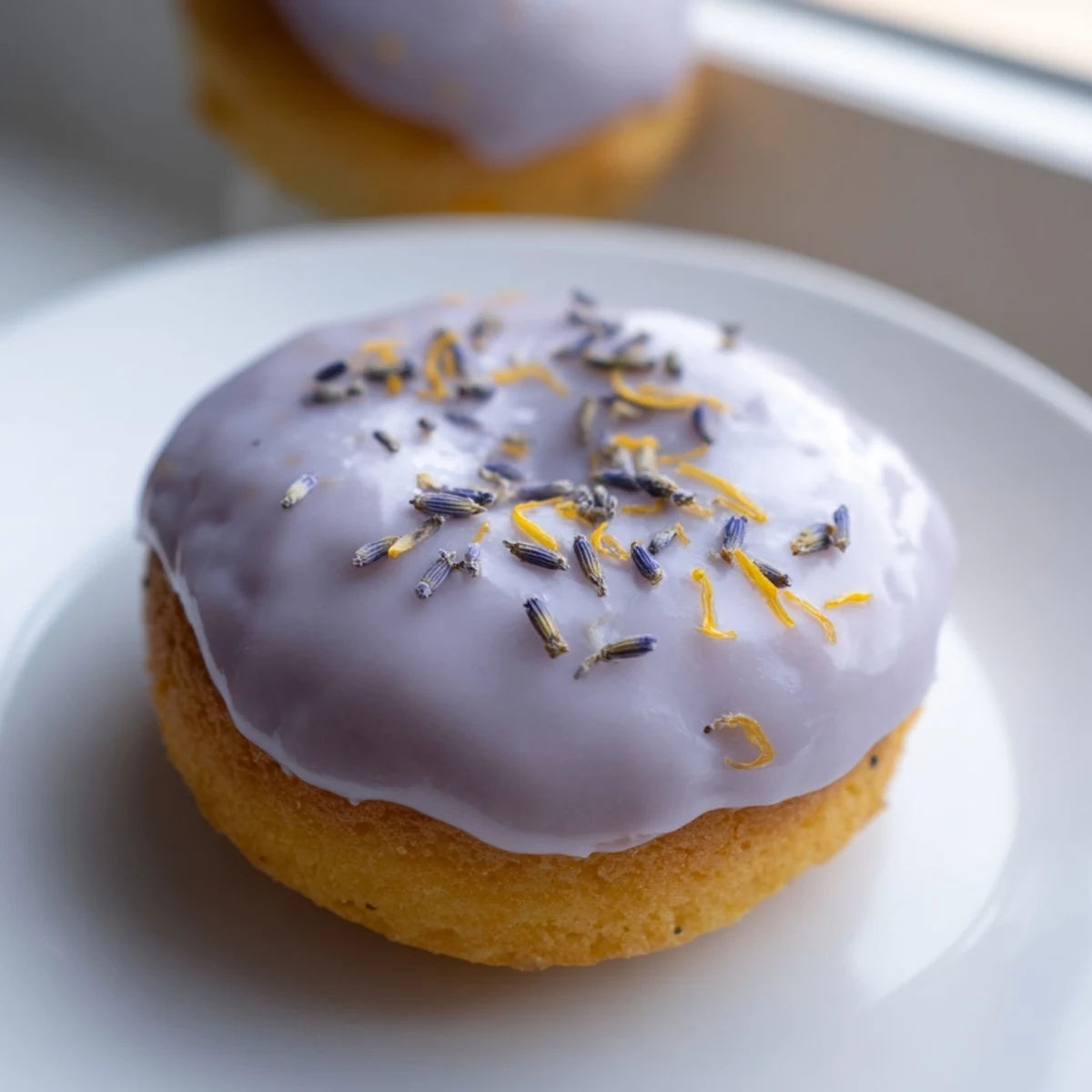
 These tender mini lemon cakes are delicately flavored with fresh lemon zest and juice, then finished with a fragrant lavender-infused glaze. The batter comes together in about 20 minutes using pantry staples like all-purpose flour, butter, eggs, and a touch of vanilla. After a quick 18-minute bake, the cooled cakes are draped in a smooth glaze made from powdered sugar, ground culinary lavender, and lemon juice. The result is a beautifully balanced treat where bright citrus meets floral sweetness. They store well unglazed for up to two days, making them a practical choice for entertaining. Serve alongside hot tea or sparkling wine for a refined touch.
A friend once brought a tiny cake to my apartment that smelled like a garden had fallen into a mixing bowl. I bit into it and immediately demanded the recipe, only to discover the magic was just lavender and lemon doing something quietly extraordinary together.
I made a batch for my mother on her birthday and she sat at the kitchen table eating three in a row without saying a word. That silence was the loudest compliment I have ever received in that kitchen.
Ingredients
- All-purpose flour (1 cup): the foundation here and sifting it once makes the crumb noticeably softer
- Granulated sugar (1/2 cup): enough to sweeten without masking the bright lemon character
- Unsalted butter, softened (1/4 cup): let it sit out until it yields to a gentle finger press, no shortcuts
- Large eggs (2): room temperature eggs blend into the batter without that telltale flecked look
- Whole milk (1/4 cup plus 1 1/2 tbsp for glaze): whole milk gives the tenderest texture, trust me on this
- Fresh lemon juice (2 tbsp plus 1 tbsp for glaze): bottled juice will flatten the flavor in a way you will instantly notice
- Lemon zest (1 tbsp): zest before you juice, and press firmly against the microplane to release the oils
- Baking powder (1/2 tsp) and baking soda (1/4 tsp): this small combo gives a gentle lift without making the cakes puff too high
- Fine salt (1/4 tsp): it wakes up every other ingredient sitting in that bowl
- Vanilla extract (1/2 tsp): a quiet background note that keeps the lemon from tasting one dimensional
- Powdered sugar, sifted (1 cup): sifting prevents those stubborn lumps that ruin a smooth glaze
- Culinary lavender buds, finely ground (1/2 tsp): grind them yourself in a small mortar because preground loses potency fast
Instructions
- Warm the oven and prepare your pan:
- Preheat to 350°F (175°C) and grease every crevice of a 12-mold mini cake pan with butter. Missing a spot means stuck cakes and a frustrating afternoon.
- Cream the butter and sugar:
- Beat them together until the mixture turns pale and looks almost fluffy, about two full minutes of patience.
- Add eggs and flavor:
- Drop in the eggs one at a time, letting each disappear before adding the next, then stir in the zest, juice, and vanilla all at once.
- Whisk the dry ingredients:
- Combine the flour, baking powder, baking soda, and salt in a separate bowl so everything distributes evenly.
- Bring it all together:
- Alternate adding the dry mix and milk, starting and ending with the flour, and stop mixing the instant you see no more white streaks.
- Fill and bake:
- Divide the batter among the molds and slide them into the oven for 16 to 18 minutes until a toothpick comes out clean.
- Cool completely:
- Let them rest in the pan for five minutes before moving them to a wire rack, because warm cakes will melt a glaze right off.
- Make the lavender glaze:
- Whisk the sifted powdered sugar, milk, ground lavender, and lemon juice until it flows like thick honey off the spoon.
- Glaze and garnish:
- Drizzle or spoon the glaze over each cooled cake and scatter a few extra lavender buds or zest pieces on top if you want them to look as good as they taste.
 Pin this
 My neighbor knocked on the door the day I first glazed these, drawn by the smell drifting through the hallway. She left with two cakes and a handwritten recipe on the back of an envelope.
Getting the Lavender Balance Right
Half a teaspoon of ground lavender sounds like almost nothing, but that amount walks a perfect line between aromatic and overpowering. I once used a full teaspoon and the cakes tasted like hand lotion, which taught me that lavender respects no mercy.
Make Ahead Without the Mess
The unglazed cakes store beautifully in an airtight container for up to two days, which means you can bake them on a Tuesday and glaze them right before guests arrive on Thursday. The glaze takes two minutes, so the whole thing feels effortless and freshly made.
Serving Suggestions That Elevate Everything
A pot of Earl Grey tea is the natural partner here, but a glass of chilled prosecco turns these into something you would see on a restaurant dessert menu. The slight bitterness of the tea or the bubbles from the wine cut through the sweetness in a way that makes you reach for a second cake without thinking.
- Arrange them on a vintage cake stand if you have one, because height makes even small desserts feel ceremonial
- A small sprig of fresh lavender beside each plate adds a visual cue before anyone takes a bite
- Serve them at room temperature, never chilled, since cold mutes both the lemon and the floral notes
 Pin this
 These little cakes have a way of making an ordinary afternoon feel like a small celebration. Sometimes that is exactly what a Tuesday needs.
Recipe Questions & Answers
- → Can I make the batter ahead of time?
-
The batter is best baked right after mixing since the leavening agents activate once wet ingredients are incorporated. However, you can bake the cakes in advance and store them unglazed in an airtight container for up to two days.
- → How do I get a stronger lavender flavor in the glaze?
-
Warm the milk for the glaze and steep whole culinary lavender buds in it for about 10 minutes, then strain before mixing with the powdered sugar and lemon juice. This infusion method draws out more floral essence.
- → Can I use regular-sized muffin tins instead of mini ones?
-
Yes, but you will need to adjust the baking time. Standard muffin tins typically require 22 to 25 minutes. Check for doneness with a toothpick and watch for golden edges.
- → What type of lavender should I use?
-
Always use culinary-grade lavender buds, commonly English or Provence varieties. Ornamental lavender from garden centers may contain pesticides and is not suitable for cooking.
- → Can I make these without dairy?
-
You can substitute the butter with a plant-based alternative and use a non-dairy milk in both the batter and glaze. The texture may vary slightly but the flavor profile will remain similar.
- → How should I store leftover glazed cakes?
-
Once glazed, store the mini cakes in a single layer in an airtight container at room temperature for up to one day. The glaze can soften if stacked, so a single layer is best.