
 Pin this
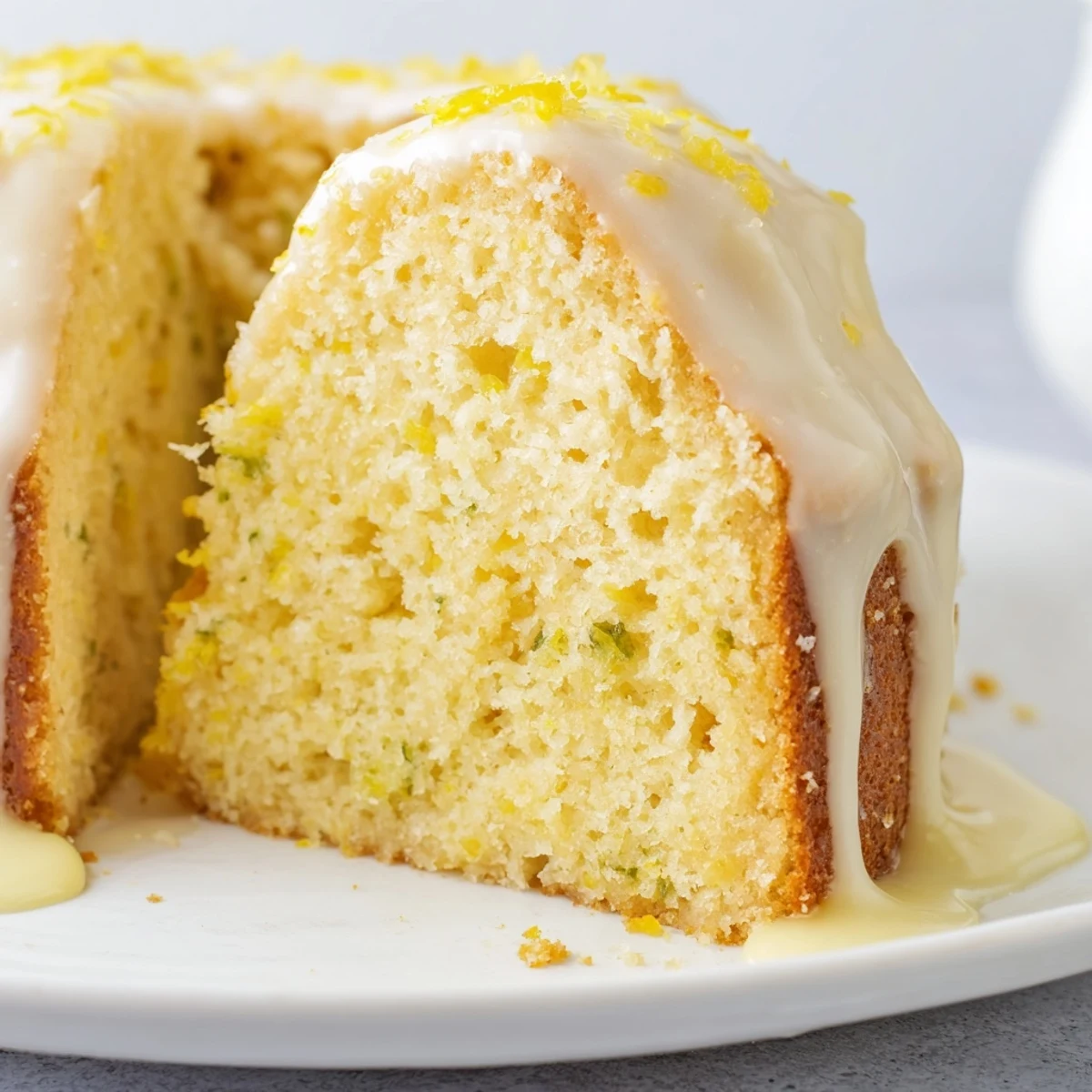
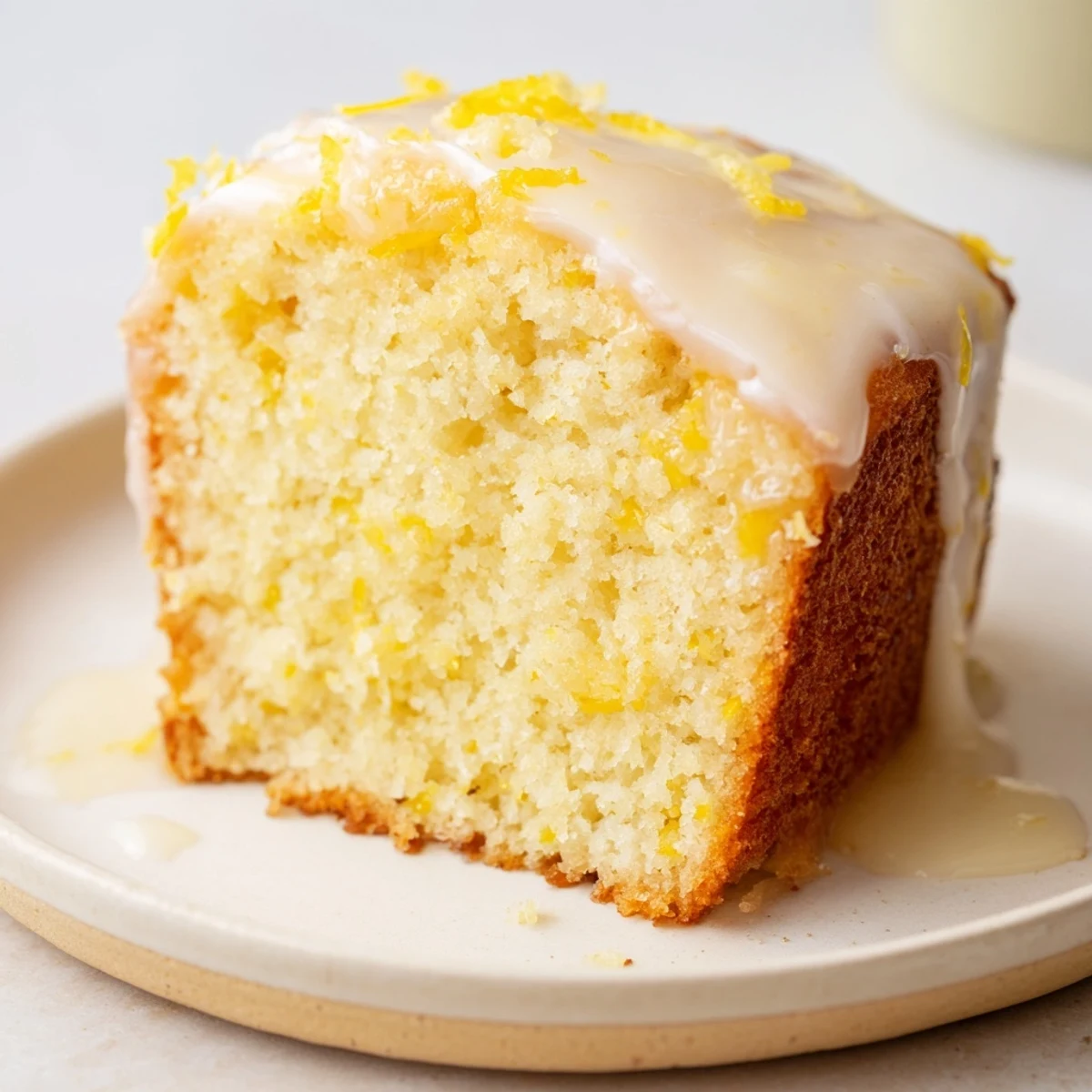
 This light sponge captures the bright essence of fresh lemons, enhanced with a juicy lemon syrup and finished with a smooth, tangy drizzle. The batter combines butter, caster sugar, eggs, and self-raising flour, infused with lemon zest for a refreshing taste. Baking in a loaf tin ensures even cooking, while soaking with syrup keeps the sponge moist and flavorful. The final glossy lemon icing adds a delightful citrus finish, making it a lovely accompaniment to tea or a simple dessert.
I wasn't much of a baker until a neighbor brought over a slice of lemon drizzle cake one rainy afternoon. The way that sharp citrus cut through the buttery crumb stuck with me for days. I dug out my mother's old loaf tin the following weekend, zested two lemons until my fingers smelled like sunshine, and haven't looked back since.
The first time I made this for a friend's birthday, I worried the icing looked too messy dripping down the sides. She laughed and said it reminded her of her grandmother's kitchen, where nothing was ever too precious to enjoy. We ate half the loaf that afternoon with strong tea, and I realized perfection isn't always the point.
Ingredients
- Unsalted butter, softened: Let it sit at room temperature for at least an hour so it creams properly with the sugar, or you'll end up with grainy batter.
- Caster sugar: The fine crystals dissolve faster than granulated, giving you a lighter crumb without any gritty texture.
- Large eggs: Room temperature eggs blend more easily and create more volume when beaten, which keeps the sponge airy.
- Self-raising flour: If you only have plain flour, add 2 teaspoons of baking powder per 225 g to mimic the rise.
- Lemon zest: Use a fine grater and avoid the white pith, which turns bitter when baked into the cake.
- Milk: Just a splash loosens the batter enough to pour smoothly without weighing down the rise.
- Lemon juice: Freshly squeezed is worth the effort, bottled juice tastes flat and lacks the brightness that makes this cake sing.
- Icing sugar: Sift it first or you'll end up with lumps in your drizzle that no amount of whisking will fix.
Instructions
- Prep the tin:
- Grease every corner and line the bottom and sides with parchment, leaving a little overhang to lift the finished cake out cleanly. I once skipped this step and spent twenty minutes prying chunks out of the pan.
- Cream butter and sugar:
- Beat them together until the mixture turns pale yellow and feels fluffy when you lift the beater. This usually takes about three minutes with an electric mixer, longer by hand.
- Add eggs slowly:
- Crack them in one at a time, beating well after each addition so the batter doesn't split. If it looks curdled, a spoonful of flour will bring it back together.
- Fold in dry ingredients:
- Gently mix the flour, zest, milk, and salt just until you can't see any streaks. Overmixing develops the gluten and makes the cake dense instead of tender.
- Bake until golden:
- The top should spring back when lightly pressed, and a skewer inserted in the center should come out with just a few moist crumbs. If the top browns too quickly, tent it loosely with foil for the last ten minutes.
- Soak with syrup:
- Poke deep holes all over the warm cake with a skewer, then slowly drizzle the lemon sugar syrup over the surface. It should sizzle slightly and disappear into the sponge, leaving a sticky sheen.
- Cool and drizzle:
- Let the cake cool completely in the tin before lifting it out, or it may crack. Mix the icing to a thick but pourable consistency and let it cascade down the sides in uneven rivulets.
 Pin this
 One summer evening, I baked this cake for a garden party and left it on the counter to cool. My friend's toddler wandered into the kitchen and poked her finger straight through the icing, then looked up at me with wide, guilty eyes. We all laughed, patched it with extra drizzle, and agreed it tasted even better with a little chaos baked in.
How to Store and Keep It Fresh
Wrap the cooled cake tightly in foil or keep it in an airtight tin at room temperature for up to five days. The syrup keeps the crumb moist, so it actually improves after a day or two. If you want to freeze it, skip the icing and wrap individual slices in cling film, then drizzle them fresh after thawing.
Flavor Variations to Try
Swap the lemon for lime if you want a sharper, more tropical edge, or use orange for something sweeter and more mellow. A handful of poppy seeds folded into the batter adds a subtle crunch and makes it look more impressive. I once stirred in a tablespoon of elderflower cordial with the syrup, and it tasted like springtime in a slice.
Serving Suggestions and Pairings
This cake shines with a cup of Earl Grey or a strong black coffee that balances the sweetness. A dollop of crème fraîche or lightly whipped cream on the side cuts through the richness and adds a cool contrast. If you're feeling indulgent, serve it warm with a scoop of vanilla ice cream melting into the syrup.
- Dust with extra lemon zest just before serving for a pop of color and aroma.
- Pair it with fresh berries like raspberries or blueberries to add a tart, juicy element.
- For a fancier finish, candied lemon slices on top make it look bakery-perfect without much effort.
 Pin this
 There's something quietly satisfying about pulling a golden loaf from the oven and watching that glossy syrup sink in. It's the kind of cake that makes ordinary afternoons feel worth celebrating.