
 Pin this
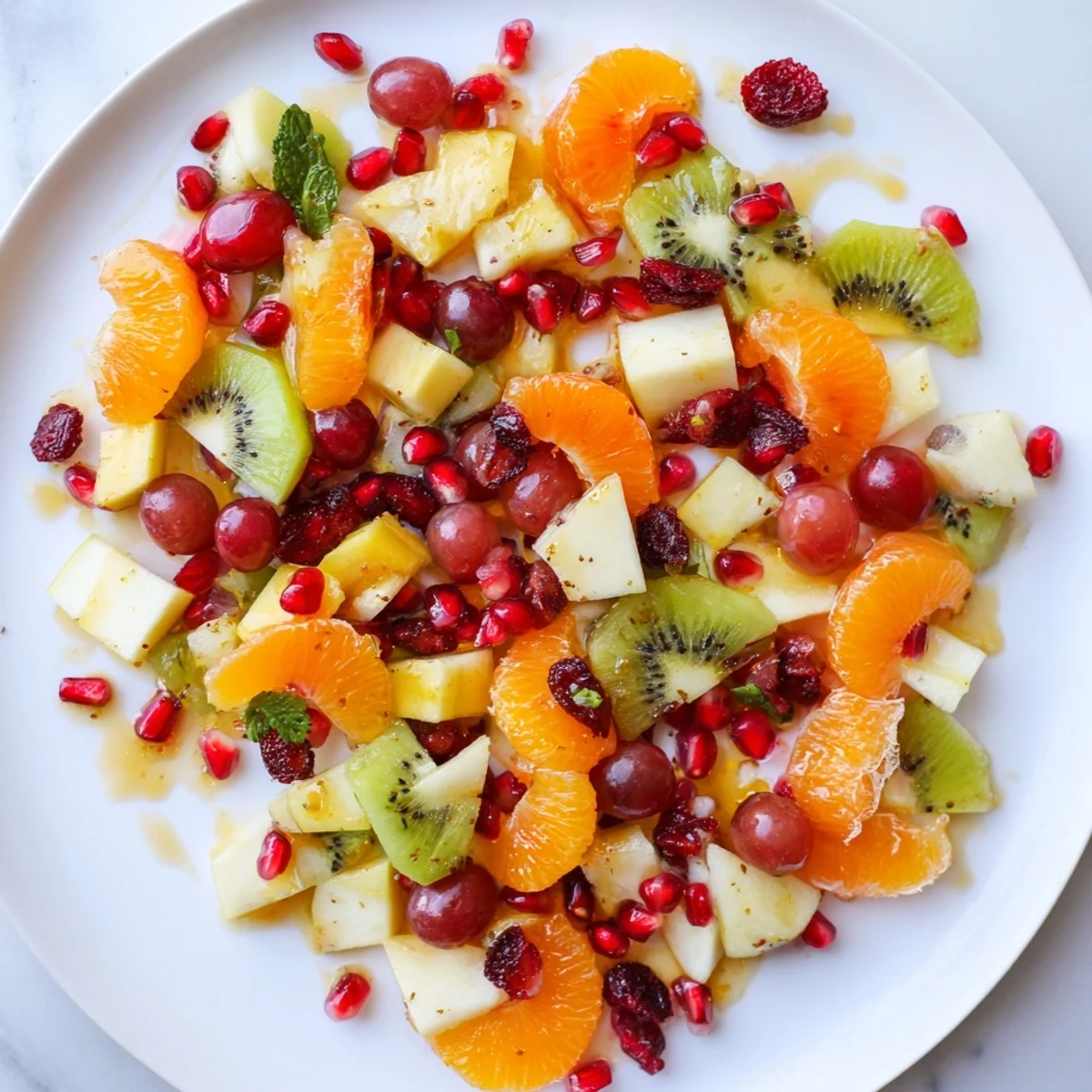
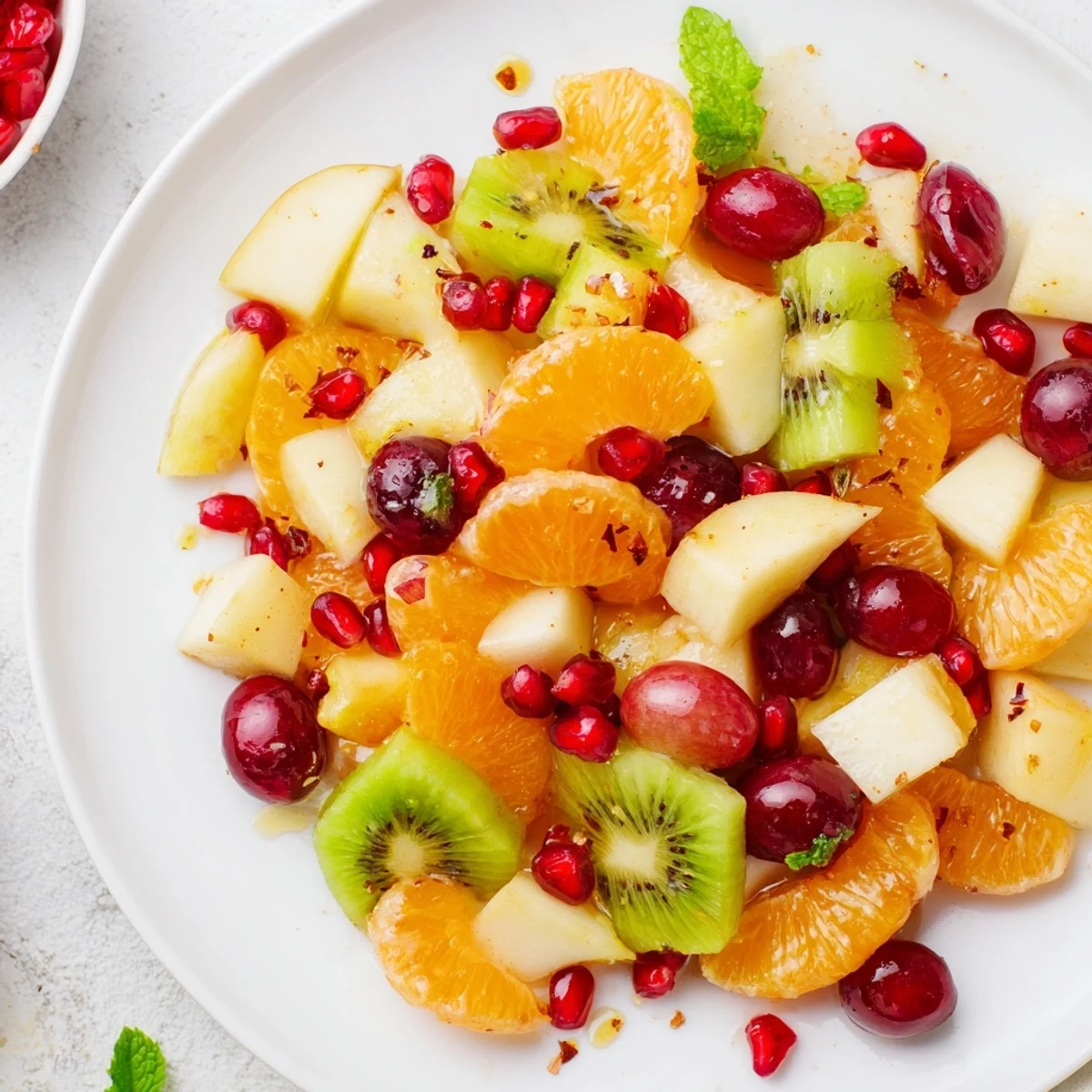
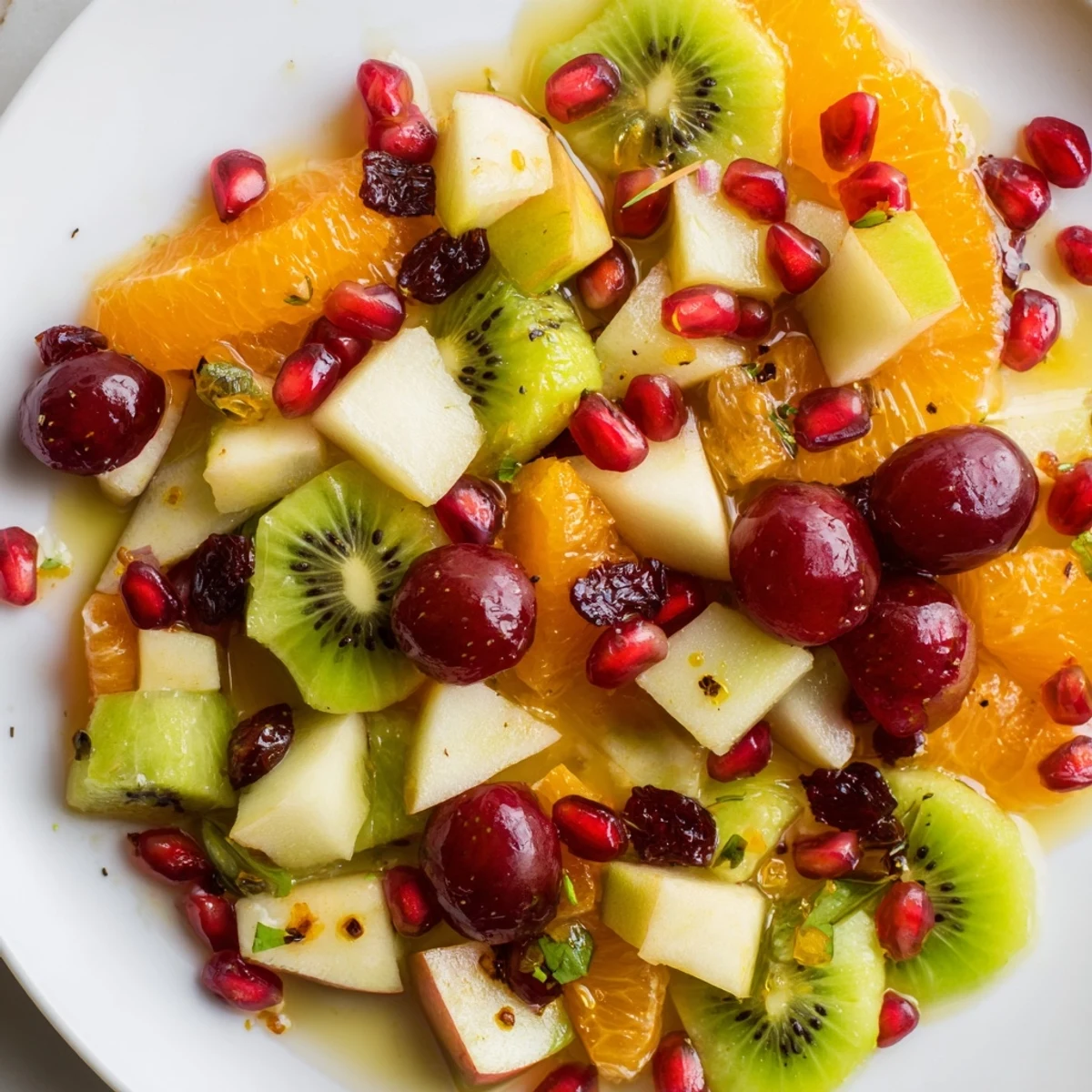
 Combine fresh oranges, kiwis, pomegranate, pear, apple, and grapes in a large bowl for a vibrant mix. Whisk together orange juice, lemon juice, honey or maple syrup, ginger, and optional mint to create the dressing. Gently toss the fruit in the citrus mixture, allowing it to rest for five minutes so the flavors meld before serving.
There's something about January that makes me crave color on a plate. One particularly gray afternoon, I pulled together whatever winter fruits were lingering in my kitchen—a slightly soft pear, some pomegranate arils I'd been saving, a couple of oranges—and tossed them with a quick citrus dressing that tasted like sunshine. My partner walked in mid-chop and asked what I was making; I honestly didn't know until I tasted it. That's when this salad became my answer to gloomy winter days.
I've made this for weekend brunches, packed it into containers for my desk, and served it after heavy holiday meals when everyone needed something light and alive. Once, I brought it to a potluck where someone asked for the recipe before dessert was even served. That moment taught me that sometimes the simplest dishes hit the hardest.
Ingredients
- Oranges (2, peeled and segmented): They're the backbone here—choose ones that feel heavy for their size, which means they're juicy and won't taste watery.
- Kiwis (2, peeled and sliced): Their tartness balances the sweetness of everything else, and they stay firm enough to not turn to mush.
- Pomegranate (1 large, arils only): Skip the juice; you want those little jewels for texture and that satisfying pop.
- Pear (1 large, cored and diced): Use one that's ripe but still has a slight firmness, or it'll dissolve into mush by serving time.
- Apple (1, cored and diced): A crisp variety like Granny Smith or Pink Lady won't turn brown as quickly as softer apples.
- Red grapes (1/2 cup, halved): Halving them lets the dressing coat them better and makes them less likely to roll off your plate.
- Dried cranberries (1/4 cup, unsweetened if possible): They add a tart note that keeps the salad from feeling too sweet despite all that fruit.
- Orange juice (1 orange's worth, fresh-squeezed): Fresh juice makes an actual difference in taste; bottled will feel flat by comparison.
- Lemon juice (from 1 lemon): This is your secret weapon—it keeps the apples and pears from browning and adds brightness to every bite.
- Honey or maple syrup (1 tablespoon): Just enough to round out the edges without making it a dessert.
- Fresh ginger (1/2 teaspoon, grated): A tiny amount gives warmth and makes people wonder what they're tasting.
- Fresh mint (1 tablespoon, chopped, optional): If you have it, add it—if not, the salad is still perfect without it.
Instructions
- Ready Your Fruit:
- Wash everything, then work through each piece methodically—segments, slices, arils, chunks. Place them in a large bowl as you go so you're not scrambling at the end. This takes longer than it sounds but prevents the chaos of prepping fruit under pressure.
- Build the Dressing:
- In a small bowl, whisk the orange and lemon juices together first, then add the honey, ginger, and mint if using. Taste it straight—it should make your mouth pucker slightly before mellowing into something warm.
- Marry Fruit and Dressing:
- Pour the dressing over the fruit and fold everything together gently, as if you're tucking the fruit into bed rather than tossing it around aggressively. You want every piece touched by the dressing but still whole.
- Let It Rest:
- Walk away for 5 to 10 minutes and let the fruit start releasing its own juices into the dressing. This is when the magic happens—the flavors meld and the salad becomes something more than the sum of its parts.
- Taste and Serve:
- Before plating, take a spoonful. If it needs more brightness, add a squeeze of lemon. If it needs sweetness, a drizzle of honey fixes it instantly.
 Pin this
 There's a moment when you set a simple bowl of fruit on the table and watch someone's face light up because they weren't expecting something so beautiful and honest. That's what this salad does for me every time.
Fruit Selection for Winter
Winter fruits can feel limiting, but that's actually where they shine—citrus, pomegranates, kiwis, pears, and apples are all at their peak right now, and they have a natural affinity for each other that a salad made in August can't quite capture. I learned this by trial and error, once making a version with summery stone fruits that just felt confused. Seasonal fruit isn't a limitation; it's a gift.
The Dressing That Changes Everything
This isn't a heavy vinaigrette or a creamy dressing—it's meant to be light and bright, almost like a cordial that wakes up your palate rather than coating it. The ginger is the unsung hero here, giving the whole thing a subtle warmth that people taste but can't quite name. I once made it without the ginger and realized mid-bite that something essential was missing.
Serving and Storage Notes
This salad is forgiving in the best way—it works chilled straight from the fridge or at room temperature if you've got it sitting on a winter counter. It pairs beautifully with a simple brunch spread, after a heavy meal, or honestly just as a snack when you need something that tastes good and makes you feel good. The leftovers will keep in a covered container for a day, though the fruit will soften slightly and the dressing will intensify.
- If you're serving this to a crowd, keep the dressing separate and dress it right before serving to prevent it from getting watery.
- For a heartier version, add toasted nuts or a scattering of granola for crunch, just check for allergies first.
- Taste before serving and adjust with more honey if it needs sweetness or more lemon if it needs brightness—no recipe is more important than your own palate.
 Pin this
 This is a salad I come back to again and again because it asks so little of me but gives so much in return. It's become my winter answer to feeling gray.
Recipe Questions & Answers
- → What fruits work best in this salad?
-
Oranges, kiwis, pomegranates, pears, and apples are ideal. You can also substitute persimmons, mandarins, or pineapple based on seasonal availability.
- → How can I make this vegan?
-
Simply replace the honey in the citrus dressing with an equal amount of pure maple syrup to keep it plant-based and vegan-friendly.
- → How long should the salad sit before serving?
-
Let the salad rest for 5 to 10 minutes after adding the dressing. This allows the flavors to meld together beautifully.
- → Can I add nuts to this dish?
-
Yes, toasted chopped walnuts or pecans add great crunch. Just be mindful of potential nut allergies for your guests.
- → Is this salad gluten-free?
-
Yes, this dish is naturally gluten-free, dairy-free, and vegetarian, making it suitable for various dietary restrictions.