
 Pin this
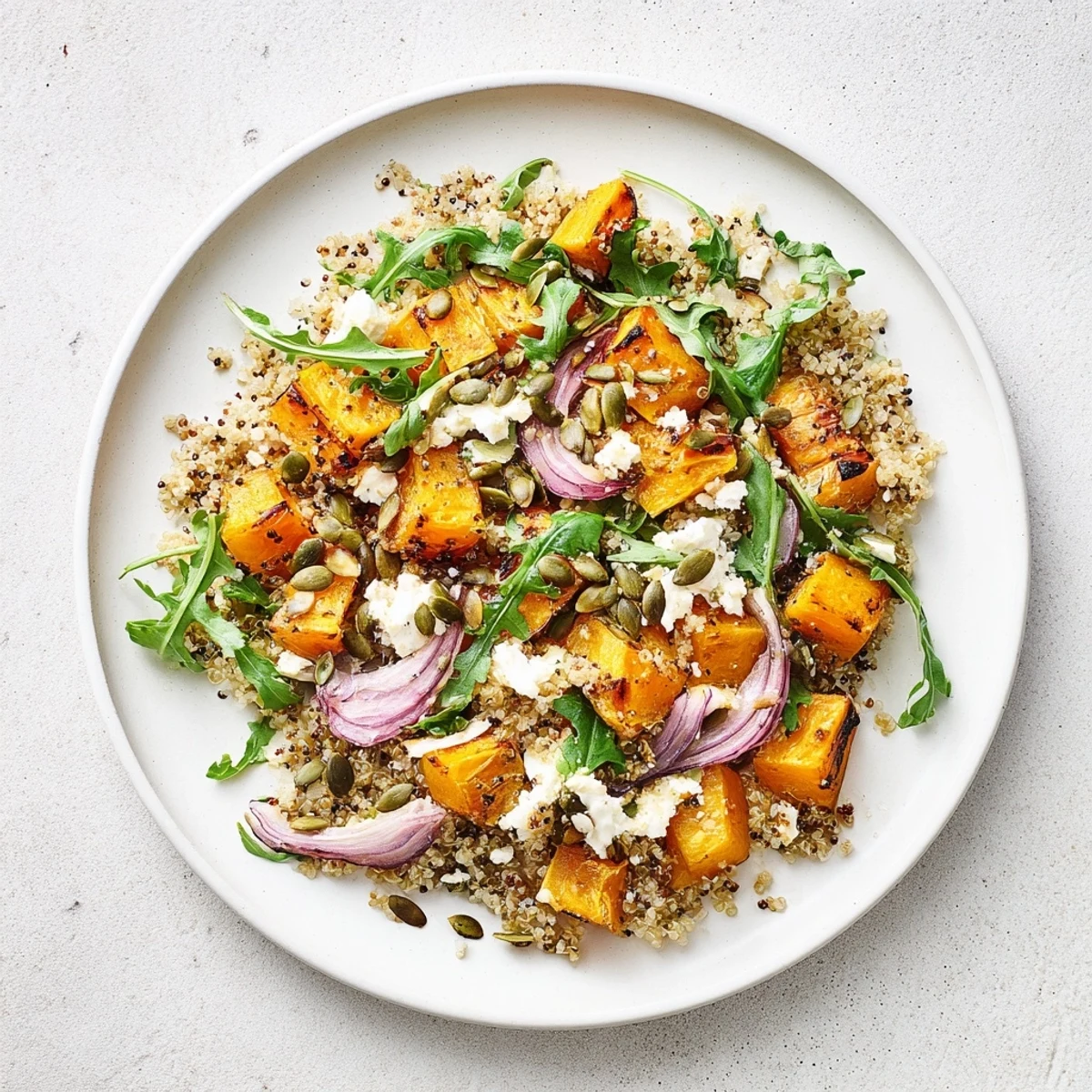
 This colorful dish brings together tender roasted butternut squash and fluffy quinoa for a satisfying combination. Fresh baby arugula or spinach blends with thinly sliced red onion, all highlighted by a bright, balanced vinaigrette made of olive oil, apple cider vinegar, and a touch of maple syrup. Toasted pumpkin seeds add crunch and optional crumbled feta brings subtle creaminess. Simple techniques and fresh ingredients create a nourishing and flavorful option ideal for lunch or as a side.
I discovered this salad on a crisp autumn afternoon when I had a beautiful butternut squash on my counter and absolutely nothing else that felt exciting. That's when I remembered quinoa—the grain that somehow makes every vegetable taste better. I tossed everything together with a simple apple cider vinegar dressing, and something magical happened. What started as using up ingredients became the salad I now make every fall, the one friends ask for the recipe to.
I'll never forget the first time I made this for unexpected dinner guests. I had maybe thirty minutes, and I was convinced I'd have to order food. Instead, I roasted the squash while the quinoa cooked, threw together a dressing, and pulled it all into one bowl. When I set it on the table, the room went quiet for just a moment before everyone dove in. That's when I realized this wasn't just a salad—it was proof that simple ingredients and a little attention could create something genuinely special.
Ingredients
- 1 medium butternut squash (about 2 lbs), peeled and cubed: The star of the show—butternut has this natural sweetness that caramelizes beautifully when roasted. I always cube mine evenly so everything finishes at the same time, and I save a little piece raw to taste; if it's tender when bitten, the rest will be perfect.
- 1 cup quinoa, rinsed: This grain is my secret weapon. Rinsing removes the bitter coating, and it cooks in just 15 minutes while providing a nutty flavor and complete protein that makes this feel like a real meal.
- 2 cups baby arugula or spinach, packed: I use arugula for its peppery kick, but spinach works beautifully too. Fresh greens matter here—they're your textural contrast to all that warm, soft squash and tender grain.
- 1 small red onion, thinly sliced: The sharpness of raw red onion is essential; it wakes up every other ingredient on the plate. Slice it thin and you won't regret it.
- 1/4 cup pumpkin seeds (pepitas), toasted: These add a satisfying crunch and an earthy depth. I toast mine in a dry skillet for just a few minutes until they start to pop—that's when you know they're ready.
- 1/4 cup crumbled feta cheese (optional): The creamy saltiness is optional, but it's my move. It melts slightly against the warm squash and creates this luxurious little pockets of richness.
- 3 tbsp extra-virgin olive oil: Use good olive oil here—it's going directly into the dressing where it matters.
- 2 tbsp apple cider vinegar: This is what ties everything together. The acidity cuts through the richness of the roasted squash perfectly.
- 1 tbsp pure maple syrup or honey: Just enough sweetness to balance the vinegar and complement the squash without making this taste like dessert.
- 1 tsp Dijon mustard: The emulsifier that helps the dressing come together, plus a little sharp mustard flavor that rounds everything out.
- 1 small garlic clove, minced: One clove is enough—you want a whisper of garlic, not a shout.
- 1/2 tsp sea salt and 1/4 tsp black pepper: Season thoughtfully as you go; you can always add more but you can't take it out.
Instructions
- Get Everything Ready:
- Preheat your oven to 400°F and line a baking sheet with parchment paper. This is where the magic begins—the oven creates those caramelized edges on the squash that make this whole salad sing.
- Roast the Squash Until It's Golden:
- Toss your cubed butternut squash with a tablespoon of olive oil, a pinch of salt, and pepper. Spread it in a single layer—don't crowd the pan—and slide it into the oven. You'll roast it for 25 to 30 minutes, turning it halfway through. You're looking for the edges to turn golden and caramelized, and the inside to be tender enough that a fork goes through easily. Your kitchen will smell incredible.
- Cook the Quinoa While the Squash Roasts:
- In a medium saucepan, combine your rinsed quinoa and 2 cups of water. Bring it to a boil, then immediately reduce the heat to low, cover it, and let it simmer gently for 15 minutes. You'll know it's done when the water is absorbed and you see little white spirals popping out from each grain. Turn off the heat, let it sit covered for five minutes, then fluff it with a fork. This resting time is important—it lets the grains dry out slightly.
- Whisk Your Dressing:
- In a small bowl, whisk together the remaining olive oil, apple cider vinegar, maple syrup, Dijon mustard, minced garlic, salt, and pepper. Taste it—you want a balance of tangy and slightly sweet, with the mustard adding a subtle depth. If it tastes too sharp, add a tiny bit more maple syrup; if it feels flat, add a pinch more salt.
- Bring It All Together:
- In a large bowl, combine the cooled quinoa, warm roasted squash, thinly sliced red onion, and your fresh greens. This is the part where your ingredients become a salad. Drizzle the dressing over everything and toss gently but thoroughly, making sure every grain and piece of squash gets coated.
- The Final Touch:
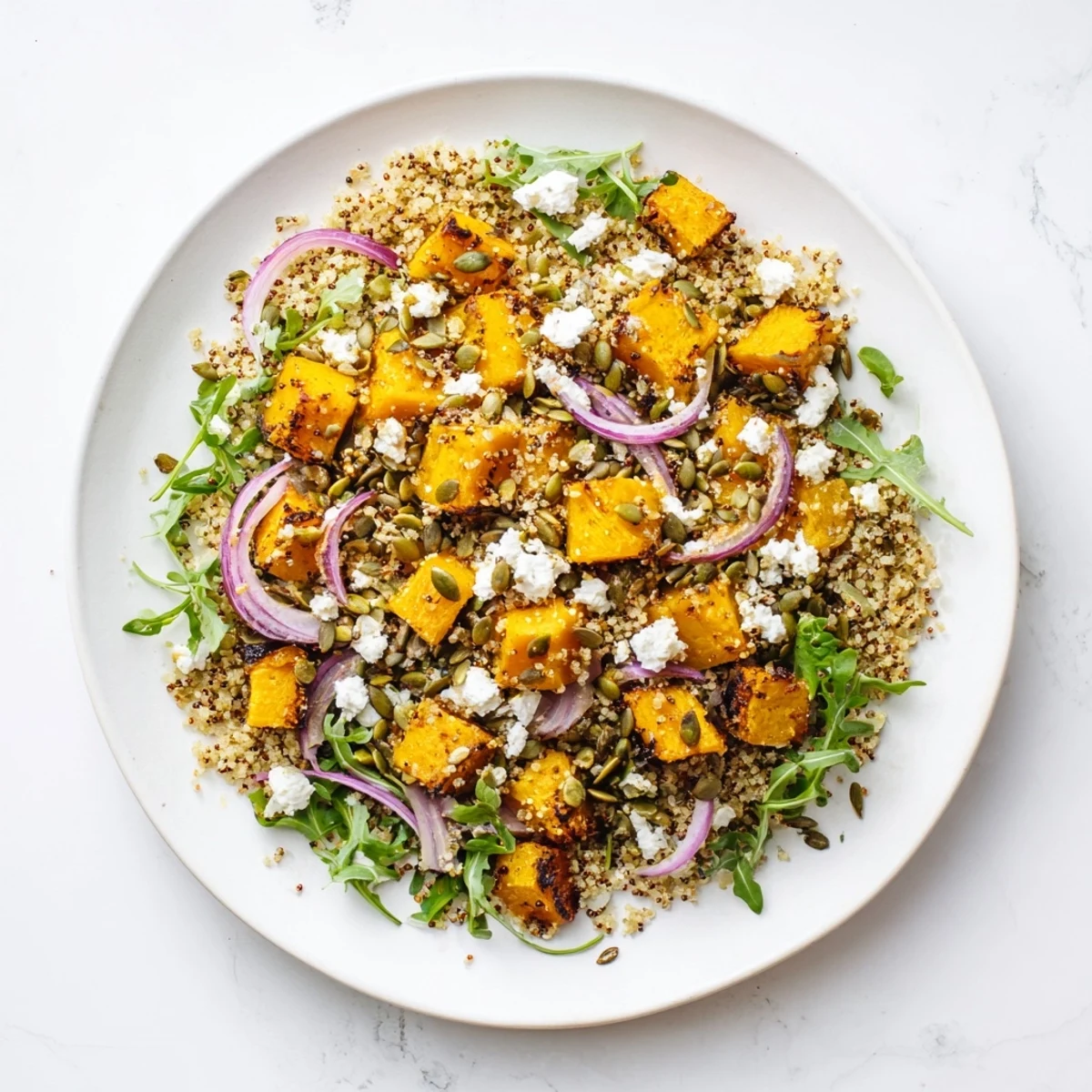
- Top with your toasted pumpkin seeds and crumbled feta if you're using it. You can serve this warm, at room temperature, or even chilled—it's forgiving and delicious in every form.
 Pin this
 This salad became my go-to for those moments when I needed to bring something to share and wanted it to feel substantial and thoughtful. There's something about serving something warm and wholesome that says I've actually paid attention to what people need.
Variations That Clicked
The beauty of this salad is that it invites customization without losing its soul. I've added dried cranberries for extra sweetness and chewiness, pomegranate seeds when they're in season for jewel-like color and tartness, and even roasted chickpeas when I wanted extra protein without the dairy of feta. Sometimes I swap the arugula for kale that's been gently massaged with a little olive oil—it's heartier and holds up beautifully overnight. The dressing is your canvas here; if you have a different vinegar you love, use it. If citrus feels more seasonal to you, fresh lemon juice works just as well as apple cider vinegar.
When You're Missing Something
I've made this salad with delicata squash when butternut wasn't available, and honestly, I've been tempted to stick with it. Acorn squash works too—any winter squash with a natural sweetness will do. If you can't find quinoa, farro or millet provide similar earthiness. No fresh greens in the house? Toss in some shredded cabbage for crunch, or honestly, just serve the warm elements as a grain bowl without them. The core of this salad is flexible enough to bend to what you actually have on hand.
Serving Ideas That Clicked
I've learned that this salad works beautifully at nearly any temperature. Straight from the oven, it's warm and comforting with the cold greens creating a textural contrast. At room temperature, which is how I usually serve it to guests, it hits this perfect middle ground where nothing is jarring. Even chilled, it becomes a different but equally lovely salad. Pair it with a crisp white wine like Sauvignon Blanc if you're making an occasion of it, or serve it alongside roasted chicken or grilled fish if you want to turn it into a complete dinner plate.
- Make it ahead for lunch the next day—if anything, the flavors deepen as they mingle overnight.
- If you're vegan or dairy-free, skip the feta and increase the pumpkin seeds for that textural element and richness.
- The dressing also works beautifully on roasted vegetables or grain bowls throughout the week, so make extra if you have the ingredients.
 Pin this
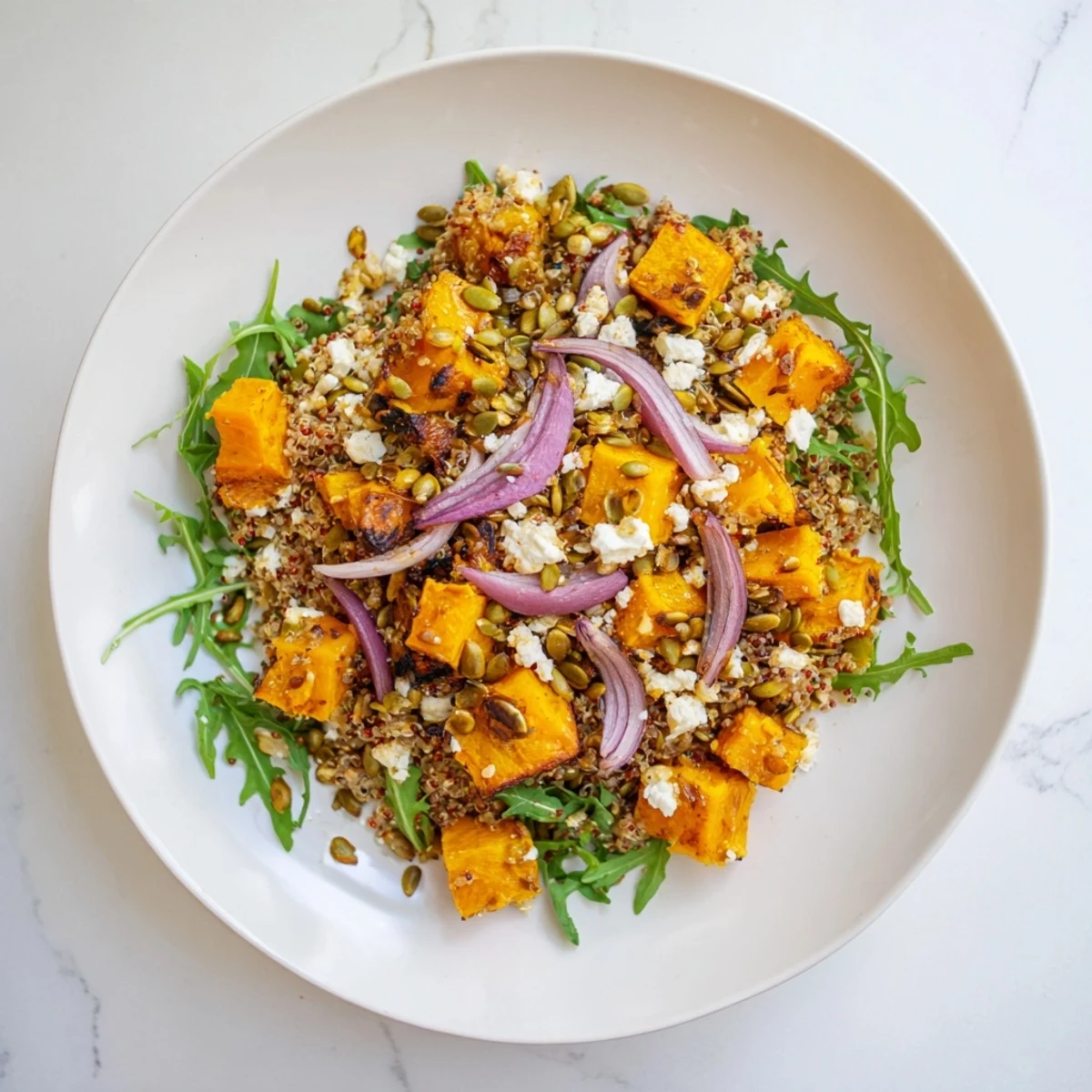
 This salad proved to me that good food doesn't need to be complicated or fussy. When you start with quality ingredients and treat them with attention, something genuinely nourishing and delicious happens.
Recipe Questions & Answers
- → What type of squash works best?
-
Butternut squash provides sweetness and texture, but delicata or acorn squash are excellent alternatives with similar roasting properties.
- → How should quinoa be cooked for this dish?
-
Rinse quinoa thoroughly, then simmer in water until absorbed and fluffy. Let it cool slightly before combining with other ingredients.
- → Can the dressing be adjusted?
-
Yes, the vinaigrette balances acidity and sweetness; maple syrup can be swapped for honey, and seasonings adjusted to taste.
- → Is there a way to add extra texture?
-
Toasted pumpkin seeds add a satisfying crunch, while crumbled feta cheese contributes creaminess if desired.
- → How can this dish accommodate dietary restrictions?
-
Omit feta for a dairy-free or vegan option. Quinoa is naturally gluten-free, but always check packaging if sensitive.