
 Pin this
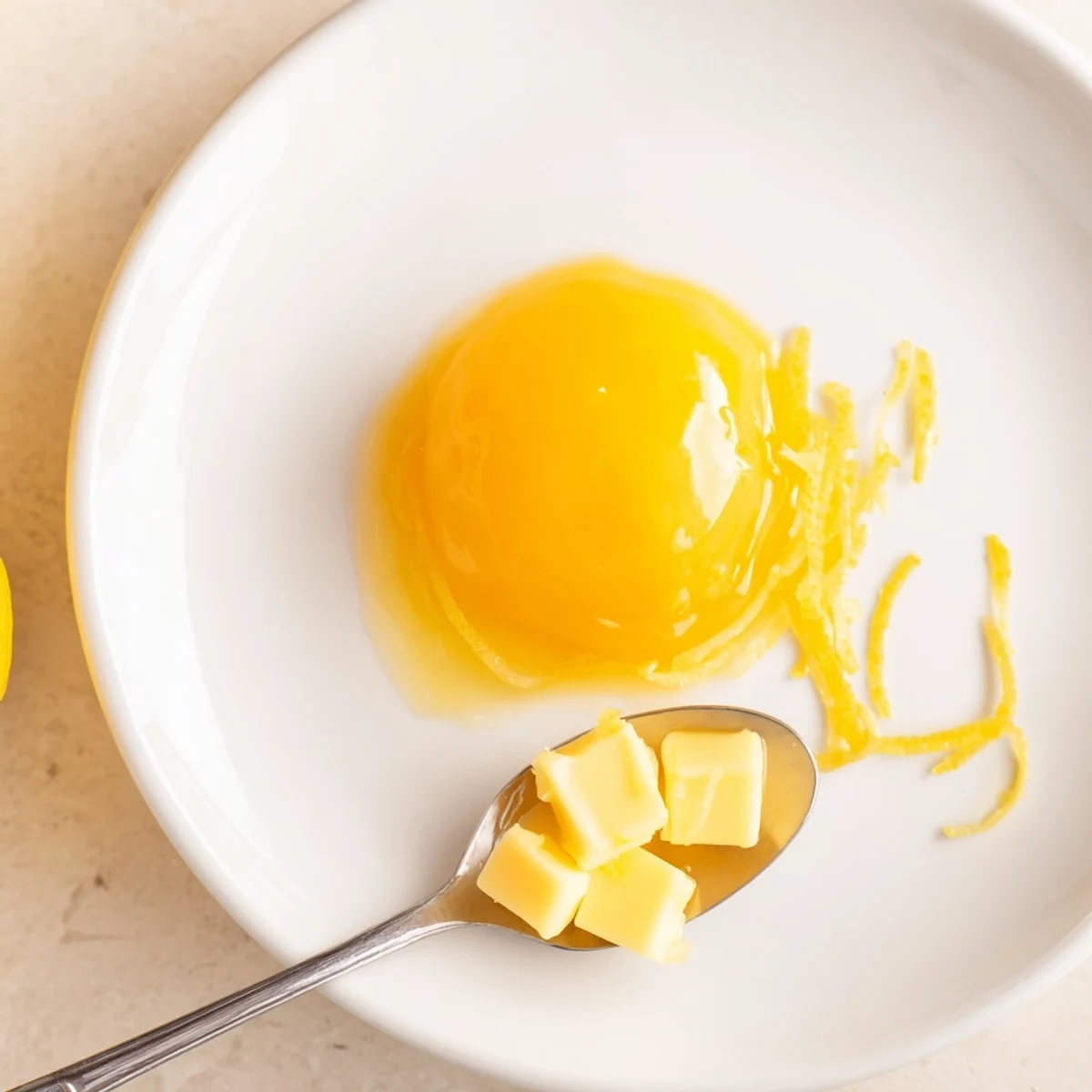
 Lemon curd is a glossy, tangy-sweet spread made by gently cooking eggs, sugar and lemon over a double boiler, whisking constantly until it thickly coats a spoon (about 8–10 minutes). Whisk in butter off heat for a silky finish, then strain for an ultra-smooth texture. Cool completely before sealing jars; keeps chilled up to two weeks. Swap in plant-based butter for a dairy-free version.
Once, a single waft of sun-bright lemons hit me as I cracked eggs in my tiny kitchen—the kind of scent that presses pause on your day. Making lemon curd became my little experiment in bottling that promise of fresh starts. The sharp, zesty aroma fills the air as the curd thickens, and I always find myself whispering encouragement to the bubbling mixture. There’s a real joy in watching basic things transform into something so silky and indulgent.
One rainy Saturday, I made this lemon curd for my cousin’s visit, and we nearly finished a jar with just a spoon while gossiping at the counter. The laughter and citrusy mess felt more important than the fancy cake I’d planned—sometimes, the best company is served straight from the jar. That unexpected moment convinced me to always keep a stash on hand.
Ingredients
- Eggs: Fresh eggs make the curd luxuriously thick, and room temperature ones blend more smoothly—I learned this after a batch split on me once.
- Unsalted Butter: Cubed and cold is best for that velvety finish; I add it off heat for extra gloss.
- Lemons (zest and juice): The brightest flavor comes from fresh, unwaxed lemons; gentle zesting avoids bitter pith.
- Granulated Sugar: Good old white sugar balances the sharpness and delivers just the right sweetness without clouding the curd’s color.
Instructions
- Whisk Together:
- Crack your eggs into a heatproof bowl and whisk with sugar until the graininess is gone and it looks pale & combined. The sound of the whisk smacking the bowl always signals good things ahead.
- Add Lemon:
- Stir in all the zest and juice—it should already smell like summer after a rain. Little flecks of yellow promise a tangy finish.
- Double Boiler Setup:
- Place the bowl over a gently simmering saucepan, making sure the bowl sits above, not in, the water. Keep things moving with your whisk so nothing scrambles underneath.
- Cook Til Thick:
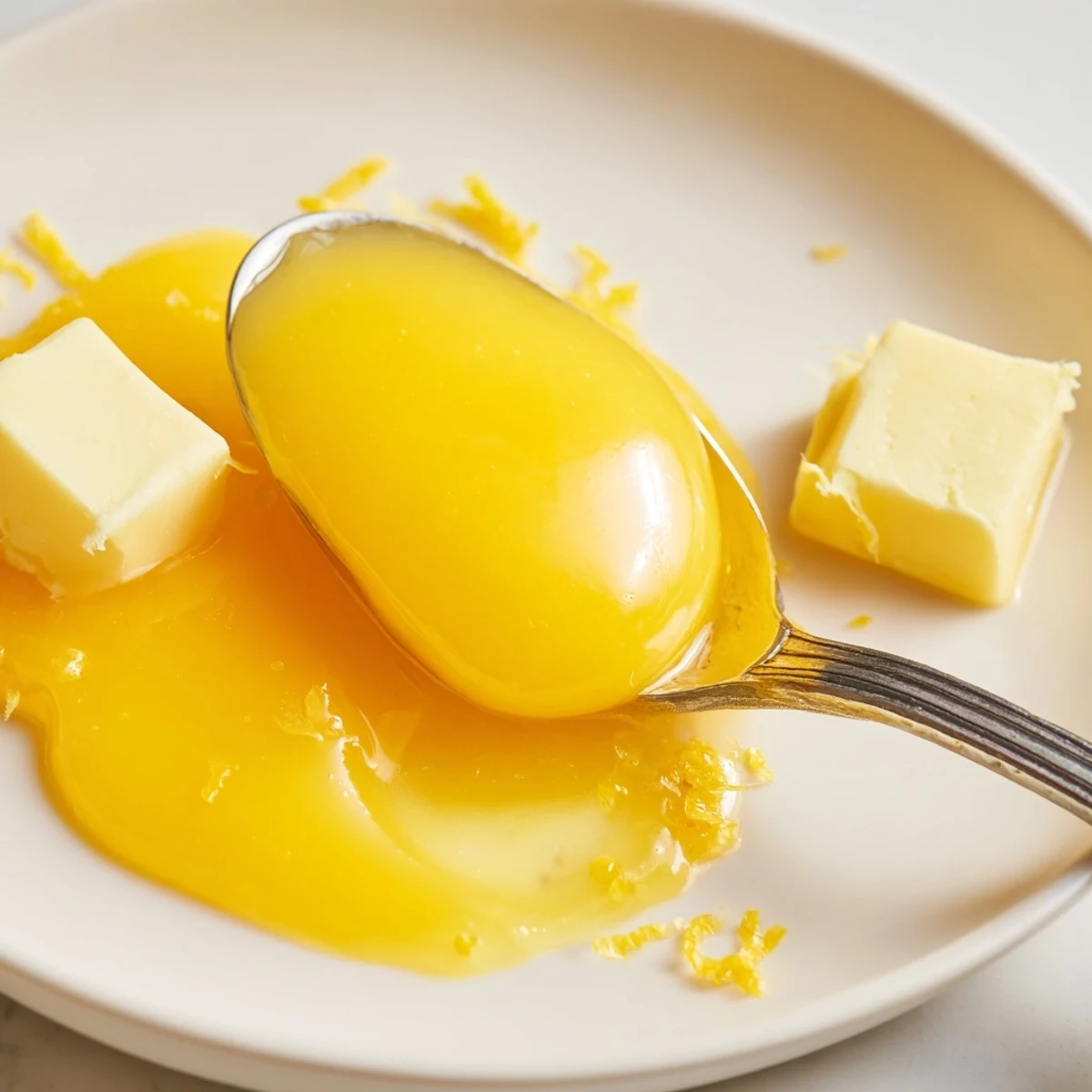
- Patiently whisk as the curd transforms, feeling it thicken under the whisk after about 8 minutes; it’s ready once it thickly coats the back of your spoon.
- Add Butter for Silkiness:
- Lift the bowl off the heat and immediately stir in butter cubes—watching the mixture turn glossy is honestly so satisfying.
- Sieve for Smoothness:
- Pour the hot curd through a fine-mesh sieve into a clean bowl, scraping so you catch every bit. This catches any bits that tried to misbehave.
- Cool & Store:
- Let it cool a little, then spoon into sterilized jars. It firms up in the fridge and keeps for two weeks—if you can resist that long.
 Pin this
 My partner once snuck a spoonful straight from a cooling jar, eyes wide in surprise at just how lemony it was—suddenly, this curd had surpassed any store-bought version in our kitchen’s pecking order. It’s funny how something so simple can capture a whole mood.
Making It Dairy-Free (If You Need To)
After a friend with a dairy allergy asked about lemon curd, I swapped in plant-based butter without anyone noticing. The curd set beautifully and the flavor stayed pure and vibrant—it was a relief to see everyone dig in without hesitation.
What to Do With Lemon Curd Besides Toast
I’ve discovered just how versatile this curd can be—once, it saved a too-dry sponge cake by becoming an impromptu filling. It’s also a revelation stirred into yogurt, sandwiched in cookies, or dolloped over pancakes on a lazy Sunday morning.
Little Details That Make All the Difference
Small tweaks—like warming your lemons before juicing—surprisingly result in more juice and a softer flavor. I always zest first, juice second, and never skip scraping down every last drop from the bowl to jar—it feels wrong to waste any. Here are a few fast tricks I’ve picked up:
- Make sure your eggs are at room temperature to help mix them effortlessly.
- Use a silicone spatula to keep the bowl clean and ensure nothing sticks or burns.
- Jars should be sterilized for freshness—the curd keeps best this way.
 Pin this
 If you can resist eating it all with a spoon, this lemon curd turns everyday treats into something memorable. Bottling a bit of brightness feels like the best kind of kitchen magic.
Recipe Questions & Answers
- → How do I prevent the curd from curdling?
-
Use gentle, indirect heat (a double boiler) and whisk constantly. Keep the water at a simmer, not a boil, and remove from heat as soon as the mixture thickens. If curdling begins, quickly whisk off heat or strain to salvage texture.
- → How can I tell when the curd is done?
-
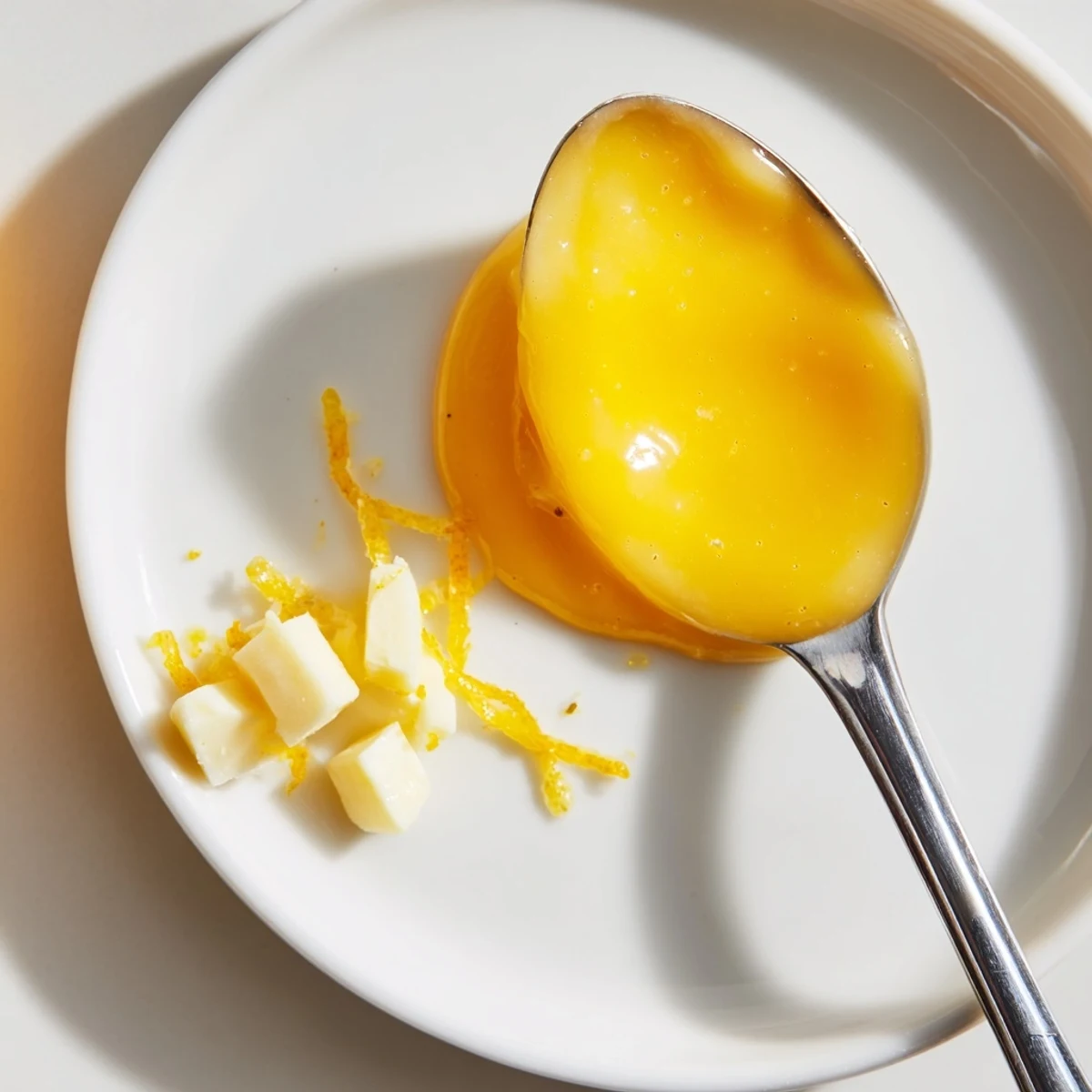
It’s ready when it thickly coats the back of a spoon and a dragged finger leaves a clear line. This usually takes about 8–10 minutes over a gentle simmer in a double boiler.
- → Can I use bottled lemon juice instead of fresh?
-
Fresh lemon juice and zest give brighter flavor and aromatics. Bottled juice will work but yields a less vibrant taste; compensate with extra zest if using bottled juice.
- → What’s the best way to get an extra-smooth curd?
-
Strain the finished curd through a fine-mesh sieve into a clean bowl to remove any cooked egg bits or zest. For silkier results, strain twice and whisk in softened butter while still warm.
- → How long does lemon curd keep and how should I store it?
-
Cool completely before transferring to sterilized jars and refrigerate. Properly chilled, it keeps up to two weeks. Always use a clean spoon to avoid contamination.
- → How can I make a dairy-free version?
-
Replace the butter with a plant-based spread that melts smoothly. Follow the same technique of gentle heat and continuous whisking to achieve a silky finish.